Table of Contents >> Show >> Hide
- 1. Turn the Best Ones Into Fresh Snacks and Lunchbox Heroes
- 2. Bake the Classics: Pie, Crisp, Crumble, and Cake
- 3. Make a Big Pot of Applesauce
- 4. Cook Down Apple Butter for Toast, Biscuits, and Gifting
- 5. Freeze Pie-Ready Apple Slices
- 6. Dry Apples Into Chips, Rings, and Lunchbox Snacks
- 7. Make Apple Cider, Warm Spiced Drinks, or a Tangy Shrub
- 8. Go Savory: Salads, Slaws, Sheet-Pan Dinners, and Sandwiches
- What to Do First With Bruised or Aging Apples
- Final Thoughts on Using a Bushel of Apples
- A Bushel, a Countertop, and My Slightly Chaotic Apple Era
If you came home from the orchard with a glorious bushel of apples, first of all: congratulations on living your best fall-movie life. Second: that bushel is not a cute little basket. It is a serious apple commitment. Depending on the variety, a bushel can weigh around 42 to 48 pounds, which is less “light snack situation” and more “small fruity mountain.”
The good news is that learning how to use a bushel of apples is easier than most people think. The trick is not to stare at the pile until it becomes decor. The trick is to divide and conquer. Some apples should be eaten fresh, some should be baked, some should be simmered into something cozy, and some should head straight for the freezer before they get soft and start giving you that judgmental “you bought too many” look.
Below are eight smart, delicious, and very real ways to use a bushel of apples without wasting them. Whether you want easy apple preservation ideas, family-friendly recipes, or practical answers for what to do with lots of apples, this guide has you covered.
1. Turn the Best Ones Into Fresh Snacks and Lunchbox Heroes
Before you start peeling like you’re training for the Apple Olympics, sort your haul. Pull out the prettiest, firmest, unbruised apples for fresh eating. These are your snack apples, lunchbox apples, cheese-board apples, and “I should probably eat a fruit” apples.
Make fresh apples last longer
Keep apples unwashed until you’re ready to use them. Moisture is not their friend in storage. If you have room in the refrigerator, that is prime apple real estate. A cool pantry works too, but the fridge buys you more time. Store bruised apples separately and use them first, because one beat-up apple can speed the decline of the whole group. Apples also give off ethylene gas, so don’t tuck them beside produce that bruises or ripens quickly unless you enjoy surprise mush.
For sliced apples, a quick dip in lemon water helps slow browning. Then pack them into airtight containers for lunches, snack trays, or after-school raids by hungry humans who act like they have never seen food before.
Easy fresh-use ideas
Slice apples for peanut butter boards, dice them into chicken salad, tuck them into turkey sandwiches, or pair them with sharp cheddar and crackers. Crisp varieties are especially good here because they hold their texture and still taste bright after chilling.
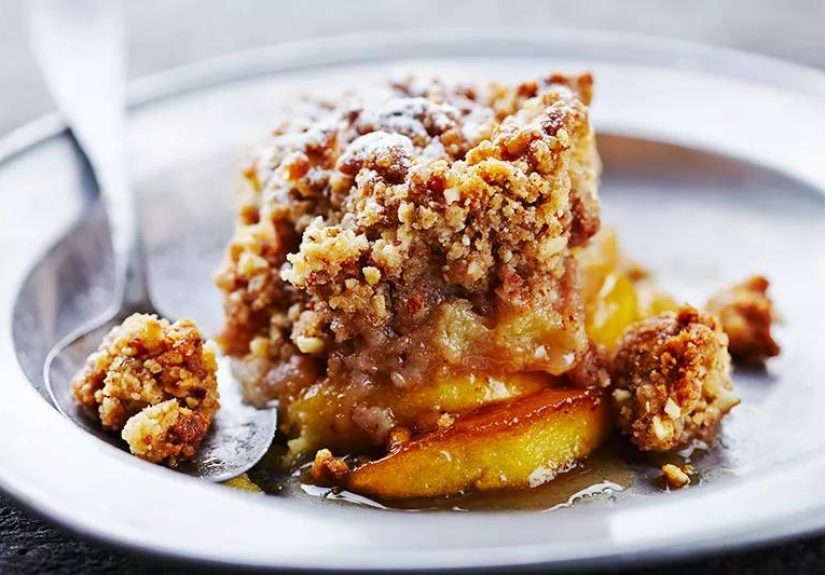
2. Bake the Classics: Pie, Crisp, Crumble, and Cake
If you are wondering what to do with lots of apples, the answer most people secretly want is dessert. A bushel of apples is basically permission to make your kitchen smell like cinnamon for a week straight.
Choose the right apples for the job
Not all apples behave the same way in the oven. Some keep their shape and give you a pie with neat slices. Others melt down into a soft, jammy filling that shines in crisps and crumbles. That is why the best apple desserts often use a mix of varieties. Combining tart and sweet apples gives you better flavor and better texture, which is a fancy way of saying your dessert tastes like it knows what it’s doing.
For pie, go with apples that stay firm enough to avoid a watery, soggy-bottom situation. For crisp, softer and juicier apples can work beautifully because a spoonable, cozy filling is part of the charm. And if you really want to show off, make an apple cake with chunks of two different varieties so every bite has a little contrast.
Best baking projects for a big haul
Start with one statement bake and one practical bake. Make a pie for bragging rights, then make a crisp for busy weeknights because it is forgiving and doesn’t require crust-related emotional resilience. Apple muffins, snack cakes, quick breads, galettes, and hand pies are also excellent ways to use up apples in smaller waves.
Pro tip: peel and slice more apples than your recipe needs. Freeze the extra. Future you will feel wildly organized.
3. Make a Big Pot of Applesauce
Homemade applesauce is one of the smartest answers to the “bushel of apples” problem because it uses a lot of fruit, it is family-friendly, and it can swing sweet or savory depending on your mood. It also makes your house smell like a candle company got very ambitious.
Why applesauce is such a good use for a bushel
Applesauce welcomes imperfections. Apples do not have to look pageant-ready to become sauce. You can mix tart and sweet varieties for balance, keep it chunky or smooth, and season it with cinnamon, ginger, or absolutely nothing if you like a pure apple flavor. Some people sweeten it, others do not. Both camps may continue existing in peace.
Homemade applesauce also multitasks. Serve it warm with pork chops, swirl it into oatmeal, spoon it over pancakes, freeze it in meal-size portions, or use it in baking when you want moisture with less oil. If you brought home a true bushel, applesauce is one of the highest-impact ways to make visible progress. A bushel can produce a very generous amount of sauce, so this is not a tiny side project. This is a plan.
How to make it taste better than store-bought
Use good apples, cook them until fully tender, and do not overdo the sugar. A mix of sweet and tart fruit tastes deeper and brighter. A pinch of salt helps too, because apples, like people, become more interesting with a little contrast.
4. Cook Down Apple Butter for Toast, Biscuits, and Gifting
Apple butter is what happens when applesauce gets ambitious, lowers the lights, and decides to become luxurious. It is thicker, richer, darker, and more concentrated in flavor. Spread it on toast, biscuits, pancakes, oatmeal, waffles, or straight onto a spoon when no one is looking.
Why apple butter is worth the extra time
Apple butter turns a lot of apples into a small amount of deeply flavored goodness, which is useful when your counter still looks like an orchard exploded. The long simmer caramelizes natural sugars, deepens the color, and creates that silky texture people associate with cozy weekends and suspiciously expensive farmhouse breakfast spots.
It also makes a great edible gift. Spoon it into jars, tie on a ribbon if you are feeling crafty, and suddenly you are the person who “makes things.” That is a powerful autumn identity.
Keep it safe
If you want shelf-stable jars, follow a tested canning recipe from a reliable preservation source. Apple butter is not the place for improvising with processing times because vibes are not a recognized food-safety method. If you would rather keep it simple, refrigerate or freeze it.
5. Freeze Pie-Ready Apple Slices
One of the best apple preservation ideas is also one of the easiest: prep slices now, thank yourself later. Frozen apples are ideal for pies, crisps, cakes, sauces, and quick breads. They are not the best choice for pretty fresh salads, but for cooked recipes they are a weeknight miracle.
How to freeze apples without a clumpy mess
Peel, core, and slice the apples. Treat them with an anti-browning option such as ascorbic acid or lemon-based protection, then spread the slices on a sheet pan so they freeze individually. Once firm, transfer them to freezer bags or containers. This keeps you from creating one giant apple iceberg that requires chiseling.
You can freeze them plain for flexibility or lightly sweeten them for dessert use. Label everything clearly. Six months from now, a mystery freezer bag is not charming. It is stressful.
When frozen apples shine
Use them for pie filling, baked oatmeal, crisps, cobblers, turnovers, applesauce, and even savory pan sauces. If you bought a bushel because you got excited at the orchard, freezing gives your enthusiasm a practical exit strategy.
6. Dry Apples Into Chips, Rings, and Lunchbox Snacks
Drying is an underrated way to preserve apples, especially if your family tears through snacks at a speed that suggests they are training for something. Apple chips are portable, shelf-friendly, and surprisingly addictive.
Why drying works so well
Drying shrinks a lot of apples into a compact snack with concentrated flavor. It is especially handy when your refrigerator is already crowded with leftovers, condiments, and that one mysterious container nobody claims. Dried apples can be eaten as-is, chopped into granola, folded into muffins, or simmered later in oatmeal and compotes.
Tips for better dried apples
Slice evenly so they dry at the same rate. A quick anti-browning dip helps them keep a prettier color. Cinnamon is optional but strongly encouraged if you enjoy your kitchen smelling like autumn has a publicist. Dry until the pieces are pliable or crisp, depending on your preference, then cool completely before storing them in airtight containers.
This is also a great use for apples that are still perfectly good but maybe not crisp enough to win a beauty contest anymore.
7. Make Apple Cider, Warm Spiced Drinks, or a Tangy Shrub
If your bushel of apples is giving “harvest festival energy,” beverages are the move. You do not need a full cider mill fantasy to put apples to work in drinks. You can simmer chopped apples with spices for a homemade cider-style drink, reduce cider into syrup, or make a tart shrub for sparkling water and mocktails.
Drink options that use up apples fast
A warm spiced apple drink is cozy, simple, and great for gatherings. Apple syrup can be drizzled into cocktails, tea, pancakes, or yogurt. An apple shrub gives you something bright and tangy that feels fancy without being fussy. And if you buy apple cider instead of pressing your own, you can still use your apples for garnishes, baked apple mugs, or simmer-pot leftovers that make the house smell heroic.
One important safety note
If you are serving juice or cider to kids, older adults, pregnant guests, or anyone with a weakened immune system, use pasteurized juice or cider. That is the kind of sensible move that does not ruin the fun; it just keeps the fun from becoming memorable for the wrong reasons.
8. Go Savory: Salads, Slaws, Sheet-Pan Dinners, and Sandwiches
Apples are not just dessert ingredients wearing a fruit costume. They are excellent in savory cooking too. In fact, using apples in dinner recipes is one of the fastest ways to work through a big haul without ending up with six desserts and a sugar-related identity crisis.
Easy savory ways to use apples
Dice apples into kale salad with walnuts and cheddar. Shred them into slaw for pulled pork sandwiches. Roast them with onions and sausage on a sheet pan. Tuck sliced apples into grilled cheese with sharp cheddar or brie. Add them to stuffing, grain bowls, and chicken salad. Apples bring crunch, sweetness, and acidity, which is basically the culinary version of showing up with good manners and a strong opinion.
Use texture to your advantage
Firm, tart apples often hold up best in savory recipes, especially when roasted. Softer apples can still work in relishes, chutneys, and pan sauces. Once you start using apples outside the dessert lane, your bushel suddenly feels much more manageable.
What to Do First With Bruised or Aging Apples
Here is the golden rule of apple management: use the damaged fruit first. Bruised apples are ideal for applesauce, apple butter, soups, compotes, and baking, as long as you trim away bad spots and discard any fruit that is rotten, moldy, or otherwise questionable. Fresh eating can wait for the pristine ones. The slightly battered apples are your “act now” apples.
A simple system helps. Keep three groups: fresh-eating apples, cook-soon apples, and preserve-now apples. Suddenly your bushel looks less like a challenge and more like a meal plan with excellent cheekbones.
Final Thoughts on Using a Bushel of Apples
The best way to use a bushel of apples is not to make one giant recipe and hope for the best. It is to spread the haul across fresh eating, baking, preserving, freezing, drying, and savory cooking. That approach keeps the apples from going to waste and keeps you from getting bored halfway through your orchard enthusiasm.
So yes, make the pie. But also make the sauce, freeze the slices, dry the chips, and sneak apples into dinner. A bushel is a lot, but it is also a season’s worth of breakfasts, desserts, snacks, and cozy kitchen wins. In other words, you did not overbuy. You planned ahead. Let’s call it that.
A Bushel, a Countertop, and My Slightly Chaotic Apple Era
The first time I brought home a bushel of apples, I felt very competent for about eleven minutes. I unloaded them onto the counter, admired my wholesome life choices, and imagined a cinematic fall weekend where I gently baked pies while wearing a sweater that somehow never collected flour. In reality, I had roughly a thousand apples, one available countertop, and a dawning realization that I had accidentally purchased a part-time job.
At first, I tried the “just eat them” method, which sounds solid until you remember that even enthusiastic apple eaters are still human. By day two, I was slicing apples into breakfast, lunch, dinner, and what can only be described as aggressive snacking. I put them in oatmeal, beside grilled cheese, over salads, and next to peanut butter like I was personally trying to keep the apple industry afloat.
Then I got strategic. I sorted the apples by personality. The glossy, crisp overachievers went into the refrigerator for fresh eating. The slightly bruised but still perfectly good apples became the immediate cooking pile. The ones that looked like they had seen some things were promoted to sauce duty. This was the moment the bushel stopped feeling like a challenge and started feeling like a system.
My first big win was applesauce. It used a satisfying amount of fruit, made the kitchen smell incredible, and gave me that productive feeling usually associated with alphabetized spice jars and paid-off credit cards. I made one batch smooth, one batch chunky, and one batch with cinnamon because apparently success had gone to my head. After that came apple crisp, which I prefer because it delivers pie-level comfort with far less crust-related drama.
The freezer became my backup plan and my emotional support appliance. Once I started freezing apple slices, everything got easier. I no longer had to solve the entire bushel immediately. I could prep a few bags and move on with my life, secure in the knowledge that Future Me would someday pull out those slices and feel unusually organized. Future Me deserves that kind of surprise.
I also discovered that apples are surprisingly good at dinner. Roasted with sausage and onions? Excellent. Tossed into a slaw for sandwiches? Even better. Added to a salad with nuts and cheese? Suddenly I was the kind of person who served “a composed salad,” which felt suspiciously sophisticated for someone who had recently been stress-baking.
By the end of the week, I had sauce in the fridge, dried apple slices in jars, frozen apples for baking, and one heroic jar of apple butter that made me feel like I should own a farmhouse table. The bushel was no longer a giant produce problem. It was breakfast, dessert, snacks, and a few excellent bragging rights.
So if you are staring down a bushel of apples right now, do not panic. Start with the bruised ones, pick two preservation projects, and let the rest become fresh snacks and easy dinners. You do not need to be a professional baker, a master canner, or the sort of person who casually says “orchard haul.” You just need a plan, a little fridge space, and the willingness to admit that yes, maybe you bought a dramatic amount of fruit. It happens to the best of us.