Table of Contents >> Show >> Hide
- What “Cleaner Living” Actually Means
- At-a-Glance House Map for Cleaner Living
- 1. Entryway: Stop Dirt Before It Starts Paying Rent
- 2. Kitchen: Clean Enough to Eat In, Not Sterilize the Moon
- 3. Bathroom: Moisture Control Is the Real Main Character
- 4. Living Room and Bedroom: Cleaner Air Beats Fancy Decor
- 5. Laundry Room: Small Room, Big Chemical Drama
- 6. Water and Filters: Buy Less Hype, More Certification
- How to Read Labels Without Becoming a Full-Time Researcher
- The Cleaner-Living Routine That Actually Works
- Common Mistakes That Make “Clean” Homes Less Healthy
- Everyday Experiences With Cleaner Living
- Conclusion
- SEO Metadata
Cleaner living sounds like one of those phrases that shows up on a candle label next to “ocean breeze” and “mystic cedar.” But in real life, it is much less fancy and much more useful. It means building a home and routine that feel fresher, safer, easier to maintain, and less loaded with the kind of grime, fumes, clutter, and chaos that make everyday life feel like a low-budget disaster movie.
This visual guide is really a room-by-room, habit-by-habit roadmap. Think of it as a cleaner-living cheat sheet: fewer harsh chemical clouds, fewer mystery crumbs under the toaster, better indoor air, smarter food handling, safer storage, and less clutter pretending it is “just part of the decor.” The goal is not perfection. The goal is a home that supports your health without turning you into a person who alphabetizes lentils for fun.
What “Cleaner Living” Actually Means
At its core, cleaner living is about reducing avoidable mess, exposure, and stress in the spaces you use every day. It includes:
- Cleaner air: less dust, smoke, moisture, and fragrance overload.
- Cleaner surfaces: regular soap-and-water cleaning, with disinfecting when it actually makes sense.
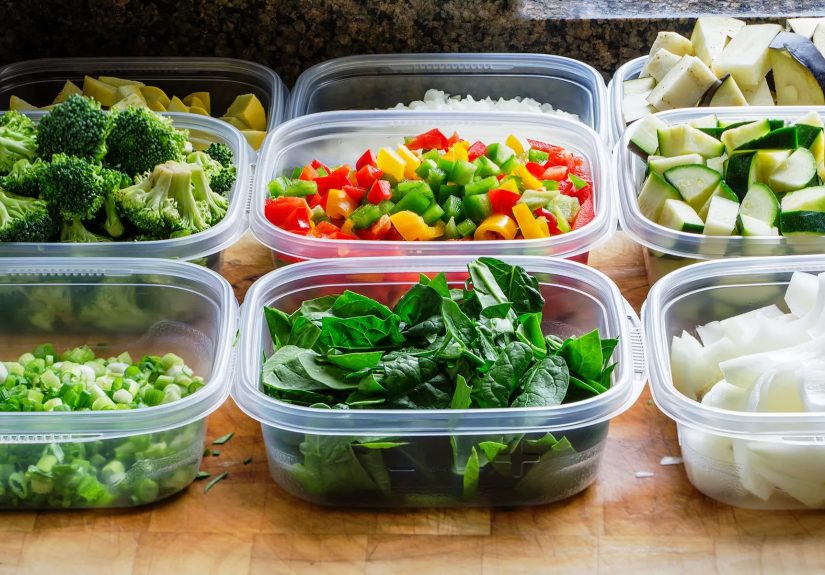
- Cleaner food habits: washing produce correctly, storing food safely, and keeping the fridge from becoming a science exhibit.
- Cleaner product choices: using products that are effective without being unnecessarily harsh.
- Cleaner systems: better storage, less clutter, and routines that prevent mess instead of waiting for it to become a personality trait.
At-a-Glance House Map for Cleaner Living
1. Entryway: Stop Dirt Before It Starts Paying Rent
Your front door is where outdoor mess officially applies for citizenship. A cleaner home often starts with one simple idea: do not let the outside world march all the way to your bedroom carpet.
Set up a small landing zone with a shoe tray, hooks, and a washable mat. Shoes track in dirt, allergens, and whatever mystery sludge the sidewalk was serving that day. A simple shoes-off habit cuts down on what gets spread through the house. Keep a basket for bags, reusable totes, dog leashes, and mail so your entryway does not become a paper avalanche.
This is also a good place for a quick wipe-down habit. Door handles, light switches, and cabinet pulls do not need to be attacked with disinfectant every 45 minutes, but they do benefit from regular cleaning. Cleaner living is often less about dramatic deep cleans and more about tiny systems that prevent buildup.
2. Kitchen: Clean Enough to Eat In, Not Sterilize the Moon
The kitchen is where cleaner living gets very practical. A clean-looking kitchen is nice. A safely cleaned kitchen is better.
Start with handwashing. Before preparing food, after handling raw meat, after touching the trash can, and after sneezing into the void, wash your hands well. Then move to surfaces. For most everyday kitchen messes, cleaning with soap or detergent and water is enough. Disinfecting has its place, but it should not be your default mood.
Produce deserves a special mention because people still do weird things to lettuce. Wash fruits and vegetables under running water, even if you plan to peel them. Do not use soap, detergent, or commercial produce wash. Your apple does not need a bubble bath.
Food storage matters just as much as surface cleaning. Leftovers should not live in the refrigerator long enough to learn your schedule. In general, cooked leftovers are best used within about four days. Raw poultry and ground meats usually need to be cooked or frozen within one to two days. Label containers if you have a household habit of saying, “I’m sure that pasta is still fine,” with the confidence of someone who has done no investigation.
Quick visual checklist for the kitchen:
- Wash hands before and during food prep.
- Clean counters daily with soap or detergent and water.
- Wash produce under running water only.
- Store raw meat separately from ready-to-eat foods.
- Date leftovers before they disappear into the fridge abyss.
3. Bathroom: Moisture Control Is the Real Main Character
Bathrooms fool people because shiny tile can still hide dampness, mold, and stale air. Cleaner living in the bathroom is less about owning seven miracle sprays and more about controlling moisture.
Run the exhaust fan during showers and for a while afterward. If your bathroom has no fan, opening a window helps when weather allows. Indoor humidity that stays too high encourages mold and mildew, which are not exactly charming houseguests. Fix leaks promptly, wipe standing water off counters or shower edges, and wash bath mats and towels often enough that they smell like fabric instead of regret.
If you find a small patch of mold, you may be able to handle it yourself if the affected area is limited. But the point is to solve the moisture source too. Cleaning mold while ignoring the leak is like brushing your hair in a wind tunnel and calling it self-care.
Keep products simple and well organized. A crowded bathroom cabinet turns daily routines into archaeological digs. Toss expired products, keep only what you use, and store cleaners safely away from children and pets.
4. Living Room and Bedroom: Cleaner Air Beats Fancy Decor
A room can look gorgeous and still have terrible indoor air. Cleaner living means paying attention to what you breathe, not just what matches the throw pillows.
Regular dusting helps, but damp dusting is often better than sending everything airborne with a dry cloth. Vacuum frequently, especially if you have pets, rugs, or allergies. A vacuum with a HEPA filter can help reduce indoor particles. Wash bedding regularly, reduce unnecessary clutter on surfaces, and keep airflow moving when possible.
Scented sprays, plug-ins, and heavily fragranced products may make a room smell “clean,” but smell and cleanliness are not the same thing. Sometimes the cleanest move is simply fresh air, less dust, and fewer products releasing extra chemicals into the room. If you use an air purifier, choose one sized appropriately for the room. If you live in an area where radon is a concern, test your home. Cleaner living is not just about what you can see.
Also, clutter matters here. Not because every shelf needs to look like a minimalist ad campaign, but because piles collect dust, steal surfaces, and make rooms harder to clean and harder to relax in. If you cannot use a chair because it is wearing three cardigans and holding two unopened packages, the chair has changed careers.
5. Laundry Room: Small Room, Big Chemical Drama
The laundry area is one of the easiest places to improve your cleaner-living routine. First, store detergent, stain removers, and pods in their original containers and keep them out of reach of children. Laundry packets are especially important to store safely because they are concentrated and can be dangerous if handled or swallowed.
Second, use only the amount of detergent your machine and load actually need. More soap does not always mean cleaner clothes. Sometimes it means residue, extra fragrance, and the vague feeling that your towels are trying too hard.
Third, think about ventilation and product choice. If strong scents give you headaches or irritate your skin, consider fragrance-free or lower-fragrance options. Products with the EPA’s Safer Choice label can be a smart shortcut when you want options designed to be safer for human health and the environment while still doing the actual job.
And yes, the classic warning still applies: never mix bleach with ammonia, vinegar, or other cleaners. That is not a clever cleaning hack. That is a chemistry plot twist.
6. Water and Filters: Buy Less Hype, More Certification
Cleaner living often inspires people to buy a water filter and then immediately trust a cardboard box more than a test result. Slow down. If you want to filter your water, start with your actual goal. Better taste? Lead reduction? PFAS reduction? Something else?
Look for independently certified filters and pay attention to what they are certified to reduce. Certification standards matter. A filter that improves taste may not be certified for the contaminants you are worried about. This is one of the easiest places to waste money on vibes instead of verified performance.
If you use a private well or have concerns about your water, testing is the smartest starting point. Cleaner living is not about buying every “wellness” gadget on the internet. It is about matching the right tool to the real need.
How to Read Labels Without Becoming a Full-Time Researcher
Labels can feel like they were written by a committee of lawyers and perfume poets. Keep it simple:
- Look for Safer Choice on household cleaning products when possible.
- Choose certified filters for the contaminants you want to reduce.
- Use disinfectants strategically, not as a personality.
- Be cautious with “fresh scent” claims, because fragrance is not proof of cleanliness.
- Follow instructions exactly, including dilution, ventilation, and contact time where relevant.
The Cleaner-Living Routine That Actually Works
The best cleaner-living routine is the one you can repeat without needing a motivational speech. Try this simple rhythm:
Daily
- Make beds and open curtains.
- Wipe kitchen counters and dining surfaces.
- Do a five-minute floor and clutter reset.
- Run the bathroom fan or open a window after showers.
- Deal with food spills before they become crusty little monuments.
Weekly
- Vacuum rugs and soft surfaces.
- Damp-dust hard surfaces.
- Wash sheets, towels, and cleaning cloths.
- Check leftovers and toss anything questionable.
- Clean the bathroom sink, toilet, and shower zones.
Monthly
- Wipe inside the fridge.
- Declutter one drawer, shelf, or cabinet.
- Check product supplies and safely store extras.
- Inspect for leaks, mold spots, or musty odors.
- Review filters, fans, and ventilation habits.
Common Mistakes That Make “Clean” Homes Less Healthy
One of the biggest mistakes is overcorrecting. People sometimes move toward cleaner living by buying more sprays, more scented products, more specialty gadgets, and more “detox” nonsense than their home ever needed. Cleaner living usually looks more like simplification than escalation.
Another common mistake is focusing only on visible mess. A sparkling countertop means very little if your bathroom is damp, your fridge is full of expired leftovers, your detergent pods are at toddler eye level, or your home air is stale and dusty. Visual cleanliness matters, but hidden systems matter more.
And then there is the clutter problem. Clutter is not just a style issue. It blocks surfaces from being cleaned, creates stress, and makes maintenance harder. The cleaner your systems become, the less often you need giant weekend cleanups that leave you sweaty, annoyed, and suddenly interested in moving to a hotel.
Everyday Experiences With Cleaner Living
One of the most interesting things about cleaner living is that the changes often feel small at first. Nobody flips a switch and turns into a perfect, breezy home guru with glass jars full of ethically sourced oats. What usually happens is quieter. Someone starts by opening the windows more often, storing shoes by the door, or switching from five cleaning products to two they actually understand. At first, the difference seems almost invisible. Then one day the house smells neutral instead of perfumed, the counters are easier to wipe, and the entire place feels calmer.
A lot of people notice the kitchen is where momentum begins. Once produce gets washed properly, leftovers get labeled, and the fridge stops housing mystery containers from three Tuesdays ago, the room starts working better. Cooking feels less chaotic. Grocery shopping becomes more efficient because you can see what you already have. That alone can make a household feel more in control. Cleaner living does not always announce itself with a dramatic before-and-after photo. Sometimes it shows up as a Tuesday dinner that does not involve digging through sticky shelves and whispering, “Should this yogurt be fuzzy?”
The bathroom tends to deliver another surprisingly satisfying win. Running the fan longer, washing towels more often, and clearing off crowded counters can make the room feel less humid, less cluttered, and more functional within a week or two. People often say that once they stop treating the bathroom like a storage unit for half-used products, their morning routine speeds up. They spend less time hunting for things, less time cleaning around things, and less time wondering why they own four nearly identical lotions.
Bedrooms also change in subtle but powerful ways. Cleaner bedding, less dust, and fewer unnecessary scented products often make the room feel fresher. Add a basic habit like putting clothes away instead of building “the chair pile,” and the room starts to feel more restful. It is not magic. It is friction reduction. When spaces are easier to use, people tend to take better care of them.
Families with children often describe cleaner living as a safety upgrade as much as a cleanliness upgrade. Moving detergents higher, locking up cleaners, and simplifying what stays under the sink can reduce a lot of stress. Instead of constantly saying “don’t touch that,” the environment becomes a little more forgiving. The same thing happens with clutter. Clearer floors and cleaner surfaces are not just prettier; they are easier to manage when daily life is loud, fast, and fully committed to making crumbs.
Another common experience is realizing that “clean smell” was never the goal. Plenty of people switch to less fragranced products and are surprised by how quickly they stop missing the heavy scents. The home smells more like fresh air, clean fabric, and dinner, which is honestly a better personality for a house anyway. Over time, cleaner living feels less like a project and more like a default setting. That is the sweet spot: not a home that looks untouched, but one that is easy to reset, comfortable to live in, and not secretly fighting against your health or your schedule.
Conclusion
A cleaner life is not built on perfection, expensive products, or all-day cleaning sessions. It is built on smarter habits: washing what needs washing, ventilating what needs fresh air, storing what needs to be safe, and letting go of what only adds clutter, fumes, or confusion. The best part is that cleaner living is visible. You can see it on a cleared countertop, in a fresher bathroom, in an organized fridge, and in a bedroom that feels restful instead of dusty and overstuffed.
If you want to make your home healthier, start small and stay consistent. One safer product. One cleaner shelf. One fan used properly. One routine that saves you 20 minutes every week. That is how cleaner living becomes real. Not in one giant transformation, but in a hundred tiny decisions that make home feel better every single day.