Table of Contents >> Show >> Hide
If the phrase diabetes meal plan makes you picture sad lettuce and a lifetime ban on flavor, good news: that myth can go straight into the compost bin. A smart 7-day diabetes meal plan is not about punishment. It is about building meals that help support steadier blood sugar, make portion sizes easier to manage, and still leave room for food that tastes like it was made by a human with standards.
The real magic is not one “perfect” breakfast or one saintly salad. It is the pattern. When meals are built with a consistent structure, plenty of non-starchy vegetables, quality carbohydrates, lean protein, fiber, and healthy fats, the week gets easier. Grocery shopping gets less chaotic. Snack attacks get less dramatic. And dinner stops feeling like a last-minute hostage negotiation with your refrigerator.
This guide walks through practical planning methods and then gives you a flexible 7-day diabetes meal plan you can actually use. It is designed as a general educational template for adults with diabetes or prediabetes, not a one-size-fits-all prescription. Medications, insulin use, activity level, kidney issues, pregnancy, and personal nutrition goals can all change what works best.
Why a 7-day diabetes meal plan works
A weekly plan helps turn healthy eating from a noble idea into a repeatable system. Instead of wondering what to eat every single day, you make a handful of decisions once and reuse them. That matters because consistency often helps more than perfection. A balanced breakfast on Tuesday is nice. A balanced breakfast most days of the week is where the real payoff shows up.
A good diabetes meal plan also reduces two common problems: meals that are too carb-heavy and meals that are too random. When lunch is a giant bagel one day, nothing the next day, and fries plus wishful thinking the day after that, blood sugar can feel like it is auditioning for an action movie. A steadier rhythm usually works better.
Planning methods that make diabetes meals easier
1. Use the plate method first
If counting every gram sounds exhausting, start with the plate method. It is one of the easiest diabetes meal planning tools because it gives you a visual structure without requiring math before coffee. Picture a 9-inch plate. Fill half with non-starchy vegetables, one-quarter with lean protein, and one-quarter with quality carbohydrate foods.
That means roasted broccoli, salad greens, peppers, mushrooms, green beans, cauliflower, zucchini, tomatoes, or carrots can take up the biggest share of the plate. Protein can come from chicken, fish, turkey, tofu, eggs, Greek yogurt, or beans. Carbohydrate foods can include brown rice, quinoa, beans, fruit, whole-grain bread, sweet potato, or yogurt. The goal is not to fear carbs. The goal is to choose them intentionally and keep portions sensible.
2. Think “carb awareness,” not carb panic
Carbohydrates affect blood sugar the most, so they deserve attention. That does not mean every carb is a villain in a tiny bread costume. Fruit, beans, whole grains, and dairy can all fit into a diabetes-friendly pattern. The trick is learning where carbs show up and how much you are eating at one time.
For many people, a meal plan works better when carb intake is reasonably consistent from meal to meal. That does not require robotic precision. It just means breakfast should not be almost no carbs one day and a pancake tower the next. If you use mealtime insulin, carb counting may be especially important. If you do not, the plate method may be enough to get started.
3. Make fiber your quiet overachiever
Fiber is the friend who helps with everything and never asks for applause. Higher-fiber foods can help meals feel more filling, support heart health, and generally fit better into blood-sugar-friendly eating than highly refined options. In practice, that means choosing oatmeal instead of sugary cereal, brown rice or quinoa instead of oversized white rice portions, berries instead of pastries, and beans more often than you think.
Vegetables, legumes, nuts, seeds, fruit, and whole grains are your best fiber players. Build around them regularly and your meals tend to become more balanced almost by accident. That is nutrition’s version of finding money in an old coat.
4. Pair carbs with protein and healthy fat
Meals made of carbs alone are often less satisfying and may hit blood sugar harder. Pairing carbohydrate foods with protein, fiber, and healthy fats usually creates a better-balanced meal. Apple slices with peanut butter beat apple slices alone. Oatmeal with walnuts and Greek yogurt is sturdier than oatmeal by itself. A baked potato with salmon and a giant side of vegetables behaves differently than a baked potato that arrived with only butter and hope.
5. Keep meal timing practical and regular
Meal timing matters more than many people expect. Skipping meals, delaying meals for long stretches, or grazing all day without structure can make diabetes management harder. Some medications, especially insulin or certain diabetes drugs, can also raise the risk of low blood sugar if meals are missed or delayed. A regular meal pattern usually makes the day easier to predict.
If you need snacks, make them intentional. A snack is a tool, not a second hobby. Good options include plain Greek yogurt with berries, a small apple with nuts, carrots with hummus, cottage cheese, or whole-grain crackers with tuna.
6. Use labels and beverages wisely
Packaged foods are not off-limits, but the Nutrition Facts label becomes your detective kit. Check serving size first, then total carbohydrates, fiber, added sugars, and sodium. A granola bar can look innocent until you realize the package contains two servings and more sugar than your breakfast should have on a Tuesday.
For drinks, water is the MVP. Unsweetened tea, sparkling water, and other low-calorie beverages can also work. Sugary drinks are one of the fastest ways to pile on carbohydrates without much fullness in return. Liquid sugar is efficient, unfortunately in the worst possible direction.
7-day diabetes meal plan
How to use this plan: Adjust portions to your calorie needs, hunger, medications, and activity level. Swap similar foods when needed. If you use insulin or have been told to follow a specific carb target, match these meals to your care plan.
Day 1
Breakfast: Plain oatmeal topped with blueberries, chia seeds, and a spoonful of peanut butter. Serve with a boiled egg.
Lunch: Grilled chicken salad with mixed greens, cucumbers, tomatoes, bell peppers, avocado, and a small whole-grain roll.
Dinner: Baked salmon, roasted Brussels sprouts, and a small serving of quinoa.
Optional snack: Greek yogurt with cinnamon.
Why it works: This day leans on fiber, lean protein, and steady portions of carbohydrates instead of giant carb swings.
Day 2
Breakfast: Veggie omelet with spinach, mushrooms, and tomatoes, plus one slice of whole-grain toast and half a grapefruit.
Lunch: Turkey and hummus wrap in a whole-wheat tortilla with lettuce and shredded carrots. Add a side of cucumber slices.
Dinner: Stir-fry with tofu, broccoli, snap peas, bell peppers, and a modest serving of brown rice.
Optional snack: A small apple with almonds.
Why it works: The carbs are present but not running the show. Vegetables do most of the heavy lifting.
Day 3
Breakfast: Plain Greek yogurt parfait with strawberries, walnuts, and a small sprinkle of high-fiber cereal.
Lunch: Lentil soup with a side salad and a slice of whole-grain bread.
Dinner: Grilled shrimp tacos on corn tortillas with cabbage slaw, salsa, and avocado. Serve with sautéed zucchini.
Optional snack: Celery with peanut butter.
Why it works: Beans, yogurt, and nuts help with fullness, while the tortillas stay in a reasonable lane.
Day 4
Breakfast: Cottage cheese bowl with sliced peaches, pumpkin seeds, and a side of whole-grain toast.
Lunch: Quinoa bowl with black beans, grilled chicken, romaine, pico de gallo, roasted peppers, and a spoonful of guacamole.
Dinner: Turkey meatballs, roasted green beans, and spaghetti squash with marinara.
Optional snack: Bell pepper strips with hummus.
Why it works: This day shows how you can keep familiar comfort-food flavors while shifting the balance toward vegetables and protein.
Day 5
Breakfast: Smoothie made with unsweetened milk or fortified soy milk, spinach, frozen berries, plain Greek yogurt, and flaxseed.
Lunch: Tuna salad stuffed into whole-grain pita with lettuce and tomato. Add a side of carrots.
Dinner: Lean beef or bean chili with a large side salad and a small serving of roasted sweet potato.
Optional snack: Cheese with a few whole-grain crackers.
Why it works: Sweet potato and beans bring carbohydrates, but the meal stays balanced because fiber and protein are along for the ride.
Day 6
Breakfast: Two scrambled eggs, sautéed kale, and half an English muffin with avocado.
Lunch: Brown rice bowl with edamame, cucumbers, shredded cabbage, baked salmon, and sesame-ginger dressing.
Dinner: Roasted chicken thigh, cauliflower mash, and mixed roasted vegetables.
Optional snack: Pear slices with walnuts.
Why it works: This day keeps refined carbs low and lets vegetables do what vegetables do best: make the plate bigger without making the carb count explode.
Day 7
Breakfast: Overnight oats made with rolled oats, chia seeds, unsweetened milk, cinnamon, and raspberries.
Lunch: Chickpea salad with cucumbers, tomatoes, parsley, feta, olive oil, and lemon, served with a small whole-grain cracker portion.
Dinner: Grilled cod, asparagus, and a baked small potato topped with plain Greek yogurt and chives.
Optional snack: A small orange and a handful of pistachios.
Why it works: It finishes the week with a Mediterranean-style feel: seafood, legumes, olive oil, vegetables, and practical carb portions.
Best ways to prep this plan without living in the kitchen
Batch-cook the basics
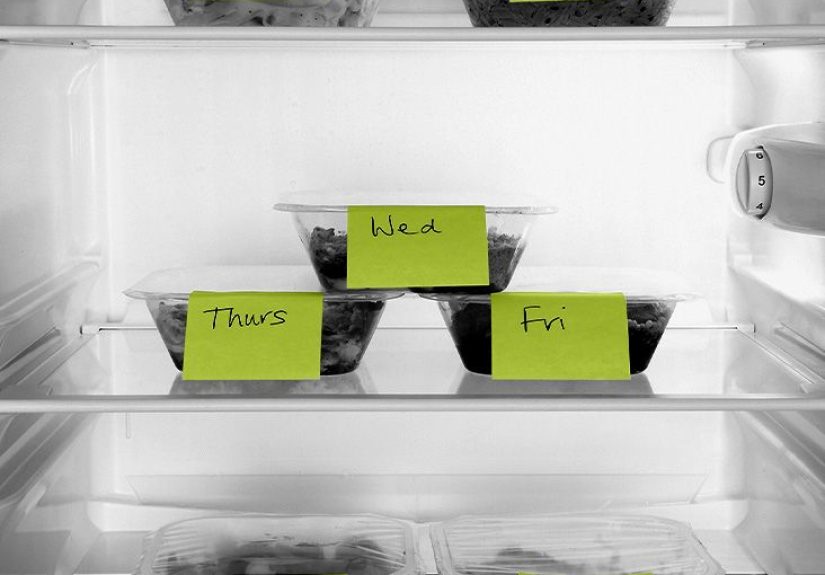
Cook proteins in advance, wash and chop vegetables, and prepare a grain or bean base for the week. A container of cooked quinoa, a tray of roasted vegetables, and a pack of grilled chicken can save multiple meals from becoming “cereal for dinner” situations.
Repeat successful meals
You do not need seven brand-new masterpieces. Repeating two breakfasts, two lunches, and three dinners is not boring. It is efficient. Restaurants call it a menu. You can call it sanity.
Build a smart grocery list
Focus on non-starchy vegetables, lean proteins, high-fiber carbs, healthy fats, and easy snacks. A simple weekly list might include leafy greens, broccoli, peppers, cucumbers, berries, apples, Greek yogurt, eggs, chicken, fish, tofu, beans, oats, brown rice, quinoa, nuts, seeds, olive oil, and hummus.
Plan for real life, not fantasy life
If you know Wednesday is chaos, make that a leftovers night. If you hate kale, do not buy kale because the internet gave you a stern look. If mornings are rushed, choose two grab-and-go breakfasts and rotate them. A meal plan only works when it respects your actual schedule, your budget, and your taste buds.
Common mistakes to avoid
One mistake is treating “healthy” as permission to ignore portions. Brown rice is great, but three cups of it can still bulldoze your blood sugar goals. Another is cutting carbs so aggressively that meals become unsatisfying and the afternoon turns into a snack ambush. Another classic move is drinking your carbohydrates through juice, sweet coffee drinks, soda, or “healthy” smoothies the size of a flower vase.
Also, do not ignore low blood sugar risk if you take insulin or certain medications. If your care team has told you that you are at risk for lows, keep a quick source of carbohydrate nearby and know your treatment plan.
Real-life experiences with a 7-day diabetes meal plan
One of the most common experiences people have when they start a structured diabetes meal plan is surprise. Not because the food tastes bad, but because it usually tastes better than expected. Many people begin with the assumption that blood-sugar-friendly eating means dry chicken, naked vegetables, and a personality-free existence. Then they discover roasted salmon with lemon, chili with beans, yogurt bowls with berries, taco-style bowls, and hearty soups, and suddenly the plan looks less like a punishment and more like a grown-up strategy.
Another common experience is that the first few days feel less about nutrition and more about logistics. You realize very quickly whether your kitchen is set up for success. Do you have containers for leftovers? Do you have protein thawed when you need it? Did you buy vegetables that are ready to eat, or vegetables that require the energy of a weekend cooking show? A lot of people find that once prep gets easier, blood-sugar-friendly eating gets easier too. The food was never the whole problem. The planning was.
People also notice how much breakfast sets the tone for the day. Starting with a balanced meal often means less hunger, fewer cravings, and less random scavenging by midmorning. On the flip side, starting with a sugary pastry and a giant flavored coffee can create an entire day of chasing energy and hunger. It is not about moral virtue. It is just cause and effect, with a side of cinnamon.
Many adults say they feel better when the plan includes foods they already enjoy in smarter portions rather than forcing a total food identity crisis. A person who loves tacos does better with grilled fish tacos on corn tortillas plus slaw than with a lecture about never eating tacos again. Someone who likes pasta may do fine with a smaller serving paired with turkey meatballs and a mountain of vegetables. Real progress usually comes from adapting favorite meals, not erasing them.
There is also the restaurant factor. A lot of people learn that a weekly meal plan helps even when they eat out because it teaches them how to build a plate anywhere. They start looking for grilled protein, vegetables, beans, salad, broth-based soups, smarter sides, and beverages without added sugar. They do not need a perfect menu. They just need a decent decision.
Finally, one of the biggest experiences people describe is mental relief. Once meals stop being improvised every day, there is less decision fatigue. Less guessing. Less “what should I eat now?” panic at 6:47 p.m. The week feels calmer. That may sound small, but it matters. A diabetes meal plan is not just about nutrients. It is about creating a routine you can repeat long enough for it to become normal. And when healthy eating starts to feel normal instead of dramatic, that is usually when it starts to stick.
Final thoughts
A strong 7-day diabetes meal plan does not require trendy powders, impossible rules, or a degree in spreadsheet engineering. It needs structure, balanced meals, realistic prep, and enough flexibility to survive real life. Start with the plate method, pay attention to carbohydrates, choose high-fiber foods often, keep beverages simple, and build a weekly routine you can live with. That is how meal planning becomes less of a project and more of a system.
Important: This article is general education, not personal medical advice. Anyone using insulin, taking glucose-lowering medications, managing kidney disease, or planning meals during pregnancy should personalize meal choices with a clinician or registered dietitian.