Table of Contents >> Show >> Hide
- Why eggs can fit into a healthy diet
- Recipe 1: Veggie-Loaded Egg Muffins (Meal-Prep Superstars)
- Recipe 2: Mediterranean Shakshuka (Eggs Poached in Tomato-Pepper Sauce)
- Recipe 3: Avocado & Jammy Egg Toast (With a Crunchy Veg Side)
- Recipe 4: Spinach & Feta Egg-White Omelet (That Doesn’t Taste “Diet”)
- Recipe 5: Broccoli, White Bean & Cheese Crustless Quiche
- Recipe 6: Greek Yogurt Egg Salad (No Mayo Hangover)
- Recipe 7: Sweet Potato Hash with Poached Eggs
- Recipe 8: Egg Drop Soup with Ginger, Mushrooms & Greens
- Recipe 9: Smoked Salmon Breakfast Bowl (Eggs + Greens + Whole Grains)
- Quick safety + storage notes (because nobody wants “egg regret”)
- Extra: Real-World Experiences (Common “What It’s Like” Notes)
- Conclusion: Your egg era can be healthy (and actually tasty)
Eggs are the MVP of fast, satisfying meals: they cook quickly, play nicely with almost every cuisine, and can turn a random fridge situation
(two sad scallions and a lone zucchini) into something you’d actually brag about. But “egg recipe” can also mean a cheese avalanche or a fried
situation that leaves your kitchen smelling like a diner for three business days.
This guide keeps the fun parts (flavor, comfort, convenience) and upgrades the health parts (more veggies, smarter fats, steadier energy).
You’ll get nine egg-forward recipes you can rotate through breakfast, lunch, and dinnerplus real-world cooking notes at the end so you can
avoid the common “why is my omelet angry?” problems.
Why eggs can fit into a healthy diet
Eggs bring high-quality protein and key nutrients like choline (a nutrient involved in brain and nerve function) in a compact package.
The big “egg debate” is usually about cholesterol, and the modern takeaway from major health sources is: for most healthy people, eggs can
fit into a heart-healthy patternespecially when your overall diet is rich in plants and low in saturated fat.
The “healthy egg recipe” checklist
- Choose gentle cooking methods: poach, soft-scramble, bake, steam, or simmer instead of deep-frying.
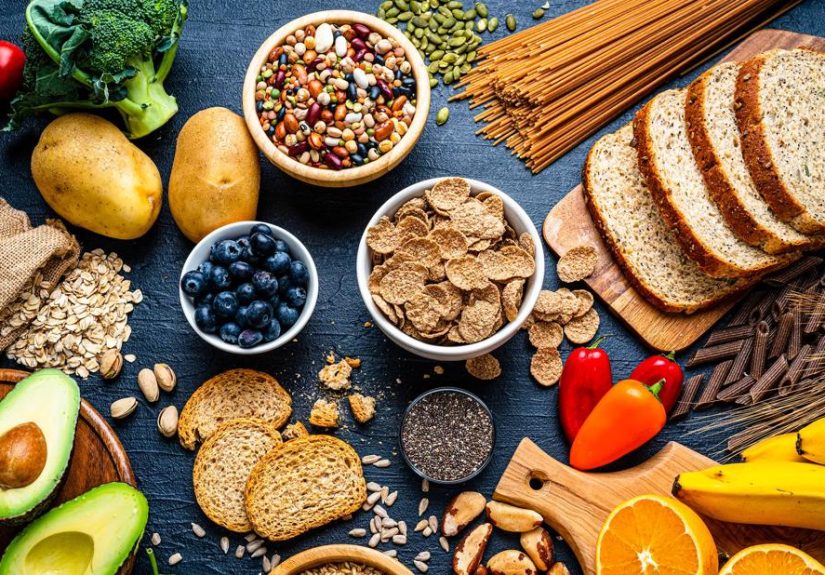
- Add plants like it’s your job: vegetables, beans, and greens boost fiber, volume, and micronutrients.
- Watch saturated fat and sodium: go easy on heavy cheese, processed meats, and salty sauces.
- Build a balanced plate: pair eggs with whole grains, fruit, legumes, or veggies for longer-lasting energy.
- Food safety matters: cook egg dishes thoroughly and refrigerate leftovers promptly.
Recipe 1: Veggie-Loaded Egg Muffins (Meal-Prep Superstars)
These are like portable mini frittatas. They’re perfect for busy mornings, post-workout snacks, or the moment you realize you forgot to eat lunch
but your body is now filing a formal complaint.
Why it’s healthy
You get protein plus a big vegetable boost. Baking minimizes added fat, and portion control is built in (unless you eat six, which… no judgment,
just facts).
Ingredients (makes 10–12)
- 8 large eggs
- 1 cup chopped spinach (fresh or thawed frozen, squeezed dry)
- 1 cup diced bell pepper
- 1 cup chopped mushrooms
- 1/2 cup diced onion
- 1/2 cup crumbled feta or shredded part-skim mozzarella (optional)
- 1/2 tsp garlic powder, 1/2 tsp black pepper
- Pinch of salt (or skip if your cheese is salty)
- Optional: 1/2 tsp smoked paprika or Italian seasoning
Steps
- Heat oven to 350°F. Grease a muffin tin well (or use silicone liners).
- Divide veggies (and cheese, if using) among cups.
- Whisk eggs with spices. Pour into cups until about 3/4 full.
- Bake 18–22 minutes, until set in the center.
- Cool 10 minutes, then remove. Store in the fridge up to 4 days or freeze up to 2 months.
Healthy upgrades
- Use half whole eggs, half egg whites if you want lighter fat and a fluffier bite.
- Add fiber with a spoonful of black beans or chopped broccoli.
- For extra protein, whisk in 1/4 cup low-fat cottage cheese (it melts in and tastes like… nothing, in a good way).
Recipe 2: Mediterranean Shakshuka (Eggs Poached in Tomato-Pepper Sauce)
Shakshuka is the recipe that makes you feel like you own a charming little caféeven if you’re cooking in sweatpants and your “background music”
is the sound of your neighbor’s leaf blower.
Why it’s healthy
The sauce is loaded with vegetables and antioxidants, and the eggs poach gently right in the pan. Pair with whole-grain bread or chickpeas for a
fiber + protein combo that keeps you full.
Ingredients (serves 2–3)
- 1 tbsp olive oil
- 1 small onion, diced
- 1 bell pepper, diced
- 3 cloves garlic, minced
- 1 tsp cumin, 1 tsp smoked paprika
- 1 can (14–15 oz) crushed tomatoes
- Optional: 1–2 cups fresh spinach
- 4–6 eggs
- Salt and pepper to taste
- Top with: chopped parsley/cilantro, a spoon of plain Greek yogurt, or a sprinkle of feta
Steps
- Sauté onion and pepper in olive oil for 6–8 minutes until softened.
- Add garlic and spices; stir 30 seconds.
- Pour in tomatoes, simmer 8–10 minutes to thicken. Stir in spinach if using.
- Make small wells; crack eggs into wells. Cover and cook 5–8 minutes until whites set.
- Serve with whole-grain toast, a side salad, or chickpeas stirred into the sauce.
Healthy upgrades
- Boost fiber: add a cup of canned chickpeas (rinsed) to the sauce.
- Control heat and sodium: use spices and herbs before reaching for extra salt.
Recipe 3: Avocado & Jammy Egg Toast (With a Crunchy Veg Side)
It’s trendy for a reason: creamy avocado + rich egg = instant satisfaction. The trick is making it feel like a real meal (not just a cute snack
that disappears in four bites).
Why it’s healthy
You get protein from eggs, healthy fats from avocado, and steady carbs from whole-grain bread. Add a crunchy veggie side and you’ve got balance.
Ingredients (serves 1)
- 1–2 slices whole-grain bread, toasted
- 1 ripe avocado
- 1–2 eggs
- Lemon juice, black pepper, chili flakes
- Optional toppings: sliced tomato, radish, microgreens, everything seasoning
- Quick veg side: cucumbers + carrots tossed with vinegar and a pinch of salt
Steps
- Cook eggs “jammy”: simmer 7 minutes, then ice-bath and peel.
- Mash avocado with lemon, pepper, and chili flakes.
- Spread on toast, top with sliced jammy egg and any extras.
- Serve with the quick veggie side for crunch and volume.
Healthy upgrades
- Need more protein? Add smoked salmon, sliced turkey, or a spoon of cottage cheese on the toast.
- Lower calories: use one egg + extra veggies instead of two eggs.
Recipe 4: Spinach & Feta Egg-White Omelet (That Doesn’t Taste “Diet”)
Egg whites get a reputation for being sad. Let’s fix that with flavor: herbs, sautéed veggies, and just enough feta to make your taste buds
send thank-you notes.
Why it’s healthy
Egg whites are high-protein and low in saturated fat. Spinach adds iron and folate; feta brings punchy flavor so you don’t need much.
Ingredients (serves 1)
- 1 tsp olive oil (or nonstick spray)
- 1 cup spinach
- 1/4 cup diced tomatoes
- 3/4 cup egg whites (or whites from 4 eggs)
- 2 tbsp crumbled feta
- Black pepper, oregano
Steps
- Sauté spinach and tomatoes in a nonstick pan until spinach wilts.
- Pour in egg whites, season, and cook gently over medium-low.
- When mostly set, add feta, fold, and cook 30–60 seconds more.
- Serve with fruit or a slice of whole-grain toast.
Healthy upgrades
- Add mushrooms or peppers for more volume.
- Want the nutrients in the yolk too? Use 1 whole egg + whites.
Recipe 5: Broccoli, White Bean & Cheese Crustless Quiche
Quiche energy without the butter-heavy crust. This is dinner that also makes tomorrow’s lunch feel like you have your life together.
Why it’s healthy
Beans add fiber and extra protein. Skipping crust lowers refined carbs and saturated fat. Broccoli brings bulk, micronutrients, and a good excuse
to say, “Yes, I ate vegetables today.”
Ingredients (serves 6)
- 6 large eggs
- 1 can (15 oz) white beans, rinsed and drained
- 2 cups broccoli florets, chopped small (lightly steamed or microwaved)
- 1 cup milk of choice (2% or unsweetened soy work well)
- 3/4 cup shredded part-skim mozzarella or Swiss
- 1 tsp Dijon mustard
- Salt, pepper, and a pinch of nutmeg (optional but fancy)
Steps
- Heat oven to 375°F. Grease a pie dish.
- Whisk eggs, milk, Dijon, spices. Fold in beans, broccoli, and cheese.
- Pour into dish and bake 30–40 minutes until set and lightly golden.
- Rest 10 minutes before slicing.
Healthy upgrades
- Increase veggies: add sautéed onions, mushrooms, or chopped kale.
- Lower sodium: choose low-sodium beans and go lighter on cheese.
Recipe 6: Greek Yogurt Egg Salad (No Mayo Hangover)
Classic egg salad can be delicious and… also a mayonnaise delivery system. This version uses Greek yogurt for creaminess, plus crunch and herbs
so it tastes bright, not bland.
Why it’s healthy
Greek yogurt adds protein and tang. You control saturated fat, and adding celery/onion/greens boosts volume and micronutrients.
Ingredients (makes 2–3 servings)
- 6 hard-boiled eggs, chopped
- 1/3 cup plain Greek yogurt
- 1 tsp Dijon mustard
- 2 tbsp diced celery
- 2 tbsp diced red onion (or scallions)
- 1 tbsp chopped dill or parsley
- Salt and pepper to taste
- Optional: paprika, lemon zest, chopped pickles
Steps
- Mix yogurt, Dijon, herbs, and seasonings.
- Fold in eggs, celery, and onion. Taste and adjust.
- Serve on whole-grain bread, in a lettuce wrap, or over a salad.
Healthy upgrades
- Boost fiber: stir in a spoon of mashed chickpeas.
- Lower calories: use 4 whole eggs + 2 extra whites.
Recipe 7: Sweet Potato Hash with Poached Eggs
This is brunch vibes without the “I just drank syrup” crash. Sweet potatoes bring natural sweetness and slow-digesting carbs; poached eggs bring
protein and richness.
Why it’s healthy
It’s veggie-forward, uses minimal oil, and balances carbs + protein + healthy fats. Also, it’s wildly photogenic if you care about that.
Ingredients (serves 2)
- 1 large sweet potato, diced small
- 1 tbsp olive oil
- 1/2 onion, diced
- 1 bell pepper, diced
- 2 cups kale or spinach
- 2–4 eggs
- Spices: smoked paprika, cumin, pepper
- Optional: black beans, salsa, sliced avocado
Steps
- Sauté sweet potato in olive oil over medium heat, covered, 10–12 minutes, stirring occasionally.
- Add onion and pepper; cook 5 minutes more.
- Stir in kale/spinach until wilted. Season well.
- Poach eggs (or fry in a nonstick pan with minimal oil). Top hash with eggs.
Healthy upgrades
- Add beans for fiber and extra protein.
- Keep it lower-sodium by using fresh salsa and spices instead of salty sauces.
Recipe 8: Egg Drop Soup with Ginger, Mushrooms & Greens
If you’ve never made egg drop soup at home, prepare to feel powerful. It’s fast, soothing, and makes “I don’t know what to cook” disappear in
about 12 minutes.
Why it’s healthy
It’s light yet satisfying, packed with veggies, and easy to keep lower in calories. The main watch-out is sodiumso you control the broth.
Ingredients (serves 2–3)
- 4 cups low-sodium chicken or vegetable broth
- 1 tsp grated fresh ginger
- 2 cups sliced mushrooms
- 2 cups baby spinach or bok choy
- 2 eggs, beaten
- 1 tbsp cornstarch mixed with 2 tbsp water (optional, for silky thickness)
- 1 tsp toasted sesame oil (optional but delicious)
- Scallions and black pepper to finish
Steps
- Bring broth, ginger, and mushrooms to a simmer for 5 minutes.
- Add greens until wilted. If using, stir in cornstarch slurry to lightly thicken.
- Reduce heat to low. Slowly drizzle in beaten eggs while stirring in one direction to make ribbons.
- Finish with sesame oil, scallions, and pepper.
Healthy upgrades
- Add protein: tofu cubes, shredded chicken, or edamame.
- Add carbs: cooked brown rice or soba for a heartier meal.
Recipe 9: Smoked Salmon Breakfast Bowl (Eggs + Greens + Whole Grains)
This is the “I’m treating myself” bowl that still counts as a balanced meal. It’s savory, satisfying, and perfect after a workout or on a slow
weekend morning.
Why it’s healthy
You get protein from eggs and salmon, omega-3 fats from salmon, fiber from greens and whole grains, and a flavor punch from lemon and herbs.
Smoked salmon can be salty, so you don’t need much.
Ingredients (serves 1–2)
- 1/2 cup cooked quinoa or farro (or brown rice)
- 2 eggs (soft-boiled, poached, or scrambled)
- 1–2 cups arugula or spinach
- 2–3 oz smoked salmon
- 1 tbsp plain Greek yogurt or cottage cheese
- Lemon juice, black pepper, dill
- Optional: sliced cucumber, capers, cherry tomatoes
Steps
- Warm the cooked grain in a bowl. Add greens on top.
- Add eggs and smoked salmon.
- Stir yogurt with lemon, dill, and pepper; drizzle as a quick sauce.
- Finish with cucumbers/tomatoes for crunch.
Healthy upgrades
- Lower sodium: use cooked salmon or canned salmon (rinsed) instead of smoked.
- Add fiber: toss in leftover roasted veggies or a handful of beans.
Quick safety + storage notes (because nobody wants “egg regret”)
- Cook eggs thoroughly: egg dishes should reach 160°F; scrambled eggs shouldn’t be runny.
- Refrigerate promptly: don’t leave cooked egg dishes hanging out at room temp for long.
- Use pasteurized eggs if you’re making something that stays undercooked or uses raw egg.
Extra: Real-World Experiences (Common “What It’s Like” Notes)
If you’ve ever followed a recipe perfectly and still ended up with eggs that feel… emotionally distant, you’re not alone. Healthy egg cooking is
less about culinary wizardry and more about small, repeatable habits. Here are the most common experiences people report when they start rotating
egg-based meals more oftenand how to turn each one into a win.
1) “My eggs taste bland when I cut back on cheese.”
Totally normal. Cheese is a shortcut for salt and richness. The fix isn’t to give upit’s to build flavor in other places: sauté onions and
peppers until sweet, use smoked paprika or cumin, add fresh herbs at the end, and brighten everything with lemon or vinegar. In the Greek yogurt
egg salad, for example, dill + Dijon does a lot of heavy lifting without needing a mayo flood.
2) “Meal prep egg muffins get watery or rubbery.”
This is the #1 egg-muffin complaint. It’s usually moisture from vegetables. If you use spinach, mushrooms, or zucchini, cook them first or at
least squeeze out extra water (frozen spinach is notorious). Also: reheat gently. A quick blast in the microwave can turn muffins into tiny
protein erasers. Try 20–30 seconds, then rest, then another 10 seconds if needed.
3) “I’m hungry again an hour later.”
Eggs alone can be surprisingly snacky. The fix is pairing: add fiber and slow carbs. That’s why the toast recipe includes a crunchy veggie side,
why shakshuka suggests chickpeas, and why the salmon bowl includes whole grains. If you want steady energy, think: eggs + plants + something with
chew (whole grains, beans, potatoes, or fruit).
4) “Poached eggs stress me out.”
Fair. Poaching can feel like an Olympic sport. The secret is lowering the difficulty: simmer (don’t boil), add a splash of vinegar, and use fresh
eggs when you can. But alsogive yourself permission to switch methods. A soft-boiled egg on sweet potato hash is still fabulous, and scrambled
eggs on shakshuka sauce are still shakshuka-adjacent happiness.
5) “Healthy swaps don’t feel satisfying.”
Satisfaction is a legitimate nutrition goal. If you remove fat, salt, and carbs all at once, meals can feel like punishment. Instead, swap one
thing at a time: keep a little feta, but add more veggies; use olive oil, but measure it; choose whole-grain bread, but toast it for crunch.
Healthy eating works best when it feels like an upgrade, not a downgrade.
6) “I keep making the same eggs and getting bored.”
Rotate formats: muffins one day, soup the next, a skillet or bowl after that. Change the “flavor lane” with herbs and spicesMexican-style hash
with salsa one day, Mediterranean shakshuka another, and gingered egg drop soup when you want comfort. Same ingredient, totally different mood.
Conclusion: Your egg era can be healthy (and actually tasty)
The healthiest egg recipes aren’t about making eggs “perfect.” They’re about building a plate that supports your day: protein for staying power,
vegetables for volume and micronutrients, and smart fats for satisfaction. Start with two or three favorites here, then mix and match ingredients
based on what you already have. Your fridge will look less like a mystery box, and your meals will feel more like a plan.