Table of Contents >> Show >> Hide
- What Is a Cossack Squat?
- Muscles Worked by the Cossack Squat
- 10 Benefits of the Cossack Squat
- 1. Improves Hip Mobility
- 2. Builds Inner Thigh Strength and Flexibility
- 3. Develops Single-Leg Strength
- 4. Enhances Ankle Mobility
- 5. Trains Lateral Movement
- 6. Improves Balance and Coordination
- 7. Strengthens the Glutes and Quads
- 8. Helps Improve Deep Squat Comfort
- 9. Works Well as a Warm-Up or Accessory Exercise
- 10. Requires Minimal Equipment
- How to Do a Cossack Squat With Proper Form
- Essential Cossack Squat Form Tips
- Common Cossack Squat Mistakes
- Cossack Squat Variations
- How to Add Weight Safely
- Where to Put Cossack Squats in Your Workout
- Who Should Be Careful With Cossack Squats?
- Sample Cossack Squat Workouts
- Experience Notes: What Training the Cossack Squat Actually Feels Like
- Conclusion
The Cossack squat looks simple until you try it. Then suddenly your hips start negotiating, your ankles send a strongly worded email, and your inner thighs wonder why they were not consulted. But once you learn it properly, the Cossack squat becomes one of the most useful lower-body exercises for building strength, mobility, balance, and better side-to-side control.
Unlike a regular squat, which moves mostly up and down, the Cossack squat moves laterally. You shift your weight into one leg while the other leg stays extended to the side. The working leg bends deeply, the chest stays lifted, and the straight leg gives your adductors, hamstrings, hips, and ankles a meaningful mobility challenge.
This guide breaks down what the Cossack squat is, the muscles it works, 10 key benefits, proper form tips, common mistakes, beginner-friendly variations, weighted options, programming ideas, and real-world training experiences to help you use this move safely and effectively.
What Is a Cossack Squat?
A Cossack squat is a deep lateral squat variation. You begin with a wide stance, shift your body weight toward one leg, bend that knee, and sink your hips down while the opposite leg stays long. At the bottom, the working foot usually stays flat, while the toes of the straight leg may point upward depending on your mobility and chosen variation.
Think of it as the more flexible cousin of the side lunge. A side lunge usually has a shorter range of motion and is easier to load. The Cossack squat goes deeper, demands more hip and ankle mobility, and asks your body to control strength through a wider range. In plain English: the side lunge knocks politely; the Cossack squat kicks open the mobility door wearing boots.
Muscles Worked by the Cossack Squat
The Cossack squat is mainly a lower-body exercise, but it also challenges the core and postural muscles. The primary muscles include the quadriceps, glutes, hamstrings, hip adductors, calves, and deep hip stabilizers. Your core works to keep your torso upright and prevent you from folding forward like a lawn chair in a windstorm.
The adductors, located along the inner thighs, receive special attention because the extended leg is placed under a deep stretch while the working leg produces force. This makes the Cossack squat especially useful for people who want stronger hips, better lateral movement, and improved control in deep squat positions.
10 Benefits of the Cossack Squat
1. Improves Hip Mobility
The Cossack squat trains the hips through a wide, deep range of motion. This can help you move more comfortably in squats, lunges, athletic positions, and everyday tasks such as bending, reaching, and getting low to the ground.
2. Builds Inner Thigh Strength and Flexibility
Because one leg stays extended while the other supports your body weight, the adductors get both loaded and stretched. That combination can improve strength and flexibility better than passive stretching alone.
3. Develops Single-Leg Strength
The working side does most of the heavy lifting. This makes the Cossack squat a sneaky unilateral exercise, meaning it trains one side at a time. It can expose strength differences between legs and help you build more balanced lower-body power.
4. Enhances Ankle Mobility
A good Cossack squat requires the working ankle to bend deeply while the heel stays grounded. Over time, controlled practice may help improve ankle dorsiflexion, which is useful for squats, lunges, running mechanics, and general movement quality.
5. Trains Lateral Movement
Most workouts are full of forward-and-backward movement. The Cossack squat trains the frontal plane, which means side-to-side movement. This is valuable for sports, hiking, dancing, martial arts, and any activity where life refuses to move in a perfectly straight line.
6. Improves Balance and Coordination
Lowering into one side while keeping the other leg extended requires balance, body awareness, and timing. You learn where your hips, knees, ankles, and torso are in space, which is helpful for both athletic performance and injury-resistant movement.
7. Strengthens the Glutes and Quads
The bent leg performs a deep squat pattern, so the quadriceps and glutes work hard to control the descent and drive you back up. The deeper you go with good form, the more demanding the movement becomes.
8. Helps Improve Deep Squat Comfort
If your regular squat feels stiff, the Cossack squat can help by improving hip opening, ankle mobility, and positional control. It is not magic, but it is a very useful tool in the mobility toolbox.
9. Works Well as a Warm-Up or Accessory Exercise
Bodyweight Cossack squats can prepare the hips, knees, ankles, and inner thighs before leg day. Weighted versions can also be used later in a workout as an accessory movement for strength and control.
10. Requires Minimal Equipment
You can do Cossack squats with no equipment, a chair for support, a dumbbell, a kettlebell, or even a barbell once you are advanced. That makes them useful at home, in the gym, or while traveling.
How to Do a Cossack Squat With Proper Form
- Start wide: Stand with your feet wider than shoulder-width apart. Turn your toes slightly outward.
- Brace your core: Keep your chest tall, ribs controlled, and spine neutral.
- Shift to one side: Move your hips toward your right leg while keeping your right foot flat.
- Sit down with control: Bend your right knee and lower your hips as far as you can without pain or loss of position.
- Keep the other leg long: Your left leg stays extended. The left heel may stay down, or the toes may rotate upward depending on your variation.
- Drive back up: Push through the working foot, extend the knee and hip, and return to the starting position.
- Repeat on the other side: Move slowly and match the same range of motion on both legs.
Essential Cossack Squat Form Tips
Keep Your Working Foot Flat
The heel of the bent leg should stay grounded. If it pops up, reduce your depth, elevate the heel slightly, or use support until your ankle mobility improves.
Let the Knee Track With the Toes
Your knee should follow the direction of your foot. Avoid letting it collapse inward. A controlled knee path helps keep the movement efficient and comfortable.
Stay Tall Through the Chest
A forward lean is normal, but your spine should not round aggressively. Imagine showing the logo on your shirt to the wall in front of you.
Control the Bottom Position
Do not dive into the deepest position just because the internet made it look cool. Depth is earned. Move only as low as you can while staying strong and pain-free.
Use Your Hands for Balance
Beginners can extend their arms forward or hold a light counterbalance. There is no prize for wobbling dramatically unless your gym has a “baby giraffe award.”
Common Cossack Squat Mistakes
Going Too Deep Too Soon
The Cossack squat can expose tight hips, limited ankle mobility, or weak quads very quickly. Start with a partial range of motion and build gradually.
Rounding the Lower Back
If your pelvis tucks under hard at the bottom, reduce depth. A neutral, controlled spine is more important than forcing your hips closer to the floor.
Letting the Working Heel Lift
A lifting heel often means your ankle is not ready for that depth. Try an assisted version or place a small wedge under the heel temporarily.
Relaxing the Straight Leg
The extended leg should stay active. Keep the knee straight but not aggressively locked, and maintain tension through the inner thigh and hamstring.
Adding Weight Before Owning the Pattern
Weighted Cossack squats are excellent, but only after you can control the bodyweight version. Strength built on sloppy movement is like building a fancy house on pudding.
Cossack Squat Variations
Assisted Cossack Squat
Hold a door frame, squat rack, suspension trainer, or sturdy support. This reduces balance demands and lets you focus on hip and ankle position.
Partial Range Cossack Squat
Only descend halfway or to a depth you can control. This is ideal for beginners or anyone working through stiffness.
Heel-Elevated Cossack Squat
Place a small wedge or weight plate under the working heel. This reduces ankle mobility demands and can help you practice the pattern more comfortably.
Alternating Cossack Squat
Move from side to side in a smooth rhythm. This version works well in warm-ups and mobility flows.
Goblet Cossack Squat
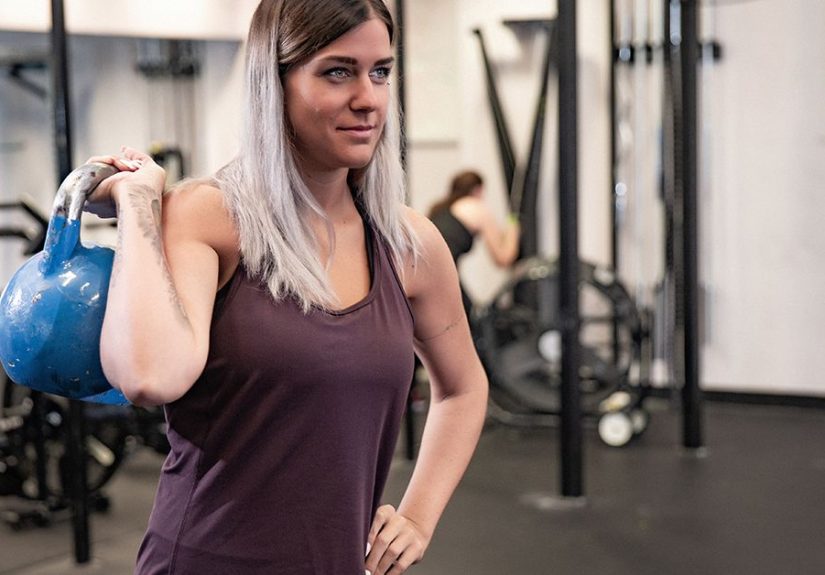
Hold a dumbbell or kettlebell at chest height. The weight acts as a counterbalance and can sometimes make the movement feel easier, even though your legs still have to work.
Dumbbell Cossack Squat
Hold one dumbbell in front of your chest or at your side. This increases strength demands while keeping the setup simple.
Kettlebell Cossack Squat
A kettlebell works especially well in the goblet position. Keep it close to your body and avoid letting it pull your torso forward.
Front-Rack Cossack Squat
Hold one or two kettlebells in the front-rack position. This version challenges your core and upper back more than the goblet variation.
Barbell Cossack Squat
This is an advanced option. A barbell can be placed in a back-rack or front-rack position, but only experienced lifters with excellent mobility and control should use it.
How to Add Weight Safely
Before adding weight, make sure you can perform smooth bodyweight Cossack squats on both sides without pain, collapsing knees, or losing balance. Once the movement feels controlled, start with a light dumbbell or kettlebell held at chest height.
A good beginner loading strategy is 2 to 3 sets of 5 to 8 reps per side. Use a slow tempo, pause briefly at the bottom, and focus on quality. For strength, advanced lifters may use heavier loads for 3 to 6 reps per side, but the Cossack squat should rarely become an ego lift. The goal is strong control, not starring in a gym blooper reel.
Where to Put Cossack Squats in Your Workout
For mobility, use bodyweight Cossack squats near the beginning of your workout after a general warm-up. Try 1 to 2 sets of 5 slow reps per side. For strength, place weighted Cossack squats after your main lower-body lift, such as squats, deadlifts, or lunges.
You can train Cossack squats 2 to 3 times per week, depending on your recovery and goals. If your inner thighs feel extremely sore, give them time. The adductors are loyal workers, but they do not enjoy being ambushed.
Who Should Be Careful With Cossack Squats?
The Cossack squat may not be ideal for everyone right away. If you have current hip, knee, ankle, groin, or lower-back pain, work with a qualified trainer, physical therapist, or healthcare professional before using deep variations. Stop if you feel sharp pain, pinching, numbness, or discomfort that does not feel like normal muscular effort.
Beginners should treat the movement like skill practice. Use support, reduce depth, and progress slowly. The best Cossack squat is not the deepest one; it is the one you can repeat with control, comfort, and confidence.
Sample Cossack Squat Workouts
Beginner Mobility Session
- Assisted Cossack squat: 2 sets of 5 reps per side
- Pause in comfortable depth: 2 seconds per rep
- Rest as needed
Lower-Body Strength Accessory
- Goblet Cossack squat: 3 sets of 6 reps per side
- Tempo: 3 seconds down, 1-second pause, controlled stand
- Rest 60 to 90 seconds between sets
Athletic Movement Warm-Up
- Alternating Cossack squat: 1 to 2 sets of 8 total reps
- Lateral lunges: 1 set of 8 reps per side
- Bodyweight squats: 1 set of 10 reps
Experience Notes: What Training the Cossack Squat Actually Feels Like
The first experience many people have with the Cossack squat is humbling. You look at the exercise and think, “Sure, I squat. I lunge. I have legs. This should be fine.” Then you shift to one side, your heel starts floating, your torso tilts like a sleepy traffic cone, and your extended leg announces that it has never attended a flexibility meeting in its life.
That awkward beginning is normal. The Cossack squat is not just a strength move. It is a conversation between your hips, ankles, adductors, core, and nervous system. At first, the body may not know where to place the weight or how deep to go. That is why assisted versions are so helpful. Holding a rack or door frame gives your body permission to explore the position without turning the set into a balance emergency.
A common experience is feeling one side move much better than the other. Maybe your right hip opens easily, but your left side feels like it was assembled with older software. This does not mean anything is “wrong.” Most people have asymmetries from sports, sitting habits, old injuries, or simply favoring one side during daily life. The Cossack squat makes those differences visible, which is one of its greatest benefits.
Another surprise is that a light weight can sometimes improve the movement. Holding a dumbbell or kettlebell in the goblet position creates a counterbalance, helping the torso stay upright. Many beginners find that a small load actually makes the exercise feel smoother than bodyweight. The key is choosing a weight that improves control, not one that drags you into a dramatic side collapse.
After several weeks of patient practice, the movement often starts to feel less like a stretch and more like a controlled squat. The working leg becomes stronger, the heel stays down more naturally, and the extended leg feels less shocked by the assignment. You may notice that regular squats feel deeper, lateral lunges feel more coordinated, and warm-ups feel more complete.
The best progress usually comes from consistency, not intensity. Five slow reps per side, performed well a few times per week, can be more useful than forcing deep, ugly reps once in a while. Cossack squats reward patience. They are not the loudest exercise in the gym, but they quietly build the kind of mobility and strength that shows up everywhere: better squats, smoother lunges, stronger hips, and a body that feels more capable outside the weight room.
In short, the Cossack squat teaches you to move where most workouts forget to go: sideways, deep, and under control. Your inner thighs may file a complaint at first, but give them time. Eventually, they may become proud members of your lower-body strength team.
Conclusion
The Cossack squat is a powerful blend of mobility, strength, balance, and coordination. It trains the lower body through a deep lateral range of motion, strengthens the glutes, quads, and adductors, improves hip and ankle mobility, and helps build better control from side to side.
Start with the version your body can perform well. Use assistance if needed, reduce depth when necessary, and add weight only after your form is consistent. Whether you use it as a warm-up, mobility drill, strength accessory, or athletic movement tool, the Cossack squat deserves a place in a smart lower-body training plan.
Note: This article is for general fitness education only. If you have pain, injuries, or medical concerns, get guidance from a qualified trainer, physical therapist, or healthcare professional before practicing deep squat variations.