Table of Contents >> Show >> Hide
- Why Mold Grows in Homes
- Keep Indoor Humidity Under Control
- Dry Wet Areas Within 24 to 48 Hours
- Improve Bathroom Ventilation
- Control Kitchen Moisture
- Fix Leaks Immediately
- Keep Gutters, Downspouts, and Drainage Working
- Prevent Basement and Crawl Space Mold
- Reduce Condensation on Cold Surfaces
- Use Your HVAC System Wisely
- Vent Clothes Dryers Outdoors
- Clean Regularly, But Do Not Rely on Cleaning Alone
- Know When to Call a Professional
- Room-by-Room Mold Prevention Checklist
- of Real-Life Experience: What Actually Works Day to Day
- Conclusion
Mold is one of those house guests nobody invites, nobody likes, and somehow it still shows up wearing fuzzy green pants in the bathroom corner. The good news? Mold is not mysterious. It needs moisture, a food source, and time. Since most homes are full of things mold can snack onwood, drywall paper, dust, cardboard, fabric, grout residuethe real trick is cutting off its favorite beverage: water.
Learning how to prevent mold from growing in your home is less about panic-cleaning and more about smart moisture control. A dry, well-ventilated house is a very boring place for mold, which is exactly what you want. Whether you live in a humid Southern climate, a rainy coastal area, a cold region with winter condensation, or a perfectly normal home where someone keeps forgetting to run the bathroom fan, the same principle applies: control moisture before mold turns your walls into a science fair project.
This guide explains practical, realistic ways to prevent mold growth indoors, from humidity control and leak repair to bathroom habits, basement maintenance, HVAC care, and everyday cleaning routines. No scare tactics. No miracle sprays. Just proven home maintenance strategies that actually work.
Why Mold Grows in Homes
Mold spores are naturally present indoors and outdoors. You cannot completely remove every spore from your home, and honestly, trying to do that would be like trying to keep glitter out of a craft room. The goal is not to create a sterile bubble. The goal is to stop spores from landing on damp surfaces and growing into visible colonies.
Mold typically grows when four conditions come together: moisture, oxygen, a suitable surface, and enough time. Drywall, ceiling tiles, carpet backing, wood framing, paper, dust, and fabric can all support mold growth when they stay damp. That is why mold prevention always begins with moisture prevention.
The Moisture Rule: Fix the Water First
If you remember only one thing, make it this: mold is a moisture problem before it is a cleaning problem. You can scrub a moldy spot until your arm needs a union contract, but if the leak, condensation, or humidity remains, the mold will come back.
Common indoor moisture sources include roof leaks, plumbing leaks, wet basements, poor bathroom ventilation, cooking steam, unvented clothes dryers, damp crawl spaces, overflowing gutters, condensation on cold surfaces, and flood damage. Everyday activities such as showering, cooking, washing clothes, and even breathing add moisture to indoor air. A healthy home manages that moisture before it settles into walls, ceilings, carpets, and closets.
Keep Indoor Humidity Under Control
Indoor humidity is one of the biggest mold prevention factors. Many public health and housing experts recommend keeping indoor relative humidity no higher than 50% when possible, with a comfortable target range often around 30% to 50%. A simple digital hygrometer can measure humidity in different rooms, and it usually costs less than a takeout dinner.
Place humidity monitors in areas where moisture tends to collect: bathrooms, basements, laundry rooms, kitchens, bedrooms with poor airflow, and closets on exterior walls. If a room regularly climbs above 50% to 60% humidity, it is time to investigate. The solution may be as simple as using an exhaust fan, opening interior doors, running air conditioning, or adding a dehumidifier.
Use a Dehumidifier in Damp Areas
Basements, crawl-space-adjacent rooms, and poorly ventilated lower levels often need help staying dry. A dehumidifier can pull excess moisture from the air and make the space less friendly to mold. Choose a unit sized for the room, empty the tank regularly, clean the filter, and use a drain hose if the appliance supports continuous drainage.
Do not set a dehumidifier and forget it forever. A neglected dehumidifier can become its own tiny swamp if the tank and filter are not cleaned. That is not home improvement; that is raising a countertop bog.
Dry Wet Areas Within 24 to 48 Hours
Speed matters. After a leak, spill, flood, overflowing tub, or appliance failure, dry wet materials as quickly as possible. Many mold prevention guidelines emphasize the importance of drying water-damaged areas within 24 to 48 hours. The longer materials stay wet, the more likely mold becomes.
Start by stopping the water source. Then remove standing water, increase ventilation, use fans when safe, run dehumidifiers, and lift wet rugs or mats so air can circulate underneath. Porous materials such as soaked carpet padding, ceiling tiles, insulation, and badly damaged drywall may need to be removed if they cannot be dried quickly and thoroughly.
Do Not Paint Over Mold
Painting or caulking over mold does not solve the problem. It simply gives the mold a decorative hat. Before repainting, you must fix the moisture source, remove or clean the moldy material safely, dry the area completely, and then repair the surface. Otherwise, stains, odors, peeling paint, and mold growth may return.
Improve Bathroom Ventilation
Bathrooms are mold’s favorite spa. They offer steam, warmth, soap residue, skin cells, damp towels, and often poor airflow. To prevent bathroom mold, run the exhaust fan during showers and baths, and keep it running for at least several minutes afterward. If the bathroom has no exhaust fan, open a window when weather allows and leave the door open after bathing to help moisture escape.
Make sure bathroom fans vent outdoors, not into an attic or wall cavity. Venting moist bathroom air into hidden spaces can create a mold problem where you cannot see it until damage is already underway.
Simple Bathroom Habits That Help
Small habits make a big difference. Stretch out the shower curtain after use so it can dry. Leave the shower door open. Squeegee tile or glass if the room is slow to dry. Wash bath mats regularly and hang towels where air can reach both sides. Avoid carpet in bathrooms because it traps moisture and can become a mold hotel with free breakfast.
Also check caulk and grout. Cracked caulk around tubs, showers, and sinks lets water creep behind surfaces. Replacing failed caulk is a small weekend task that can prevent a much larger repair later.
Control Kitchen Moisture
Kitchens generate plenty of moisture through cooking, dishwashing, boiling water, and refrigerator condensation. Use a range hood that vents outdoors when cooking, especially when boiling pasta, simmering soups, or steaming vegetables. If your range hood only recirculates air through a filter, it may help with odors and grease but will not remove moisture as effectively as outdoor venting.
Wipe up water around sinks, counters, refrigerator seals, and dishwasher edges. Check under the sink monthly for slow drips, swollen cabinet flooring, or musty odors. A tiny leak under a kitchen sink can quietly feed mold for weeks before anyone notices.
Fix Leaks Immediately
Leaks are mold invitations written in cursive. Inspect plumbing, roof areas, windows, doors, and appliances regularly. Look for water stains, bubbling paint, warped flooring, soft drywall, rust, mineral deposits, or unexplained musty smells.
Pay attention to these common leak zones:
- Under kitchen and bathroom sinks
- Around toilets, tubs, and showers
- Behind washing machines and dishwashers
- Near water heaters
- Around windows after heavy rain
- Ceilings below bathrooms or roof valleys
- Basement walls and foundation edges
Repair leaks quickly and dry affected materials completely. Even a slow drip can raise humidity inside cabinets or wall cavities, creating the perfect hidden mold environment.
Keep Gutters, Downspouts, and Drainage Working
Mold prevention does not stop at the front door. Exterior water management is a major part of keeping the inside of your home dry. Clean gutters regularly so rainwater can move away from the roofline. Clogged gutters can overflow, soak fascia boards, damage siding, and send water toward the foundation.
Downspouts should discharge water away from the house. The ground around your foundation should slope away from the building so water does not collect near basement walls or crawl spaces. If water pools near your home after rain, consider extensions, grading improvements, French drains, or professional drainage help.
Prevent Basement and Crawl Space Mold
Basements and crawl spaces are often cooler than the rest of the house, which makes them more likely to develop condensation. Add moisture from groundwater, foundation cracks, or poor ventilation, and mold may start treating the place like a vacation rental.
To prevent basement mold, keep humidity under control with a dehumidifier, seal visible cracks, improve exterior drainage, avoid storing cardboard boxes on concrete floors, and use shelves or plastic storage bins. Keep items a few inches away from walls so air can circulate. If you smell mustiness, do not ignore it. That odor is often a clue that moisture is hiding somewhere.
Smart Storage Choices
Cardboard is one of the worst storage materials for damp spaces because it absorbs moisture and provides a food source for mold. Use sealed plastic bins for seasonal clothes, documents, decorations, and keepsakes. Store valuable papers and photos in climate-controlled areas whenever possible, not in a basement corner that feels like a cave with Wi-Fi.
Reduce Condensation on Cold Surfaces
Condensation happens when warm, moist air touches a cold surface. You may see it on windows, pipes, basement walls, toilet tanks, or poorly insulated exterior walls. Over time, repeated condensation can lead to mold on trim, drywall, window frames, and nearby fabrics.
To reduce condensation, lower indoor humidity, increase airflow, insulate cold water pipes, improve window performance, and avoid blocking air circulation with heavy curtains or furniture pressed tightly against exterior walls. In winter, a little window condensation may happen in cold climates, but frequent dripping or wet sills are signs that humidity is too high or ventilation is too poor.
Use Your HVAC System Wisely
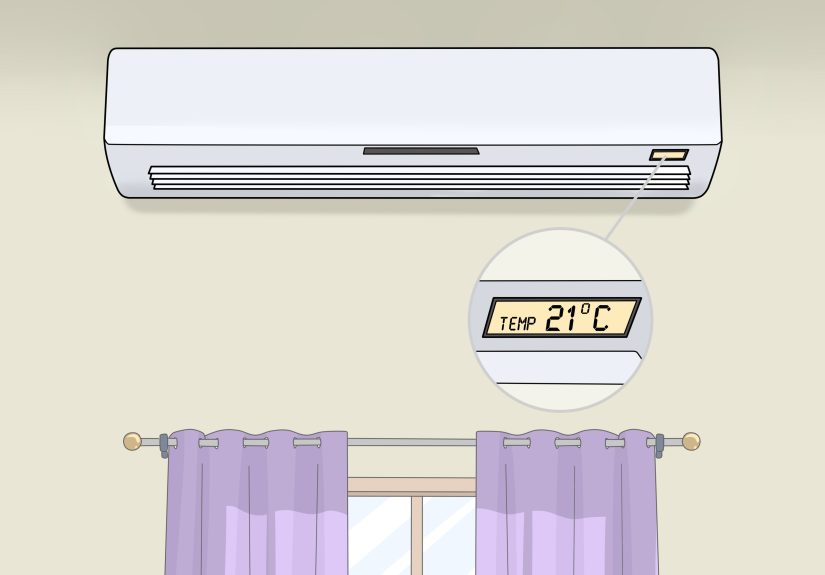
Air conditioning helps remove moisture from indoor air, but only when it is working properly. Replace HVAC filters as recommended, keep supply and return vents open and unobstructed, and schedule maintenance if the system is not cooling or dehumidifying effectively. Oversized air conditioners can cool a home too quickly without running long enough to remove moisture, which may leave rooms feeling cold and clammy.
Check air conditioning drip pans and condensate drain lines. If a drain clogs, water can back up and create moisture damage around the unit. That is the kind of surprise nobody wants, especially not on a Sunday evening when hardware stores are closing and everyone suddenly becomes a plumber.
Vent Clothes Dryers Outdoors
A clothes dryer should vent to the outside of the home. Indoor dryer venting adds large amounts of moisture to the air and can increase mold risk. Clean the lint trap after every load and inspect the dryer vent regularly for lint buildup, crushed ducts, or disconnections.
Do not put damp clothes into closets, drawers, hampers, or storage bins. Let laundry dry completely first. Mold loves damp fabric, and a forgotten wet towel can smell like regret faster than you think.
Clean Regularly, But Do Not Rely on Cleaning Alone
Regular cleaning removes dust, soap scum, food particles, and other organic matter that mold can use as a food source. Clean bathrooms, kitchens, window tracks, refrigerator drip areas, trash cans, and laundry spaces routinely. Use mild detergent and water for ordinary cleaning, and dry surfaces afterward.
However, cleaning is not a substitute for moisture control. A spotless bathroom with poor ventilation can still grow mold. A basement that smells musty does not need a scented candle; it needs humidity control and investigation.
Know When to Call a Professional
Small surface mold problems can often be handled by homeowners using proper protection and safe cleaning practices. But large mold growth, recurring mold, mold inside walls, sewage-related contamination, flood damage, HVAC contamination, or mold affecting people with asthma, allergies, or immune concerns may require professional help.
Consider professional assessment if you see widespread growth, smell mold but cannot find it, have repeated water intrusion, or suspect contamination in heating and cooling equipment. Professionals can identify moisture sources, remove damaged materials safely, and help prevent the same problem from returning.
Room-by-Room Mold Prevention Checklist
Bathroom
- Run the exhaust fan during and after showers.
- Keep shower doors or curtains open to dry.
- Repair cracked caulk and grout.
- Wash bath mats and towels regularly.
- Wipe condensation from windows and walls.
Kitchen
- Use a vented range hood when cooking.
- Check under sinks for leaks.
- Clean refrigerator seals and drip areas.
- Run the dishwasher only when seals and hoses are sound.
- Wipe spills immediately.
Basement
- Use a dehumidifier if humidity is high.
- Store items in plastic bins instead of cardboard boxes.
- Keep belongings off the floor and away from walls.
- Inspect for seepage after heavy rain.
- Improve drainage outside the foundation.
Laundry Room
- Vent the dryer outdoors.
- Clean lint traps and dryer ducts.
- Repair washer hose leaks immediately.
- Leave washer doors open after use when appropriate so interiors can dry.
- Do not store damp laundry in piles.
of Real-Life Experience: What Actually Works Day to Day
In real homes, mold prevention is not about doing one dramatic deep-clean once a year. It is about building tiny habits that keep moisture from getting comfortable. The homes that stay freshest are usually not the fanciest ones; they are the ones where people notice small problems early. A faint musty smell in a closet, a window that sweats every morning, a bathroom fan that sounds like a tired airplane but barely moves airthese are early clues. Treat them like helpful warnings, not annoyances.
One of the most useful habits is walking through the house after heavy rain. Check basement corners, window sills, ceilings, and the area under sinks. This takes five minutes, but it can save months of trouble. Water stains rarely appear with a marching band. They sneak in quietly, and by the time paint bubbles or trim swells, moisture has often been hanging around for a while.
Another practical experience: bathroom fans are only helpful when people actually use them. In many households, the fan switch is ignored because the fan is noisy, weak, or connected to the light in an annoying way. A quiet, properly sized fan with a timer can change everything. When the fan runs automatically for 20 minutes after a shower, the mirror clears faster, towels dry sooner, and the bathroom stops feeling like a tropical greenhouse.
Closets are another overlooked mold zone. Clothes pushed tightly against an exterior wall can trap cool air and moisture. Leaving a little space behind stored items helps air move. In humid climates, moisture absorbers or a small dehumidifier may help, but they are not magic. The real solution is airflow plus humidity control. Also, never store shoes, jackets, or sports gear while damp. That is how a closet goes from “organized” to “mysterious forest floor” by Tuesday.
Basements teach the same lesson over and over: cardboard and damp air are not friends. If something matters, do not store it in a cardboard box directly on a basement floor. Use plastic bins, shelves, and labels. Keep a hygrometer nearby. When humidity rises, run the dehumidifier before the air feels clammy. Waiting until the basement smells musty is like waiting until your phone is at 1% before looking for a charger.
Finally, the best mold prevention mindset is boring consistency. Fix leaks quickly. Dry spills fully. Let air move. Keep humidity in check. Clean the surfaces that collect moisture and dust. Mold thrives when small problems are ignored, so the most powerful tool is not a fancy spray bottleit is paying attention. A dry home is a healthier home, and it smells better too, which is a nice bonus unless you were hoping for that “old gym sock in a cave” fragrance.
Conclusion
Preventing mold from growing in your home comes down to one simple strategy: control moisture before it becomes a problem. Keep indoor humidity low, fix leaks quickly, dry wet materials within 24 to 48 hours, improve ventilation, maintain gutters and drainage, and pay attention to damp rooms like bathrooms, basements, kitchens, and laundry areas.
Mold prevention does not require perfection. It requires consistency. A fan used daily, a leak fixed early, a dehumidifier emptied regularly, and a gutter cleaned before storm season can make a major difference. When your home stays dry, ventilated, and well-maintained, mold has fewer chances to move in and redecorate without permission.