Table of Contents >> Show >> Hide
- Why Cotton Shrinks in the First Place
- Method 1: Hot Wash + High Heat Dryer
- Method 2: Boiling Water + Dryer Finish
- Method 3: Spot Shrinking with Steam, Water, and Heat
- How to Shrink Cotton Without Ruining It
- Common Questions About Shrinking Cotton Fabrics
- Final Thoughts
- Real-World Experiences with Shrinking Cotton Fabrics
Note: Always read the care label before trying to shrink anything. If the label says “dry clean only,” “line dry,” or “do not tumble dry,” treat this article like a friendly suggestion, not a dare.
Sometimes cotton fabric has a mind of its own. You buy a shirt that fits like a parachute, wash a set of cotton sheets that suddenly feel a little too roomy, or inherit a hoodie that seems designed for a professional basketball player. Then comes the question: can you shrink cotton on purpose without turning it into doll clothes?
The answer is yesusually. Cotton is one of the easiest fabrics to shrink because it is a natural fiber, and natural fibers respond more dramatically to moisture, heat, and agitation than most synthetics. That said, cotton is not a vending machine where you press “medium” and get exactly one size smaller. Some cotton fabrics are preshrunk. Some are blended with polyester or spandex. Some are tightly woven and stubborn. Others shrink the moment they sense warm water like they have stage fright.
This guide walks through three practical ways to shrink cotton fabrics, when each method works best, what can go wrong, and how to avoid accidentally turning your fabric project into a cautionary tale. Whether you are dealing with a cotton T-shirt, cotton dress, cotton bedding, or a loose pair of cotton shorts, these methods can help you get a better fit while keeping fabric damage to a minimum.
Why Cotton Shrinks in the First Place
Before the fun starts, it helps to know what is going on. Cotton fibers are stretched, processed, and finished during manufacturing. When those fibers are exposed to water, heat, and movement, they can relax and contract closer to their natural state. That is why cotton often shrinks most during the first few aggressive wash-and-dry cycles.
Here is the part many people miss: not all cotton shrinks the same way. A heavyweight 100% cotton sweatshirt may respond differently than a lightweight cotton tee. A preshrunk cotton top may only budge a little. A cotton-poly blend may barely move at all. And if spandex is involved, things can get weird fast. Stretch fibers do not always play nice with high heat, and “a little snugger” can become “why is one sleeve shorter than the other?”
In general, these factors affect shrinkage:
- Fiber content: 100% cotton usually shrinks more than cotton blends.
- Preshrunk vs. non-preshrunk: Preshrunk cotton can still shrink, but usually less.
- Heat level: Hotter water and hotter dryer settings usually mean more shrinkage.
- Agitation: Longer, rougher cycles can increase shrinkage.
- Fabric construction: Knit cotton, woven cotton, denim, and terry cloth all behave a little differently.
Translation: shrinking cotton is possible, but it is not perfectly predictable. Think “guided nudge,” not “engineering-grade precision.”
Method 1: Hot Wash + High Heat Dryer
Best for: Everyday cotton clothing, casual home textiles, and modest size adjustments
This is the classic method because it is the easiest and the most realistic for most households. If you want to shrink a cotton shirt, cotton dress, cotton pajama set, or even a set of cotton pillowcases, this is the first method to try.
How to do it
- Turn the item inside out if color fading is a concern.
- Wash it in hot water on a normal or long cycle.
- Transfer it straight to the dryer.
- Dry it on high heat.
- Check the item every 10 to 15 minutes near the end of the cycle.
- Remove it when it reaches the fit you want.
This works because the combination of hot water, tumbling, and high heat gives cotton multiple chances to contract. For many garments, this method creates the most natural-looking shrinkage because the entire piece is exposed evenly.
What to expect
If the fabric is 100% cotton and not heavily preshrunk, you may get noticeable shrinkage after one round. If the item is preshrunk, the change may be mild. If it is a cotton blend, the result may be disappointingly subtle. Cotton fabrics can sometimes shrink significantly under aggressive treatment, but expecting a dramatic drop from XL to S is a fantasy best left to movie montages.
Pros
- Easy and convenient
- Works well for all-over shrinkage
- No special tools required
Cons
- Can fade color
- May cause pilling or surface wear
- Can overdry fabric if you forget about it for three business days
Pro tip: If you want a controlled result, remove the fabric while it is still slightly damp, try it on or measure it, then air dry the rest of the way. That gives you a chance to stop before the fabric goes from “perfectly fitted” to “why does my shirt look borrowed from a child genius?”
Method 2: Boiling Water + Dryer Finish
Best for: Stubborn 100% cotton fabrics, thicker cotton garments, and faster shrinkage
If the washer-and-dryer trick barely moved the needle, the boiling-water method is the more aggressive cousin. It is especially useful for thicker cotton items like heavyweight T-shirts, cotton sweats, cotton canvas pieces, and roomy cotton dresses that laugh in the face of warm laundry settings.
How to do it
- Bring a large pot of water to a boil.
- Turn off the heat once the water is fully boiling.
- Carefully submerge the cotton item using tongs or a wooden spoon.
- Leave it in the hot water for 5 to 20 minutes depending on how much shrinkage you want.
- Remove it carefully and let it cool enough to handle safely.
- Transfer it to the dryer and dry on high heat.
The longer the soak, the stronger the effect can be, although results still vary. A short soak may give you mild tightening. A longer soak plus a hot dryer gives cotton a serious invitation to size down.
Why this method works
Boiling water delivers intense heat fast, and finishing in the dryer helps lock in additional shrinkage. This is often more effective than a single hot wash cycle because the fabric gets hit with concentrated heat before the dryer even joins the party.
When to be careful
This method is not ideal for delicate stitching, printed graphics, embellished pieces, or anything with elastic, lining, or structured tailoring. It can also increase the risk of fading, especially with dark or bright colors. If your cotton fabric is sentimental, expensive, or suspiciously dramatic, test a gentler method first.
Pros
- Often stronger than washer-only methods
- Helpful for stubborn cotton
- Good for quick experimentation
Cons
- Higher risk of fading and fabric stress
- Not suitable for delicate or mixed-fiber garments
- Can shrink unevenly if the fabric is twisted or crowded in the pot
Pro tip: Do not boil multiple garments together unless you enjoy mystery outcomes. Shrink one item at a time so you can control the result and avoid color transfer.
Method 3: Spot Shrinking with Steam, Water, and Heat
Best for: Small adjustments in sleeves, hems, waist areas, necklines, or one part of a garment
Sometimes you do not want to shrink the whole item. Maybe the body of the shirt is fine, but the sleeves are too long. Maybe the neckline is loose. Maybe the waistband of a cotton skirt needs a little persuasion. That is where spot shrinking comes in.
How to do it
- Lay the cotton fabric flat on an ironing board or heat-safe surface.
- Lightly dampen the area you want to shrink with warm water.
- Place a pressing cloth or thin towel over the damp section.
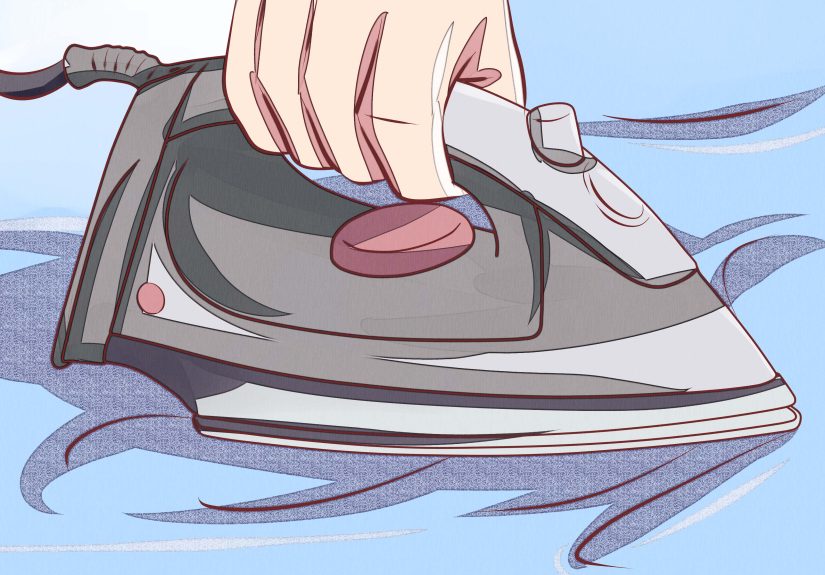
- Use a hot iron with steam and press firmly over the targeted area.
- Repeat until the area dries and tightens slightly.
- For extra effect, follow with a few minutes in a hot dryer if the whole item can tolerate it.
This method is more subtle than the first two. It is great for fine-tuning, not miracle makeovers. But for small fit issues, it can be surprisingly handy. Think of it as tailoring’s low-budget cousin who still shows up and helps move furniture.
When it works best
Spot shrinking works best on lightweight to medium-weight cotton fabrics that do not need a dramatic size change. It is also useful when you want to avoid changing the length or width of the whole garment.
Pros
- More controlled than full wash-and-dry methods
- Good for small fit corrections
- Less wear on the rest of the garment
Cons
- Limited shrinkage
- Can create uneven texture if overdone
- Requires patience, which is rude but true
How to Shrink Cotton Without Ruining It
If you want better odds and fewer regrets, keep these cotton care rules in mind:
- Start gradually: One aggressive cycle is better than three reckless ones in a row.
- Check often: The dryer is not a “set it and forget it” situation when intentional shrinkage is the goal.
- Avoid overloading: Crowded loads can shrink unevenly.
- Know the fabric blend: Cotton-poly blends, stretch cotton, and lined garments are less predictable.
- Stop when it fits: More heat is not always more wisdom.
Also, remember that some shrinkage is easier to create than to reverse. “Unshrinking” hacks exist, but they are hit-or-miss. You might recover a little shape, but rarely the exact original fit. Cotton is forgiving, but it is not a time machine.
Common Questions About Shrinking Cotton Fabrics
Does 100% cotton shrink more than cotton blends?
Usually, yes. Pure cotton generally responds more to heat and moisture than cotton blended with polyester or other synthetic fibers.
Will preshrunk cotton still shrink?
It can, just usually less. Preshrunk does not mean shrink-proof. It means the fabric has already been treated to reduce the most dramatic change.
Can you shrink cotton more than one size?
Sometimes, but not reliably. A mild size adjustment is realistic. A dramatic transformation is much less predictable and often comes with trade-offs like distortion or wear.
Can cotton sheets and towels shrink too?
Absolutely. Cotton bedding and bath textiles can shrink in the wash and dryer, especially when exposed to high temperatures. That is one reason fitted sheets sometimes start acting like they have personal boundaries.
Should you air dry after shrinking?
Once you reach the size you want, yes. Air drying helps stop the process and reduces the risk of overshrinking.
Final Thoughts
If you need to shrink cotton fabrics, the smartest approach is simple: choose the method that matches the amount of shrinkage you actually want. For mild, even results, start with a hot wash and high heat dryer. For stubborn 100% cotton that needs a stronger push, try boiling water followed by the dryer. For tiny problem areas, use spot shrinking with steam and an iron.
The big secret is that successful cotton shrinkage is less about brute force and more about timing. Check early. Stop often. Respect the care label. And never assume that more heat automatically means a better result. Sometimes it means a better story, but not a better shirt.
Real-World Experiences with Shrinking Cotton Fabrics
In real life, shrinking cotton is usually part science experiment, part laundry gamble, and part emotional growth. People rarely decide to shrink cotton because everything is going great. Usually, it starts with a shirt that looked perfect online, then arrived with the proportions of a decorative sail. Or a hoodie that fit well in the shoulders but had sleeves long enough to stir soup from across the room.
One of the most common experiences is that 100% cotton T-shirts respond fast, especially if they are not heavily preshrunk. A single hot wash and hot dry cycle can take a roomy tee from “weekend oversized” to “actually flattering.” But the result is not always perfectly even. Some shirts lose more length than width. Others tighten through the chest but barely change in the sleeves. This is why careful checking matters. Cotton does not always shrink like a neat little spreadsheet.
Heavier cotton garments, like sweatshirts and joggers, often need more effort. Many people find that the first hot wash does almost nothing, which leads to overconfidence, then a second round suddenly makes the item much smaller. That jumpy behavior is common. Cotton can seem stubborn right up until the moment it decides to cooperate a little too enthusiastically.
Cotton bedding has its own personality. Fitted sheets are notorious because even modest shrinkage changes the fit. A few percentage points may not sound dramatic, but on a mattress, it can mean tugging corners like you are wrestling an octopus. Cotton pillowcases and duvet covers can also tighten noticeably after hot laundering, especially if they start out generously cut.
Another common experience involves preshrunk cotton. Many shoppers expect it to stay exactly the same forever, then feel personally betrayed when it still gets a little smaller. Preshrunk usually means “less shrinkage,” not “immune to the laws of fabric.” Repeated hot washes and high dryer heat can still squeeze out a little more size over time.
Color is another real-world lesson. Dark cotton, especially black, navy, red, and deep green, may shrink the way you want but also fade faster than you planned. That is why many people eventually decide that the perfect fit is not worth turning a rich black tee into a philosophical charcoal.
The most successful people tend to follow the same pattern: they shrink slowly, test often, and stop as soon as the fit improves. The least successful ones usually throw the item into maximum heat, walk away, and come back to discover that they have created a crop top without signing any paperwork. In other words, cotton shrinkage rewards patience more than courage.
If there is one practical takeaway from all these experiences, it is this: shrinking cotton works best when you treat it like adjustment, not transformation. You are guiding the fabric toward a better fit, not auditioning for a laundry magic show. When expectations are realistic, cotton can be wonderfully cooperative. When expectations are wild, cotton becomes a comedian.