Table of Contents >> Show >> Hide
- Why Retro Lighting Is Winning Again
- 1. Pleated Lampshades
- 2. Warm Brass and Polished Brass Fixtures
- 3. Track Lighting
- 4. Tiffany-Style and Stained-Glass Lamps
- 5. Glass-Dome Semi-Flush Mounts and Milk-Glass Globes
- How to Make Old Lighting Feel New
- Final Thoughts
- Extended Reflections: What These Lighting Comebacks Feel Like in Real Life
Lighting trends are a lot like fashion trends: the things we swore we would never invite back into the house somehow return wearing better tailoring, nicer shoes, and a lot more confidence. One decade’s “absolutely not” becomes the next decade’s “actually, that looks expensive.” And right now, designers are proving that old-school lighting is having one polished, glowing, very photogenic comeback.
The difference is that these revived looks are not returning in their original form, untouched and a little dusty. They are being reworked with better materials, smarter proportions, softer bulbs, and a more collected approach to decorating. Instead of feeling kitschy or trapped in a time capsule, they now feel warm, storied, layered, and personal. In other words, the lighting is no longer trying too hard. It has matured. It drank some water. It found its angle.
If you have ever looked at an old brass sconce, a pleated lampshade, or even a once-maligned flush mount and thought, “Could this be cool again?” the answer is yes, with a few designer-approved caveats. Here are the five outdated lighting features that are suddenly back in style, plus how to use them in a way that feels current rather than chaotic.
Why Retro Lighting Is Winning Again
Part of the reason these styles are returning is simple: people are tired of homes that feel too flat, too sterile, and too similar. For years, lighting leaned heavily into minimalist shapes, hidden fixtures, and showroom perfection. Now, homeowners want rooms with personality. They want lighting that does more than brighten the space. They want it to soften, sculpt, flatter, and tell a story.
That shift explains why vintage-inspired lighting is everywhere. Designers are leaning into layered illumination, warmer finishes, decorative shades, and fixtures that feel more like jewelry than background equipment. The goal is no longer to make the light disappear. The goal is to make it contribute to the room’s mood.
1. Pleated Lampshades
Why they felt outdated before
Pleated lampshades used to get lumped into the “grandma’s sitting room” category. They had a reputation for feeling fussy, old-fashioned, and overly formal, especially when paired with traditional lamp bases and muted floral everything. For a while, smooth drum shades took over because they looked cleaner and more modern.
Why designers love them again
Now that interiors are moving away from one-note minimalism, pleated shades suddenly make sense again. They add softness, texture, and an intentionally dressed-up look that plain shades just cannot deliver. Designers are especially drawn to pleated shades in linen, silk, stripes, and small-scale patterns because they create a custom, collected feeling. Even better, they can make a basic lamp base look far more interesting without requiring a full room makeover.
This comeback also reflects a broader design mood: homes are getting more layered, more tactile, and less afraid of charm. Pleated shades fit right into that world. They are decorative, yes, but in a way that feels thoughtful rather than stuffy.
How to style them now
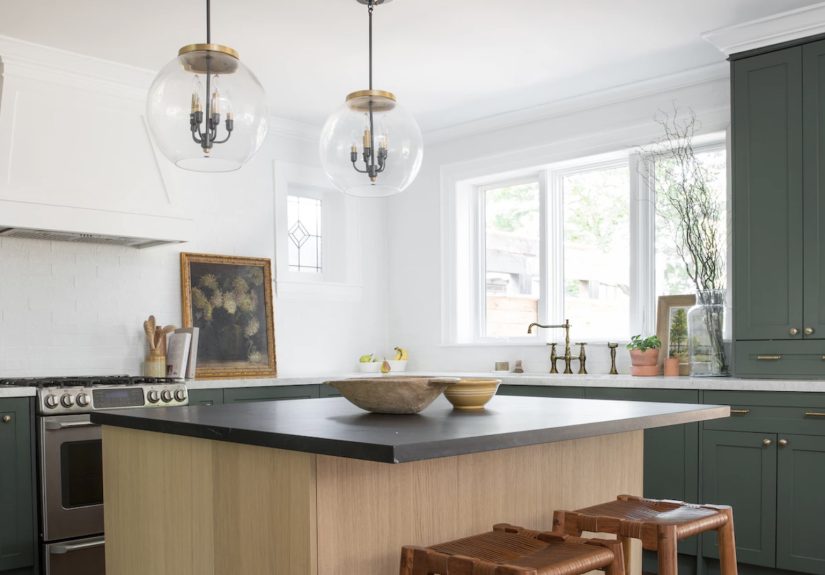
The trick is contrast. A pleated shade looks especially fresh when paired with a sculptural ceramic lamp, a sleek brass base, or a room with cleaner lines. That tension keeps the look from becoming too precious. In kitchens and dining rooms, pleated pendant shades can also add warmth to spaces that otherwise lean hard into stone, metal, and cabinetry.
If you want to try the trend without overcommitting, start with a table lamp in a reading corner, on a console, or beside the bed. It is a low-risk, high-reward move. Think of it as tailoring for your lamp.
2. Warm Brass and Polished Brass Fixtures
Why brass was written off
There was a long stretch when brass lighting reminded people of shiny builder-grade fixtures from the 1980s and 1990s. Too yellow, too glossy, too eager. Many homeowners replaced it with matte black, chrome, or brushed nickel in hopes of looking more current.
Why it is back
Designers are now embracing warm brass again because it brings exactly what so many contemporary interiors need: depth, glow, and a little glamour. The new brass revival feels richer and more nuanced than the old version. Instead of looking flashy, it looks intentional. It works beautifully with moody paint colors, natural stone, dark woods, and vintage silhouettes.
There is also a strong Art Deco and European vintage influence behind this return. Brass feels elegant in a way that is less severe than black and less clinical than cooler metals. In the right room, it catches light beautifully and helps the whole space feel warmer.
How to use brass without going overboard
You do not need a house full of shiny gold-toned fixtures to make this work. In fact, the best rooms usually mix brass with other finishes. Try a brass sconce with a fabric shade, a brass picture light over art, or a brass pendant combined with marble, glass, or plaster. The finish reads especially current when it is part of a layered palette rather than the star of an all-metal show.
And yes, brass can still look dated if every fixture in the room screams for attention. The updated approach is quieter. Think warmth, not Vegas.
3. Track Lighting
Why it got a bad reputation
Track lighting has carried some serious baggage. For many people, it brings up memories of awkward kitchen rails, glaring directional heads, and interiors that looked like a store changing room trying its best. It often felt too utilitarian to be beautiful and too visible to be ignored.
Why designers are revisiting it
Modern track lighting is a different animal. Today’s versions are slimmer, more architectural, and far more versatile. Designers appreciate that track systems can spotlight artwork, highlight shelving, brighten kitchens, and solve awkward ceiling conditions without relying on a grid of recessed cans. In other words, it can do a lot of work while looking considerably more refined than its older cousins.
This revival also makes sense in the context of how people live now. Rooms need to multitask. One area might serve as a home office by day, dining space by night, and social hub on weekends. Adjustable lighting is suddenly less “retail display” and more “smart, flexible design.”
How to make it feel chic
Choose a simple, contemporary track in a finish that suits the room, such as black, bronze, or brushed metal. Use it where directional light is genuinely helpful: over open shelving, in a galley kitchen, along a hallway gallery wall, or in a closet or utility area that needs targeted illumination.
The key is restraint. A sleek track with clean lines can look modern and purposeful. An overly complicated one with bulky heads can still drift straight back into outdated territory.
4. Tiffany-Style and Stained-Glass Lamps
Why people dismissed them
Tiffany-style lamps were once considered too ornate, too dim, or too committed to a very specific look. For years, they were treated as niche pieces best left to antique stores, old dens, and the occasional enthusiast with a deep love for dragonflies.
Why they are suddenly cool again
Designers and younger collectors are warming to Tiffany-style lighting because it brings color, craftsmanship, and character into a home. In a design moment dominated by personality, these lamps offer something mass-market fixtures often cannot: visible artistry. The stained glass, patinaed metal, and old-world detail feel soulful, especially when mixed into modern rooms that need a little tension and surprise.
They also fit neatly into the broader revival of vintage and maximalist decor. People are more willing to embrace pieces that look storied, quirky, or a little romantic. A Tiffany-style lamp does not have to define the whole room. Sometimes one is enough to make the room feel less predictable.
How to style them in a modern home
Use Tiffany-inspired lighting as an accent, not a theme park. A stained-glass table lamp can look fantastic on a clean-lined desk, a moody bookshelf, or a modern side table. The contrast is what makes it sing. If the rest of the room is calm, the lamp becomes a conversation piece rather than visual clutter.
Pay attention to scale, too. A smaller stained-glass lamp often feels fresher than a giant statement piece unless the room truly has the drama to support it. Think curated treasure, not souvenir overload.
5. Glass-Dome Semi-Flush Mounts and Milk-Glass Globes
Why they went out of favor
Flush mounts and semi-flush fixtures, especially the old glass-dome kind, have long suffered from a branding problem. Many people associate them with builder-grade “boob lights” that were installed by default and admired by almost no one. They felt generic, flat, and forgettable.
Why they are back in a better form
Designers are bringing them back with upgraded materials and more elegant detailing. Today’s versions feature milk glass, scalloped silhouettes, ribbing, brass accents, fabric trims, and vintage-inspired shapes that cast a softer glow. Instead of feeling cheap, they feel intentionally understated.
This is especially important in rooms where a chandelier would be too much and recessed lighting would be too cold. A refined semi-flush mount can sit quietly on the ceiling while still contributing style. That makes it ideal for hallways, bedrooms, breakfast nooks, entries, and rooms with lower ceilings.
How to pick the right one
Look for shape and material. Milk glass, opal glass, and ribbed or scalloped domes tend to feel warmer and more elevated than plain clear glass. A little brass detail helps. Fabric-wrapped or linen versions can also soften the look beautifully.
If your current flush mount is aggressively mediocre, replacing it with a better dome fixture may be one of the easiest upgrades in the entire house. Same general idea, much better haircut.
How to Make Old Lighting Feel New
Bringing retro lighting back into your home is not about turning your space into a period set. It is about balance. The most successful rooms usually follow a few simple rules:
- Mix one nostalgic element with cleaner, more contemporary pieces.
- Choose warm bulbs and flattering light quality over harsh brightness.
- Let vintage-inspired lighting be part of a layered plan, not the only source of illumination.
- Focus on materials like linen, milk glass, brass, ceramic, and stained glass for depth and character.
- Use scale wisely so the fixture feels deliberate, not accidental.
That balance is why these trends are working now. The comeback is not literal. It is edited. Designers are borrowing the best parts of older lighting styles, then stripping away the clunky details that made them feel dated in the first place.
Final Thoughts
The biggest takeaway from these revived lighting features is that “outdated” is rarely permanent. Design is cyclical, but it is also selective. The looks that return successfully are the ones that offer warmth, craftsmanship, flexibility, or visual personality that modern rooms are missing.
Pleated shades soften a room. Brass adds glow. Track lighting solves real problems with more style than it used to. Tiffany-style lamps bring history and individuality. And upgraded glass domes prove that even the most mocked ceiling fixture can have a second act. Honestly, it is the ultimate makeover story.
So before you toss every old fixture or vintage lamp you come across, take a second look. The lighting features we once rolled our eyes at are suddenly getting designer approval all over again. Turns out, some trends do not die. They just wait in the attic until the rest of us catch up.
Extended Reflections: What These Lighting Comebacks Feel Like in Real Life
What makes these lighting revivals so interesting is not just how they look in styled photos, but how they actually feel in daily life. A lot of homeowners discover this the minute they swap one bland fixture for something with a little history and personality. The room changes, of course, but so does the mood. A pleated shade on a bedside lamp can make a bedroom feel calmer and more intimate at night. A brass sconce in a hallway can add just enough glow to make the space feel welcoming instead of forgettable. These are not dramatic renovations, yet the emotional difference can be surprisingly big.
That is especially true with pieces like Tiffany-style lamps and milk-glass domes. People often expect them to feel fussy or old, but in a thoughtfully designed room, they tend to feel comforting. The light is softer. The materials have more depth. The fixture itself feels like it belongs to someone, not just to the house. That personal quality matters. A room with character usually feels more relaxed than one that is technically polished but emotionally blank.
There is also something satisfying about seeing a once-ridiculed feature redeemed. Track lighting is a perfect example. In the wrong setting, it still can feel harsh or overly commercial. But in the right space, it feels smart. It highlights art, makes shelving more functional, and adapts to changing needs. People who actually live with good track lighting often realize that its flexibility is part of its charm. It is one of those design moves that sounds unglamorous until you see how useful it is on an ordinary Tuesday.
Another real-life experience behind this trend is that older-looking lighting often makes newer homes feel less generic. Many houses built in the last two decades have decent bones but not always a lot of soul. Swapping in retro-inspired fixtures can instantly add some visual memory to the space. A pleated pendant over a breakfast table or a brass picture light above a bookshelf can create the impression that the room evolved over time. That layered quality is hard to fake with purely trendy decor.
Perhaps that is why these lighting features resonate now. People are spending more time paying attention to how their homes function in the morning, in the evening, during work hours, and while hosting friends. They are less interested in a room that looks “done” and more interested in one that feels good at 7 a.m., 4 p.m., and 9 p.m. Lighting plays a huge role in that experience. It can flatter faces, soften clutter, warm up cool paint colors, and create small rituals of comfort. When an old feature comes back with better styling and better context, it stops feeling like nostalgia for nostalgia’s sake. It becomes useful again.
In that sense, these comeback trends are not really about the past. They are about what people want from home right now: comfort, individuality, flexibility, and warmth. If a once-outdated light fixture can deliver all that, it deserves another chance. Even the one your younger self would have mocked at the flea market.