Table of Contents >> Show >> Hide
- 1) Start With the Room’s Job (Yes, It Has a Job)
- 2) Layout and Flow: Give People Room to Live (and Sit Down)
- 3) Choose the Right Dining Table (The True Main Character)
- 4) Seating That Fits: Comfort Is the New Luxury
- 5) Lighting That Actually Flatters Food (and Faces)
- 6) Color, Walls, and Texture: The Fastest Way to Transform the Room
- 7) Rugs Without Regrets: Softness, Sound Control, and Style
- 8) Storage and Styling: The Sideboard Is Your Best Friend
- 9) Style “Recipes” You Can Steal (Because Reinventing Everything Is Exhausting)
- 10) Budget-Friendly Dining Room Decorating Ideas That Look Expensive
- 11) Common Mistakes (So You Don’t Learn the Hard Way)
- Conclusion: A Dining Room That Feels Like Home
- Real-Home Experiences and Lessons (The Stuff That Actually Happens)
- Experience #1: The “We Have Room for a Dining Area… Sort Of” Layout
- Experience #2: The “Chairs Are Pretty but Nobody Wants to Sit” Problem
- Experience #3: The “Why Does This Room Feel Cold?” Mystery
- Experience #4: The “Small Dining Room, Big Hosting Dreams” Reality
- Experience #5: The “We Use This Room Twice a Year” Dilemma
The dining room is the only place in your home where people will forgive you for obsessing over a light fixture,
argue passionately about chair comfort, and then immediately ask for seconds. In other words: it’s a high-stakes
stage with a very low tolerance for wobbly tables.
Whether you have a formal dining room, a cozy breakfast nook, or a “technically-this-corner-counts” dining area in
an open-concept space, great dining room decorating ideas come down to the same goal: make it inviting, make it
functional, and make it feel like you on your best day (not your “I ate standing over the sink” day).
1) Start With the Room’s Job (Yes, It Has a Job)
Before you pick paint colors or shop for a chandelier that looks like it belongs in a palace, decide how you’ll
actually use the space. Is this room for quick weeknight dinners? Weekend brunch marathons? Holiday hosting with a
guest list that keeps multiplying like rabbits? Or is it mostly a homework station that occasionally sees a plate?
Your answer determines everything: table size, seating type, storage needs, lighting intensity, and how durable
your materials should be. “Pretty” is great. “Pretty and practical” is the design equivalent of finding money in
your winter coat pocket.
Quick self-check
- Everyday use: prioritize comfort, easy-clean surfaces, and flexible seating.
- Entertaining: prioritize flow, layered lighting, and extra storage for serving pieces.
- Small space dining area: prioritize footprint, multifunction furniture, and visual definition.
2) Layout and Flow: Give People Room to Live (and Sit Down)
The most underrated dining room design idea is simple: leave enough space to move around without performing
interpretive dance. A dining room can look stunning in photos and still feel awkward in real life if chairs
scrape, elbows collide, and the path to the kitchen becomes a tactical mission.
Layout rules that keep you sane
-
Walkways matter: aim for clear circulation paths so guests can slide behind chairs without
bumping into a wall or a sideboard. -
Open-concept tip: define the dining zone with a rug, pendant lighting, and one “anchor” piece
(like a credenza) so it doesn’t feel like your table is camping in the living room. -
Small dining room idea: consider a banquette or built-in bench on one sidebig seating payoff,
less visual clutter.
3) Choose the Right Dining Table (The True Main Character)
Everything in the dining room revolves around the table: the lighting, the rug, the chairs, and the way people
lean in when they’re about to tell a story that starts with, “You will not believe what happened…”
Shape: match the table to your room and your habits
-
Rectangular tables: best for longer rooms and larger groups. They’re classic, flexible, and
make hosting feel effortless. -
Round tables: a secret weapon for small dining rooms. No sharp corners, easier flow, and it
encourages conversation because nobody gets “stuck” at the end. -
Oval tables: the best of both worldssoft edges like a round table, surface area like a
rectangle. -
Square tables: great in a square room or for couples/smaller households, especially if you
choose an extendable option.
Material: pick your battles (and your cleaners)
If your dining table will see craft projects, late-night snacks, and the occasional dramatic gesture that almost
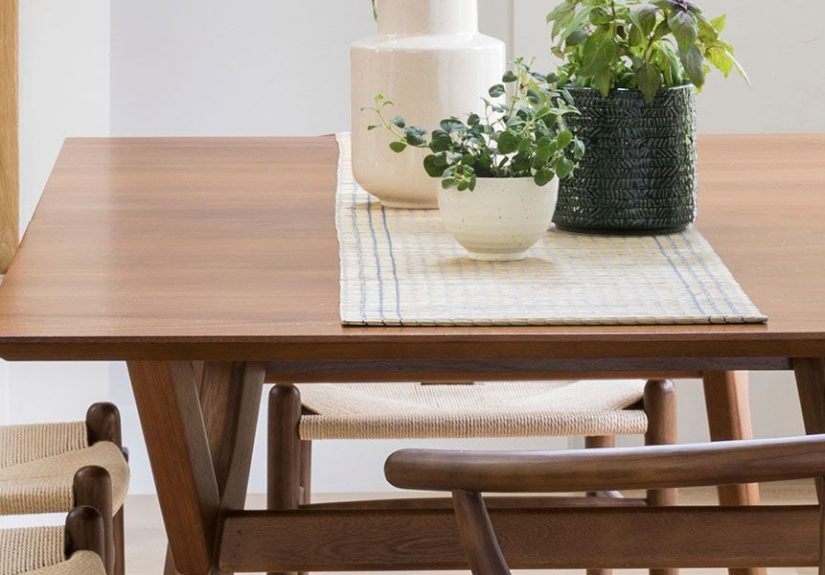
knocks over a glass, choose finishes that can handle real life. Wood adds warmth and patina. Stone or faux stone
feels elevated and wipes clean. Glass can make a small dining area feel biggerjust be honest about how you feel
about fingerprints. (If fingerprints are your villain origin story, skip it.)
4) Seating That Fits: Comfort Is the New Luxury
Dining chairs are where style meets the hard truth of the human body. A chair can be gorgeous, but if it feels
like sitting on a polite medieval torture device, your guests will not lingerno matter how good the dessert is.
Mix-and-match chairs without chaos
One of the easiest dining room decor upgrades is mixing chair styles while keeping one element consistent:
matching finishes, similar silhouettes, or a shared color palette. For example, pair upholstered end chairs with
simple side chairs, or mix wood and metal while repeating a tone in the lighting or artwork. It adds personality
without looking like you adopted random chairs from the curb (unless that’s your aestheticthen commit proudly).
Bench and banquette seating
Benches and banquettes are especially smart for small dining rooms and family-friendly spaces. They tuck in neatly,
add casual charm, and can include hidden storage. If you entertain often, a bench can also be a sneaky way to seat
more people without buying six more chairs you’ll store in the garage like forgotten gym equipment.
5) Lighting That Actually Flatters Food (and Faces)
Dining room lighting is the mood-setter, the spotlight, and the functional workhorse all in one. The best dining
room design ideas use layered lighting: a statement overhead fixture plus supporting lights so the
room doesn’t look like a stage play with only one spotlight.
Overhead lighting: chandeliers, pendants, and the “don’t bonk your head” factor
A chandelier or pendant above the table anchors the room. For long tables, consider a linear chandelier or a pair
of pendants to distribute light evenly. For low ceilings, a semi-flush fixture gives the drama without the danger.
For open-concept spaces, a bold fixture visually “claims” the dining zone so it feels intentional, not accidental.
Supporting lights: the secret to a cozy glow
- Wall sconces: add warmth and soften shadowsgreat for traditional or transitional rooms.
- Buffet/console lamps: give the room a lived-in, layered feel (and they’re easy to add).
- Dimmers: the single best upgrade for ambiance, hands down.
6) Color, Walls, and Texture: The Fastest Way to Transform the Room
If furniture is the skeleton of your dining room, walls are the personality. Paint, wallpaper, and millwork can
turn a plain space into a destination. And you don’t need a full renovation to get there.
Paint ideas that work hard
Want the room to feel bigger? Try light neutrals with warm undertones. Want it to feel intimate and elevated?
Go moody: deep green, navy, charcoal, or a rich clay tone. Dining rooms can handle drama because you don’t need
bright daylight energy while eating pasta. You need “this is a vibe” energy.
Wallpaper and wall treatments
Wallpaper is a cheat code for instant characterespecially in a dining room where people sit and actually look
around. If full wallpaper feels like a commitment, try one accent wall, wainscoting, picture-frame molding, or
even a large-scale mural behind the table. Texture matters too: grasscloth, plaster finishes, and wood paneling
add depth without shouting.
Dining room wall decor ideas that don’t feel random
- Oversized art: one big piece can be calmer than a dozen small ones.
- Gallery wall: works best when frames share a theme (color, style, or spacing).
- Mirror: bounces light and visually expands smaller spaces.
- Plate wall: charming, classic, and surprisingly modern if you keep it graphic.
7) Rugs Without Regrets: Softness, Sound Control, and Style
A rug under the dining table does three big things: it defines the dining area, softens noise, and adds pattern
and color without requiring you to repaint anything. The trick is choosing one that works with chairs (and life).
Rug choices that make sense
- Low pile or flatweave: chairs slide more easily and crumbs don’t become permanent residents.
- Pattern: hides spills better than a solid light rug (because reality).
- Material: wool is durable; performance fibers are great for families and frequent hosting.
8) Storage and Styling: The Sideboard Is Your Best Friend
If you entertain, you need a landing zone for serving pieces, linens, extra glassware, and the items you swear
you’ll use “next time.” A buffet or sideboard adds storage and gives you a styling surface that makes the dining
room look finished.
What to style on a sideboard (without clutter)
- A lamp: instant warmth and height.
- A tray: corrals objects so it looks intentional.
- Art or a mirror: anchors the vignette and fills the wall.
- One organic element: greenery, branches, or a bowl of fruit (bonus: snack decor).
9) Style “Recipes” You Can Steal (Because Reinventing Everything Is Exhausting)
Modern dining room design
Think clean lines, fewer pieces, and high-impact materials. Try a simple table with sculptural chairs, a bold
pendant, and one statement artwork. Keep the palette tightthen add texture with wood grain, linen, or a subtle rug.
Farmhouse dining room (the updated version)
The modern farmhouse dining room isn’t just shiplap and signs that tell you to “gather.” It’s warm wood, simple
silhouettes, mixed metals, and a little contrastlike a black fixture over a natural table, or woven textures with
crisp paint. Add vintage accents sparingly so it feels collected, not themed.
Traditional or classic
Symmetry works beautifully here: a central chandelier, a substantial table, upholstered chairs, and layers of
molding or paneling. Add modern toucheslike contemporary art or updated hardwareso it feels timeless, not museum-like.
Coastal or airy
Light tones, natural textures, and relaxed seating do the heavy lifting. A pale rug, woven pendant, and soft blue
or sandy neutrals create that “vacation but make it Tuesday” feeling.
10) Budget-Friendly Dining Room Decorating Ideas That Look Expensive
You don’t need a full renovation to get a big transformation. The dining room rewards small upgrades because it’s
a contained space with clear focal points.
- Swap the light fixture: your fastest “wow” moment.
- Add a rug: instant definition and softness.
- Paint the walls: the most dramatic change per dollar.
- Upgrade textiles: curtains, a table runner, or upholstered seats add polish.
- Change hardware: on built-ins or a sideboard for a subtle refresh.
11) Common Mistakes (So You Don’t Learn the Hard Way)
- Too-small rug: if chairs fall off the edge, you’ll hear it. Constantly. Forever.
- Harsh lighting: nobody wants to eat under “interrogation mode.” Add dimmers or layers.
- Overcrowding: a dining room needs breathing room. Edit the extras.
- Ignoring scale: tiny chandelier over a huge table (or vice versa) feels unbalanced.
- All style, no comfort: if seating isn’t comfortable, the room won’t get used.
Conclusion: A Dining Room That Feels Like Home
The best dining room design isn’t about copying a showroom. It’s about shaping a space that supports your life:
a layout that flows, a table that fits, lighting that flatters, and details that make people want to linger. Start
with function, layer in personality, and don’t be afraid to add one bold choicewhether that’s a dramatic pendant,
a moody paint color, or chairs that make your guests say, “Wait… where did you find these?”
When in doubt, remember the dining room’s true purpose: gathering. If the space feels welcoming, everything else
is just delicious seasoning.
Real-Home Experiences and Lessons (The Stuff That Actually Happens)
Design inspiration is funscrolling perfect dining rooms is basically a modern hobbybut real homes come with real
constraints. Kids do homework at the table. Pets treat chair cushions like a VIP lounge. Friends show up with an
extra plus-one. And somebody always, always sets down a sweating drink without a coaster like they’re testing your
emotional resilience.
Here are a few common “real dining room” situations and what tends to work best when you’re choosing dining room
decorating and design ideas.
Experience #1: The “We Have Room for a Dining Area… Sort Of” Layout
In open-concept spaces, the dining table can feel like it’s floating in a sea of living room furniture. The fix
is definition. A rug underneath, a pendant overhead, and one anchor piece (like a sideboard or narrow console)
makes the dining zone feel deliberate. If the space is tight, a round pedestal table is often the herono corners
to dodge, easier traffic flow, and it still feels “real dining” even when it’s tucked near the kitchen.
Experience #2: The “Chairs Are Pretty but Nobody Wants to Sit” Problem
This is more common than people admit (because we’re all trying to be polite). If you host, comfort matters. A
smart move is mixing chairs: keep the pretty sculptural ones as accent/end chairs and use more comfortable,
supportive chairs for everyday seating. Upholstered seats can be a game-changer, especially in homes where dinners
turn into long conversations. And if you’re worried about spills, performance fabrics exist for a reasonthink of
them as the bouncers of the textile world.
Experience #3: The “Why Does This Room Feel Cold?” Mystery
A dining room can look “finished” and still feel emotionally chilly. Usually it’s missing texture and layers.
Add curtains (even simple panels), a rug with some pattern, and a warm secondary light source like a buffet lamp.
The goal is to create a glow and softness that makes people relax. If you’ve ever eaten in a restaurant where the
lighting makes everyone look like they’ve had eight hours of sleep, that’s the energy you want.
Experience #4: The “Small Dining Room, Big Hosting Dreams” Reality
Small dining rooms can still host beautifullyyou just need flexibility. Consider an extendable table or a drop-leaf
style that grows when guests arrive. Keep extra folding chairs that don’t offend your eyes (yes, they exist), and
store them vertically in a closet. Benches can seat more people per inch than chairs. And if you love entertaining,
a sideboard becomes your staging area for plates, drinks, and serving dishes, which keeps the table from turning
into a clutter festival.
Experience #5: The “We Use This Room Twice a Year” Dilemma
If your dining room is mostly for holidays, make it earn its keep. Turn it into a multipurpose space: add a
stylish cabinet for games, a credenza that stores office supplies, or a console that doubles as a bar. The key is
to keep the table clear enough that it can shift roles quicklydinner tonight, puzzle tomorrow, party next weekend.
When a dining room supports everyday life, it stops feeling like a museum and starts feeling like part of the home.
The big takeaway from real-world dining rooms: good design isn’t fragile. The best dining room decorating ideas
create beauty that survives real meals, real messes, and real people. If your room can handle spaghetti night and
still look great for a birthday dinner, you’ve nailed it.