Table of Contents >> Show >> Hide
- What is a split lip?
- Common causes of a split lip
- Signs your split lip is more than simple chapping
- First aid for a freshly split lip
- Home remedies that actually help
- Medical treatments for a split lip
- When to see a doctor
- What not to do
- How long does a split lip take to heal?
- How to prevent a split lip from coming back
- Experiences people commonly have with a split lip
- Conclusion
Note: This article is for general educational purposes and is not a substitute for medical advice, diagnosis, or treatment.
A split lip sounds like one of those tiny problems that should be easy to ignoreright up until you smile, eat salsa, sip orange juice, or yawn like a champion. Then suddenly your lip feels like it has declared war on the rest of your face.
The good news is that many split lips are minor and can be treated at home. The less-fun news is that not every split lip is just “dry skin being dramatic.” Some happen because of cuts, sports injuries, lip biting, sun damage, infections, or skin conditions such as eczema or angular cheilitis. Knowing the difference matters, because the best treatment depends on the cause.
In this guide, we’ll break down what a split lip is, why it happens, how to treat it, which home remedies are actually useful, and when it’s time to stop Googling and call a doctor.
What is a split lip?
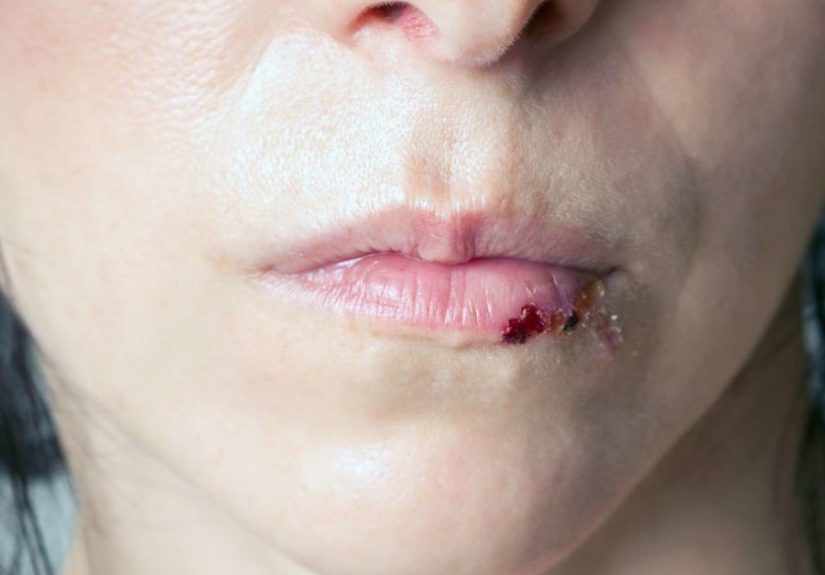
A split lip usually means the skin or tissue of the lip has cracked, torn, or opened. Sometimes it is a shallow surface crack caused by dryness. Other times it is a true cut or laceration caused by trauma. The split may be in the center of the lip, along the lower lip, or at the corners of the mouth.
That distinction is important. A dry, cracked lip is annoying but often manageable with moisture and protection. A deeper tear that crosses the edge of the lip, keeps bleeding, or gapes open may need medical treatment to heal well and to reduce scarring.
Common causes of a split lip
1. Dry weather and low humidity
Lips do not have the same oil glands as much of the rest of your skin, which means they dry out faster and complain louder. Cold air, indoor heating, wind, and low humidity can strip away moisture and lead to cracking. This is why lips often fall apart during winter like a cheap folding chair.
2. Lip licking, biting, or picking
It feels helpful in the moment, but lip licking usually makes dryness worse. Saliva evaporates quickly and can leave lips drier than before. Repeated biting or peeling off flaky skin can also turn a small crack into a larger split.
3. Dehydration and mouth breathing
Not drinking enough fluids can contribute to dry lips, especially when paired with fever, exercise, vomiting, or hot weather. Mouth breathing during sleepoften due to allergies or a stuffy nosecan also dry the lips overnight and leave you waking up with a painful crack.
4. Sun exposure
Lips can burn in the sun just like the rest of your skin. Too much sun may lead to dryness, peeling, tenderness, and cracking. Over time, long-term sun damage to the lips can cause chronic roughness or scaling that should not be ignored.
5. Injury or trauma
A split lip can happen after a fall, sports collision, car accident, rough play, or getting hit in the face with an object that seemed harmless until it absolutely was not. You can also tear your lip by biting it hard, catching it on braces, or getting a cut from a broken tooth.
6. Irritating products or allergic reactions
Some lip balms, lipsticks, toothpastes, mouthwashes, fragrances, flavorings, and skin care products can irritate the lips instead of helping them. If your lips burn, sting, or get worse every time you use a product, the “healing” balm may actually be the villain in the story.
7. Skin conditions and infections
Conditions such as lip eczema, angular cheilitis, and cold sores can all lead to cracking or splitting. Angular cheilitis often affects the corners of the mouth and may be related to yeast, irritation, saliva buildup, or nutritional issues. Cold sores can start with tingling or burning and then form blisters that crust and crack. Eczema may cause red, dry, itchy, inflamed lips.
Signs your split lip is more than simple chapping
Sometimes a split lip is just a dry crack. Other times it points to something that needs more than a tube of lip balm. It may be more than ordinary chapping if you notice:
- deep or gaping skin
- continued bleeding
- swelling that keeps getting worse
- pus, warmth, or increasing redness
- cracks mainly at the mouth corners
- clusters of blisters or a tingling outbreak
- recurring splits that keep coming back
- a rough, scaly lip patch that does not heal
In short, if your lip is behaving less like “dry skin” and more like “something is definitely wrong,” pay attention.
First aid for a freshly split lip
If your lip split because of an injury, quick first aid can make a big difference.
Apply gentle pressure
Use a clean cloth or sterile gauze and hold steady pressure on the area for several minutes. Lips have a strong blood supply, so even small cuts can bleed dramatically. A little blood can look like a crime scene; try not to panic.
Rinse the area gently
Once the bleeding slows, rinse with clean water. If the cut is outside the lip, gently wash around it with mild soap and water. Avoid harsh scrubbing. If dirt or debris is stuck in the wound and does not come out easily, do not keep digging around like an overconfident archaeologist.
Use a cold compress
Wrap ice in a clean cloth and place it on the outside of the lip for short periods. This can help reduce pain and swelling. Do not place ice directly on the skin, and do not hold it there forever in hopes of becoming emotionally stronger.
Protect the area
For a dry crack, a thin layer of petroleum jelly or a bland, fragrance-free ointment can help protect the skin barrier. For a true cut, the next steps depend on how deep the wound is. A superficial cut may heal with gentle care. A deep cut, a wound that crosses the lip border, or one that will not stay closed should be evaluated by a medical professional.
Home remedies that actually help
When the split lip is minor and not infected, home care is often enough. The key is to keep the lips moist, protected, and unbothered.
Petroleum jelly or a bland ointment
This is one of the most reliable options for dry, cracked lips. Ointments seal in moisture better than many waxy products. Apply a small amount several times a day and before bed.
Fragrance-free, non-irritating lip balm
Choose a simple lip balm without menthol, camphor, cinnamon, flavorings, or strong fragrance if your lips are already irritated. “Tingly” is not always a sign of healing. Sometimes it is just your lips filing a complaint.
SPF lip balm during the day
If sun is part of the problemor even if it is not but you spend time outdoorsuse a lip product with sunscreen. This helps protect the lips from further damage and can be especially helpful if you are prone to repeated cracking.
Drink fluids and use a humidifier
Hydration helps overall skin health, and a humidifier may reduce dryness indoors, especially during colder months. These are supportive measures, not magic spells, but they can absolutely help.
Stop licking, biting, and peeling
This one is harder than it sounds, because the damaged skin feels tempting to pick. But pulling off flakes usually reopens the crack and delays healing.
Choose gentle foods for a day or two
If your lip is tender or cut, bland foods are your friend. Very salty, acidic, spicy, or crunchy foods may sting. Citrus juice on a split lip is memorable in all the wrong ways.
Medical treatments for a split lip
Some split lips need more than home care. Treatment depends on what caused the split and how severe it is.
Stitches or wound repair
A cut that crosses the vermilion borderthe clear line where the lip meets the surrounding facial skinmay need careful repair for the best cosmetic result. Deeper cuts that involve the inside of the lip, muscle, or full thickness of the lip also deserve prompt evaluation.
Prescription medicine for inflammation or infection
If the split lip is caused by eczema or another inflammatory skin condition, a clinician may recommend a prescription ointment. If angular cheilitis is caused by yeast or bacteria, treatment may include antifungal or antibacterial medication. If the problem is a cold sore, antiviral treatment may help.
Tetanus update and wound care guidance
For injury-related lip wounds, a clinician may review your tetanus vaccination status and check for debris, deeper damage, or signs of infection. Bite wounds deserve extra caution because they can get infected more easily.
When to see a doctor
Home care is fine for a mild dry crack. It is not the right move for every case. Seek medical care if:
- bleeding does not stop after about 10 minutes of direct pressure
- the cut is deep, wide, or gaping
- the injury crosses the edge of the lip
- you can see fat, muscle, or the inside tissue of the lip
- the split happened from a human or animal bite
- there is dirt or debris you cannot remove
- you have signs of infection such as redness, warmth, pus, fever, or worsening pain
- you have trouble eating, drinking, speaking, or opening your mouth
- the split lip happened with a head injury or facial trauma
- your lips keep cracking for weeks despite good care
- you notice a rough, scaly, sun-damaged patch that does not heal
If there is severe swelling of the lips or tongue, trouble breathing, or signs of a serious allergic reaction, seek emergency care right away.
What not to do
When your lip is split, there are a few common mistakes that can make things worse:
- Do not keep licking your lips.
- Do not peel off loose skin.
- Do not use heavily fragranced or irritating products.
- Do not put alcohol, hydrogen peroxide, or other harsh substances on the lip just because it “feels medical.”
- Do not ignore a deep cut on the lip border.
- Do not smoke if you can avoid it, since smoking may irritate tissue and delay healing.
How long does a split lip take to heal?
A minor dry crack may start feeling better within a few days if you protect it well. A more severe case of chapped, bleeding lips can take a couple of weeks to fully settle down. A true laceration may heal on a different timeline depending on depth, whether it needed stitches, and whether infection or repeated irritation develops.
The fastest route to healing is usually boring but effective: keep it clean, keep it moist, stop picking at it, and protect it from more trauma.
How to prevent a split lip from coming back
- Apply a bland lip balm or ointment regularly, especially before bed.
- Use SPF on your lips when outside.
- Drink enough fluids throughout the day.
- Run a humidifier if indoor air is dry.
- Avoid licking, chewing, or picking your lips.
- Switch to gentle toothpaste and lip products if irritation keeps happening.
- Get recurring cracks at the mouth corners checked, especially if dentures, drooling, or nutritional concerns may be involved.
- See a clinician for any lip lesion that lingers, especially after repeated sun exposure.
Experiences people commonly have with a split lip
One reason split lips are so frustrating is that they interfere with ordinary life in weirdly dramatic ways. People often expect a lip crack to be a small inconvenience, but in real life it can affect everything from breakfast to work calls to sleep. The lip moves constantly. You talk, eat, laugh, sip coffee, brush your teeth, and yawn without thinking about ituntil a split lip turns all of those into tiny daily challenges.
A common experience is the “morning surprise.” Someone goes to bed with slightly dry lips and wakes up with a painful crack after sleeping with their mouth open in a dry room. They try to smile, and the lip reopens. Then they apply whatever lip balm is nearby, only to discover it burns like a personal insult. That burning can be a clue that the product contains irritating ingredients rather than soothing ones.
Parents also deal with split lips in children after falls, sports, playground collisions, or roughhousing that got just a little too enthusiastic. Kids may look dramatic because lips bleed a lot, even when the injury is fairly small. What usually helps most in those moments is calm first aid: pressure, gentle rinsing, a cold compress, and a quick check for deeper injury, loose teeth, or cuts that cross the lip border.
Teenagers and adults with braces often describe repeated lip irritation from rubbing or accidental biting. It may start as soreness, then become a crack that keeps reopening every time they eat a sandwich that is somehow too crunchy, too salty, too warm, or all three. People in this situation often do best when they protect the area consistently and address the source of friction instead of just treating the lip itself.
Another common story involves winter weather. Someone spends time outdoors in wind and cold, licks their lips because they feel dry, then ends up in a cycle of worsening chapping. By the time they decide to treat it, the lip may already be split enough to bleed. People often say the turning point came when they stopped using random flavored products and switched to a plain ointment, used it often, and let the lip heal without picking at it.
Then there is the recurrent-corner-crack experience. Some people keep getting painful splits at the corners of the mouth and assume it is ordinary dryness. Later they learn it may be angular cheilitis, irritation from saliva pooling, or another treatable problem. That can be a relief, because repeated cracking is exhausting when you think you are doing everything right and your lips are still staging a rebellion.
These real-world experiences all point to the same lesson: a split lip is not always “just dry skin.” Sometimes it is simple. Sometimes it is mechanical. Sometimes it is inflammatory or infectious. Paying attention to the patternwhen it happens, where it happens, what makes it worse, and how fast it healscan help you choose the right treatment and know when to get help.
Conclusion
A split lip can be caused by something as ordinary as winter dryness or as specific as trauma, eczema, angular cheilitis, or sun damage. That is why the best treatment starts with understanding the cause. Mild cases usually improve with gentle cleansing, bland moisture, sun protection, and a strict no-picking policy. Deeper cuts, heavy bleeding, signs of infection, recurrent cracking, and nonhealing lip changes deserve medical attention.
In other words, treat your lips kindly. They do a lot of work, and they are not shy about protesting when something is wrong.