Table of Contents >> Show >> Hide
- What Is an Oblong Face Shape?
- The Main Styling Goal for an Oblong Face Shape
- Best Hairstyles for Oblong Face Shapes
- Styles to Be Careful With
- Best Parts, Layers, and Styling Tricks
- Beyond Hair: Other Style Tips That Help
- What to Ask Your Stylist
- Final Thoughts
- Real-Life Experiences With Styling an Oblong Face Shape
If you have an oblong face shape, first of all: congratulations. You were blessed with elegant length, strong symmetry, and the kind of bone structure that makes people say things like, “Wow, you could really pull off editorial hair.” The only catch is that not every haircut plays nicely with that length. Some styles balance it beautifully. Others make your face look like it accidentally got stretched in the dryer.
That is exactly what this oblong face shape style guide is here to fix. Below, you will find the best hairstyles for oblong faces, what to avoid, how to choose bangs, where to place layers, and a few extra styling tips beyond hair. The goal is not to “hide” your face shape. The goal is to work with it, so your haircut feels flattering, modern, and very much like you.
What Is an Oblong Face Shape?
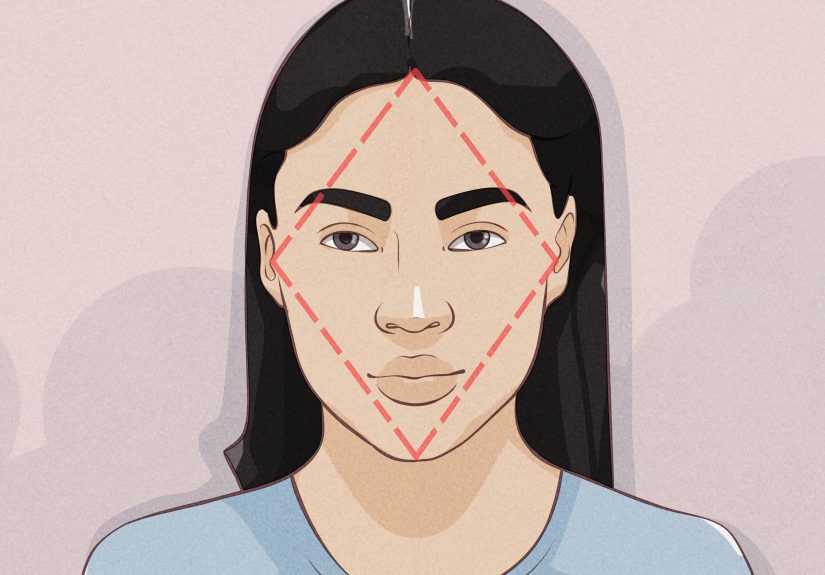
An oblong face shape is longer than it is wide, usually with fairly straight sides, a softly rounded jaw or slightly squared jawline, and a forehead, cheekbone area, and jaw that appear similar in width. Some people describe it as a long oval. Others place it closer to a rectangle. Real life, of course, likes to be unhelpfully nuanced, so many people fall somewhere in between.
The easiest way to tell whether you have an oblong face shape is to look at your proportions instead of one feature in isolation. If your face appears noticeably longer than it is wide, and your cheeks do not dramatically flare outward, you are probably in oblong territory.
Signs you may have an oblong face shape
- Your face is visibly longer than it is wide.
- Your forehead, cheekbones, and jawline look fairly even in width.
- Your chin is not especially pointy, but your face still reads as elongated.
- Very long, flat hairstyles can make your face look even longer.
That last point is the biggest giveaway. If a sleek, one-length style makes your reflection say “Victorian portrait but tired,” your haircut probably needs more width, softness, or movement.
The Main Styling Goal for an Oblong Face Shape
The best oblong face shape hairstyles usually do one or more of these things: add width at the sides, soften vertical length, break up the forehead area with bangs, and create movement around the cheekbones and jawline. In plain English, you are trying to balance length with shape.
This does not mean every haircut needs to be fluffy, curly, or aggressively layered. It just means that styles with horizontal movement tend to feel more harmonious than styles that pull the eye straight up and down. Think softness, texture, and shape around the face. Not “helmet hair.” Not “limp curtain.” Somewhere in the happy middle.
Best Hairstyles for Oblong Face Shapes
1. Curtain Bangs With Long Layers
If there were a fan club for oblong face shapes, curtain bangs would probably be the president. They break up forehead length, add softness through the upper half of the face, and blend beautifully into longer layers. They also give you styling flexibility: polished with a round brush, relaxed with a blow-dry cream, or a little messy in that “I woke up like this but also own three hair tools” way.
The key is placement. Ask for curtain bangs that open around the brow or cheekbone area rather than disappearing into endless length. When the shortest pieces hit too low, they can drag the face downward instead of widening it.
2. Blunt or Brow-Grazing Bangs
Blunt bangs are one of the best bangs for a long face shape because they visually shorten the face. A crisp fringe can create instant balance, especially if you have straight or slightly wavy hair. This look pairs especially well with bobs, lobs, and shags.
If full blunt bangs feel too severe, go for a softened version: airy blunt bangs, choppy bangs, or a slightly curved fringe that sits near the brows. You still get the balancing effect without committing to a full retro drama every single morning.
3. The Chin-Length Bob
A chin-length bob is one of the most flattering haircuts for oblong faces because it adds width exactly where a longer face benefits from it most. It can make the jawline appear fuller, create a wider silhouette, and keep the overall look crisp instead of droopy.
Wear it sleek, tucked, softly waved, or paired with bangs. A chin bob with subtle bend at the ends is especially chic because it widens the lower half of the face without looking too “done.” This is the haircut equivalent of a person who always looks expensive but swears they are low maintenance.
4. The Lob With Face-Framing Layers
If you are not ready for a full bob, the long bob is an excellent compromise. A lob that hits around the collarbone or just above the shoulders can flatter an oblong face shape beautifully, especially when it has layers or chin-length face-framing pieces.
The secret is avoiding a limp, one-length lob that just hangs there like it is emotionally unavailable. Texture matters. Soft bends, flipped ends, face-framing layers, or chin-grazing pieces make the cut feel alive and more balanced.
5. A Soft Shag
For anyone who loves movement, texture, or natural wave, the soft shag is a standout. Shags work well because they build fullness around the cheeks, temples, and sides of the head. Add bangs, and suddenly the whole face shape feels shorter and softer.
A soft shag is especially good if your hair has natural bend or curl. It creates body without forcing you to chase perfection. It also has a cool, undone vibe that says, “I am stylish,” not “I spent two hours trying to look accidentally stylish.”
6. Textured Pixie With Fringe
Short hair is absolutely not off-limits for an oblong face shape. In fact, a pixie can look amazing when it includes fringe, piecey texture, and softness around the hairline. The versions to aim for are less “sharp little skyscraper” and more “textured, modern, and slightly tousled.”
Longer bangs, side-swept fringe, and a rounded silhouette usually feel more flattering than a severe pixie with too much height and no softness. If your stylist hears “pixie” and immediately reaches for a military-grade clipper guard, gently redirect the conversation.
7. Shoulder-Length Waves
Shoulder-length hair with waves is one of the easiest wins for a long face shape. The length is balanced, the texture adds width, and the overall effect is relaxed but polished. This works for fine hair, medium-density hair, and thicker textures, depending on how the layers are cut.
If you use a curling iron, focus on soft bends rather than tight curls from root to tip. If you air-dry, add a mousse or texture cream and scrunch for body through the mid-lengths. The goal is a fuller outline, not pageant ringlets.
8. Curly Cuts With Shape at the Sides
Curly and coily hair can be stunning on an oblong face shape, especially when the cut builds width around the cheeks and temples. Curly bangs can be a game changer too. They soften the forehead area, add personality, and make the shape feel more balanced without fighting your texture.
For curly hair, the biggest mistake is often taking too much weight out of the sides or allowing the shape to grow too long without structure. A great curly cut should look intentional from the front, not just manageable from the back.
9. Low Buns, Low Ponytails, and Soft Updos
Updos can flatter oblong faces too, but placement matters. A lower bun or ponytail, plus loose pieces around the face, tends to be more balanced than a super-high snatched style with zero softness. Think elegant, not severe.
If you love a pulled-back look, keep some width through the sides or leave a little texture around the ears and cheekbones. A polished low bun with curtain pieces is timeless. A giant top knot that adds two extra inches of visual height? Proceed with caution.
Styles to Be Careful With
No haircut is universally forbidden, but a few styles can exaggerate the length of an oblong face shape if they are not customized.
Very Long, Flat, One-Length Hair
This is the classic “looks great on Pinterest, confusing on me” situation. Super-long hair with no layers, no texture, and no shape can pull the eye downward and make the face seem longer. If you love long hair, keep it. Just add movement, face-framing pieces, or bangs.
Excessive Height at the Crown
Big height up top can make a long face look longer. Volume is not the enemy, but where you place it matters. Volume at the sides is your friend. Volume only at the crown can become a geometry problem.
Ultra-Severe Center-Straight, Pin-Flat Styles
A middle part can work beautifully on an oblong face shape, but it usually looks best with layers, waves, bangs, or face-framing strands. A dead-straight center part with no softness can read harsher than flattering.
Short Layers That Remove Too Much Side Fullness
If your layers are cut in a way that thins out the sides and leaves length hanging below, the silhouette can feel bottom-heavy. Ask for shape that supports the face, not shape that abandons it halfway through the haircut.
Best Parts, Layers, and Styling Tricks
Choose Layers That Start Around the Cheekbones
Face-framing layers that begin around the cheekbones or jaw can visually widen the face and create beautiful movement. This is especially helpful if you want to keep your length but still need shape.
Use Texture to Add Width
Soft waves, dry texture spray, diffused curls, and flipped ends can all help an oblong face shape look more balanced. Texture is often more important than length. Two people can wear the same haircut, and the one with better shape through the sides will almost always look more harmonious.
Consider a Middle Part or a Soft Side Part
A middle part can work well for oblong faces when it is paired with long layers or bangs. A soft side part can also be flattering if it creates movement and a little asymmetry. The real answer is not “middle versus side.” It is “Which one makes your cut look alive?”
Do Not Forget the Ends
Flipping the ends out slightly, curling them under, or adding bend through the mid-lengths can make a huge difference. Hair that has shape at the ends rarely looks as dragging as hair that is poker-straight from roots to hemline.
Beyond Hair: Other Style Tips That Help
Makeup
If your face leans oval-oblong, blush placed on the apples of the cheeks and blended outward can help create a fresher, more balanced look. Overly sculpted placement can sometimes make a longer face look even longer. In other words, go for life, lift, and glow, not a full forensic contour map.
Earrings
Studs, clusters, medium hoops, and styles with width can complement an oblong face shape nicely. Very long, thin drop earrings can sometimes echo face length too much, while fuller shapes often balance it better. This is not a strict rule, just a useful styling shortcut.
Necklines
If you are building a whole look, scoop necks, boat necks, crew necks, and wider necklines can feel especially balanced with an elongated face. Again, nothing is banned. It is simply about visual proportion.
What to Ask Your Stylist
Walking into the salon with “Do whatever you think” is bold, but not always wise. For an oblong face shape, these requests can help:
- “I want more width around my cheekbones and jaw.”
- “Please avoid making my hair too flat and long.”
- “I’d like bangs, curtain bangs, or face-framing pieces to break up the length.”
- “Can we keep movement through the sides?”
- “I want this cut to suit both my face shape and my natural texture.”
Bring inspiration photos, but pay attention to hair density and texture too. A bob on thick hair and a bob on fine hair are cousins, not twins. Your best haircut is the one that flatters your face shape and still behaves on a random Wednesday.
Final Thoughts
The best oblong face shape hairstyles are not about shrinking your features or following rigid beauty rules. They are about balance. Bangs can shorten the look of the face. Layers can widen it. Bobs, lobs, shags, waves, and textured pixies can all be fantastic choices when they are customized well.
If you remember only one thing, make it this: an oblong face shape usually looks best when the haircut creates width, softness, and movement. That is the big idea. Everything else is just personal taste, maintenance level, and whether you are emotionally available for bangs this season.
Real-Life Experiences With Styling an Oblong Face Shape
One of the most common experiences people with an oblong face shape talk about is the long-hair trap. They grow their hair out because everyone says long hair is feminine, versatile, and glamorous, which is true. Then one day they catch their reflection in a store window and realize their haircut is not giving “romantic softness.” It is giving “beautiful lampshade.” The problem is rarely the length itself. The problem is usually that the hair is too flat, too one-length, or too heavy at the bottom. Once they add curtain bangs, cheekbone layers, or soft waves, everything suddenly clicks. Same person. Same face. Better shape.
Another common experience is being afraid of short hair for years, then trying a bob and wondering where that haircut has been all their life. A chin-length or shoulder-skimming cut often makes an oblong face shape look instantly more balanced. It can also make fine hair seem fuller and thicker hair feel more intentional. Many people are surprised that shorter hair actually flatters them more than extra-long hair ever did. It is one of those rude but useful beauty truths.
There is also the bangs journey, which deserves its own emotional support group. People with oblong face shapes often hesitate because bangs sound like maintenance, commitment, and possible regret. All valid concerns. But when the right fringe is cut for your texture and lifestyle, it can be transformative. Curtain bangs can soften the face without feeling too heavy. Blunt bangs can create a chic, fashion-forward balance. Curly bangs can make textured hair feel playful and modern instead of random. The trick is choosing a bang style you will actually style. A great bang for your face shape is still a bad bang if you hate dealing with it every morning.
People with wavy or curly hair often report the best results when they stop fighting their texture. Instead of straightening everything flat, they lean into natural volume at the sides and a shaped cut that supports it. That shift alone can make an oblong face look more balanced. The same goes for updos. A low bun with a few loose pieces often feels softer and more flattering than a severe high ponytail that lifts everything skyward.
And then there is the stylist communication issue. Many disappointing haircuts happen not because the stylist is untalented, but because the client asks for a celebrity cut without mentioning face shape, density, or styling habits. The best experiences usually happen when the conversation gets specific: “I want my face to look a little wider,” “I need something that works with my natural wave,” or “Please do not leave me with long, flat ends that make me look like a sad Renaissance noble.” Specific? Yes. Effective? Also yes.
In the end, the most successful style experiences with an oblong face shape all have one thing in common: the haircut works with proportions instead of ignoring them. When the cut adds width, softness, and movement, the whole look feels easier. Not forced. Not costume-like. Just balanced, flattering, and a lot more fun to wear in real life.