Table of Contents >> Show >> Hide
- What A Whole-Home Makeover Really Means
- The Young House Love Way: Lists, Links & Low-Stress DIY
- Room-By-Room Makeover Ideas You Can Actually Finish
- How To Keep Track of All Those Project Links
- Budget, Timeline & Sanity: The Unsexy Essentials
- What A Whole-House Makeover Really Feels Like (Lessons From the Trenches)
- Wrapping Up: Your House, Your Story
If your house could talk right now, would it say “Thanks for the cozy throw pillows”
or “Why are there five different paint colors in one hallway?” A full home makeover
sounds glamorous, but in real life it usually looks like a to-do list that’s longer
than your arm, a browser full of DIY project links, and at least one room that’s
permanently “in progress.”
That’s exactly why so many people fell in love with Young House Love.
Sherry and John famously broke their fixer-upper adventures into real, trackable
liststhen circled back with an honest “rundown” of what they actually finished,
what they skipped, and what they totally changed their minds about along the way.
Their list-focused approach is one of the easiest ways to make a whole-house
makeover feel less like chaos and more like a game plan.
In this guide, we’ll walk through a full rundown of home makeover projects, inspired
by that Young House Love mindset: clear categories, realistic expectations, and
plenty of fun. We’ll talk about curb appeal, kitchen upgrades, bathroom refreshes,
and those little “linkable” projects you’ll want to document and share once
you’re done. Consider this your virtual Listy McListersonwith fewer scribbles
and more strategy.
What A Whole-Home Makeover Really Means
A whole-home makeover doesn’t always mean demoing every wall and living in a
construction zone for a year. Many homeowners slowly transform their space one
project at a timepainting here, updating a bathroom there, tweaking the floor
plan when it makes sense. Renovation pros often break projects into categories:
structural changes, layout updates, cosmetic upgrades, and outdoor improvements.
That’s true whether you’re doing a full remodel or a phased, room-by-room plan.
Common makeover buckets include:
- Curb appeal: landscaping, walkway, porch, front door, exterior paint
- Shared living areas: living room, dining room, family room, hallway flow
- Kitchen: cabinets, counters, backsplash, appliances, lighting
- Bathrooms: vanity, tile, fixtures, storage, ventilation
- Bedrooms: layout, storage, lighting, color palette
- Bonus spaces: office, guest room, playroom, flex rooms
- Outdoor living: decks, patios, fencing, backyard zones
Whole-house remodeling guides consistently recommend planning the big-picture
order before you start: anything involving electrical, plumbing, or layout changes
should happen early, followed by flooring and paint, and then the fun details
like lighting, hardware, and styling. That’s exactly what makes a “rundown”
so helpfulyou can see which pieces depend on others and avoid redoing work
twice.
The Young House Love Way: Lists, Links & Low-Stress DIY
Young House Love didn’t become a household name by accident. The blog chronicles
years of projects across multiple homesranches, colonials, a beach house, a
duplexlayered with before-and-after photos, tutorials, and plenty of budget talk.
Their secret weapon? A master house list that keeps everything organized while
still allowing plans to evolve as they live in the space.
Start With A Whole-House To-Do List
Before they tackled a single wall, Sherry and John made a giant, room-by-room
list for each house. It wasn’t fancy: just every project they could imagine,
from “add a big doorway between the kitchen and dining room” to “plant shrubs
in the front yard.” Over time, they crossed things off, added new ideas, and
occasionally scratched entire plans because the house suggested a better solution
once they lived in it a while.
You can steal that move in three steps:
-
Walk your house with a notebook. Start at the front door and move
clockwise. In each room, jot down quick bullet pointspaint, lighting, storage,
layout changes, decor ideas, and any “someday” dreams. -
Label each project by size. Use S (small: < 2 hours), M (medium:
a weekend), and L (large: multi-week) to keep expectations realistic. -
Group your list by zones. Instead of a random pile of tasks, organize
by curb appeal, main living areas, kitchen, baths, bedrooms, and outdoor spaces.
That’s your personal home makeover rundown.
The magic of a written list isn’t just staying organizedit’s motivation. Crossing
off a project (or updating it with a link to the finished tutorial or photo album)
makes your progress feel real, especially during long renovations.
Break Projects Into Manageable Zones
No one renovates all the things at once without losing their mind. Instead, think
like Young House Love and zoom in on zones:
- Front yard & exterior: paint, trim, porch swing, house numbers
- Living & dining: wall color, window treatments, furniture layout
- Kitchen: cabinets, counters, lighting, hardware, organization
- Bathrooms: vanity paint, mirrors, tile, fixtures, storage
- Bedrooms: headboard wall, closets, cozy textiles, blackout shades
- Backyard & deck: seating, fire pit, string lights, privacy screens
When your home makeover is structured like this, those scary words
whole-house projectsuddenly become a series of smaller wins.
Room-By-Room Makeover Ideas You Can Actually Finish
Let’s get into specific home makeover projects that deliver big visual impact
without requiring a TV crew or a reality-show budget. These are the kinds of
upgrades that show up again and again in whole-house remodeling guides and DIY
blogs because they reliably work.
Curb Appeal & Front Entry Refresh
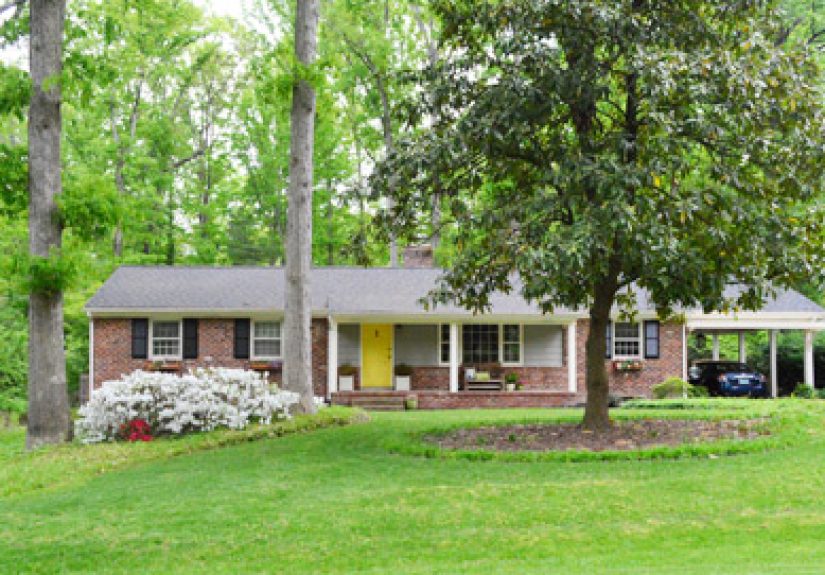
Curb appeal is like your home’s handshake. You don’t have to build a new porch
to upgrade itsmall, coordinated changes make all the difference.
-
Repaint the front door. A fresh, saturated color (navy, teal,
deep green, or classic red) can completely change the mood of your exterior. -
Upgrade hardware. Matching the door handle, mail slot, doorbell,
and house numbers instantly makes things feel intentional. -
Layer in plants and lighting. Potted evergreens, a simple doormat,
and updated sconces can take your front porch from “ignored” to “Instagrammed.” -
Define pathways. Even inexpensive pavers, pea gravel borders,
or solar path lights can guide guests right to your door with style.
These mini-projects are the ones people click on and pin endlessly, which is
why blogs like Young House Love keep a robust set of before-and-after exterior
photos for each house they renovate.
Living & Dining Room Makeovers
Your main living areas do a lot of heavy liftingmovie nights, homework, hosting,
piles of laundry that are “only there for a minute.” Good news: They’re often
the easiest spaces to refresh without major construction.
-
Update wall color. Warm whites, soft grays, and gentle greiges
make a great backdrop for changing art and textiles over time. -
Rethink the furniture layout. Pull sofas off the walls, create
conversation zones, and float chairs on an area rug that’s big enough for at
least the front legs of furniture. -
Swap window treatments. Simple, lined curtains hung high and
wide can visually enlarge windows and make ceilings feel taller. -
Layer lighting. Combine overhead fixtures with floor lamps,
table lamps, and sconces so the room doesn’t depend on one sad ceiling light.
These projects show up again and again in whole-house remodel rundowns because
they’re relatively affordable, beginner-friendly, and extremely photogenic.
Kitchen Updates Without a Full Gut Renovation
Full kitchen remodels are expensive and disruptive. That’s why many homeowners
and a ton of DIY blogslean hard on cosmetic updates that stretch the life of
existing cabinets and layouts.
-
Paint (or refinish) the cabinets. With a good cleaner, primer,
and durable paint, dated wood or builder-grade finishes can look completely new. -
Swap the hardware. Matching knobs and pulls in a modern finish
(brushed brass, black, or stainless) provide an instant upgrade. -
Refresh the backsplash. Options range from classic subway tile
to peel-and-stick panels that you can install in an afternoon. -
Upgrade lighting and faucet. A statement pendant and a sleek,
pull-down faucet make the space feel thoughtfully updated, even if the footprint
hasn’t changed. -
Organize the insides. Roll-out shelves, drawer dividers, and
dedicated zones for coffee or baking turn daily chaos into a smoother routine.
These are the kinds of projects that show up as clickable links in a Young House
Love-style rundown: “kitchen cabinet painting tutorial,” “backsplash before &
after,” “pantry organization makeover,” and so on.
Bathroom Refreshes on a Real-World Budget
Bathrooms might be small, but they pack a big visual punch. A full gut job is
great when plumbing or waterproofing is failing, but many bathrooms only need
a smart refresh.
-
Paint the vanity. Updated cabinet color plus new knobs can
completely transform a tired sink area. -
Swap the mirror and lights. Replacing a builder-grade mirror
with a framed option and adding sconces or a more stylish vanity light instantly
elevates the room. -
Deep-clean or refresh grout. Regrouting, caulking, or using
grout colorant can make old tile look dramatically cleaner. -
Upgrade fixtures and textiles. Coordinated towel bars, hooks,
faucets, plus a fresh shower curtain and bath mat tie everything together. -
Add pattern thoughtfully. Peel-and-stick wallpaper or patterned
floor tile in a small bath gives you major style with less risk than in a giant
space.
These “small but mighty” bathroom projects are perfect for weekend warriors and
are often some of the most satisfying before-and-afters in any home makeover
rundown.
Bedrooms & Bonus Spaces
Bedrooms, guest rooms, home offices, and bonus rooms can easily become the
“catch-all” spaces where good design goes to die. Reclaiming them is a huge part
of feeling like your home finally matches your life.
-
Create a calm color palette. Soft, limited colors in bedrooms
reduce visual noise and make a huge difference in how restful they feel. -
Maximize storage. Built-in wardrobes, closet systems, and
under-bed storage turn clutter into invisible order. -
Reimagine the room’s purpose. Many designers now encourage
transforming underused rooms into something more usefullike converting a spare
bedroom into a dreamy pantry, craft space, or hybrid office. -
Layer cozy elements. A real headboard, upgraded bedding, a
rug under the bed, and bedside lighting all contribute to “hotel at home”
vibes.
Bonus spaces are where your personality can really come outwhether that’s a
quirky library nook or a moody home theater. They’re also some of the most fun
projects to link up in a house-wide makeover recap.
How To Keep Track of All Those Project Links
One thing Young House Love has always done well is linking. Their house tours
and before-and-after pages act as hubs, pointing to individual project posts:
the fireplace makeover, the backyard overhaul, the dining room upgrade, and
so on. That’s great for readers, but it’s also fantastic for you as the
homeownerit’s effectively a living scrapbook of your progress.
You can set up something similar, even if you’re not a blogger:
-
Create a shared “house hub” document. Use a cloud doc or
note app to list each room, projects you plan, and links to photos, videos,
or how-to articles you’re using. -
Keep a private “before & after” gallery. Make an album
on your phone or cloud storage with clear labels (e.g., “Hallway Before,”
“Hallway After – New Paint & Lights”). -
Pin strategically. Instead of random Pinterest chaos, create
boards by room in your own house (“Our Kitchen,” “Our Backyard”) and save
both inspiration and your finished project photos there. -
Use internal links if you have a site. If you do blog or share
projects online, link each finished space back to a central “Our Home Makeover”
page. It’s great for readers and good for SEO.
Over time, this turns your scattered projects into a cohesive storyexactly
what makes Young House Love’s “rundown” posts so addictive to scroll.
Budget, Timeline & Sanity: The Unsexy Essentials
You can’t talk about a full home makeover without mentioning money, time, and
sanity. Most homeowners underestimate at least two of the three.
-
Set a realistic budgetand add a buffer. Renovation guides often
suggest padding your budget by 10–20% for surprises. If you’re in an older home,
make that buffer your new best friend. -
Prioritize safety and structure. Electrical, plumbing, moisture,
and structural issues come first. Pretty can wait until “safe and sound” is
checked off. -
Phase projects logically. Do anything messy or structural before
installing new floors or expensive fixtures. That’s one of the biggest regrets
people mention when they remodel out of order. -
Know when to DIY and when to hire. Painting, hardware swaps, and
basic tiling can be very DIY-friendly. Anything involving major wiring, gas lines,
or structural changes is usually safer in a licensed pro’s hands. -
Protect your living space. Even when only one room is under
construction, dust and tools tend to wander. Zip walls, drop cloths, and a
designated “clean zone” keep your life from feeling like an endless jobsite.
Think of each decision as something Future You will either thank you for or
silently curse. A good rundown doesn’t just list what got doneit reflects
the smarter choices you made along the way.
What A Whole-House Makeover Really Feels Like (Lessons From the Trenches)
On paper, a home makeover is a neat checklist. In real life, it’s more like a
sitcom season: wins, disasters, plot twists, and at least one episode involving
a surprise leak. To round out this Young House Love–style rundown, let’s talk
honestly about what the experience is actually like.
First, there’s the honeymoon phase. You’re walking through your “before” house
with big dreams and a fresh notebook. Every room is a possibility. You can
practically see the gallery walls, gleaming floors, and magazine-worthy kitchen
island. At this stage, it’s easy to underestimate both cost and time. Many
homeowners assume they’ll “knock everything out in a year.” Spoiler: houses
have other plans.
Then comes the reality phase. Maybe you open a wall and discover surprise wiring,
ancient plumbing, or insulation that looks like it was installed by raccoons.
Your carefully sequenced list suddenly shifts as you scramble to address
behind-the-scenes issues. This is when that budget buffer becomes a lifesaver.
It’s also when you realize why seasoned DIYers preach “fix the bones first”
before splurging on anything decorative.
The middle stretch can feel endless. You’re living in a half-finished house,
stepping over tools, and wondering why you thought repainting all the trim in
one weekend was realistic. The key here is celebrating “micro-wins.” You hung
all the new hallway lights? Take photos. You finally finished the last coat of
paint in the dining room? Update your list and bask in the crossed-off line.
Those tiny hits of progress keep you going when the big reveal still feels far
away.
You’ll also get better at pivoting. Maybe the dining room you were sure needed
a dark accent wall actually feels better bright and airy. Maybe the guest room
quietly morphs into a remote-work office because that’s what your life demands
right now. Home makeover veterans will tell you: some of the best decisions
happen mid-project, once you’re actually living in the evolving space.
There’s usually at least one “we did it!” moment that makes the mess worth it:
stepping onto your finished deck at sunset; cooking the first real meal in a
fully functional kitchen; soaking in a bathroom that no longer reminds you of
a 1980s motel. These are the moments you’ll link to, share, and scroll back
to later, the way readers revisit a big before-and-after reveal on Young House
Love.
Finally, and maybe most surprisingly, the rundown is never really “final.”
Just like the Petersiks eventually moved on to new homes and new lists, you’ll
keep evolving your space. Tastes shift, kids grow, work changes, and suddenly
that playroom needs to be a homework hub, or the guest room becomes a nursery.
The point isn’t to reach a mythical state of “done.” The point is to keep
shaping a home that fits your lifeand to have a record of that journey you
can look back on with a mix of pride, amusement, and “what were we thinking
with that paint color?”
So if you’re in the middle of your own big makeover, take a breath. Make your
list. Document your progress. Laugh at the weird twists. And when you finally
sit down in your finished spacewith paint on your hands and a thousand photos
in your camera rollyou’ll have your own full rundown of home makeover projects
and links to show for it.
Wrapping Up: Your House, Your Story
A full rundown of home makeover projects isn’t just a brag sheet. It’s a story
about how you learned what works for your house, your budget, and your lifestyle.
Young House Love’s approachbig lists, honest updates, and lots of linked projects
proves that you don’t need a TV crew or a giant budget to transform a home. You
just need a plan, some patience, and a willingness to learn as you go.
Whether you’re repainting a single room or slowly renovating every square foot,
let your list guide you, your links remind you how far you’ve come, and your
home reflect the people who actually live there. The best makeovers aren’t
perfect; they’re lived-in, loved, and uniquely yours.
SEO metadata