Table of Contents >> Show >> Hide
- Why Copper Works So Well in a London Cafe
- The Design Story: From Hidden Plumbing to Main Character Energy
- Copper, Brick, Wood, and Steel: A Material Mix That Behaves
- Why Copper Feels Warmer Than Other Metals
- The Practical Side of Copper in Cafe Interior Design
- What Designers Can Learn from Trade’s Copper Interior
- Copper and the Rise of Warm Industrial Design
- How to Borrow the Look at Home
- Care and Maintenance: Keeping Copper Beautiful
- Why This Cafe Still Feels Relevant
- Extra Experience Section: What It Feels Like to Sit Inside a Copper-Filled Cafe
- Conclusion
Some cafes whisper. Others shout in neon, marble, and chairs that look like they were designed during a furniture argument. Then there is the rare cafe that simply glows. Trade, a cafe and restaurant on Commercial Street in London’s East End, belongs in that last category. Its secret is not a complicated color palette or a wall of inspirational quotes about espresso. It is copper: warm, reflective, practical, historic, and just a little bit theatrical.
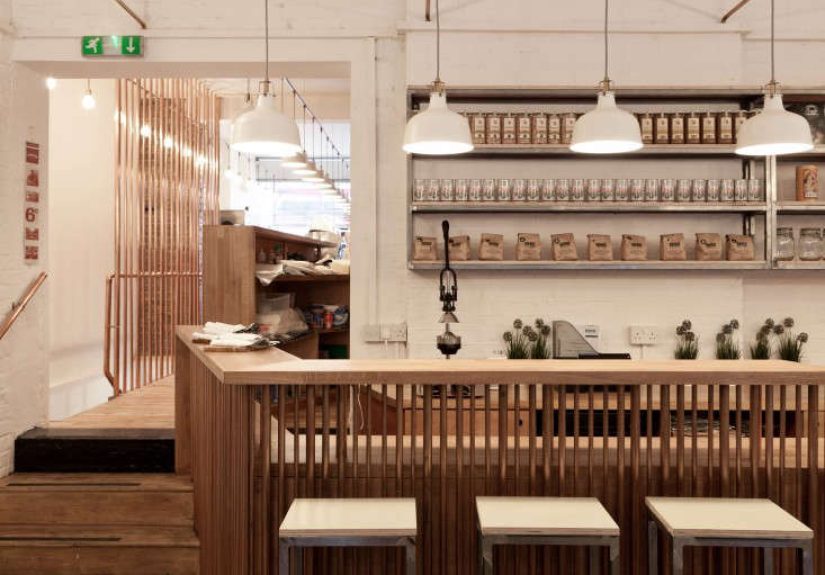
The design, created by London studio TwistInArchitecture, turns ordinary copper piping into the star of the room. Instead of hiding pipework inside walls, the cafe lets it step into the spotlight. Copper tubes run across ceilings, frame the bar, form screens, support lighting, and create an industrial rhythm that feels both engineered and welcoming. The result is a London cafe interior that looks polished without feeling precious, and clever without winking too hard at itself.
That is the charm of copper in cafe design. It can feel old-world and modern at the same time. It belongs to plumbing, cookware, historic rooftops, restaurant counters, pendant lights, and the humble penny. In a cafe, copper adds warmth where steel can feel cold, personality where minimalism can feel blank, and a sense of craft where cheap trend-chasing can feel disposable. In other words, copper is the design equivalent of a very good barista: useful, stylish, and quietly responsible for the entire mood.
Why Copper Works So Well in a London Cafe
London cafes have a special design challenge. They often sit inside older buildings with narrow footprints, layered histories, awkward corners, and brick walls that have seen more drama than a streaming-service finale. A successful cafe interior has to respect that history while still feeling fresh enough to attract people who judge brunch locations by lighting quality.
Copper helps bridge that gap beautifully. Its reddish-brown glow softens the roughness of exposed brick, concrete, and steel. It reflects light in a muted way, so the space feels animated without turning into a disco ball with pastries. In Trade’s case, the copper pipes also nod to Commercial Street’s working past, when the surrounding area was connected to building trades, markets, textiles, and material yards. The material is not random decoration. It feels like it belongs there.
That sense of belonging matters. Great restaurant design is not just about choosing beautiful things. It is about choosing beautiful things that make sense in context. A copper pipe installation in a sleek suburban smoothie bar might look like someone panic-bought plumbing supplies. In an East London cafe with textured walls, timber, stainless shelving, and an industrial neighborhood story, it feels intentional.
The Design Story: From Hidden Plumbing to Main Character Energy
The most interesting idea behind Trade’s design is simple: what if the systems usually hidden behind walls became part of the atmosphere? Copper pipes traditionally carry water, gas, or electrical services. They are functional, hardworking, and usually invisible once construction is complete. TwistInArchitecture flipped that expectation by making the pipes visible, decorative, and spatially important.
At the front, the coffee shop welcomes customers from Commercial Street. Deeper inside, the restaurant area continues the same material language. Copper tubing carries electricity to pendant lights over the bar, while copper pipework forms screens, a staircase balustrade, and a decorative face along the counter. The cafe does not merely sprinkle copper accents around the room like metallic confetti. It builds the design around them.
This is why the interior feels memorable. Many cafes use metal finishes on light fixtures or handles. Trade goes further by turning a practical construction element into a visual structure. The pipes create lines, grids, shadows, and reflections. They organize the eye. They make the ceiling feel active. They bring a sense of rhythm to the bar area. And, perhaps most importantly, they give customers something to talk about while waiting for coffee, which is a noble public service.
Copper, Brick, Wood, and Steel: A Material Mix That Behaves
The copper would not work nearly as well without the supporting cast. In Trade, copper is paired with white brick walls, textured surfaces, wood finishes, stainless shelving, and straightforward furniture. This balance keeps the room from feeling too shiny. Copper is charismatic, but too much of it can quickly move from “warm glow” to “inside of a luxury saucepan.”
White brick gives the copper room to breathe. Wood adds softness and acoustic warmth. Stainless steel keeps the space practical and professional. The restaurant section also uses wood paneling as both a visual feature and a way to help absorb sound. That detail matters in a cafe, because a beautiful room that sounds like a fork convention is not a relaxing place to eat breakfast.
The best cafe interiors are designed for the body as much as the camera. They consider where people stand, queue, sit, order, look, lean, and awkwardly wonder whether the pastry on the counter is for display or emotional support. Trade’s copper design is photogenic, yes, but it also supports function: lighting, screening, circulation, and atmosphere all work together.
Why Copper Feels Warmer Than Other Metals
Steel, chrome, and aluminum can look crisp, but they often feel cool. Brass feels elegant and slightly formal. Blackened metal can feel bold, moody, and architectural. Copper lands somewhere different. Its natural color has warmth built into it. It picks up amber light, works beautifully with coffee tones, and creates a comforting glow that suits hospitality spaces.
That warmth is especially useful in cafes, where the emotional goal is not just to sell coffee but to make people want to stay. A cafe is part dining room, part office, part meeting point, part first-date testing facility, and part emergency shelter for anyone who has walked too far in uncomfortable shoes. The materials must feel durable, but not harsh. Stylish, but not intimidating. Copper manages that balance.
It also changes with time. Unlike a plastic laminate pretending to be timeless, copper actually ages. It darkens, oxidizes, and develops patina. Depending on exposure, finish, cleaning, and handling, it may shift from bright rose-gold tones to deeper browns or, over longer periods outdoors, blue-green tones. That living quality gives copper interiors a sense of personality. The material keeps a record of use, and in a cafe, that is part of the romance.
The Practical Side of Copper in Cafe Interior Design
Copper is not just pretty. It is durable, workable, and historically tied to architecture, plumbing, cookware, and electrical systems. Designers like it because it can be formed into pipes, sheets, panels, fixtures, counters, rails, and lighting elements. It can be polished for shine, left raw for aging, sealed to slow patina, or paired with other metals for contrast.
In cafe design, copper works especially well in several areas:
1. Lighting
Copper pendant lights, pipe-mounted lighting grids, and reflective details can make a space feel warmer instantly. At Trade, copper tubing does more than decorate; it helps carry electricity to pendant lights. This gives the lighting system a visible logic, like the cafe is proudly showing its wiring homework.
2. Bar Fronts and Counter Details
The bar is the stage of a cafe. It is where coffee appears, cakes flirt from behind glass, and customers make the brave decision between “just a coffee” and “coffee plus sandwich plus something sweet because life is short.” Copper on a bar face or counter edge catches attention and adds texture without needing loud color.
3. Screens and Balustrades
Copper pipes can create semi-transparent partitions that divide zones without blocking light. Trade uses copper pipework as a staircase balustrade screen and as a decorative screen along the bar. This is a smart move in compact hospitality interiors, where designers often need separation without visual heaviness.
4. Shelving and Display
Copper pairs nicely with open shelving, especially when combined with brick, glass, and wood. Even small copper brackets or rails can elevate a display of coffee bags, ceramics, pastries, or plants. It suggests craft rather than clutter.
5. Hardware and Small Accents
For homeowners or small cafe owners who do not want to install a copper pipe sculpture across the ceiling, smaller details can still work. Cabinet pulls, menu holders, wall hooks, mirror frames, door handles, and pendant shades can bring the same warmth in a more budget-friendly way.
What Designers Can Learn from Trade’s Copper Interior
The biggest lesson from this London cafe is not simply “use copper.” The real lesson is “make the material tell the story.” Trade’s interior works because the copper is connected to the building’s function, the neighborhood’s material history, and the cafe’s brand identity. It is not decoration for decoration’s sake.
For a cafe owner, that approach is valuable. A memorable interior can help a business stand out, but only if the design feels authentic. Customers can sense when a space has been assembled from trendy parts with no deeper idea. One wall says industrial. Another says Scandinavian. A neon sign says “But first, coffee.” Suddenly the room feels like it was designed by a Pinterest board that got too much caffeine.
Trade avoids that trap by staying focused. Copper, wood, brick, stainless steel, and simple furniture form a coherent palette. The materials feel honest. The cafe looks designed, but not over-decorated. It feels like a place where the details were thought through, not just ordered in bulk.
Copper and the Rise of Warm Industrial Design
Industrial design has been popular in restaurants and cafes for years, but not every industrial interior feels inviting. Exposed ductwork, concrete floors, black steel, and Edison bulbs can look handsome, yet they can also feel a bit like eating lunch in a very expensive garage. Copper changes the equation. It keeps the industrial honesty but adds warmth.
This is why copper continues to appear in hospitality interiors, boutique hotels, bars, restaurants, and residential kitchens. It complements current design preferences for natural materials, visible craft, aging finishes, and rooms that feel lived-in rather than showroom-perfect. In a world full of wipe-clean sameness, copper offers character.
It also photographs well, which matters in modern hospitality. A cafe interior has to work in person, but it also needs to survive the tiny courtroom of social media. Copper catches light, frames compositions, and adds a recognizable signature. A customer may not know the name of the designer, but they will remember “the cafe with the copper pipes.” That is branding without shouting.
How to Borrow the Look at Home
You do not need to own a London cafe to enjoy the copper look. Homeowners can borrow the idea in smaller, more manageable ways. The trick is moderation. Copper is like chili oil: wonderful in the right amount, alarming when poured everywhere.
Start with lighting. A copper pendant over a kitchen island or breakfast nook can bring instant warmth. In a white kitchen, it prevents the space from feeling too clinical. In a dark kitchen, it adds glow and depth. Next, consider open shelving with copper brackets or rails. This gives the room a hint of cafe energy without requiring major construction.
For a stronger statement, exposed copper pipe can be used as a curtain rod, pot rail, towel rail, or shelving support. The material works particularly well with butcher block, marble, subway tile, plaster walls, and painted cabinetry in deep green, navy, cream, charcoal, or warm white.
If you are designing a small breakfast corner, copper can also show up through accessories: a French press, kettle, tray, wall hooks, plant mister, picture frames, or small table lamp. The key is to repeat it just enough that the choice feels deliberate. One copper object may look accidental. Three or four thoughtfully placed details feel like design.
Care and Maintenance: Keeping Copper Beautiful
Copper changes. That is part of the appeal, but it is also something to understand before using it in a cafe, kitchen, or high-touch area. Unlacquered copper will darken and develop marks from hands, moisture, food, and air. Some people love that natural patina. Others prefer a polished look and may need to clean it regularly.
For hospitality spaces, maintenance decisions should be made early. A bright, polished copper counter requires more care than an aged copper pipe screen mounted away from constant handling. Sealed finishes can slow oxidation, while raw finishes invite change. Neither choice is automatically better. It depends on the mood of the space and the amount of upkeep the owner is willing to handle.
Designers should also think about where copper is placed. Areas that receive constant touching, splashing, or cleaning need practical specifications. Decorative overhead pipework will age differently from a countertop or door pull. In a cafe, the smartest copper details are often those that combine visibility with durability, like lighting grids, partitions, rails, and bar fronts.
Why This Cafe Still Feels Relevant
Even though the original design story around Trade’s copper interior dates back years, the idea still feels fresh because it is rooted in good design principles rather than a passing gimmick. It uses a familiar material in an unexpected way. It connects the interior to local history. It balances beauty with function. It creates a distinctive atmosphere without depending on novelty alone.
That is why “A London Cafe Takes a Shine to Copper” remains such an appealing design topic. It is not merely about one cafe looking nice. It is about how small commercial spaces can tell richer stories through material choices. It shows how a cafe can become memorable by making ordinary building components extraordinary. It proves that pipework does not always need to hide in shame behind plasterboard. Sometimes, it deserves applause.
Extra Experience Section: What It Feels Like to Sit Inside a Copper-Filled Cafe
Imagine stepping off a busy London street and into a cafe where the first thing you notice is not the menu, but the glow. Copper has a way of changing the air in a room. It does not sparkle aggressively. It warms the space from the edges, catching light in soft flashes above the bar and along the walls. The room feels designed, but not stiff. You can still imagine someone dropping a spoon, laughing too loudly, or debating whether a second coffee counts as self-care or a medical necessity.
The best experience in a copper-focused cafe is visual discovery. At first, you see the overall warmth. Then you notice the details: the way pipework runs across the ceiling, how pendant lights hang from it, how vertical pipes form a screen without fully closing off the room. You begin to understand that the material is not just there to look good. It is organizing the space. It is guiding your eye from the entrance to the bar, from the bar to the seating, from the seating to the deeper restaurant area.
That kind of design makes waiting pleasant. In many cafes, waiting in line is just waiting in line. In a thoughtfully designed interior, your eyes have somewhere to go. You study the brickwork, the shelving, the texture of the wood, the reflections in the copper. The space gives you little rewards before your order even arrives. That is a quiet but powerful part of hospitality design.
Sitting in such a cafe also changes how food and drink feel. Coffee looks richer against warm metals and natural wood. A sandwich on a simple plate feels more satisfying in a room that suggests craft and care. Even a plain cup of tea seems to benefit from the surroundings, as if the copper has politely upgraded the mood without asking for credit.
There is also a human comfort in visible materials. When pipework is exposed and beautifully arranged, the room feels honest. You can see how parts connect. You can sense the hand of the maker. In an age when many interiors hide everything behind smooth surfaces, visible construction details can feel refreshing. They remind us that buildings are assembled, not magically rendered into existence by a design fairy with excellent taste.
For cafe owners, this experience matters because customers remember feelings more than floor plans. They may forget the exact sandwich they ordered, but they remember that the place felt warm, clever, and full of character. They remember that the interior had a point of view. They remember that it looked great in a photo but felt even better in person. That is the kind of design that turns a first visit into a recommendation.
For home design lovers, the experience offers a useful takeaway: atmosphere is built through layers. Copper alone is not magic. It works because it interacts with light, wood, brick, sound, smell, and movement. The glow of the metal becomes part of the coffee aroma, the clatter of cups, and the soft buzz of conversation. That is why copper in a cafe feels so appealing. It does not just decorate the room. It participates in it.
Conclusion
A London cafe that takes a shine to copper is really a lesson in thoughtful design. Trade shows how a practical material can become a defining feature when used with imagination and restraint. Copper pipes, usually hidden behind walls, become lighting supports, screens, balustrades, and atmosphere-makers. Paired with brick, wood, stainless steel, and simple furniture, they create a cafe interior that feels warm, industrial, historic, and modern all at once.
For designers, cafe owners, and homeowners, the takeaway is clear: choose materials with meaning. Copper works because it is beautiful, durable, tactile, and connected to both craft and infrastructure. It ages, reflects, softens, and tells a story. Whether used in a London cafe, a restaurant bar, or a home kitchen, copper brings a glow that feels lived-in rather than staged. And in a world of forgettable interiors, that kind of shine is worth noticing.
Note: This article synthesizes verified design details about Trade on Commercial Street, TwistInArchitecture’s copper-focused interior concept, Trade’s current Commercial Street listing, restaurant descriptions, and copper architecture/material guidance from reputable design and material references. Key factual grounding: Trade’s copper pipe interior and location details; the cafe’s current Commercial Street presence; copper’s architectural patina and durability; and antimicrobial copper context where relevant.