Table of Contents >> Show >> Hide
- The Day Everything Started to Make Sense
- First Lesson: Type 2 Diabetes Is Not a Character Flaw
- Understanding the Symptoms Daniel Missed
- The Diagnosis: Numbers, Feelings, and a Very Serious Pamphlet
- Building a Type 2 Diabetes Management Plan
- Complications: Why Small Habits Matter
- The Emotional Side of Type 2 Diabetes
- What Changed After Six Months
- Practical Lessons From a Patient's Tale of Type 2 Diabetes
- Additional Patient Experiences: Living Longer With the Story
- Conclusion
Type 2 diabetes does not usually arrive with dramatic music, flashing lights, or a villain cape. More often, it sneaks in quietly: an extra trip to the bathroom at night, a thirst that makes water taste like a five-star beverage, a tiredness that coffee politely refuses to fix, and a blurry grocery receipt that suddenly looks like ancient hieroglyphics.
This is a patient’s tale of type 2 diabetesnot a single person’s private medical record, but a realistic, human-centered story built from common experiences shared by many adults living with the condition. It is also a practical guide to understanding symptoms, diagnosis, daily management, food choices, blood sugar monitoring, exercise, medications, emotional health, and the small victories that deserve confetti, even if the confetti is just unsweetened oatmeal behaving itself.
The Day Everything Started to Make Sense
The story begins with a familiar character: an ordinary adult with a busy life, a full calendar, and a body that has been sending tiny complaint letters for months. Let’s call him Daniel. Daniel is not lazy. He is not careless. He is not a walking cautionary tale. He is a person who works, eats, worries, sleeps poorly sometimes, forgets appointments, loves family dinners, and believes that “I’ll deal with it later” is a perfectly acceptable health strategy until later shows up with lab results.
For months, Daniel noticed he was thirstier than usual. He blamed salty food. Then he started waking up at night to urinate. He blamed aging. His energy dropped. He blamed work. His vision blurred once in a while. He blamed screens. The body can be very patient, but eventually it becomes a dramatic office manager and demands a meeting.
At a routine checkup, Daniel’s clinician ordered blood tests. His A1C was in the diabetes range. A1C is a blood test that estimates average blood sugar over roughly the past two to three months. For many adults, an A1C of 6.5% or higher may indicate diabetes, while 5.7% to 6.4% suggests prediabetes. Daniel did not hear much after the word “diabetes.” The room suddenly became very quiet, except for the loud voice in his head asking, “Did I do this to myself?”
First Lesson: Type 2 Diabetes Is Not a Character Flaw
One of the cruelest myths about type 2 diabetes is that it is simply the result of bad choices. Real life is not that tidy. Type 2 diabetes develops when the body does not use insulin properly, does not make enough insulin over time, or both. Insulin is the hormone that helps move glucose from the bloodstream into cells for energy. When that process falters, blood sugar rises.
Risk factors can include age, family history, body weight, physical inactivity, a history of prediabetes or gestational diabetes, and certain racial or ethnic backgrounds that experience higher diabetes rates. Food and movement matter, absolutely. But genetics, stress, sleep, medications, access to healthy foods, work schedules, and neighborhood design also play their parts. In other words, the body is not a math problem solved by guilt.
Daniel’s clinician explained that type 2 diabetes is common, manageable, and serious enough to deserve attention. That combination helped. He did not need panic. He needed a plan.
Understanding the Symptoms Daniel Missed
Many people with type 2 diabetes have mild symptoms or no symptoms at all for years. When symptoms do appear, they can be easy to explain away. Common signs include increased thirst, frequent urination, fatigue, blurred vision, increased hunger, slow-healing cuts, more frequent infections, tingling or numbness in the hands or feet, and sometimes unexplained weight loss.
Looking back, Daniel saw the pattern. The water bottle on his desk was always empty. His bathroom trips had become a nightly routine. His feet occasionally tingled after long days. He had been tired in a way that sleep did not repair. The clues were there, but they were wearing boring clothes.
The Diagnosis: Numbers, Feelings, and a Very Serious Pamphlet
Diagnosis usually involves blood tests such as A1C, fasting blood glucose, or an oral glucose tolerance test. A fasting blood glucose level of 126 mg/dL or higher may indicate diabetes. In many cases, results are confirmed with repeat testing unless symptoms are clear and blood sugar is very high.
Daniel left the clinic with instructions, lab numbers, a prescription, and a pamphlet featuring a smiling person eating a salad with suspicious enthusiasm. He also left with fear. Would he go blind? Need insulin? Lose his favorite foods? Become the person at every party saying, “Actually, carbohydrates are complex”?
His clinician helped him separate possibility from destiny. Type 2 diabetes can raise the risk of complications involving the heart, kidneys, eyes, nerves, feet, and blood vessels. But good management can reduce risks. The goal was not perfection. The goal was steady progress.
Building a Type 2 Diabetes Management Plan
Daniel’s first plan had four pillars: food, movement, medication, and monitoring. Later, he added sleep, stress management, and emotional support, because apparently the body did not get the memo that health should fit neatly into four bullet points.
Food: Not a Punishment, Just a Strategy
The first surprise was that Daniel did not have to give up every carbohydrate and live on grilled chicken, lettuce, and sadness. A healthy diabetes meal plan often focuses on portion sizes, fiber-rich carbohydrates, lean proteins, healthy fats, vegetables, and consistent eating patterns. Whole grains, beans, lentils, fruits, non-starchy vegetables, fish, nuts, and unsweetened drinks can all fit into a balanced approach.
Daniel learned the plate method: half the plate filled with non-starchy vegetables, one quarter with lean protein, and one quarter with carbohydrate foods such as brown rice, beans, corn, fruit, or whole-grain bread. It was simple enough to remember and flexible enough for real life. He still ate rice, but he measured it. He still enjoyed pasta, but added vegetables and protein. He still loved dessert, but stopped treating cake like a structural component of dinner.
Movement: The Medicine That Does Not Need a Fancy Bottle
Physical activity helps the body use insulin more effectively and can lower blood sugar. Many guidelines encourage adults to aim for at least 150 minutes of moderate activity per week, along with strength training when appropriate. Daniel did not become a marathon runner. In fact, his first “workout” was a 12-minute walk after dinner while wearing shoes that squeaked like a cartoon mouse.
The post-meal walk became a habit. Ten minutes turned into twenty. Elevators became optional. He added light strength training twice a week. The scale moved slowly, but his blood sugar improved faster than his patience.
Medication: Help Is Not Failure
Daniel started metformin, a common first-line medication for many people with type 2 diabetes. Metformin helps reduce the amount of glucose made by the liver and helps the body use insulin better. Some people need additional medications, such as GLP-1 receptor agonists, SGLT2 inhibitors, DPP-4 inhibitors, sulfonylureas, or insulin, depending on their health profile, blood sugar levels, heart and kidney risks, cost, side effects, and personal goals.
At first, Daniel felt disappointed that lifestyle changes alone were not enough. His clinician reframed it: medication was a tool, not a moral report card. Glasses help people see. Inhalers help people breathe. Diabetes medicine helps the body manage glucose. Tools are useful. Shame is not.
Monitoring: Data Without Drama
Blood sugar monitoring helped Daniel see patterns. He noticed that a large bowl of cereal spiked his glucose more than eggs with whole-grain toast. Pizza was not “forbidden,” but two slices plus a walk worked better than four slices plus a nap. Stress raised his numbers. Poor sleep did too, which felt unfair because insomnia already had a full-time job being annoying.
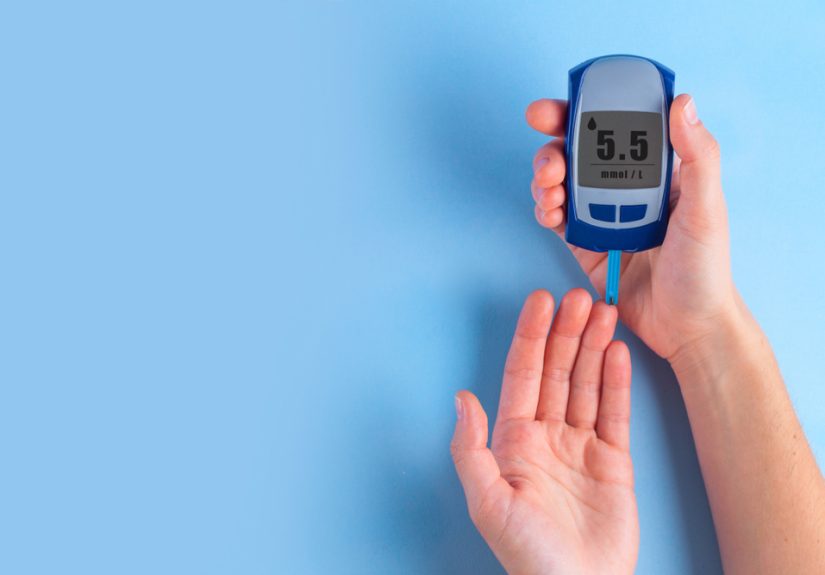
Some patients use finger-stick glucose meters. Others may use continuous glucose monitors. The best testing schedule depends on medications, treatment goals, risk of low blood sugar, insurance coverage, and clinician guidance.
Complications: Why Small Habits Matter
Type 2 diabetes can damage blood vessels and nerves over time, especially when blood sugar, blood pressure, and cholesterol remain high. That is why routine care matters even when a person feels fine.
Eyes
Diabetes can affect the tiny blood vessels in the retina, leading to diabetic retinopathy. Regular dilated eye exams can detect problems early, when treatment is more likely to protect vision. Daniel put his eye exam on the calendar and resisted the urge to cancel when life got busy.
Kidneys
Diabetes is a major risk factor for kidney disease. Kidney monitoring often includes blood tests that estimate filtration and urine tests that check for protein. Daniel learned that kidney health was not just about blood sugar; blood pressure control mattered too.
Feet and Nerves
Nerve damage can reduce feeling in the feet, making blisters, cuts, or pressure spots harder to notice. Daniel began checking his feet after showers. It felt silly at first, like inspecting a used car. Then he understood: finding a small problem early is much better than discovering a big problem late.
The Emotional Side of Type 2 Diabetes
Diabetes is not only a blood sugar condition. It is also a calendar condition, a grocery store condition, a restaurant condition, a family gathering condition, and occasionally a “why is everyone eating donuts in front of me?” condition.
Daniel had days when he felt proud and days when he felt exhausted. He had moments of diabetes burnout, when every meal looked like a math quiz. He learned to ask for help. A registered dietitian helped him build realistic meals. His clinician adjusted goals. His family stopped saying, “Can you eat that?” which, for the record, is nobody’s favorite dinner conversation.
He also learned that one high reading was information, not a personal scandal. A single number did not erase weeks of effort. Progress in diabetes management is often measured by trends, not perfect days.
What Changed After Six Months
Six months after diagnosis, Daniel’s A1C improved. He lost some weight, but more importantly, he gained confidence. His energy was better. He slept more consistently. He knew which breakfasts worked, which snacks kept him steady, and which restaurant meals required a post-dinner walk with the determination of a man negotiating with his pancreas.
He still had type 2 diabetes. The condition did not magically disappear. But it no longer felt like a monster in the room. It felt like a demanding roommate with rules: annoying, persistent, but manageable when you stop ignoring the dishes.
Practical Lessons From a Patient’s Tale of Type 2 Diabetes
1. Get Tested Before Symptoms Shout
Type 2 diabetes can be quiet. Screening is especially important for adults with risk factors. Early detection gives people more time to protect their heart, kidneys, eyes, nerves, and overall health.
2. Make Food Changes You Can Repeat
The best diabetes eating plan is not the strictest one. It is the one a person can live with. Start with drinks, portions, vegetables, protein, fiber, and meal timing. A realistic plan beats a dramatic plan that lasts four days and ends in a bakery parking lot.
3. Move After Meals
Even short walks after meals can help many people manage post-meal blood sugar. Movement does not have to be heroic. Consistency is the quiet superhero.
4. Treat Medication as Support
Medication does not mean a patient failed. It means the care plan includes another tool. Many people need medication because type 2 diabetes changes over time.
5. Keep Appointments Even When You Feel Fine
Diabetes checkups, eye exams, kidney tests, foot checks, blood pressure monitoring, and cholesterol management are part of prevention. Feeling fine is wonderful, but labs and exams can catch what feelings miss.
Additional Patient Experiences: Living Longer With the Story
After the first shock of diagnosis faded, Daniel discovered that the hardest part of type 2 diabetes was not one big thing. It was the hundreds of small decisions that arrived every day like tiny emails from his metabolism. Breakfast asked a question. Lunch asked another. A coworker’s birthday cake asked three questions and winked.
He learned to plan without becoming rigid. On Sundays, he washed vegetables, cooked a pot of beans, boiled eggs, and prepared a few containers of grilled chicken or tofu. This did not turn him into a wellness influencer. His kitchen still had a junk drawer, and one container of leftovers occasionally became a science project. But meal prep reduced emergency eatingthe kind that happens when hunger takes the wheel and drives directly to fries.
Eating out became easier with practice. At Mexican restaurants, he chose fajitas, beans, salsa, and smaller portions of rice or tortillas. At diners, he ordered eggs, fruit, and whole-grain toast instead of pancakes the size of a couch cushion. At family gatherings, he stopped announcing his diabetes choices like a public service campaign. He simply filled his plate with protein and vegetables first, then enjoyed smaller portions of favorite foods.
Travel brought new challenges. Airport food seemed designed by someone who had never met a vegetable. Daniel began packing nuts, tuna packets, whole-grain crackers, and refillable water. He checked his glucose more often when schedules changed. He learned that dehydration, stress, and poor sleep could push numbers up even when food choices were reasonable. This was both comforting and irritating, because it meant diabetes was not only about dessert.
Exercise also became personal. Daniel hated gyms at first. The mirrors were too honest, the machines looked judgmental, and someone was always making battle noises near the weights. So he started with walking. Then he added resistance bands at home. Later, he joined a beginner strength class where everyone was too busy surviving lunges to judge anyone else. His blood sugar improved, but so did his mood.
The emotional learning curve was real. Some mornings, a high reading made him angry. Other days, a good number felt like winning a tiny lottery. Eventually, he stopped treating the meter like a judge and started treating it like a weather report. If it rained, he grabbed an umbrella. If glucose ran high, he looked for patterns: sleep, stress, portions, illness, missed medication, or less movement.
Daniel’s biggest breakthrough was self-respect. He stopped saying, “I’m diabetic,” as if diabetes had swallowed his entire identity. He started saying, “I have type 2 diabetes.” The difference mattered. He was still a spouse, parent, friend, employee, neighbor, movie fan, terrible singer, and person who could not keep a houseplant alive. Diabetes was part of his life, not the title of his biography.
His story did not end with a cure, a miracle supplement, or a before-and-after photo involving dramatic lighting. It continued with regular checkups, better habits, occasional mistakes, and a growing sense that health is not about becoming perfect. It is about becoming attentive. For many patients, that is the real tale of type 2 diabetes: a diagnosis that begins with fear, grows through education, and becomes manageable through daily, ordinary courage.
Conclusion
A patient’s tale of type 2 diabetes is not just about blood sugar. It is about learning a new language of meals, movement, medicine, monitoring, and self-compassion. Type 2 diabetes can be serious, but it is also manageable. With early testing, a practical care plan, regular follow-up, and realistic daily habits, many people live full, active, flavorful lives. Yes, even with carbohydrates. The secret is not perfection. The secret is paying attention, making adjustments, and refusing to let one diagnosis steal the whole story.