Table of Contents >> Show >> Hide
- The Big Picture: How to Plan Year-Round Container Gardens
- Spring: Waking Up the Pots
- Summer: Big, Bold, and Blooming
- Fall: Cozy Colors and Cool-Season Champions
- Winter: Yes, Your Containers Can Still Look Good
- Maintenance Tips for Year-Round Container Success
- Putting It Together: A Year in the Life of One Container
- Real-Life Experiences: What a Year of Pots Actually Feels Like (500+ Words)
If your idea of gardening is “something pretty I can see from the kitchen window while I’m still wearing slippers,” container flowers are your new best friends. A few well-chosen pots can turn a balcony, front stoop, or driveway into a mini botanical garden that changes with the seasons. The trick is planning a year-round container gardening strategy so you’re not stuck with sad, empty pots ten months of the year.
In this guide to container flowers for all seasons, we’ll walk through how to keep your pots blooming (or at least beautifully leafy) from early spring bulbs to lush summer displays, cozy fall color, and surprisingly cheerful winter containers. You’ll see how to pick plants, arrange them like a pro, and keep them alive even if your gardening style is “water when I remember.”
The Big Picture: How to Plan Year-Round Container Gardens
Before we dive into spring, summer, fall, and winter, it helps to think like a container designer. A year-round container garden isn’t just about throwing random plants in a pot. It’s about layering plants, using hardy anchors, and swapping out seasonal “stars” as the months change.
Know Your Light, Climate, and Lifestyle
Step one: be brutally honest about your conditions. Do you have full sun most of the day, or is your porch in deep shade under a big tree? Many top performers in pots, like petunias, calibrachoa (also called million bells), and geraniums, want at least six hours of sun to bloom like fireworks. In too much shade, they sulk and flower less.
On the flip side, shady spaces shine with ferns, heuchera (coral bells), impatiens, and begonias. These plants focus more on foliage and texture, which makes them perfect “backbone” plants in shade containers.
Your cold-hardiness zone matters, too. Gardeners in mild climates (Zones 8–10) can keep pansies, violas, and evergreen perennials going through winter, while colder zones may need tougher plants and some protection from severe freezes.
Use the Thriller–Filler–Spiller Formula
To keep pots looking intentional rather than “I panic-bought whatever was on sale,” designers often follow the thriller–filler–spiller rule:
- Thriller: A tall, eye-catching plant that gives height and drama (like dwarf grasses, a compact shrub, or a bold upright flower).
- Filler: Medium-height plants with lots of blooms or foliage that fill the center of the pot (think geraniums, pansies, daisies, or heuchera).
- Spiller: Trailing plants that cascade over the edges (like ivy, creeping jenny, lobelia, million bells, or sweet potato vine).
This formula works in every season. Whether you’re using tulips and pansies in March or ornamental kale and ivy in November, the structure stays the same.
Think in Layers and Swap the “Stars”
One clever trick for four-season container gardening is to combine long-lived plants with shorter-term stars. For example, you can keep an evergreen small shrub or heuchera in the pot year-round and swap out seasonal annuals around it. In fall, drop in mums and pansies; in summer, trade them for petunias or million bells. Your pot never sits empty, and you save money by reusing the “anchor” plants.
You can also layer bulbs under cool-season annuals. Plant tulip or daffodil bulbs deep in fall, then tuck winter pansies or violas on top. As spring warms up, the bulbs push through the pansies, giving you a double show in one pot.
Spring: Waking Up the Pots
Spring containers are all about optimism: fresh colors, sweet fragrances, and plants that don’t mind chilly nights. The good news? Many classic spring bloomers are perfect for containers and thrive in cool weather.
Classic Spring Container Flowers
For early to mid-spring, build your pots around cool-season annuals and bulbs:
- Pansies and violas: These are the ultimate spring container workhorses, blooming in cool temps and shrugging off light frost. They come in every color from soft pastels to near-black purple.
- Bulbs: Tulips, daffodils, hyacinths, grape hyacinths (muscari), and crocus are ideal for pots. Plant them in fall, then add a top layer of pansies or violas to hide bare soil during winter.
- Spring accent plants: Foxglove, sweet alyssum, snapdragons, nemesia, and calendula all tolerate cool weather and add height or fragrance to your containers.
A Simple Spring Recipe
Try this easy spring combination for a medium pot in full or partial sun:
- Thriller: One foxglove or snapdragon in the center.
- Filler: 3–5 pansies or violas in coordinating colors.
- Spiller: Trailing lobelia or creeping jenny to soften the pot’s edge.
Use a high-quality potting mix, not garden soil, and start feeding with a balanced, slow-release fertilizer when growth picks up. Because spring is often rainy, check that your containers have excellent drainage so roots don’t sit in water.
Summer: Big, Bold, and Blooming
Summer containers are the show-offs of the container garden world: bright petunias spilling over the sides, geraniums glowing in the sun, and million bells packed with tiny blooms. This is where your summer container flowers take center stage.
Sun-Loving Superstars
For sunny decks and patios, consider these classic annuals:
- Petunias: Continuous color, great for hanging baskets or big pots. Deadhead or use self-cleaning varieties for less fuss.
- Calibrachoa (Million Bells): Mini petunia-like blooms that thrive in containers with excellent drainage and at least six hours of sun.
- Geraniums (Pelargonium): Upright, colorful, and drought-tolerant once established. They love bright light and slightly drier conditions.
- Verbena, lantana, or salvia: Pollinator magnets that pair beautifully with petunias and geraniums.
Many garden centers recommend petunias and geraniums among their top plants for summer containers because they’re forgiving and long-blooming when given sun, fertilizer, and regular water.
Shade-Loving Summer Containers
If your porch is shady most of the day, you can still enjoy lush potsjust choose plants that don’t crave full sun:
- Impatiens and begonias: Constant color in partial or full shade.
- Hostas: Grown more for sculptural foliage than flowers, but fabulous in big pots under trees.
- Heuchera (Coral Bells): Evergreen in many climates, with foliage ranging from lime green to deep burgundy, and delicate flowers that float above the leaves.
- Ferns: Provide graceful texture in moist, shady spots.
Summer Container Care Basics
Summer pots dry out fast, especially in hot, windy areas. Water deeply whenever the top inch of soil is dry, and use a slow-release fertilizer plus occasional liquid feeds to keep blooms coming. If plants get leggy by midseason, don’t be afraid to trim them back and give them a second wind.
Fall: Cozy Colors and Cool-Season Champions
As summer annuals fade, it’s tempting to give up and stack your containers behind the shed. Don’t do it! Fall is one of the easiest times to refresh your pots, because cool-season plants actually enjoy the crisp air and shorter days.
Classic Fall Container Flowers
For fall container gardening, focus on plants that thrive in cooler weather and offer rich seasonal color:
- Mums (Chrysanthemums): The unofficial flower of fall, with dense, domed blooms and colors ranging from sunny yellow to deep burgundy.
- Pansies and violas: Not just for spring; these tough little flowers can bloom from fall through winter in many regions, especially in containers.
- Asters and blanket flowers: Great for daisy-like color in fall window boxes or pots.
Foliage Stars for Fall and Winter
Don’t underestimate foliage. A pot filled with ornamental leaves can look just as striking as one overflowing with flowers:
- Ornamental kale and cabbage: Their ruffled leaves intensify in color as temperatures drop, giving you purples, pinks, and creamy whites well into winter.
- Heuchera: Evergreen in many climates, with bold foliage tones from amber to charcoal, great for year-round texture in containers.
- Evergreen grasses and ferns: Add height and motion, especially when paired with mums, pansies, or asters.
For a quick makeover, pull out spent summer annuals, keep any healthy evergreen fillers, and tuck mums, pansies, and ornamental kale into the gaps. You’ve just turned tired summer pots into Instagram-worthy fall displays.
Winter: Yes, Your Containers Can Still Look Good
Winter containers might not explode with flowers, but they can still be beautiful, especially when you lean into texture, evergreen structure, and a few cold-hardy blooms. In many regions, winter container flowers like pansies, violas, and cyclamen keep color going even in cold months.
Hardy Plants for Winter Containers
Depending on your zone, consider filling your winter pots with:
- Pansies and violas: In milder climates, they can bloom right through winter and then surge again in spring.
- Heathers and heaths: Tough plants that bloom in winter and early spring, adding vivid pinks or purples.
- Coral bells (Heuchera): Reliable foliage in cold-weather pots; they play nicely with evergreens and winter berries.
- Wintergreen and other berrying plants: Shiny evergreen leaves and bright berries that look fantastic with pinecones and cut branches.
- Ornamental grasses, dwarf conifers, or small hollies: Give structure and survive year after year in containers, especially when the pot is large enough and roots are insulated.
Decorating Winter Pots
Even if it’s too cold for many flowers where you live, you can “dress” your winter containers with:
- Cut evergreen branches (pine, cedar, spruce).
- Red or yellow twig dogwood branches for color.
- Pinecones, seed heads, and dried hydrangea blooms.
- Battery-powered fairy lights woven through branches.
These details keep your pots attractive when little else is blooming, and you’ll be thrilled in spring when bulbs and pansies pop through the winter greenery you layered in earlier.
Maintenance Tips for Year-Round Container Success
Soil, Drainage, and Fertilizer
Good potting soil is the foundation of healthy container flowers. Use a high-quality, peat-free or peat-reduced mix designed for containers. Avoid garden soil, which compacts in pots and drains poorly. Refresh the top few inches of mix each season, and completely replace old soil every couple of years, especially if pots have been overcrowded or roots are circling heavily.
Add slow-release fertilizer at planting time, then supplement with liquid fertilizer every couple of weeks during heavy bloom seasons (mainly spring and summer). Dial fertilizer back in fall and stop in winter, when plants are resting or growing slowly.
Watering Through the Seasons
Water is where many container gardens live or die:
- Spring: Check moisture regularly; rain may not fully soak dense containers.
- Summer: In hot weather, especially for sunny patios, pots may need water once or even twice a day. Larger containers dry out more slowly than small ones, so go big if you forget to water.
- Fall: Cooler temperatures mean you can back off watering, but don’t let containers completely dry out, especially those with perennials or shrubs you want to overwinter.
- Winter: In climates where pots don’t freeze solid, water occasionally during dry spells so roots don’t desiccate.
Overwintering and Reusing Plants
Many container plants, especially perennials, shrubs, and hardy grasses, can be overwintered and reused. In cold climates, move pots to a more sheltered spot (against the house, in an unheated garage, or under an eave), and insulate the container with burlap or bubble wrap if deep freezes are common. The goal is to protect roots from extreme temperature swings.
In spring, trim back dead growth, refresh the top layer of soil, and feed gently. You’ll be amazed how many “dead” plants were actually just taking a long winter nap.
Putting It Together: A Year in the Life of One Container
To show how container flowers for all seasons work in practice, imagine one big, sturdy pot on your front step:
- Fall (Year 1): Plant small evergreen grass or dwarf conifer as the “thriller,” surround it with heuchera and ornamental kale, and add trailing ivy.
- Winter: Leave the evergreens and heuchera in place, pop in a few pansies and wintergreen, and tuck in some decorative branches and pinecones.
- Spring (Year 2): As winter pansies perk up, plant tulip or daffodil bulbs in layers around the evergreen (if the climate allows), then add more violas on top. When bulbs bloom, your pot is suddenly a mini spring bouquet.
- Summer: After the bulbs fade, snip off spent foliage, leave the evergreen “thriller,” and swap the cool-season annuals for petunias and million bells. The ivy keeps spilling over the edge, and your pot is back to being a summer showpiece.
With a little planning, that one pot stays attractive all year with only seasonal swappingnot a full redo every time.
Real-Life Experiences: What a Year of Pots Actually Feels Like (500+ Words)
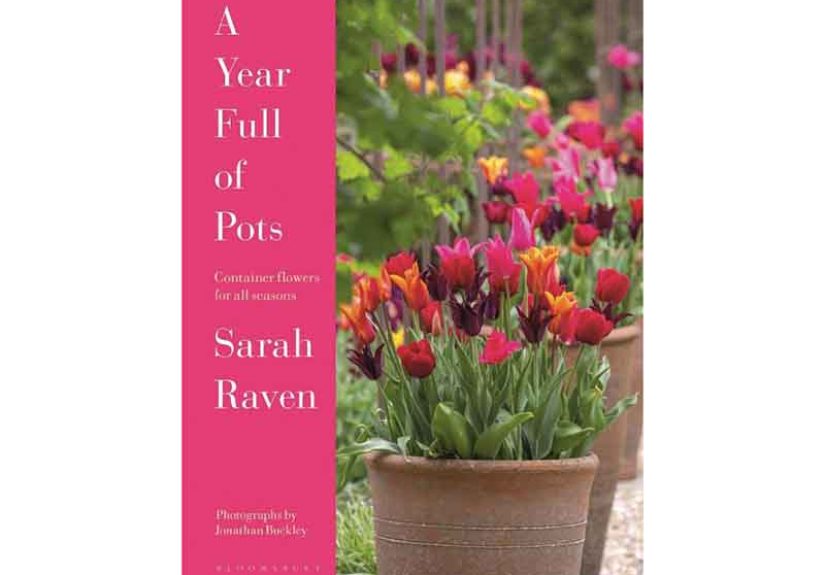
On paper, A Year Full of Pots: Container Flowers for All Seasons sounds like a neat, tidy plan. In real life, it’s more like a sitcom: a mix of glorious color, mild chaos, and “Oh no, I forgot to water again.” Here’s what the experience often looks like, season by season, once you’ve lived with your containers for a while.
Early spring usually starts with excitement and impatience. You’re out there in a jacket, poking the soil to see if bulbs are emerging, whispering encouraging things to the pot like it’s a house pet. One day, you finally notice tiny green spears from tulips or daffodils pushing through. The pansies you planted last fall suddenly look less sleepy and more cheerful. There’s something surreal about seeing bright flowers when the rest of the yard still looks like a before picture.
By late spring, you’ve learned that not all bulbs bloom exactly on schedule. One pot might be a riot of color; another is still in the “staring contest with dirt” phase. You realize that layering bulbs and cool-season annuals in one container wasn’t just an aesthetic choiceit also gave you psychological backup. Even if the bulbs are late, the pansies and violas carry the show and keep the pot from feeling like a failure.
Then summer hits</strong], and your container garden goes from “polite” to “party mode.” Petunias and million bells spill over the sides like they’re trying to escape. You start noticing bees and butterflies using your pots as a pit stop. You also notice that your containers dry out faster than you expected, so you quietly adopt a new morning ritual: coffee in one hand, hose or watering can in the other.
Along the way, there are lessons. Maybe you discover that the pot in full afternoon sun needs water way more often than the one near the porch, or that geraniums forgive you when you forget a wateringbut calibrachoa does not. You also learn that a midseason haircut works wonders. Cutting back leggy plants feels brutal, but two weeks later, the pot is fuller, fresher, and blooming harder than before.
As the air cools and fall arrives, you get a different kind of satisfaction. Swapping out tired summer annuals for mums, ornamental kale, and a fresh batch of pansies feels like redecorating the house for a new season. The colors shift from hot pinks and purples to warm oranges, burgundies, and deep greens. There’s a cozy vibe to fall containers that you don’t get from summer’s high-energy look.
It’s also in fall that many gardeners realize just how tough cool-season plants can be. The first chilly night hits, and you wake up expecting to see drooping, sad flowers. Instead, your pansies look like they just drank an espresso. Ornamental kale gets richer color after cold snaps, and suddenly you’re rooting for your pots like they’re athletes in a game against the weather.
Winter is where container gardening quietly deepens your appreciation for subtle beauty. Maybe there aren’t blossoms everywhere, but the mix of evergreens, berried plants, and interesting branches gives your containers structure and personality. With a string of small lights tucked in, your pots become instant holiday décorno ladder required.
There’s also something comforting about glancing outside in the depths of winter and seeing those pots still doing their job: holding space, providing texture, and waiting. When so much of the garden is dormant, your containers remind you that the cycle is still turning. You almost start to see the future bulbs, the future blooms, the next season of color.
By the time the following spring rolls around, you’re no longer just someone who “has a couple of pots.” You’re a container gardener with real experience. You’ve watched plants succeed and fail, figured out which flowers like your specific microclimate, and learned how small tweakslike using larger pots, better soil, and smarter plant combinationsmake a big difference.
Most importantly, you’ve realized that a year full of pots isn’t about perfection. It’s about the joy of small, ever-changing scenes of color right outside your door. Containers make gardening more flexible, more forgiving, and more fun. If a plant flops, you swap it. If you fall in love with a new flower at the garden center, you tuck it into a pot. Your containers become a living mood board for the seasonsa reminder that there’s always another color, another bloom, and another chance to get your hands a little dirty.