Table of Contents >> Show >> Hide
- What Makes The Citizenry Different?
- Why African Fair Trade Home Decor Feels So Timeless
- Favorite African Fair Trade Pieces Inspired by The Citizenry
- How Fair Trade Changes the Meaning of a Purchase
- How to Style African Fair Trade Favorites at Home
- What to Look for Before Buying
- The Bigger Design Lesson
- Experience Section: Living with African Fair Trade Favorites
- Conclusion
Some home decor whispers. Some home decor politely clears its throat. And then there are African fair trade pieces from The Citizenrythe kind of handmade baskets, mud cloth pillows, woven textiles, leather accents, and soulful rugs that walk into a room and immediately make the generic throw pillow in the corner question its life choices.
The charm of African fair trade home decor is not only in how it looks, although it looks very good. The deeper value is in the story behind each piece: the hands that shaped it, the materials that connect it to a place, the traditional techniques that survived fast-fashion trends, and the fair trade standards that help keep craftsmanship from becoming another disposable commodity. Through The Citizenry, shoppers can explore artisan-made home goods that blend modern design with time-honored craft traditions from places such as Mali, Morocco, and Uganda.
This is not about decorating your home with “global style” as a vague mood board. It is about choosing objects with origin, texture, purpose, and dignity. Think hand-dyed indigo, Malian mud cloth, Moroccan leather, cactus silk-inspired runners, woven Ugandan baskets, and textiles that make a plain sofa look like it finally got a passport.
What Makes The Citizenry Different?
The Citizenry is a home decor brand built around artisan partnerships, small-batch production, and fair trade practices. Instead of producing anonymous pieces at massive scale, the brand works country by country with skilled makers, blending contemporary design with local craft techniques. The result is a catalog of home goods that feels polished enough for modern interiors but still warm, tactile, and human.
The brand’s philosophy centers on the idea that homes should reflect the journeys we take. That does not mean your living room needs to look like an airport terminal. It means the objects you choose can carry memory, geography, and intention. A basket can be more than a basket. A pillow can be more than a pillow. A rug can be more than something your dog believes is personally assigned to him.
Fair trade is a major part of that value. The Citizenry has promoted a model in which products are made through a fair trade process, with workshops audited and products connected to standards that consider wages, safe conditions, transparency, and environmental responsibility. For shoppers, this creates a clearer path toward buying beautiful home goods without pretending not to wonder who made them.
Why African Fair Trade Home Decor Feels So Timeless
African craft traditions are incredibly diverse, and it would be a mistake to flatten them into one visual style. The continent contains thousands of communities, materials, languages, and design histories. Yet many African artisan goods share qualities that interior designers love: strong geometry, natural fibers, earthy palettes, bold contrast, texture, and utility.
That combination makes African fair trade decor surprisingly adaptable. A black-and-cream mud cloth pillow can sharpen a neutral linen sofa. A lidded basket can hide remote controls, dog toys, or the mysterious pile of receipts everyone swears they will organize someday. A handwoven runner can give a hallway rhythm. A leather floor pillow can soften a reading corner while making guests say, “Where did you get that?” which is the unofficial national anthem of great decor.
Favorite African Fair Trade Pieces Inspired by The Citizenry
The Citizenry’s African collections have included standout pieces from Mali, Morocco, and Uganda. Availability changes over time because many items are small-batch, but the design categories remain excellent inspiration for anyone building a more thoughtful home.
1. Malian Mud Cloth Pillows
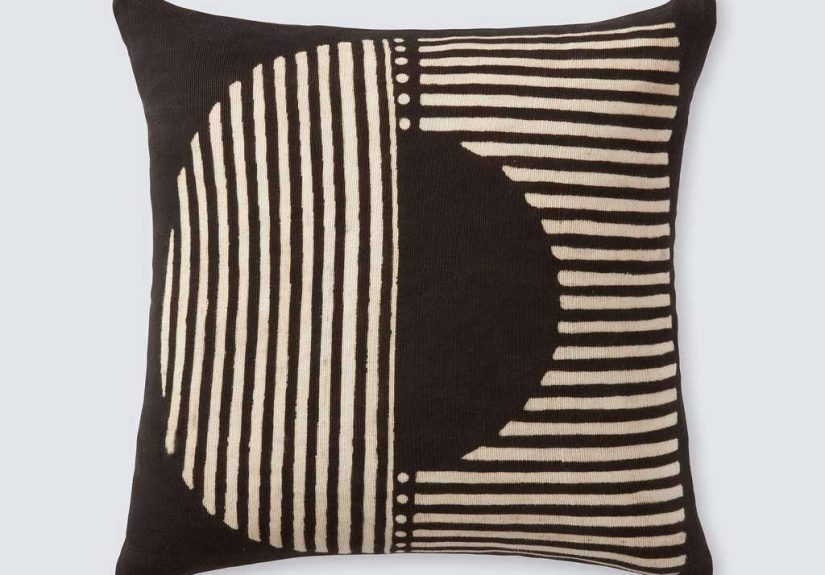
Malian mud cloth, also known as bogolanfini, is one of the most recognizable textile traditions associated with West Africa. Traditionally, cotton cloth is dyed and painted using natural materials, including fermented mud, plant-based dyes, and sunlight. The resulting patterns often feature arrows, dots, lines, and symbolic geometry.
In home decor, mud cloth pillows work because they are graphic without feeling cold. They bring movement to a sofa, bed, or bench, but they still pair easily with wood, linen, leather, clay, brass, and woven fibers. A mud cloth lumbar pillow can make a plain white duvet look intentional instead of “I gave up at the bedding aisle.”
When shopping for mud cloth-inspired pieces, look for clear information about origin, materials, and production. Authenticity matters. So does respect. The best versions celebrate the textile tradition while compensating artisans fairly for the skill, time, and cultural knowledge involved.
2. Indigo Textiles from Mali
Indigo has a depth that synthetic navy often tries to imitate but rarely matches. In African textile traditions, indigo dyeing can create rich blues that feel both earthy and elegant. The Citizenry has highlighted Malian indigo pieces in past collections, including hand-dyed cotton pillows that bring a saturated but relaxed note to interiors.
Indigo works beautifully in American homes because it behaves almost like denim: familiar, versatile, and better when paired with texture. It can cool down warm woods, sharpen cream upholstery, and play nicely with rust, ochre, camel, charcoal, and ivory. In other words, it is the rare decor color that can attend both a beach house brunch and a city apartment dinner party without changing outfits.
3. Moroccan Leather Floor Pillows and Poufs
Moroccan leather has long been admired for its craftsmanship, durability, and warm patina. A leather floor pillow or pouf can add casual seating, soften a low lounge area, or make a reading nook feel more finished. The Citizenry’s Moroccan-inspired pieces have included hand-stitched leather floor cushions made in fair trade workshop settings.
The beauty of leather is that it improves with age when cared for properly. Small creases, tonal shifts, and softening are not flaws; they are proof that your furniture is living a life and not trapped in a showroom pretending nobody has elbows. Cognac and tan leather tones are especially useful because they pair with black, white, terracotta, olive, navy, and natural wood.
4. Moroccan Towels and Woven Bath Textiles
Fair trade favorites are not limited to living rooms. Moroccan-style towels and bath textiles can bring handmade character to everyday routines. Flat-woven cotton towels, striped hand towels, and textured bath linens offer a lighter, faster-drying alternative to bulky terry cloth while still feeling elevated.
These pieces are ideal for bathrooms that need warmth without clutter. A striped towel on a simple hook, a woven bath mat, and a ceramic soap dish can do more for a small bathroom than three shelves of decorative objects that exist only to gather dust and judge your toothpaste.
5. Cactus Silk-Inspired Runners and Rugs
Moroccan sabra, often described as cactus silk, is known for its subtle sheen and plant-derived fiber tradition. Runners inspired by this material can add pattern and softness to narrow spaces such as hallways, kitchens, and beside the bed.
A black-and-cream runner, for example, can anchor a room without overwhelming it. The key is balance. If the rug has bold geometry, keep surrounding pieces simpler. Let the runner be the witty guest at dinner, not the person who brings a fog machine to a casual gathering.
6. Ugandan Woven Baskets
Ugandan baskets are among the most functional fair trade home decor pieces you can buy. Depending on the size and shape, they can be used as storage, wall art, tabletop bowls, planters, or entryway catchalls. Many African basket traditions use plant fibers such as raffia, sisal, banana leaf, sweetgrass, cane, reed, or palm, depending on the region and community.
A lidded basket is especially useful in modern homes because it hides chaos with grace. Toss in charging cables, keys, mail, pet supplies, or the tiny objects that seem to multiply on every flat surface. Suddenly, you are not messy. You are “styling with artisanal storage.” Very sophisticated.
How Fair Trade Changes the Meaning of a Purchase
Fair trade is often discussed in relation to coffee, chocolate, and bananas, but it matters just as much in home decor. Handmade goods require time, training, materials, and specialized knowledge. Without fair trade practices, artisans can be pressured into low prices, inconsistent orders, unsafe conditions, or production timelines that ignore the reality of human labor.
Fair trade principles generally focus on fair payment, transparency, safe working conditions, respect for cultural identity, environmental responsibility, and long-term trading relationships. For handmade products, prompt payment and fair pricing are particularly important because artisans often need to purchase materials before work begins. A system that values the maker helps preserve craft traditions while supporting economic stability.
This is why a fair trade basket or textile may cost more than a mass-produced imitation. The price is not just for the object. It reflects the labor, skill, sourcing, design development, quality control, and ethical standards behind it. Cheap decor can be tempting, but if the price seems magically low, the magic may be happening at someone else’s expense.
How to Style African Fair Trade Favorites at Home
Start with One Strong Piece
If you are new to African artisan decor, begin with one focal item. A mud cloth pillow, woven basket, leather pouf, or indigo throw can shift the feeling of a room without requiring a full redesign. The goal is not to turn your living room into a showroom. The goal is to add depth.
Mix Handmade with Modern
African fair trade pieces look especially fresh when paired with clean-lined furniture. Try a woven basket beside a modern sofa, a mud cloth pillow on a minimalist bed, or a Moroccan leather pouf under a sleek console. The contrast keeps the room from feeling too themed.
Use Texture Instead of Clutter
Texture is the secret weapon of good interiors. A room with linen, leather, woven grass, cotton, clay, and wood can feel rich even when the color palette is simple. African fair trade decor is excellent for this because handmade pieces naturally bring tactile variation.
Let Imperfection Be Part of the Beauty
Handmade goods are not supposed to look machine-perfect. Slight variations in weave, dye, stitch, or shape are signs of human craftsmanship. They give a piece character. If every line is identical, every color is flat, and every edge is too perfect, you may be looking at a factory-made copy wearing a tiny hat that says “artisanal.”
What to Look for Before Buying
When choosing African fair trade home goods, read beyond the product title. Look for details about the artisan group, country of origin, materials, production process, certifications, and care instructions. A trustworthy brand should explain where a product comes from and how it is made.
Also consider function. A shallow basket may be perfect for wall display or fruit, while a deep lidded basket may be better for storage. A mud cloth pillow may be decorative rather than washable, so it may not be the best choice for a toddler’s snack zone unless you enjoy living dangerously. Leather poufs need occasional care and should be kept away from excessive moisture and direct sun.
Finally, buy slowly. Fair trade decor fits naturally into a slow-home mindset: choose fewer pieces, choose better pieces, and let your home evolve. A meaningful room is collected over time, not panic-purchased at midnight because a blank corner looked at you funny.
The Bigger Design Lesson
The best African fair trade favorites via The Citizenry show that ethical home decor does not have to be plain, preachy, or precious. It can be sophisticated, warm, useful, and visually exciting. It can support artisans while giving your home the layered, well-traveled feeling that mass-produced decor often triesand failsto fake.
In a world full of fast furniture and trend cycles moving at the speed of a caffeinated squirrel, fair trade home goods invite us to slow down. They ask better questions: Who made this? What tradition does it come from? How was the maker paid? Will I still love this in five years? Can it survive real life, including guests, pets, and the occasional bowl of popcorn balanced irresponsibly on the sofa?
Experience Section: Living with African Fair Trade Favorites
Bringing African fair trade pieces into a home is less like decorating and more like getting to know a good story one chapter at a time. The first experience many people notice is texture. A handwoven basket does not have the flat, lifeless surface of plastic storage. It has ridges, tension, tiny variations, and a sense of movement. When placed near a doorway, it becomes the place where daily life lands: keys, sunglasses, scarves, mail, and whatever small object you were absolutely sure you would remember to put away later.
A mud cloth pillow changes a sofa in a different way. It adds rhythm. The pattern draws the eye, but because the colors are often grounded in black, cream, brown, or indigo, it rarely feels loud. In a neutral room, it creates contrast. In a colorful room, it adds structure. The experience is practical, too: one well-chosen handmade pillow can make inexpensive furniture feel more intentional. It is the design equivalent of putting on a good jacket before leaving the house.
Moroccan leather pieces bring another kind of pleasure. A leather pouf or floor pillow is relaxed, flexible, and surprisingly social. Pull it toward a coffee table for game night, tuck it beside a chair for extra lounging, or let it sit in a corner looking effortlessly stylish while you take credit for being “good at interiors.” Over time, leather develops softness and character. Instead of fighting age, it collaborates with it.
Woven baskets may be the most life-improving pieces of all. They solve problems without looking like solutions. A basket in the living room can hold throws. A smaller bowl on a console can catch keys. A wall grouping of shallow baskets can create art without needing frames, glass, or the emotional negotiations of hanging a gallery wall perfectly level. If one basket is slightly irregular, that is not a problem. That is charm doing its job.
The emotional experience matters as much as the visual one. Fair trade pieces create a small pause in daily life. You remember that an object did not simply appear in a warehouse. Someone harvested fiber, prepared dye, cut leather, painted cloth, stitched seams, or shaped a pattern by hand. That awareness makes a home feel less disposable. It encourages care.
There is also a hosting advantage. Guests tend to ask about handmade pieces. A basket, pillow, or runner becomes a conversation starter, not because it is shouting for attention, but because it has presence. You can talk about Mali’s textile traditions, Moroccan workshops, Ugandan weaving, or fair trade practices instead of discussing the weather for the fourth time. Everyone wins, including the weather, which frankly needed a break.
The most rewarding approach is to build slowly. Start with a basket or pillow. Add a runner when the right space appears. Choose materials that work with your actual life, not your fantasy life where nobody spills coffee and all laundry folds itself. African fair trade favorites are not museum pieces. They are meant to be used, admired, touched, and lived with. That is what makes them favorites in the first place.
Conclusion
African fair trade favorites via The Citizenry offer a thoughtful way to bring beauty, function, and story into the home. From Malian mud cloth and indigo textiles to Moroccan leather accents and Ugandan woven baskets, these pieces show how traditional craft can feel fresh in modern spaces. They also remind us that good design should not separate aesthetics from ethics.
Choosing fair trade home decor means choosing objects with more than surface appeal. It means valuing the maker, the material, the process, and the cultural knowledge behind the finished piece. The result is a home that feels layered, personal, and alivenot decorated by algorithm, but shaped by intention.
Note: Product availability, collections, and prices may change over time because many artisan-made goods are produced in small batches.