Table of Contents >> Show >> Hide
- Why This Pork Burrito Recipe Works
- Recipe Overview
- Ingredients
- Best Pork for Burritos
- How to Make Pork Burritos on the Stovetop
- How to Make Pork Burritos in the Slow Cooker
- How to Assemble the Perfect Pork Burrito
- Best Toppings and Fillings
- Stovetop vs. Slow Cooker: Which Method Is Better?
- Make-Ahead, Storage, and Freezing Tips
- Common Mistakes to Avoid
- Easy Recipe Variations
- What to Serve With Pork Burritos
- Experience Notes: What I’ve Learned Making Pork Burritos at Home
- Conclusion
Some dinners politely ask for your attention. Pork burritos kick open the kitchen door, smell amazing, and announce that leftovers are about to become tomorrow’s lunch hero. This Pork Burritos, Stovetop or Slow Cooker Recipe is built around tender shredded pork, warm flour tortillas, rice, beans, cheese, salsa, and the kind of toppings that make everyone at the table suddenly very opinionated.
The best part? You can make the pork two ways. Use the stovetop when you want a cozy pot of simmering pork and a kitchen that smells like a tiny burrito restaurant. Use the slow cooker when your schedule is chaotic and dinner needs to quietly handle itself while you do literally anything else. Both methods create juicy, seasoned pork that shreds easily and folds beautifully into a burrito without tasting dry, bland, or like “meal prep sadness wrapped in beige.”
This recipe is designed for real home cooking: easy ingredients, flexible toppings, smart seasoning, and enough flavor to make the freezer burritos look nervous.
Why This Pork Burrito Recipe Works
A great pork burrito needs balance. The pork should be rich but not greasy, saucy but not soggy, seasoned but not salty, and tender enough to shred with a fork. Pork shoulder is ideal because it has enough fat and connective tissue to become soft and flavorful during low, steady cooking. Pork loin can work in a pinch, but it is leaner and easier to overcook, so shoulder is the better choice for classic shredded pork burritos.
The seasoning blend uses chili powder, cumin, smoked paprika, oregano, garlic, onion, and a touch of citrus. Tomato paste and broth create a savory braising base, while orange juice or lime juice gives the pork a bright finish. That little hit of acidity matters. Without it, the filling can taste heavy; with it, the pork wakes up and says, “Yes, I belong inside a tortilla.”
Recipe Overview
- Recipe name: Pork Burritos, Stovetop or Slow Cooker Recipe
- Prep time: 20 minutes
- Stovetop cook time: 2 1/2 to 3 hours
- Slow cooker cook time: 7 to 8 hours on low or 4 to 5 hours on high
- Yield: 8 large burritos
- Best pork cut: Boneless pork shoulder or pork butt
- Skill level: Easy
Ingredients
For the Shredded Pork
- 3 pounds boneless pork shoulder, trimmed of large excess fat and cut into 3 or 4 chunks
- 1 1/2 teaspoons kosher salt, plus more to taste
- 1 teaspoon black pepper
- 1 tablespoon vegetable oil or avocado oil
- 1 medium yellow onion, diced
- 4 garlic cloves, minced
- 2 tablespoons tomato paste
- 1 tablespoon chili powder
- 2 teaspoons ground cumin
- 1 teaspoon smoked paprika
- 1 teaspoon dried oregano
- 1/2 teaspoon chipotle powder or cayenne pepper, optional
- 1 cup chicken broth
- 1/2 cup orange juice
- 1 tablespoon lime juice
- 1 bay leaf
For the Burritos
- 8 large flour tortillas, 10 to 12 inches wide
- 2 cups cooked white rice, brown rice, or cilantro-lime rice
- 1 1/2 cups black beans or pinto beans, drained and warmed
- 1 1/2 cups shredded Monterey Jack, cheddar, or Mexican-style cheese blend
- 1 cup salsa, pico de gallo, or roasted tomato salsa
- 1 cup shredded lettuce, optional
- 1 avocado or 1 cup guacamole, optional
- 1/2 cup sour cream or Mexican crema, optional
- Pickled jalapeños, chopped cilantro, hot sauce, or lime wedges for serving
Best Pork for Burritos
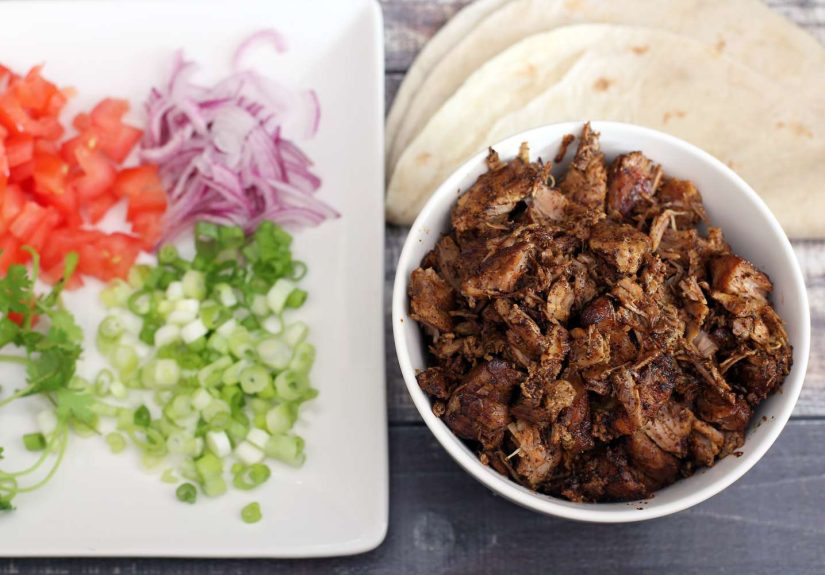
For shredded pork burritos, boneless pork shoulder is the gold standard. It becomes tender after a long cook and has enough richness to stay juicy after shredding. Pork butt, despite the confusing name, also comes from the shoulder area and works beautifully. If you use pork loin, reduce the cooking time and add a little extra sauce because it is much leaner.
For food safety, whole cuts of pork should reach a safe internal temperature of 145°F with a short rest, but shredded pork shoulder usually needs to cook much longer to become tender. For pull-apart texture, many cooks take pork shoulder closer to 195°F to 205°F. At that point, the collagen has softened and the meat practically gives up the fight.
How to Make Pork Burritos on the Stovetop
Step 1: Season and Sear the Pork
Pat the pork dry with paper towels, then season it with salt and pepper. Heat the oil in a Dutch oven or heavy pot over medium-high heat. Add the pork chunks and sear them on all sides until browned. Do not rush this step. Browning adds deep savory flavor, and flavor is the difference between “nice dinner” and “why didn’t we make double?”
Step 2: Build the Braising Sauce
Transfer the browned pork to a plate. Reduce the heat to medium, add the onion, and cook for 4 to 5 minutes until softened. Stir in the garlic and tomato paste, then add chili powder, cumin, smoked paprika, oregano, and chipotle powder if using. Cook for about 30 seconds, just until fragrant.
Step 3: Simmer Until Tender
Pour in the chicken broth and orange juice, scraping up the browned bits from the bottom of the pot. Return the pork to the pot and add the bay leaf. Bring the liquid to a gentle simmer, cover, and reduce the heat to low. Cook for 2 1/2 to 3 hours, turning the pork once or twice, until it shreds easily with two forks.
Step 4: Shred and Finish
Remove the pork from the pot and shred it. Discard the bay leaf. Simmer the cooking liquid uncovered for 5 to 10 minutes if it looks thin, then stir the shredded pork back into the sauce. Add lime juice and taste for salt. The filling should be moist, bold, and slightly tangy.
How to Make Pork Burritos in the Slow Cooker
The slow cooker method is perfect for busy weekdays, game days, potlucks, or any day when your future self deserves a present. You still get better flavor if you sear the pork first, but if time is tight, you can skip the sear and the burrito police will not arrive.
Step 1: Optional Sear
Season the pork with salt and pepper. Brown it in a skillet with oil over medium-high heat, then transfer it to the slow cooker.
Step 2: Add the Seasonings
Add onion, garlic, tomato paste, chili powder, cumin, smoked paprika, oregano, chipotle powder, chicken broth, orange juice, and bay leaf to the slow cooker. Stir around the pork so the seasonings are evenly distributed.
Step 3: Cook Low and Slow
Cover and cook on low for 7 to 8 hours or on high for 4 to 5 hours, until the pork is fork-tender. The low setting usually creates the best texture because pork shoulder appreciates patience. It is basically the houseplant of meats: ignore it gently, and it rewards you.
Step 4: Shred and Sauce
Transfer the pork to a cutting board and shred it. Skim excess fat from the cooking liquid if needed. Return the pork to the slow cooker, stir in lime juice, and let it sit in the warm sauce for 10 minutes before assembling the burritos.
How to Assemble the Perfect Pork Burrito
Warm tortillas are non-negotiable. A cold tortilla cracks, tears, and causes the kind of burrito disaster that requires a fork and emotional recovery. Warm each flour tortilla in a dry skillet for about 20 to 30 seconds per side, or wrap a stack in a slightly damp paper towel and microwave briefly until soft.
Place the tortilla on a flat surface. Add a scoop of rice just below the center, then layer beans, shredded pork, cheese, salsa, and any toppings you like. Keep the filling compact and avoid overstuffing. Yes, ambition is beautiful, but an overfilled burrito becomes a food grenade.
Fold the left and right sides inward, then pull the bottom edge up over the filling. Tuck it snugly and roll forward until sealed. For a crisp finish, place the burrito seam-side down in a hot skillet for 1 to 2 minutes per side. This step melts the cheese, seals the tortilla, and makes the outside lightly golden.
Best Toppings and Fillings
Pork burritos are wonderfully flexible. For a classic version, use rice, pinto beans, cheese, salsa, and sour cream. For a fresher burrito, add shredded lettuce, pico de gallo, avocado, cilantro, and a squeeze of lime. For a smoky version, use chipotle salsa, roasted corn, and pepper jack cheese.
If you like heat, add pickled jalapeños or a few dashes of hot sauce. If you prefer creamy richness, use guacamole or crema. If you want crunch, add finely shredded cabbage instead of lettuce. Cabbage holds up better if you are making burritos ahead of time.
Stovetop vs. Slow Cooker: Which Method Is Better?
The stovetop method gives you slightly more control. You can adjust the simmer, reduce the sauce quickly, and taste as you go. It also works well when you want dinner the same day but do not want to wait 8 hours.
The slow cooker method wins for convenience. It is ideal when you want to start dinner in the morning and come home to pork that is ready to shred. The texture is tender and forgiving, especially when using pork shoulder. If you are feeding a crowd, the slow cooker also keeps the pork warm while everyone builds their own burrito.
Flavor-wise, both methods are excellent. The biggest upgrade for either method is browning the pork first. Searing creates a deeper, more savory base, especially when those browned bits are mixed into the sauce.
Make-Ahead, Storage, and Freezing Tips
The shredded pork can be made up to 3 days ahead and stored in an airtight container in the refrigerator. Keep it with some of the cooking liquid so it stays moist. Reheat gently on the stovetop or in the microwave, adding a splash of broth if needed.
Cooked pork burritos also freeze well. For best results, leave out watery toppings like lettuce, fresh salsa, and sour cream before freezing. Fill tortillas with pork, rice, beans, and cheese, then wrap each burrito tightly in foil or parchment and place them in a freezer bag. Freeze for up to 3 months for best quality.
To reheat, unwrap the burrito, cover it loosely with a damp paper towel, and microwave until hot. For a better texture, finish it in a skillet or toaster oven so the tortilla gets lightly crisp. Leftovers should be refrigerated within 2 hours, and reheated leftovers should be steaming hot before serving.
Common Mistakes to Avoid
Using Too Little Seasoning
Pork shoulder is a big cut of meat, and it needs confident seasoning. If the pork tastes flat after shredding, add more salt, lime juice, or a spoonful of salsa.
Not Cooking the Pork Long Enough
If the pork does not shred easily, it is not done yet. Keep cooking until it pulls apart without a wrestling match.
Overfilling the Tortilla
A burrito should be full, not structurally doomed. Start with less filling than you think you need. You can always make a second burrito, which is honestly not a bad problem.
Adding Wet Ingredients Too Early
Fresh salsa, sour cream, and lettuce are best added right before eating. If you are meal prepping, keep wet toppings on the side to prevent soggy tortillas.
Easy Recipe Variations
Green Chile Pork Burritos
Replace the orange juice with salsa verde and add a small can of diced green chiles. Finish with Monterey Jack cheese and cilantro.
Smoky Chipotle Pork Burritos
Add 1 chopped chipotle pepper in adobo sauce to the braising liquid. Pair with black beans, roasted corn, and avocado.
Breakfast Pork Burritos
Use leftover shredded pork with scrambled eggs, potatoes, cheese, and salsa. It is hearty, slightly ridiculous, and perfect for weekends.
Burrito Bowls
Skip the tortilla and serve the pork over rice with beans, lettuce, salsa, guacamole, and cheese. This is a great option when you want all the burrito flavor without testing your wrapping skills.
What to Serve With Pork Burritos
Pork burritos are filling enough to stand alone, but sides make the meal feel complete. Serve them with Mexican rice, refried beans, tortilla chips, roasted corn, chopped salad, or a simple slaw with lime dressing. For a lighter plate, pair one burrito half with a crisp salad and extra salsa.
For parties, set up a burrito bar. Keep the shredded pork warm, then offer tortillas, rice, beans, cheese, salsa, guacamole, lettuce, jalapeños, and hot sauce. Guests can build their own burritos, which means fewer complaints and more dramatic topping decisions.
Experience Notes: What I’ve Learned Making Pork Burritos at Home
The first thing experience teaches you about pork burritos is that the filling matters more than the folding. A perfectly folded bland burrito is still just a tidy disappointment. A slightly messy burrito with juicy pork, warm rice, creamy beans, melted cheese, and bright salsa can make people forgive almost anything, including the fact that you used every bowl in the kitchen.
One of the most useful lessons is to season in layers. Salt the pork before searing, bloom the spices with the onions and tomato paste, then adjust again after shredding. Pork changes after it cooks. The sauce reduces, the meat absorbs liquid, and flavors mellow. That final taste test after shredding is where the recipe goes from good to “please write this down.” A squeeze of lime at the end is especially important because it cuts through the richness and makes the burrito taste fresher.
Another important lesson is that texture makes or breaks the experience. Rice should be fluffy, beans should be warm, cheese should melt slightly, and the tortilla should be soft enough to roll without cracking. If everything inside is wet, the burrito becomes heavy and soggy. If everything is dry, it tastes unfinished. The best pork burrito has contrast: juicy meat, creamy beans, chewy tortilla, fresh toppings, and maybe a crisped exterior if you toast it in a skillet.
For family dinners, the slow cooker version is often the easiest. You can start the pork in the morning and assemble burritos in minutes later. It also gives picky eaters room to customize. Someone can go heavy on cheese, someone else can add hot sauce like they are trying to prove a point, and someone will inevitably skip lettuce because “green things are suspicious.” Everyone still gets dinner.
For weekend cooking, the stovetop version feels more hands-on and satisfying. There is something comforting about checking the pot, stirring the sauce, and watching tough pork slowly become tender. It is not difficult cooking, but it feels rewarding. The smell alone makes the house feel warmer.
Meal prep is another reason this recipe earns a permanent spot. The pork can become burritos on Monday, burrito bowls on Tuesday, nachos on Wednesday, and breakfast hash on Thursday. It stretches well with rice and beans, so one pork shoulder can feed several meals without feeling repetitive. The trick is to store the pork separately from fresh toppings and tortillas. That way, each serving tastes freshly assembled instead of like it survived a refrigerator camping trip.
My favorite practical tip is to toast assembled burritos seam-side down in a skillet. It seals the wrap, melts the cheese, and gives the tortilla a lightly crisp surface. It also makes the burrito easier to hold. This is especially helpful if you are packing burritos for lunch or serving kids, because a sealed burrito is less likely to explode halfway through the meal.
Finally, pork burritos are forgiving. You can change the beans, swap the rice, use salsa verde, add corn, make them spicy, keep them mild, freeze extras, or turn the whole thing into bowls. Once you understand the basic formulatender pork, warm tortilla, sturdy fillings, fresh toppingsyou can adjust it endlessly. That is the beauty of this recipe: it is practical enough for Tuesday dinner and delicious enough to make everyone hover near the stove asking when it will be ready.
Conclusion
This Pork Burritos, Stovetop or Slow Cooker Recipe gives you two reliable ways to make tender, flavorful shredded pork for burritos that taste hearty, fresh, and customizable. The stovetop method is perfect when you want more control and a rich simmered sauce, while the slow cooker method is ideal for hands-off cooking and easy meal prep. With warm tortillas, rice, beans, cheese, salsa, and your favorite toppings, these pork burritos can become a family dinner, party meal, freezer staple, or next-day lunch worth looking forward to.