Table of Contents >> Show >> Hide
- Quick Answer: Which Jalapeño Is Hotter?
- Jalapeño Heat 101: What’s Really Going On?
- What Color Really Tells You (and What It Doesn’t)
- Other Factors That Decide Jalapeño Heat
- How to Tell If a Jalapeño Will Be Spicy (Before You Commit)
- Cooking with Green vs. Red Jalapeños
- Real-World Experiences: How People Actually Experience the Heat
- Final Verdict: Are Red Jalapeños Hotter Than Green Ones?
If you’ve ever stood in the produce aisle wondering whether to grab the green jalapeños or hunt down those elusive red ones, you’re not alone. Some people swear the red peppers will melt your face off. Others insist they’re actually sweeter and milder. So who’s right? And more importantly, which pepper is about to ruin (or save) your salsa?
Let’s break down what the science, pepper experts, and real-life gardeners say about red vs. green jalapeños, and how you can actually tell how hot a pepper will be before it scorches your tastebuds.
Quick Answer: Which Jalapeño Is Hotter?
Here’s the short version:
- Red jalapeños are often slightly hotter than green ones because they’ve stayed on the plant longer and had more time to develop capsaicin, the compound that makes peppers spicy.
- However, both colors fall in the same general heat rangeabout 2,500 to 8,000 Scoville Heat Units (SHU)so color alone doesn’t guarantee a huge difference.
- In many cases, growing conditions, variety, and plant stress matter more than color when it comes to actual burn level.
So yes, red jalapeños tend to be a bit hotter, but it’s not a rule you can absolutely rely on. Think of color as a clue, not a verdict.
Jalapeño Heat 101: What’s Really Going On?
Scoville Scale Basics
Jalapeños sit in the “medium heat” category on the Scoville scale, usually somewhere between 2,500 and 8,000 SHU depending on the source and variety. That’s hotter than a poblano but much gentler than serrano or habanero chilies.
Both green and red jalapeños share this general range. A red jalapeño doesn’t suddenly jump into habanero territoryit just tends to live toward the warmer side of jalapeño’s own spectrum.
Meet Capsaicin: The Heat Maker
The spicy kick comes from capsaicin and related compounds. These are concentrated in the white inner ribs and membranes (the placenta) and, to a lesser extent, around the seeds.
- More capsaicin = more heat.
- As jalapeños mature on the plant, they generally build up more of these compounds, especially as they shift from green toward red.
That’s why ripeness and time on the vine are important clues when you’re comparing red vs. green peppers.
What Color Really Tells You (and What It Doesn’t)
Green Jalapeños: Crisp, Bright, and Sometimes Sneaky
Most jalapeños sold in grocery stores are picked green. They’re technically unripe, which is why they have that fresh, grassy, slightly bitter flavor and a firm crunch that works beautifully in nachos, pickles, and jalapeño poppers.
Heat-wise, green jalapeños can still deliver a solid kick, but they’re usually milder than their older, red counterpartsespecially early in the season or when picked young.
Red Jalapeños: Sweet, Complex, and Often Hotter
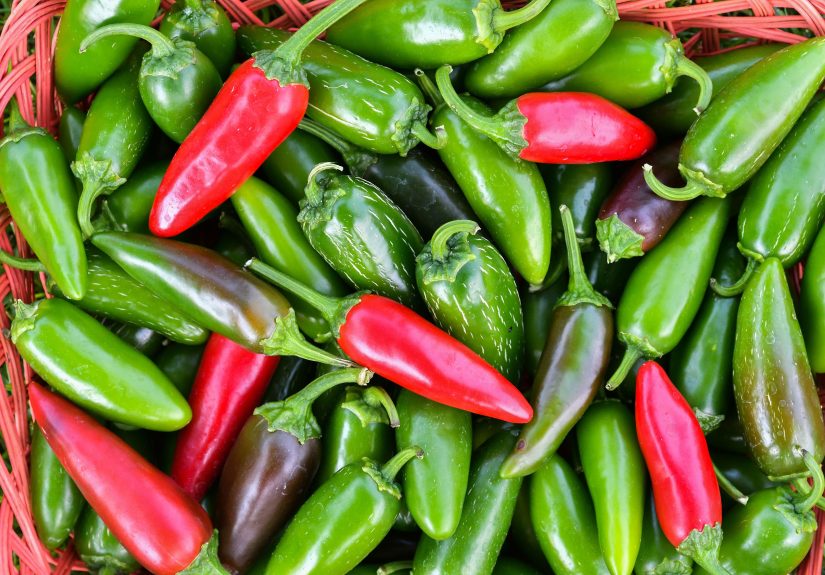
Leave a jalapeño on the plant and it will eventually turn from green to deeper green, then streaked, and finally fully red. As it ripens, its flavor becomes more complex and often sweeter, with less sharp bitterness and a softer texture.
In many tests and expert write-ups, red jalapeños are described as:
- Sweeter and fruitier than green ones
- Slightly hotter on average, thanks to longer ripening time and more developed capsaicin
- Better suited for hot sauce, smoky salsas, and fermentation
But here’s the twist: some sources note that jalapeños may actually be hottest right around the color-change stage</strongwhen the pepper is still mostly green but just starting to blush red. After that peak, heat can dip a bit as the pepper continues to sweeten, even though it’s still firmly in “spicy” territory.
So… Does Red Automatically Mean “Hotter”?
Not automatically, but it’s a good starting assumption. A red jalapeño of the same variety, grown under the same conditions, will usually be hotter than its younger green self. However, when you compare one random red pepper to one random green one from different plants or different farms, other variables can completely flip the script.
Other Factors That Decide Jalapeño Heat
1. Variety and Genetics
Not all jalapeños are created equal. Plant breeders have developed:
- Milder types (like “TAM” varieties) meant for people who want jalapeño flavor without as much burn.
- Hotter types that push toward the top of the jalapeño Scoville range.
If you bite a green pepper from a “hot” variety and compare it to a red pepper from a “mild” variety, the green one may absolutely win the heat contest.
2. Growing Conditions and Plant Stress
Peppers are drama queens. Stress them out just rightless water, intense sun, poor soil, or big temperature swingsand they often respond by producing more capsaicin.
Common signs of stress-related heat:
- Corking or stretch marks (little tan or white lines) on the skin
- Smaller, thicker-walled peppers
- Peppers from plants that have struggled with drought or heatwaves
So a stressed green jalapeño with lots of corking might out-spice a smooth, pampered red jalapeño grown in perfect conditions.
3. Age and Position on the Plant
Lower peppers that have hung on the plant longer generally build more heat and flavor. Newer peppers higher up may be milder, even if they’re the same color.
Gardeners often notice that the first flush of peppers on a plant is milder, while later harvestsespecially toward the end of the seasonare hotter and more intense.
How to Tell If a Jalapeño Will Be Spicy (Before You Commit)
Since color alone is only part of the story, here are better ways to predict jalapeño heat in the kitchen or at the store.
Look for Stretch Marks (Corking)
Many cooking and gardening guides point out that white or tan “stretch marks” on the skin are a strong signal the pepper is older and the plant was stressedconditions that tend to boost heat.
- Lots of corking: usually hotter, especially in red or dark green peppers.
- Smooth skin: generally younger and milder.
Use Color as a Supporting Clue
- Pale or bright green jalapeños with smooth skin tend to be milder.
- Deep green turning to red often signals a hotter pepper.
- Fully red peppers are often spicy but may lean a bit sweeter and more complex in flavor.
Know Where the Heat Lives
The seeds and inner ribs carry most of the heat. If you want to reduce the burn:
- Slice the pepper lengthwise.
- Scoop out the seeds and white membranes.
- Rinse if you want to mellow things even further.
Leave everything intact (especially in red jalapeños), and you’re keeping most of the fire.
Do a Tiny Taste Test
Food writers often recommend nibbling the very tip of the pepper firstthe part farthest from the seeds and ribsto get a gentle preview of its heat without shocking your mouth.
If the tip is already fiery, you know the rest of the pepper is going to be serious business.
Cooking with Green vs. Red Jalapeños
Best Uses for Green Jalapeños
Green jalapeños shine when you want bright heat plus crunch. They’re perfect for:
- Nachos and tacos (freshly sliced or pickled)
- Jalapeño poppers (their firmer walls hold stuffing well)
- Relishes and quick pickles where their grassy flavor stands out
- Everyday salsas when you want some heat but not a full-blown chili crisis
Best Uses for Red Jalapeños
Red jalapeños, with their sweeter, deeper flavor, are great when you want both heat and personality:
- Smoky salsas and roasted pepper sauces
- Fermented hot sauces with tang and depth
- Chipotle peppers (smoked, dried red jalapeños)
- Stir-fries or marinades where a touch of sweetness complements meat or veggies
Dialing Heat Up or Down in Recipes
Whether you’re using green or red jalapeños, you can control the heat level in your dish:
- For milder dishes: use smooth-skinned green peppers, remove seeds and ribs, and cook them thoroughly.
- For more heat: choose red or deeply colored peppers, look for corking, and keep those seeds and ribs.
Think of red vs. green as part of your flavor toolkit, not a strict rule. You can mix both colors in the same dish for a layered heat and a prettier plate.
Real-World Experiences: How People Actually Experience the Heat
Beyond lab measurements and expert charts, it’s helpful to look at what home cooks and gardeners say when they compare red and green jalapeños side by side.
Plenty of gardeners notice a pattern: green jalapeños taste like the classic pepper most of us knowfresh, sharp, and greenwith moderate heat. When those peppers are allowed to ripen fully, the red versions often come across as a bit hotter but definitely richer in flavor, sometimes with a hint of sweetness.
Here’s what common experience looks like in practical situations:
Side-by-Side Salsa Test
Imagine making two bowls of salsa with everything exactly the samesame tomatoes, onions, lime, and cilantrobut in one you use only green jalapeños and in the other you swap in red jalapeños.
- The green jalapeño salsa usually tastes brighter, tangier, and a little “greener,” with a noticeable but approachable heat.
- The red jalapeño salsa often has a softer, rounder heat that lingers more, plus deeper, slightly sweeter notes that make it feel warmer and more robust.
One bowl feels like everyday taco-night salsa. The other feels like something you’d proudly serve at a backyard party and take credit for “tweaking the recipe.”
Game-Day Nachos Disaster (or Success)
Picture this: you’re prepping nachos for a crowd. You toss on a pile of sliced jalapeños without thinking too much about color, and halfway through the game everyone is silently chugging water, trying to pretend they’re fine.
What probably happened?
- You unknowingly grabbed red or heavily corked peppers that were pushed to the back of the produce bin or grew toward the end of the season.
- Those stress lines and extra ripening gave them a surprising boost of heat.
On the flip side, if you’ve ever complained that your jalapeño poppers taste like “slightly spicy bell peppers,” you likely used very smooth, bright-green, early-harvest peppers with less developed capsaicin.
Gardener’s Perspective: Same Plant, Different Peppers
Gardeners often report something fascinating: peppers from the same plant can vary dramatically. Early green jalapeños might be almost mild, while late-season peppersespecially those that turn redare dramatically hotter.
This fits well with what researchers and food writers say: as the season goes on and the plant experiences more heat, less water, pests, or general stress, it tends to produce hotter fruit. Add extra ripening time for red jalapeños, and you get a double whammy of factors that can elevate the burn.
Restaurant vs. Homemade Experiences
In restaurants, especially chain spots, cooks often prefer consistent, predictable heat. That usually means relying more on green jalapeños or pickled jalapeño rings, which are tamer and more standardized.
At home, though, you might grab whatever looks good at the store or what’s ripe in the garden. That’s why people have such different experiences: some swear jalapeños are mild, while others have a single jalapeño story so dramatic they won’t touch them again.
In general, when home cooks start paying attention to clues like corking, color, and ripeness, they quickly notice the pattern: red jalapeños feel hotter more often than not, but they’re also more flavorful and fun to cook with.
Practical Takeaway from Real-Life Use
- Need a safer choice for mixed crowds? Go for smooth green jalapeños, deseeded.
- Want a punchier, more complex heat? Pick the deeper green or red jalapeños, especially those with some stretch marks.
- Love experimenting? Mix both red and green jalapeños in one dish and see how the flavors layer together.
Real-world use almost always confirms the same idea: color helps, but paying attention to ripeness, stress marks, and how you prep the pepper gives you much better control over heat than just asking, “Is red hotter than green?”
Final Verdict: Are Red Jalapeños Hotter Than Green Ones?
The honest answer is: usually, yesbut not always.
Red jalapeños are typically older, more mature, and often a bit hotter than green jalapeños from the same plant or variety. They also tend to taste sweeter and more complex. But genetics, growing conditions, plant stress, and ripeness timing can matter more than color alone, which is why a single green jalapeño can sometimes surprise you with serious fire.
If you want to predict heat more reliably, look at:
- Color: deeper green to red often means stronger heat.
- Skin texture: more corking = more likely to be spicy.
- Preparation: seeds and ribs in = maximum burn.
Use those clues together, and you’ll be way better at choosing the right jalapeñogreen or redfor whatever you’re cooking.
meta_title: Are Red Jalapeños Hotter Than Green Ones?
meta_description: Learn whether red jalapeños are hotter than green, how to judge jalapeño heat levels, and when to use each pepper in your favorite recipes.
sapo: Are red jalapeños actually hotter than green ones, or is that just spicy gossip from the produce aisle? In this in-depth guide, you’ll learn how color, ripeness, and plant stress really affect jalapeño heat, plus how to read visual cues like corking and skin color to predict spiciness before you take a bite. We’ll compare flavor, texture, and best uses for red vs. green jalapeños, and share real-world cooking and gardening experiences so you can choose the right pepperwhether you want a gentle kick or a full-on fiery finish.
keywords: Are red jalapeños hotter than green ones, red vs green jalapeños, jalapeño heat level, jalapeño Scoville units, how to tell if a jalapeño is hot, green vs red jalapeño flavor, jalapeño ripeness and spiciness