Table of Contents >> Show >> Hide
- What Is the Naughty or Nice List, Really?
- Why the Naughty or Nice Idea Still Works
- How Families Use the Naughty or Nice List Today
- How to Make the Tradition Positive Instead of Stressful
- Are Adults on the Naughty or Nice List Too?
- Signs You Might Be on the Nice List
- Signs You Might Be Flirting With the Naughty List
- The Real Meaning of the Naughty or Nice List
- Holiday Experiences Related to “Are You On the Naughty or Nice List?”
Every December, an old question sneaks back into the room like a relative who arrives early and immediately starts judging your cookie choices: Are you on the naughty or nice list? It sounds playful, harmless, and a little ridiculousbecause it isbut that is exactly why it has survived for generations. The idea is simple, memorable, and just mysterious enough to work on children, adults, and at least one uncle who suddenly becomes very generous after Thanksgiving.
The naughty or nice list is one of the most recognizable Christmas traditions in American culture. It is tied to Santa Claus, holiday behavior, family rituals, Christmas gift-giving, and the yearly fantasy that someone, somewhere, is keeping score. But beneath the sparkle, peppermint bark, and strategic acts of dishwashing, the tradition says something real about how families think about kindness, behavior, generosity, and what the holiday season is supposed to mean.
So, are you on the list? More importantly, what does that even mean in modern life? Let’s open the holiday file cabinet and look inside.
What Is the Naughty or Nice List, Really?
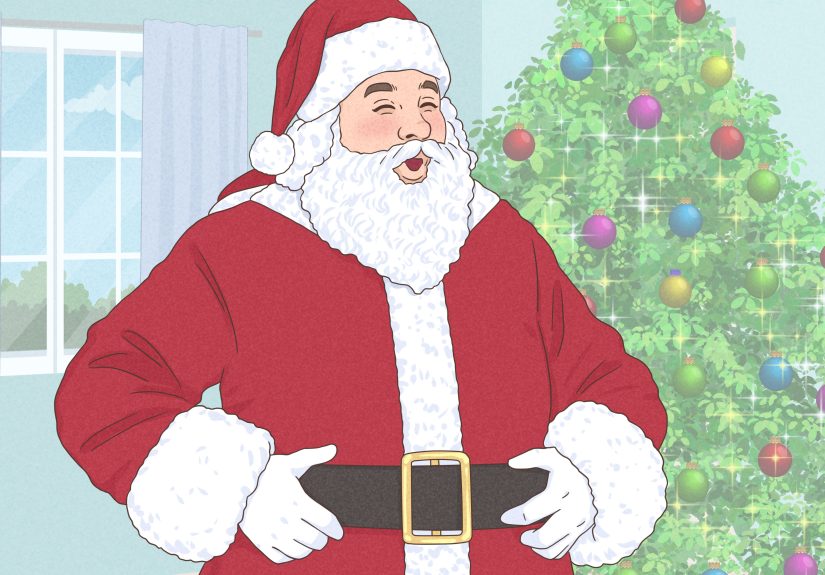
On the surface, the Santa naughty or nice list is exactly what it sounds like: a magical record of behavior used to decide who gets presents and who gets the emotional devastation of coal. In popular culture, it is part morality tale, part parenting shortcut, and part seasonal comedy routine.
But the idea did not appear out of thin winter air. It grew out of older St. Nicholas traditions, stories about rewarding good behavior, and 19th-century American holiday storytelling that helped shape the modern Santa image. Over time, Santa stopped being just a saintly gift-giver and became a full-service Christmas icon: toy distributor, North Pole CEO, chimney logistics specialist, and part-time behavioral auditor.
That is why the list still feels so familiar. It blends folklore, family tradition, and a universal truth: people like the idea that kindness matters and selfishness eventually gets noticed. Preferably before dessert.
Why the Naughty or Nice Idea Still Works
It turns behavior into a story
Children understand stories faster than lectures. “Be good” is vague. “Santa is paying attention” is specific, visual, and dramatic. Suddenly, sharing a toy is not just sharing a toy. It is evidence. Leaving a cookie for your sibling becomes character development. Throwing a fit in Target becomes, at least in theory, a North Pole compliance issue.
This is one reason the tradition remains powerful. It gives behavior a narrative shape. It turns ordinary choices into part of a bigger holiday story, and kids love stories they can step into.
It makes the season feel magical
The list is not just about discipline. It is about enchantment. A child who believes an unseen figure is tracking kindness is living inside a world where invisible goodness counts. That may sound corny, but Christmas runs on exactly that kind of corn. The season is full of symbols: stockings, letters to Santa, reindeer, lights, music, cookies on plates that somehow come back with suspiciously familiar bite marks.
The nice list works because it turns values into ritual. It says that kindness, patience, and generosity are not boring chores. They are part of the magic.
It taps into nostalgia for adults, too
Adults keep the tradition alive partly for kids, but also because it reconnects them to their own childhood memories. Holiday customs often survive because they make people feel rooted. Rituals create continuity. They remind families who they are, how they celebrate, and what they want to pass on.
That is why parents keep writing “From Santa” on gift tags even when they are exhausted, stepping on toy parts, and wondering why wrapping paper reproduces overnight. It is not just about the presents. It is about preserving a feeling.
How Families Use the Naughty or Nice List Today
Modern families use the tradition in different ways. For some, it is light and playful. For others, it becomes a motivational tool with varying levels of theatrical intensity.
The playful version
This is the fun version most people remember fondly. Kids write letters to Santa. They visit a Santa at the mall or a community event. They talk about whether they have earned a spot on the nice list. Parents joke about reporting suspicious levels of sibling chaos to the North Pole. Everyone laughs. Cookies disappear. Holiday magic remains intact.
In this version, the list works like a seasonal wink. It is less legal document, more glittery folklore.
The intense version
Then there is the version where the naughty-or-nice system starts sounding like a tiny surveillance state. Every complaint becomes “I’m telling Santa.” Every spilled drink becomes a moral crisis. Every bad mood becomes a possible stocking downgrade.
This is where the tradition can wobble. The holiday season already brings excitement, travel, sugar, disrupted routines, crowded calendars, and children who are somehow both overstimulated and under-slept. Add constant behavioral pressure, and suddenly nobody feels merry. They feel audited.
That is why many parents now try to keep the tradition playful instead of punitive. The list works best when it encourages reflection and kindness, not fear and perfectionism.
How to Make the Tradition Positive Instead of Stressful
If you want the naughty or nice list Christmas tradition to feel fun, warm, and useful, a few simple shifts make a big difference.
1. Focus on kindness, not perfection
No child is cheerful every day in December. Frankly, most adults are one delayed package away from becoming Dickensian villains. The point should not be flawless behavior. It should be growth, kindness, and intention.
Try praising moments like sharing, helping, apologizing, including others, or showing patience. Those are the real “nice list” behaviors worth celebrating.
2. Use the list as a conversation starter
Instead of threatening kids with the naughty list, ask reflective questions: “What do you think being on the nice list means?” “What is one kind thing you did today?” “What is one thing you want to do better tomorrow?”
This turns the tradition into a values discussion instead of a holiday scare tactic.
3. Keep routines steady
Holiday behavior problems are not always moral failures. Sometimes they are just symptoms of being tired, hungry, overwhelmed, or off-schedule. Kids handle festivities better when they still have sleep, downtime, and predictable rhythms. In other words, before declaring someone “naughty,” check whether they just missed a nap and ate three snowman cookies for lunch.
4. Let kids participate in the magic
Children enjoy the season more when they help create it. Let them decorate cookies, pick out a toy donation, wrap a gift, write a holiday card, or choose a family kindness project. Participation builds meaning. It also keeps them busy, which is an underrated Christmas miracle.
5. Make room for humor
The naughty-or-nice theme works best with a light touch. Joke about it. Have fun with it. Make a silly family “nice list” challenge that includes adults, like returning your shopping cart, not eating all the peppermint bark before company arrives, or refraining from rage-wrapping gifts at 11:47 p.m.
Are Adults on the Naughty or Nice List Too?
Officially? Probably not. Spiritually? Absolutely.
The grown-up version of the naughty and nice list is less about presents and more about presence. Are you patient with people? Do you show up? Do you remember that store employees, delivery drivers, teachers, and tired relatives are human beings and not side characters in your December stress montage?
Adults tend to outgrow belief in Santa, but they do not outgrow the values wrapped inside the story. Every holiday season asks the same quiet questions:
- Were you generous when you did not have to be?
- Did you make someone feel included?
- Did you apologize when you were cranky?
- Did you choose warmth over ego at least once?
- Did you resist sending that passive-aggressive family group text?
If yes, congratulations. You may not get a sleigh ride, but you are doing pretty well.
Signs You Might Be on the Nice List
- You return borrowed holiday containers instead of pretending they vanished into another dimension.
- You let someone merge in holiday traffic without acting like you deserve a parade.
- You buy thoughtful gifts instead of panic-grabbing random candles on December 24.
- You invite people in, not just impress them.
- You thank the people doing invisible work during the season.
- You know that kindness counts even when nobody posts it online.
Signs You Might Be Flirting With the Naughty List
- You eat the cookies meant for Santa and then blame “North Pole supply issues.”
- You start family arguments over decorations, potatoes, or the exact proper use of glitter.
- You weaponize the phrase “holiday spirit” while behaving like a villain in a cable movie.
- You treat gift-giving like a competitive sport.
- You confuse being busy with being loving.
Still, the holiday truth is this: nobody is all naughty or all nice. People are mixed bags. We are generous and impatient, tender and dramatic, thoughtful and occasionally one burnt casserole away from despair. The enduring charm of the tradition is not that it divides humanity cleanly into saints and gremlins. It is that it nudges us to try again.
The Real Meaning of the Naughty or Nice List
At its best, the naughty or nice list is not about punishment. It is about attention. It asks people to notice how they treat others during a season that can bring out both wonder and chaos. It gives families a shared language for talking about character, generosity, gratitude, and grace.
And maybe that is why the idea keeps coming back every year. Not because children need threats wrapped in tinsel, but because people like stories that point toward goodness. They like rituals that make kindness visible. They like believing that little actions matter.
So, are you on the naughty or nice list? The honest answer is probably: it depends on the day. Maybe even the hour. But if you are trying to be kinder, more patient, more generous, and a little less dramatic in the checkout line, you are probably headed in the right direction.
Santa, one hopes, appreciates effort.
Holiday Experiences Related to “Are You On the Naughty or Nice List?”
One of the funniest things about the naughty-or-nice tradition is how often it reveals what people are really like under holiday pressure. A child who spends all year refusing to share suddenly offers the last frosted cookie to a sibling because “Santa might hear about it.” A grown man who normally cannot locate the scissors becomes a December philanthropist because his six-year-old asks whether dads can end up on the naughty list too. The answer, obviously, is yes. Especially if they “test” the toys before wrapping them.
In many families, the nicest holiday moments are not the polished ones. They are the awkward, sweet, very human ones. A child writes a letter to Santa asking for a game console, then adds a final sentence asking for a blanket for the family dog because “she gets cold too.” A little girl insists on leaving extra cookies because Santa “looks busy.” A boy who spent the entire car ride arguing with his sister quietly hands her the bigger candy cane five minutes later. These are the moments that make the whole tradition feel worthwhile. Not because anyone behaved perfectly, but because kindness showed up in small, honest ways.
Of course, the opposite happens too. There is always that one spectacularly naughty holiday moment that becomes family folklore forever. The toddler who licked every sugar cookie “to claim them.” The cousin who announced at dinner that Grandma’s gravy “tastes worried.” The child who panicked after a tantrum and tried to restore nice-list status by aggressively complimenting everyone in the room. “Mom, your hair is shiny. Dad, your face is normal. Grandma, I respect your pie.” Honestly, that kind of recovery effort deserves points.
Adults have their own naughty-or-nice episodes, even if they pretend otherwise. Someone buys a last-minute gift card and acts like it was a statement about freedom of choice. Someone else mutters about “holiday budgeting” while quietly purchasing six things for themselves online. Another person volunteers to host Christmas dinner and then spends the entire day behaving like a stressed cruise director with an apron. By 4 p.m., everyone is one overcooked side dish away from either tears or laughter, and somehow laughter usually wins.
That may be the most relatable part of the whole topic. The naughty-or-nice question is not really about passing a test. It is about noticing the little choices people make when life gets busy, loud, and emotionally over-decorated. The season gives families dozens of chances to practice generosity, patience, and humor. Sometimes they nail it. Sometimes they absolutely do not. But years later, the stories people tell are rarely about the perfect present. They are about the time someone dressed the dog as an elf, the year the power went out and everybody ate dessert by flashlight, or the morning a child proudly declared, “I am definitely on the nice list because I only yelled twice.”
And maybe that is the real experience of the naughty-or-nice list: not a final verdict, but a running family joke with a moral center. It reminds people to be kind, gives kids a magical story to hold onto, and gives adults a yearly chance to remember that warmth matters more than perfection. Also, returning the shopping cart still counts as character.