Table of Contents >> Show >> Hide
- SAHARA 24×24 at a Glance (Specs You’ll Actually Use)
- What SAHARA Looks Like: Smooth, Bright, and Forgiving
- The Performance Story: Acoustics, Moisture Resistance, and Fire Rating
- Where SAHARA 24×24 Makes the Most Sense
- Planning Your Purchase: Don’t GuessMeasure
- Installation Overview: The Sahara “Weekend Warrior” Game Plan
- How to Make a SAHARA Ceiling Look More “Designed”
- Maintenance and Cleaning: Keeping It Bright Without Ruining It
- Common Questions People Ask Before Buying
- Conclusion: A Practical Tile That Makes Basements Feel Finished
- Experiences: What It’s Like Living With an Armstrong SAHARA 24×24 Ceiling
A basement ceiling is basically the “fifth wall” of your housethe one you stare at when you’re carrying laundry, pretending you don’t see the exposed pipes doing jazz hands overhead. If you want a ceiling that looks clean, brightens a space, and still lets you pop a tile up later to reach wiring or plumbing, a suspended (drop) ceiling can be the most practical glow-up you’ll ever do.
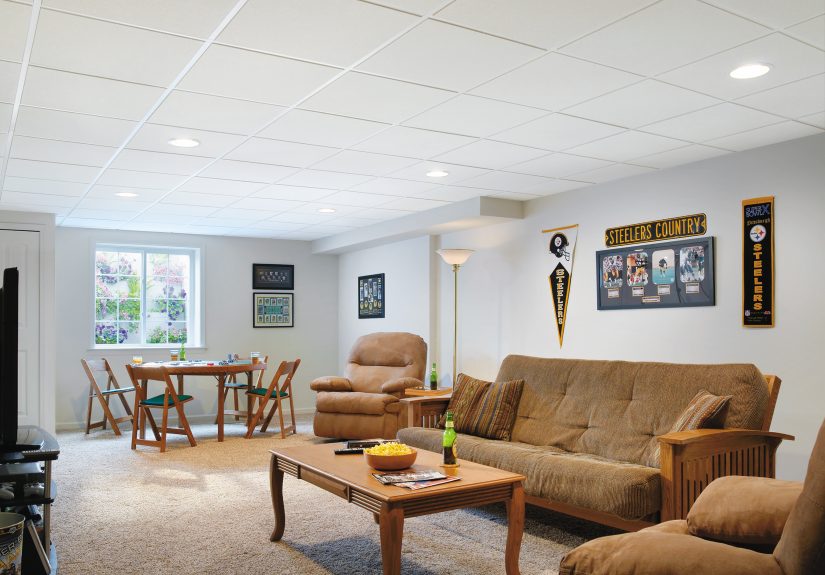
One of the most popular DIY-friendly options in that world is the Armstrong SAHARA 24 in x 24 in ceiling tile. It’s designed to give you a smooth, refined look without turning installation into a graduate-level geometry course. In this guide, we’ll break down what the Sahara tile is, what the numbers actually mean, where it performs best, and how to get a finished ceiling that looks intentionalnot like a grid you “temporarily” installed in 2017.
SAHARA 24×24 at a Glance (Specs You’ll Actually Use)
Before we get into the fun stuff (like how to avoid the dreaded “skinny border tile” that screams DIY weekend project), here are the core specs most homeowners and installers care about.
| Common Size | 24 in x 24 in (2 ft x 2 ft) |
| Actual Size | About 23.719 in x 23.719 in (fits standard grid openings) |
| Thickness | 5/8 in (0.625 in) |
| Material | Mineral fiber |
| Surface Look | Smooth / refined visual, non-directional appearance |
| Sound Absorption (NRC) | 0.50 (balanced everyday echo control) |
| Sound Blocking (CAC) | 35 (helps reduce sound traveling through the plenum to adjacent rooms) |
| Light Reflectance | 0.83 (bright white ceiling that helps bounce light around) |
| Fire Rating | Class A (per common interior finish classifications) |
| Carton Coverage | 64 sq ft per case (16 tiles; 4 sq ft per tile) |
| Paintable? | No (best to keep it factory-finished) |
| Warranty | Often listed as a 10-year limited warranty (confirm for your exact SKU) |
Quick takeaway: Sahara is aimed at finished basements, home offices, rec rooms, and light commercial/residential spaces where you want a clean ceiling and respectable acoustics without paying premium “architectural wow” pricing.
What SAHARA Looks Like: Smooth, Bright, and Forgiving
The Sahara tile is popular because it keeps the ceiling visually quiet. The finish reads as smooth and refined from the floor, which is exactly what you want when your goal is “finished room” instead of “utility zone.”
Non-directional design = fewer “oops” moments
A non-directional look means you’re not trying to align a heavy pattern across a grid like it’s wallpaper on a deadline. Rotate a tile? Nobody notices. Cut a border piece? It blends. That matters because most ceilings end up with some cut tiles around the perimeter (unless your room is mysteriously designed by ceiling-tile-loving math wizards).
Light reflectance that helps basements stop feeling like caves
A ceiling with a high light reflectance value can make the whole room feel brighter without adding more fixtures. Sahara’s light reflectance is commonly listed around 0.83, which is solid for a white ceiling tile and especially helpful in basements where natural light is… more of a rumor than a reality.
The Performance Story: Acoustics, Moisture Resistance, and Fire Rating
Ceiling tiles aren’t just “decor for the top of the room.” They do three practical jobs: they manage sound, they hide infrastructure, and they help the space feel cleaner and more finished. Sahara is built as a balanced performergood in multiple categories rather than extreme in one.
NRC 0.50: what it does (and what it doesn’t)
NRC (Noise Reduction Coefficient) is about sound absorption inside the roomthink echo and reverberation. Sahara’s typical NRC of 0.50 means it can noticeably reduce the “hard room” effect in spaces like basements, offices, and playrooms. It won’t turn a drum set into a whisper, but it can make conversations clearer and the room less boomy.
CAC 35: the underrated number for privacy
CAC (Ceiling Attenuation Class) is about sound blocking through the plenumthe space above a drop ceiling where sound can travel over walls. A CAC around 35 is often considered a meaningful threshold for reducing “I can hear everything next door” problems, especially when walls don’t reach the deck above.
Mold, mildew, and sag resistance: the basement survival kit
Basements are famous for humidity swings. Even if you run a dehumidifier, you’re still asking building materials to behave during summer moisture and winter dryness. Sahara is commonly marketed as resistant to sag and to mold/mildew growthexactly the kind of “quiet durability” you want for a ceiling you don’t plan to replace anytime soon.
Class A fire rating: helpful, but not a magic shield
Many listings call Sahara a Class A rated ceiling tile, which is a common interior finish classification tied to flame spread and smoke development testing. That’s reassuring for typical residential and light commercial use, but always remember: fire-rated assemblies are systems (tile + grid + structure + penetrations). If you’re doing a basement with specific code requirements, confirm what your local inspector expects.
Where SAHARA 24×24 Makes the Most Sense
Finished basements
Sahara is basically designed for this job: it brightens, it looks finished, and it gives you access to the stuff you will need to reach later (shutoff valves, junction boxes, network cables, surprise plumbing decisions from the previous owner).
Home theaters and media rooms
The NRC/CAC combo is a practical baseline for a basement theater, especially if you add insulation or acoustic batts above the tiles. Sahara won’t replace a full soundproof build, but it can reduce harsh reflections and help keep sound from easily traveling into adjacent spaces through the ceiling cavity.
Home offices and hobby rooms
If your office is under the living room, CAC becomes your friend. If your office is echo-y, NRC becomes your friend. Sahara gives you “good enough in both directions” so meetings feel less like you’re calling in from a tiled bathroom.
Rental upgrades and resale-friendly refreshes
A clean suspended ceiling can be a high-ROI visual upgrade: it hides stains, covers old surfaces, and makes rooms feel brighter. Sahara’s neutral look plays well with most paint colors and flooring styles, which matters if you’re trying to appeal to more than one taste.
Planning Your Purchase: Don’t GuessMeasure
How many cases do you need?
Each 24×24 tile covers 4 square feet. A typical case covers 64 square feet. Measure your room (length × width), then divide by 64 to estimate cases. Add extra for cuts and future repairs.
- Simple rooms: add ~5–10% extra tiles
- Rooms with lots of soffits, pipes, or angles: add more
- Pro tip: keep a few spare tiles in a dry spot for future “oops” moments
Match the tile to the grid size
Sahara is commonly sold for a standard 15/16-inch exposed tee grid. Some Sahara variants are designed for 9/16-inch grid systems, so double-check the SKU and edge profile before ordering everything. The grid size decision affects the look: narrower grid faces can feel more modern, while 15/16 is widely available and DIY-friendly.
Installation Overview: The Sahara “Weekend Warrior” Game Plan
A suspended ceiling is mostly about getting the grid straight and level. The tiles are the easy partkind of like how frosting is easy, but baking the cake is where the emotions happen.
1) Layout and perimeter trim
Start by marking your ceiling height and installing wall molding (perimeter trim). Spend extra time here: a level perimeter makes the entire ceiling easier.
2) Hang the main beams and build 24×24 openings
Standard 2×2 layouts typically use main beams spaced 48 inches on center, 4-foot cross tees every 24 inches, and then 2-foot cross tees to create 24×24 modules. The goal is a grid that stays square, sits flat, and doesn’t twist.
3) Choose your hanging method: wires or a faster kit
Traditional installs use hanger wire attached to joists. Many DIYers use a hanging kit system designed to speed up the process and reduce wire-bending gymnastics. Either way, the rule stays the same: the grid must be supported properly and leveled carefully.
4) Drop in full tiles, then cut border tiles last
Install full tiles first so you can “read” the room before committing to cuts. When you cut Sahara tiles, a sharp utility knife and a straightedge are your best friends. Always cut from the face side for cleaner edges, and support the tile so it doesn’t crumble.
5) Plan for lights, vents, and access panels
A drop ceiling is perfect for integrating lighting and air vents, but you’ll want to plan locations early so you’re not relocating fixtures after the grid is done. For anything heavy (lights, fans), follow the fixture’s mounting requirementsdon’t rely on the tile as a structural support.
How to Make a SAHARA Ceiling Look More “Designed”
Make your border tiles balanced
The biggest visual giveaway of a rushed ceiling is a thin strip of tile on one wall and full tiles everywhere else. A better approach is centering the grid so border cuts are similar on opposite sides. It’s a little more planning up front, but it looks dramatically more intentional.
Keep the grid crisp
Clean lines matter. If the grid is wavy, no tile can save you. Check level often, lock connections fully, and step back to sight the lines before you drop in every tile.
Use lighting to your advantage
With a bright, reflective tile, you can often get better light distribution. Consider spacing fixtures to avoid harsh “hot spots” and to keep the room evenly litespecially in basements where shadows love to gather in corners.
Maintenance and Cleaning: Keeping It Bright Without Ruining It
The best maintenance strategy is boring but effective: keep the basement dry, avoid roof/plumbing leaks, and don’t store wet items where moisture can creep into the ceiling cavity.
Routine cleaning
- Use a soft brush or vacuum attachment to remove dust.
- For light marks, use a damp cloth with mild, clear soapavoid soaking the tile.
- If a tile gets stained, replacement is often faster (and cleaner) than aggressive scrubbing.
Sahara is typically listed as not washable and not paintable, which is another way of saying: treat it like a finished surface, not like a work boot.
Common Questions People Ask Before Buying
Is SAHARA good for a basement ceiling?
YesSahara is widely positioned as a basement-friendly tile because it combines a clean look with mold/mildew and sag resistance, plus acoustical ratings that make finished basements feel less echo-y.
Will it help with noise?
It helps in two ways: NRC 0.50 supports echo control in the room, and CAC 35 helps reduce sound transfer through the ceiling plenum. If you need serious sound isolation, pair the ceiling with other strategies (sealed walls, insulation above the tiles, and careful attention to penetrations).
Do I need a special grid?
Most Sahara 24×24 listings are designed for standard exposed tee suspended ceiling systems (commonly 15/16-inch). If you already have an existing grid, confirm its face width and condition before ordering. If the grid is rusty, bent, or out of level, replacing it often makes the finished ceiling look far better.
Should I buy extra?
Absolutely. Tiles can be damaged in shipping, dinged during install, or sacrificed to the “let’s cut around this pipe” gods. A few spare tiles make future repairs painless.
Conclusion: A Practical Tile That Makes Basements Feel Finished
If your goal is a bright, clean-looking suspended ceiling that performs well in the real worldespecially in basementsthen Armstrong SAHARA 24×24 is a strong, practical choice. You get a smooth, refined appearance, balanced acoustics (NRC 0.50 / CAC 35), a high light reflectance that helps spaces feel more open, and durability features aimed at the humidity reality of below-grade rooms.
The key to loving your finished ceiling isn’t just picking the right tileit’s installing a level, square grid and planning your layout so the room looks intentional. Do that, and Sahara stops being “a drop ceiling tile” and starts being “the reason your basement finally feels like part of the house.”
Experiences: What It’s Like Living With an Armstrong SAHARA 24×24 Ceiling
In real homes, the Sahara experience usually starts with a simple moment of honesty: you look up at your basement ceiling and realize it’s not “industrial chic,” it’s “unfinished attic energy, but downstairs.” That’s where Sahara tends to shinebecause it doesn’t ask you to become a full-time ceiling historian. It’s a tile that looks crisp, reads as finished, and doesn’t require constant attention once it’s up.
A common DIY storyline goes like this: the grid install takes longer than expected, the tiles go in faster than expected, and someone says, “Wait… that’s it?” The reason is simple: once the perimeter trim is level and the grid is square, Sahara tiles are pretty cooperative. You lift, angle, and drop them into placerepeat until your arms feel like you’ve joined a silent fitness club called Ceiling Pilates. Because the look is non-directional and visually calm, small rotations and minor layout quirks don’t scream for attention.
People also notice the brightness quickly. Basements can feel dim even with decent lighting, and a reflective white ceiling can shift the mood of the room more than expected. With Sahara’s bright finish, you’ll often get a “cleaner” look even before you change anything else. It’s the same room, same walls, same floor… but suddenly it feels less like a storage zone and more like a space where someone could choose to hang out on purpose.
Acoustics are another “you don’t realize it until it changes” moment. A basement with exposed joists, ductwork, and hard surfaces can create that hollow echo that makes every conversation sound like it’s happening inside a cereal box. Sahara’s balanced absorption rating can take the edge off that reflection, which shows up in little waysTV audio feels less harsh, voices feel clearer, and the room doesn’t sound as empty when it’s not full of furniture yet. And if your basement is divided into rooms, a CAC in the mid-30s range tends to be appreciated more than people expect, because it helps reduce the “why can I hear that conversation through the ceiling?” effect.
The practical day-to-day win is access. Homeowners who pick a suspended ceiling often do it because they want the ceiling to be finished but not permanently sealed shut. Sahara fits that lifestyle: you can pop out a tile to run a cable, check a pipe, or add a new light later. That flexibility becomes a quiet form of peaceespecially in older homes where “one more weekend project” tends to happen whether you schedule it or not.
There are also real-world annoyances worth knowing. Ceiling tiles can arrive with some damage if they’ve been handled roughly in transit, and many DIYers learn to buy extra for exactly that reason. During install, the edges can be dinged if you’re forcing tiles into a grid that isn’t square, or if you’re cutting without good support underneath. The best “experience-based” tip is to slow down on the grid alignment: when the grid is right, the tiles feel easy; when the grid is off, every tile becomes a tiny argument.
Finally, Sahara tends to age well when the basement stays dry. If the room is consistently humid, any ceiling product will be tested. People who run a dehumidifier and keep airflow moving typically report the ceiling stays clean-looking and stable. In other words: Sahara will do its job, but it won’t fight a swamp for you. Fix moisture first, then let the ceiling be the calm finishing touchlike a good haircut for your basement.