Table of Contents >> Show >> Hide
- Who Is Lauren D. and What Is Ive Met Someone?
- Why Queer Dating Comics Feel So Relatable
- The Power of Turning Dating Disasters Into Art
- Queer Representation Beyond the Perfect Love Story
- Humor Makes the Vulnerability Easier to Hold
- Dating Apps, Red Flags, and Gut Instincts
- Why Readers Connect With Autobiographical Webcomics
- What the Comic Says About Growing Up Queer
- Specific Examples of Themes Readers Recognize
- How Queer Dating Comics Help Build Community
- Extra Experiences Related to Queer Dating Comics and Real-Life Lessons
- Conclusion
Dating is already an Olympic sport disguised as small talk, awkward texting, and pretending not to care whether someone replies with “haha” or “hahaha.” Add queer identity, online dating apps, coming out, first crushes, and the emotional obstacle course of modern relationships, and suddenly the whole thing deserves its own comic series. That is exactly why Lauren D., the artist behind Ive Met Someone, has connected with so many readers: she turns the beautifully messy queer dating world into funny, heartfelt, and painfully relatable comics.
Her work explores the little moments that often get skipped in mainstream romance stories: the impossible crush, the “Do I message first?” panic, the red flags wearing cute shoes, the confusing friendship that may or may not be something more, and the strange confidence boost that comes from realizing you are not the only person overthinking every emoji. These are comics about queer dating, but they are also comics about growing up, learning boundaries, finding confidence, and laughing at the parts of love that feel dramatic enough to deserve a soundtrack.
Who Is Lauren D. and What Is Ive Met Someone?
Lauren D., also known online through Arts by Lauren, created Ive Met Someone as a journal-like, autobiographical slice-of-life comic inspired by her own past experiences. The series appears on platforms such as WEBTOON and Tapas, where it is described as a mix of romance, drama, comedy, diary-style storytelling, and GL/LGBTQ+ themes. The premise is simple but instantly inviting: the narrator is telling readers things she has never told anyone, with some details changed for privacy. In other words, it is personal without being careless, honest without becoming a diary left open on a cafeteria table.
The project reportedly began in March 2019 and developed from an idea that was first imagined as a novel. Lauren later chose a hybrid approach, combining writing with comic-style illustrations because drawings could capture emotional beats that plain text might miss. Anyone who has ever tried to describe a crush with words knows the problem: sometimes the only accurate translation is a blushing cartoon face staring into the void.
The comic covers online dating, coming out, high school drama, college experiences, new relationships, and the emotional ups and downs of trying to understand both love and yourself. Its visual style is bright, cartoony, and expressive, with inspiration connected to the playful energy of 1990s Cartoon Network and Nickelodeon-style animation. That influence matters because Lauren’s comics do not treat queer dating as a lecture. They treat it as life: sometimes hilarious, sometimes confusing, sometimes tender, and occasionally as subtle as a marching band in a library.
Why Queer Dating Comics Feel So Relatable
The best autobiographical comics work because they make private experiences feel shared. Queer dating can involve the universal parts of romance, such as attraction, rejection, flirting, and heartbreak, but it also comes with specific social layers. There may be questions about safety, identity, community, labels, family acceptance, and whether someone is actually flirting or just very enthusiastic about complimenting your jacket.
Lauren’s comics tap into that emotional gray area. Instead of presenting queer romance as either tragic or perfect, her work lives in the middle, where real people live. Characters misunderstand each other. Crushes become complicated. Dating apps create hope and disappointment in equal measure. Friends give advice that may be loving, chaotic, or both. The result is storytelling that feels personal without being narrow.
That matters because LGBTQ+ readers often look for stories that do more than simply announce representation. They want texture. They want characters who can be awkward, funny, flawed, excited, anxious, and occasionally dramatic over a text bubble. Queer people deserve love stories where the central question is not always “Will society accept us?” but sometimes “Why did I send that message at 1:12 a.m.?”
The Power of Turning Dating Disasters Into Art
One of the strongest appeals of Ive Met Someone is that it transforms uncomfortable dating memories into something useful. A bad date becomes a punchline. An awkward encounter becomes a scene. A moment of confusion becomes a panel readers can point to and say, “Oh no, that is me.” This is the quiet magic of comics: they compress emotional chaos into a format the brain can hold without overheating.
Dating apps, in particular, are rich comic material. They can introduce people who never would have met otherwise, which is especially meaningful for queer people in smaller towns, conservative spaces, or social circles where the dating pool feels more like a dating puddle. At the same time, apps can make connection feel oddly artificial. A person becomes a profile. A conversation becomes a performance. A match becomes a tiny dopamine firework followed by the haunting silence of being left on read.
Lauren has spoken about the difficulty of connecting online compared with meeting someone in person. That tension appears again and again in modern dating culture. Online platforms widen possibility, but they can also flatten chemistry. A wink in real life can cause emotional system failure; a wink emoji can feel like customer service with eyelashes.
Queer Representation Beyond the Perfect Love Story
Queer comics have a long, important history of creating space for stories mainstream media ignored or simplified. From underground comic pioneers to today’s webcomic creators, LGBTQ+ cartoonists have used the form to explore identity, politics, desire, humor, family, and survival. Comics are especially powerful for queer storytelling because they can show what words struggle to explain: body language, hesitation, fantasy, memory, and the tiny emotional reactions that happen between spoken sentences.
Lauren’s work belongs to a broader tradition of queer creators using comics not only to represent identity but to normalize everyday life. The point is not that every panel must carry the weight of social progress. Sometimes progress looks like a lesbian character having a ridiculous crush, making questionable romantic decisions, and still being treated with warmth by the story.
This is why slice-of-life queer comics matter. They give readers room to see themselves outside crisis narratives. They show queer people buying coffee, surviving school, dealing with friends, flirting badly, recovering from heartbreak, and developing emotional intelligence one awkward lesson at a time. That kind of storytelling may seem small, but for readers who grew up without relatable queer media, it can feel enormous.
Humor Makes the Vulnerability Easier to Hold
The tone of Lauren’s comics is a key reason they work. The humor is not mean-spirited. It is observational, warm, and self-aware. The joke is often not “dating is terrible,” but “dating is so strange that laughing may be the healthiest available response.” That makes the comics approachable even when they touch on insecurity, rejection, or confusion.
Humor also helps readers process experiences that might otherwise feel embarrassing. Everyone has a romantic memory they would like to place in a sealed envelope, bury under a tree, and deny under oath. Comics allow those moments to return in a safer shape. The artist controls the framing. She chooses the facial expression, the pacing, the punchline, and the lesson. In doing so, she turns vulnerability into craft.
That is especially meaningful in queer dating, where many people spend years learning how to name their feelings. A first same-gender crush can be thrilling, terrifying, or confusing, depending on the person’s environment. A comic panel can capture that mix instantly: the wide eyes, the internal monologue, the dramatic pause, the full-body panic of realizing, “Oh. This is not just admiration.”
Dating Apps, Red Flags, and Gut Instincts
One of the most useful themes connected to Lauren’s work is the importance of listening to your instincts. Queer dating can be joyful, but it should never require ignoring discomfort. Red flags are not romantic challenges. They are warnings with better lighting. Whether someone is dismissive, pushy, inconsistent, secretive in a way that feels unsafe, or disrespectful about identity and boundaries, the lesson is the same: attraction should not cancel common sense.
Modern dating often encourages people to be flexible, open-minded, and patient. Those can be good qualities, but they become dangerous when they turn into self-erasure. A person should not have to shrink their identity, laugh off disrespect, or accept emotional confusion as the price of connection. Healthy queer relationships, like all healthy relationships, require honesty, consent, respect, and room for both people to be fully human.
Comics can teach these lessons without sounding like a school assembly. A funny panel about ignoring a bad vibe can be more memorable than a paragraph of advice because readers feel the situation before they analyze it. That is one reason autobiographical comics are so effective: they do not simply say, “Trust your gut.” They show what happens when a character almost does not.
Why Readers Connect With Autobiographical Webcomics
Webcomics have changed how personal storytelling reaches audiences. Instead of waiting for a traditional publisher to approve a queer dating memoir, creators can build an audience directly through platforms like WEBTOON, Tapas, Instagram, Patreon, and personal websites. This direct connection makes the work feel intimate. Readers can follow updates, leave comments, support the artist, and grow alongside the story.
For queer creators, that access is especially important. Traditional media has not always made room for stories about lesbian dating, bisexual uncertainty, trans joy, nonbinary identity, or the many experiences that exist beyond mainstream romance formulas. Webcomics allow creators to bypass some of those gates. The result is a more varied storytelling landscape where a personal comic about dating can sit beside fantasy romance, political satire, memoir, comedy, and experimental art.
Lauren’s comic succeeds because it feels like a conversation. The reader is not being handed a polished myth about love. The reader is being invited into a sequence of memories, jokes, lessons, and emotional snapshots. The honesty is part of the charm. The changed names and privacy boundaries also show that personal storytelling does not require exposing everyone involved. Good memoir knows the difference between truth and unnecessary mess.
What the Comic Says About Growing Up Queer
Although the title may suggest a simple dating comic, Ive Met Someone also speaks to the broader experience of growing up queer. Dating is rarely just dating when a person is still figuring out identity, confidence, and belonging. A crush can become a mirror. A breakup can become a lesson in self-worth. A friendship can become a confusing emotional weather system. A first relationship can teach someone what they want, what they fear, and what they will never again tolerate.
The comic’s high school and college settings are important because those years often bring identity into sharper focus. For many queer people, adolescence and early adulthood are not only about finding romance; they are about learning which parts of themselves feel safe to show. A cartoon about a crush may carry the emotional weight of recognition. A joke about dating apps may also be a joke about loneliness. A sweet romantic moment may represent years of hoping such a moment was possible.
This is where Lauren’s work becomes more than cute. It becomes quietly generous. By sharing her experiences through a funny and accessible form, she gives readers permission to laugh at their own past without dismissing its importance.
Specific Examples of Themes Readers Recognize
The Impossible Crush
Many queer people know the impossible crush: liking someone who may be unavailable, straight, emotionally confusing, or simply impossible to read. Comics are perfect for this because the drama is internal. The outside action may be tiny, but inside the character’s head, a full Broadway production is underway.
The First Message Problem
Online dating turns “hello” into strategy. Should the message be casual? Funny? Direct? Should it reference the profile? Is “hey” too boring? Is a paragraph too much? In queer dating, where people may already be managing vulnerability, the first message can feel like launching a paper airplane during a thunderstorm.
The In-Person Chemistry Surprise
Sometimes two people match online and never speak, then meet in real life and instantly connect. This contrast between digital awkwardness and real-world ease is one of the funniest truths of modern dating. Apps can introduce people, but chemistry still refuses to be fully automated. Rude of chemistry, honestly, but iconic.
The Boundary Lesson
Dating teaches boundaries the way a toaster teaches heat: usually after a small burn. Lauren’s work reminds readers that compromise is not the same as ignoring discomfort. A good relationship should make someone feel more like themselves, not like a badly edited version designed to keep another person interested.
How Queer Dating Comics Help Build Community
Relatable comics create a feeling of community because they turn private embarrassment into shared laughter. When readers comment, share, or recognize themselves in a panel, they participate in a small act of collective relief. The message becomes: “You too? Great. I thought I was the only one emotionally defeated by a three-word text.”
For LGBTQ+ readers, this sense of community can be especially valuable. Not everyone has local queer friends, affirming family members, or access to inclusive social spaces. Online art can become a bridge. It cannot replace real support, but it can offer recognition. Sometimes a comic is the first place a reader sees a feeling drawn clearly enough to name.
That is the deeper reason Lauren’s comics matter. They are not trying to solve queer dating. Nobody can solve dating. Dating is a group project where half the class forgot the assignment. But the comics make the experience less lonely. They show that confusion, awkwardness, hope, rejection, humor, and healing can all exist in the same story.
Extra Experiences Related to Queer Dating Comics and Real-Life Lessons
One of the most familiar experiences in the queer dating world is the slow realization that attraction does not always arrive with a neat label. Sometimes it starts as admiration. You think someone is funny, stylish, talented, or unusually good at making eye contact without looking like a haunted Victorian child. Then one day your brain quietly opens a new tab and says, “Actually, this may be a crush.” That moment is funny in hindsight, but when it happens, it can feel like emotional software updating without permission.
This is why comics based on queer dating experiences feel so alive. They can capture the strange timing of self-discovery. A single panel can show a character smiling too hard at a text, then immediately panicking because the smile revealed more than expected. Another panel can show the character rehearsing a casual greeting as if preparing for a presidential debate. These moments are small, but they are honest. They remind readers that identity is often discovered through ordinary interactions, not only dramatic declarations.
Another common experience is the complicated relationship between visibility and safety. Queer dating often asks people to decide how much of themselves to share, when to share it, and with whom. On an app profile, being open can attract the right people, but it can also invite unwanted attention. In person, flirting may require reading the room with the precision of a detective who has had too much coffee. Comics can approach this tension gently, using humor to show the mental calculations that many queer people perform automatically.
Then there is the community grapevine, a dating phenomenon so powerful it deserves its own weather report. In smaller queer circles, everyone may know someone who knows your ex, your crush, your almost-date, and the person you matched with but never messaged. This can be comforting because it creates connection, but it can also make dating feel like trying to have a private conversation inside a group chat. A comic can exaggerate this perfectly: one character goes on a date, and suddenly five side characters appear holding popcorn and emotional analysis.
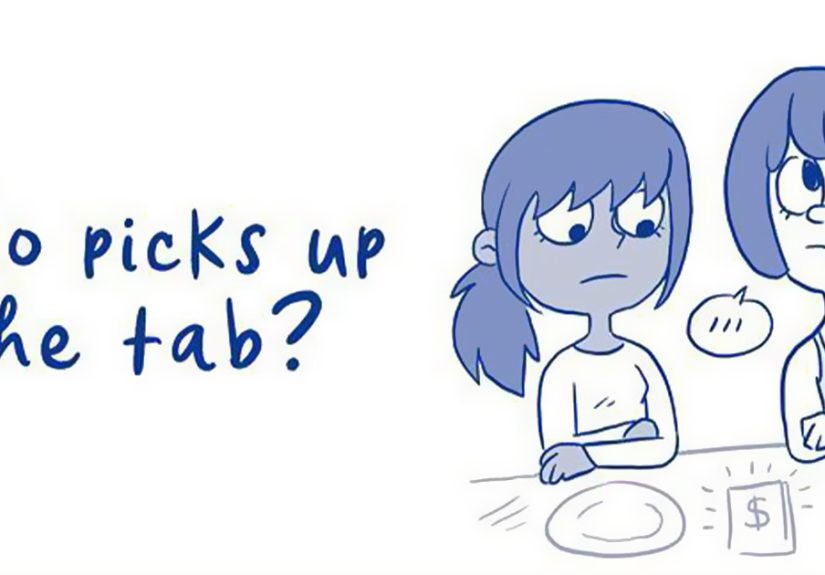
Queer dating can also involve learning what healthy love actually feels like. Many people grow up with romance stories that do not reflect them, so they may enter dating with borrowed scripts. Who asks whom out? Who pays? What counts as flirting? What does commitment look like when the traditional roadmap does not fit? The answer, often, is that people get to write their own rules. That freedom is beautiful, but it can also be intimidating. Comics make that uncertainty less frightening by showing characters learning through trial, error, and the occasional spectacular misunderstanding.
Finally, queer dating stories are powerful because they validate joy. Not every queer story must be about pain, secrecy, or struggle. There is room for silliness, butterflies, bad pickup lines, first kisses, dramatic outfit changes, and the sacred ritual of asking three friends to decode one message. Lauren D.’s work connects because it understands that queer dating is not a niche curiosity; it is human dating with its own textures, risks, jokes, and magic. By turning those experiences into comics, she gives readers a place to laugh, reflect, and maybe feel a little braver the next time they decide to send the first message.
Conclusion
Artist Created Comics Based On Her Experiences In The Queer Dating World is more than a catchy title. It describes a kind of storytelling that feels necessary: personal, funny, specific, and emotionally generous. Lauren D.’s Ive Met Someone shows how queer dating comics can transform awkward memories, confusing crushes, online dating fatigue, coming-out experiences, and relationship lessons into art that feels both entertaining and validating.
The reason these comics resonate is simple: they treat queer life as full life. There is humor, fear, romance, disappointment, growth, and plenty of moments where the only reasonable response is to stare into space and question every decision since breakfast. Through expressive art and honest writing, Lauren turns those moments into something readers can recognize, share, and carry with them.
In a world where dating often feels like a glitchy app with emotional consequences, queer comics like these offer something refreshingly human. They remind readers that love does not have to be perfect to be meaningful, and personal stories do not have to be polished to matter. Sometimes the most relatable art begins with one brave sentence: “Here is what happened to me.”