Table of Contents >> Show >> Hide
- First, a sanity-saving definition of “Asian recipes”
- Build a small-but-mighty Asian pantry
- Techniques that make Asian recipes taste “right”
- 12 Asian recipes you can cook at home (and remix forever)
- 1) Weeknight Chicken Teriyaki (glossy, not gloopy)
- 2) Fast Vegetable Fried Rice (clean out the fridge, proudly)
- 3) “Formula” Fried Rice (so you stop needing a recipe)
- 4) Pad Thai (tamarind makes it taste like Pad Thai)
- 5) Coconut Curry Base (make once, eat all week)
- 6) Quick Miso Ramen (comfort food with a pantry backbone)
- 7) Gyoza-Style Dumplings (crispy bottom, juicy center)
- 8) Bibimbap (a bowl that makes vegetables exciting)
- 9) Quick Chicken Pho-Style Soup (brothy, aromatic, weeknight-friendly)
- 10) Sesame Noodles (the “I can’t cook” lie-detector)
- 11) Stir-Fried Greens with Garlic (the side dish that saves meals)
- 12) Coconut-Milk Fish or Chicken Curry (gentle heat, big flavor)
- Common mistakes (and how to fix them)
- How to turn these into a simple weekly rotation
- Kitchen Notes: What Cooking “Asian Recipes” Feels Like (and why people get hooked)
“Asian recipes” is like saying “songs.” Helpful, sure… but it covers everything from a three-chord punk banger to a 12-minute jazz odyssey where someone
argues with a saxophone. Asia is huge, wildly diverse, and delicious in at least a thousand different directions. So instead of pretending one list can
represent an entire continent (it can’t), this guide focuses on what most home cooks actually want:
approachable, weeknight-friendly Asian recipes with the right techniques, pantry staples, and flavor logic to make them taste like you meant it.
You’ll get a smart pantry roadmap, the few “rules” that matter (high heat, prep first, don’t murder your noodles), and a set of
crowd-pleasing dishesstir-fries, noodle bowls, curries, dumplings, rice dishes, and soupsthat you can remix endlessly.
First, a sanity-saving definition of “Asian recipes”
In American kitchens, “Asian cooking” often becomes shorthand for a grab bag of East, Southeast, and South Asian-inspired dishes:
soy-saucy stir-fries, coconut curries, ramen-ish noodle bowls, dumplings, fried rice, and bright herbs-and-lime flavors. That’s not “authentic” or “inauthentic”
it’s simply how home cooking evolves when you’re working with what’s available at the grocery store and what fits into a Tuesday night.
The good news: many Asian cuisines share a few transferable ideasbalance salty/sweet/sour/heat, build aroma with garlic-ginger-scallion,
and use sauces strategically. Master those, and you can cook a lot of “Asian-style” meals confidently without needing a new set of rules for every dish.
Build a small-but-mighty Asian pantry
You don’t need 47 mysterious jars to make great Asian recipes. Start with a handful of staples that show up across many cuisines, then expand based on what you
actually cook. Think of it like a capsule wardrobe, but tastier and less judgmental.
Core pantry staples (buy these first)
- Soy sauce (all-purpose “regular” or low-sodium for control)
- Rice vinegar (clean, mild acidity)
- Toasted sesame oil (use as a finishing oil; it’s powerful)
- Neutral oil (canola, grapeseed, avocadoanything that won’t smoke-cry immediately)
- Garlic + ginger (fresh is great; frozen cubes are a weeknight miracle)
- Rice (jasmine for Thai-style vibes, short-grain for Japanese/Korean, or whatever you love)
- Noodles (rice noodles + ramen/udon covers a lot of ground)
Flavor boosters that unlock whole cuisines
- Fish sauce (salty-umami depth; use a little, then taste)
- Miso (for soups, marinades, and “why does this taste so good?”)
- Gochujang (Korean fermented chili paste: sweet, savory, spicy)
- Coconut milk (full-fat for curries; skip “cream of coconut” unless you want dessert)
- Chili crisp / sambal / sriracha (pick one heat source you actually enjoy)
Smart substitutions (because life happens)
- If you don’t have rice vinegar, use apple cider vinegar + a tiny pinch of sugar.
- If a recipe calls for mirin, try a splash of rice vinegar + a little sugar (not perfect, but workable).
- If you’re out of fresh ginger, use powdered gingerbut cut the amount and don’t expect the same brightness.
- No tamarind for Pad Thai? You can fake the sour-sweet balance with lime + brown sugar, but tamarind is the real MVP.
Techniques that make Asian recipes taste “right”
1) Stir-fry like you mean it
Stir-fry is fast cooking over high heat. The secret isn’t a mythical wok handed down from your ancestorsit’s
prep and heat management. Cut ingredients to similar sizes, keep them dry, and don’t overcrowd the pan.
If you pile in too much food, you don’t stir-fryyou steam-sulk.
A wok is great because it gives you heat zones: hot bottom for searing, cooler sides for holding. But a large skillet can work if you cook in batches.
Bonus pro move: sauce goes in near the end so it coats and glosses instead of turning into watery disappointment.
2) The fried rice rule: dry-ish rice wins
Great fried rice is about texture. Rice that’s had time to dry out (often leftover rice) stays separate and fries instead of turning into porridge.
If you’re using fresh rice, cook it with slightly less water and spread it out to cool before it hits the pan.
3) Noodles have a tiny window between “perfect” and “sad”
Rice noodles and ramen can go from bouncy to overdone fast. Under-cook slightly, then finish in sauce or broth.
And if you’re making a saucy noodle dish, have everything ready before the noodles are doneno one likes “pause noodles.”
4) Balance is the cheat code
Many iconic dishes rely on balancing a few core tastes:
salty (soy/fish sauce), sweet (sugar), sour (lime/vinegar/tamarind), heat (chili), and richness (coconut, sesame, fat).
If something tastes flat, it usually needs a touch of acid or saltnot another gallon of sauce.
12 Asian recipes you can cook at home (and remix forever)
1) Weeknight Chicken Teriyaki (glossy, not gloopy)
Teriyaki is a weeknight superhero: quick sear, quick glaze, instant “I have my life together” energy. Make a simple sauce with soy sauce, ginger, garlic,
a sweetener (brown sugar or honey), and a splash of something sharp (rice vinegar). Simmer until it coats a spoon, then toss with seared chicken.
Serve with rice and a crunchy cucumber salad to feel virtuous.
Make it yours: add pineapple for sweet-tart, or swap chicken for salmon, tofu, or mushrooms.
2) Fast Vegetable Fried Rice (clean out the fridge, proudly)
Start with scrambled eggs (optional), then stir-fry aromatics (garlic, scallion), then veggies, then rice. Season with soy sauce and a pinch of sugar.
Finish with sesame oil off heat. The goal is individual grains with crispy edges, not rice pudding with aspirations.
Upgrade: toss in frozen peas, leftover rotisserie chicken, shrimp, or chopped kimchi for instant personality.
3) “Formula” Fried Rice (so you stop needing a recipe)
Here’s the reusable equation:
cold rice + aromatics + protein + quick-cooking veg + sauce + finish.
Sauce can be as simple as soy + a touch of sugar + a little vinegar, or go deeper with oyster sauce and white pepper.
Once you learn the flow, fried rice becomes your “I didn’t plan dinner” plan.
4) Pad Thai (tamarind makes it taste like Pad Thai)
Real Pad Thai flavor comes from that sweet-sour-salty sauceoften built on tamarind, fish sauce, and sugar, brightened with lime.
Soak rice noodles until pliable (not mushy), then stir-fry in a hot pan with tofu or shrimp, egg, and the sauce.
Finish with peanuts, bean sprouts, and lime wedges like you’re running a tiny street-food stall in your kitchen.
Common pitfall: crowding the pan. Cook in batches if needed so the noodles fry instead of steaming.
5) Coconut Curry Base (make once, eat all week)
A coconut curry base is meal prep that doesn’t feel like punishment. Build flavor with onions, garlic, ginger, spices, and tomatoes (or curry paste),
then simmer with coconut milk until it tastes rich and coherent. Freeze in portions so future-you can have curry on a whim.
Use it for: chicken + vegetables, chickpeas + greens, fish, or roasted squash. Serve with rice and something crunchy on top.
6) Quick Miso Ramen (comfort food with a pantry backbone)
Ramen at home doesn’t have to mean a 12-hour broth. Start with good stock (or even upgraded instant noodles),
whisk in miso off the boil (high heat can mute miso’s flavor), then add soy sauce, ginger, and chili for depth.
Top with a jammy egg, scallions, mushrooms, greens, or leftover chicken. It’s a choose-your-own-adventure bowlno wrong answers, just different moods.
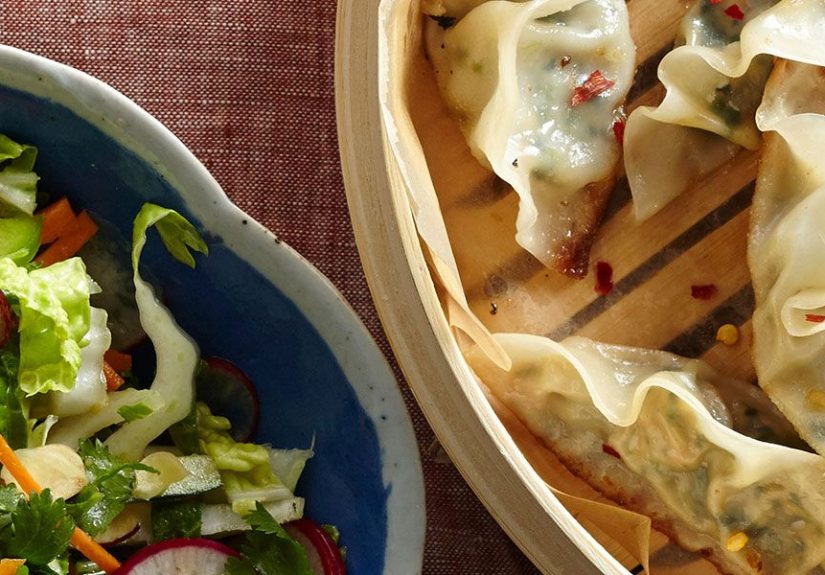
7) Gyoza-Style Dumplings (crispy bottom, juicy center)
Dumplings reward a little prep with massive payoff. Mix ground meat (or mushrooms) with cabbage, scallions, ginger, and garlic.
The key: salt the cabbage, squeeze out water, then mixso your filling is juicy, not soggy.
Pan-fry to brown the bottoms, add a splash of water, cover to steam, then uncover to re-crisp. That contrast is the whole point.
Serve with: soy sauce + rice vinegar + chili oil. You will feel like a genius. You will also want more.
8) Bibimbap (a bowl that makes vegetables exciting)
Bibimbap is basically “organized deliciousness.” Put rice in a bowl, arrange sautéed or blanched vegetables around it, add a protein (egg, beef, tofu),
then spoon on a gochujang-based sauce. The fun is in the mix: you stir everything together so each bite has a bit of everythingwarm rice, crisp veg,
spicy-sweet sauce, and richness from egg and sesame.
9) Quick Chicken Pho-Style Soup (brothy, aromatic, weeknight-friendly)
Traditional pho is a long, loving project. A quick pho-style soup is a weeknight strategy:
char onion and ginger for smokiness, simmer with broth and warm spices (coriander, clove, star anise if you have it), then add rice noodles and sliced chicken.
Finish with lime, herbs, and crunchy add-ins. The bowl should taste bright and layerednot heavy.
10) Sesame Noodles (the “I can’t cook” lie-detector)
If you can whisk, you can make sesame noodles. Stir together soy sauce, rice vinegar, toasted sesame oil, a sweetener, and chili.
Toss with noodles and add cucumbers, scallions, or ground meat if you want it heartier. It’s fast, flexible, and weirdly satisfying.
Also: it tastes great cold, which is ideal if you enjoy lunch that doesn’t smell like regret.
11) Stir-Fried Greens with Garlic (the side dish that saves meals)
Bok choy, Chinese broccoli, spinachwhatever you’ve got. Sear garlic in hot oil, add greens, splash in a little water or stock,
and season with soy sauce. Finish with sesame oil or chili crisp. It’s the easiest way to make dinner feel intentional.
12) Coconut-Milk Fish or Chicken Curry (gentle heat, big flavor)
Coconut milk + aromatics + spices = a sauce that tastes like it took effort. Simmer aromatics and curry paste/spices, add coconut milk,
and let it cook until it tastes integrated. Then add fish (quick) or chicken (longer) and any vegetables you want. Balance with lime and fish sauce at the end.
Common mistakes (and how to fix them)
- Mushy noodles: undercook slightly and finish in sauce/broth. Rinse rice noodles briefly if they’re over-softening.
- Watery stir-fry: dry your ingredients, use higher heat, and cook in batches. Sauce goes in late.
- Flat flavor: add a pinch of salt/soy or a squeeze of lime/rice vinegar. Acid is often the missing spark.
- Overpowering sesame oil: it’s a finishing oil, not a “main character.” Use drops, not glugs.
- Curry that tastes one-note: add acid (lime/tamarind) and a little sweetness; finish with fresh herbs.
How to turn these into a simple weekly rotation
If you want “Asian recipes” to become an easy part of your routine (instead of a special-project hobby), build repeatable patterns:
- 1 night stir-fry (protein + veg + rice)
- 1 night noodles (sesame noodles or ramen)
- 1 night curry (big batch + leftovers)
- 1 night rice bowl (bibimbap-inspired with whatever’s in the fridge)
- Weekend dumplings (freeze extras; future-you will send thank-you notes)
Kitchen Notes: What Cooking “Asian Recipes” Feels Like (and why people get hooked)
When home cooks start exploring Asian recipes, the first surprise is usually speed. Not “microwave speed,” but “blink and dinner happens” speed.
Stir-fry especially teaches a new rhythm: prep first, cook fast, then eat immediately while everything still has that fresh snap.
It’s less like a slow Sunday roast and more like a tiny performance. (Your audience is your household. Your critics are hungry.)
The second surprise is how quickly your palate gets calibrated to balance. A squeeze of lime over a noodle bowl suddenly makes sense.
A tiny hit of sugar in a sauce stops tasting “sweet” and starts tasting “complete.” People often notice they’re tasting more sharply
not because the food is louder, but because the flavors are more deliberately arranged. Salty needs sour. Rich needs bright.
Spicy needs a little sweetness to keep it from feeling aggressive. It’s like learning color theory, except your paintbrush is a spoon.
Then comes the pantry confidence. Once you have soy sauce, rice vinegar, sesame oil, garlic, ginger, and one or two “special” items (miso, gochujang,
fish sauce, coconut milk), you stop feeling like you’re starting from zero. Many cooks describe the moment they realize:
“Oh… I can make something good without a recipe.” Fried rice becomes a rescue mission for leftovers. Ramen becomes a canvas for anything in the fridge.
Curry becomes meal prep that doesn’t taste like meal prep. That’s the point where “Asian recipes” stops being a category and starts being a skill set.
There’s also a very human satisfaction in the small rituals: fanning rice out to cool for fried rice, whisking a sauce until it looks glossy,
hearing dumplings sizzle as the bottoms crisp. Even quick pho-style soup has its own momentcharring onion and ginger so the kitchen smells
smoky-sweet and aromatic, like you did something ancient and wise (even if you did it under the broiler while checking your email).
And yes, there are “oops” moments. Everyone has made noodles that fused into a single noodle megazord.
Everyone has accidentally poured sesame oil like it’s olive oil and then wondered why the whole dish tastes like a toasted sesame candle.
Everyone has learned the hard way that overcrowding a pan turns stir-fry into steamed sadness. The experience is part of the deal:
the techniques are simple, but they’re precise in small ways. Once you learn those small waysheat, timing, balanceyou feel unstoppable.
Finally, people get hooked because the food is both comforting and exciting. A bowl of ramen is cozy, but the toppings are playful.
Bibimbap is organized, but the final stir is chaos in the best way. Dumplings are snacky, shareable, and dangerously easy to eat “just one more” of.
Asian recipes reward curiosity: try one new ingredient, one new sauce, one new noodle shape, and suddenly dinner has a new personality.
That’s why so many cooks keep coming backnot to “master Asian cuisine” (nobody finishes that quest), but to keep discovering meals that feel fresh,
flavorful, and doable on real-life schedules.