Table of Contents >> Show >> Hide
- The Short Answer
- What Actually Matters More Than Format
- Bar Soap: Pros and Cons
- Body Wash: Pros and Cons
- Which Is Better by Skin Type?
- What About Antibacterial Soap and Body Wash?
- How to Wash Without Wrecking Your Skin Barrier
- So, Which Is Better for the Health of Your Skin?
- Experiences People Often Have With Bar Soap vs. Body Wash
- Conclusion
If you have ever stood in the shower holding a bar of soap in one hand and a bottle of body wash in the other, wondering which one your skin would file a formal complaint about, you are not alone. This debate has been going on for years, and the answer is a little more interesting than “bars are old-school” or “body wash is fancy soap in a bottle.”
When it comes to the health of your skin, the better choice is not always about format. It is about formula. A harsh, heavily fragranced body wash can dry you out just as quickly as a squeaky-clean bar soap that seems determined to remove your soul along with your natural oils. On the flip side, a gentle moisturizing cleansing bar can be excellent for sensitive skin, while the right body wash can help deliver hydrating ingredients or acne-fighting actives more easily.
So, which one wins: bar soap or body wash? For healthy skin, the real winner is the product that cleans without wrecking your skin barrier. Here is how to tell the difference, plus which option tends to work best for dry skin, oily skin, sensitive skin, acne-prone skin, and eczema-prone skin.
The Short Answer
For most people, neither bar soap nor body wash is automatically better. A gentle, fragrance-free bar cleanser and a gentle, fragrance-free body wash can both be good for your skin. What usually causes trouble is not whether the cleanser is solid or liquid. It is whether it is too harsh, too fragrant, too stripping, or packed with ingredients your skin does not enjoy.
That said, there are some patterns worth knowing:
- Traditional bar soaps can be more drying, especially if they are highly alkaline or heavily fragranced.
- Gentle cleansing bars can be very skin-friendly and are often a smart choice for dry or sensitive skin.
- Body washes are often easier to formulate with moisturizers, ceramides, and acne-fighting ingredients like salicylic acid or benzoyl peroxide.
- People with eczema, very dry skin, or sensitive skin often do best with mild, fragrance-free cleansers, whether bar or liquid.
In other words, the smartest skin-care move is to stop asking, “Bar or bottle?” and start asking, “Gentle or aggressive?” Your skin barrier cares a lot more about that distinction.
What Actually Matters More Than Format
1. Cleansing Ingredients
All cleansers use surfactants, which help lift oil, sweat, dirt, and debris from the skin. Some surfactants are milder than others. If a cleanser leaves your skin feeling tight, itchy, squeaky, or weirdly shiny in a bad way, it may be too aggressive for your skin type.
Many old-school bar soaps are made to clean very efficiently, but that can come at a cost. They may remove too much oil from the skin surface, which can weaken the skin barrier and lead to dryness, flaking, or irritation. Body washes can do this too, but many are formulated to be milder from the start.
2. pH Level
Your skin naturally has a slightly acidic surface. That acidic environment helps support the skin barrier and the healthy balance of microorganisms that live on your skin. Some traditional bar soaps have a higher pH, which can disrupt that balance and make skin more prone to dryness and irritation.
This is one reason dermatologists often warn against using regular body bar soap on your face. Facial skin is usually more delicate, and a high-pH cleanser may be more likely to leave it angry, red, and dramatic.
3. Fragrance
Fragrance is where many otherwise decent products go off the rails. For people with dry skin, eczema, or sensitive skin, added fragrance can be a major trigger. A cleanser that smells like a tropical vacation may also make your skin feel like it lost a fight with a cactus.
If your skin is prone to irritation, itching, or rash, fragrance-free is usually the safer bet whether you choose a bar soap or body wash.
4. Moisturizing Ingredients
Look for helpful ingredients like glycerin, ceramides, hyaluronic acid, petrolatum, or other moisturizing agents. These can reduce that stripped feeling after bathing and help support the skin barrier. Many modern body washes do this well, but some cleansing bars are designed for the same purpose.
The key is not whether it bubbles impressively. Your skin does not hand out extra credit for foam.
Bar Soap: Pros and Cons
Why Bar Soap Can Be Great
Bar soap has some genuine advantages. It is usually affordable, convenient, and less messy than a leaky bottle performing acrobatics off your shower shelf. Some cleansing bars are simple, gentle, and excellent for daily use. If the bar is fragrance-free and moisturizing, it may work beautifully for normal, dry, or sensitive skin.
Another plus: a cleansing bar can be easier to control. You use what you need, rinse, and move on with your life.
Where Bar Soap Can Go Wrong
The problem is that not all bars are created equal. Traditional soap bars can be more alkaline and more stripping. If you have eczema, very dry skin, or skin that reacts to almost everything, a harsh bar may leave you tight, itchy, flaky, or irritated after every shower.
Some bars also contain fragrance, exfoliating bits, essential oils, or “deodorizing” ingredients that can be too intense for sensitive skin. If your skin starts feeling worse after you switched to a trendy artisan bar, your skin may be telling you it misses peace.
Body Wash: Pros and Cons
Why Body Wash Can Be Great
Body wash is often a strong choice for people with dry, sensitive, or acne-prone skin because the liquid format makes it easier to include hydrating or treatment ingredients. Many body washes are designed to be mild, pH-balanced, and easier on the skin barrier.
Body wash can also be especially useful if you need a cleanser for a specific skin concern. For example:
- A hydrating body wash may help reduce post-shower dryness.
- A fragrance-free wash may be better for sensitive or eczema-prone skin.
- A body wash with salicylic acid or benzoyl peroxide may help with body acne.
That last point matters. If you are dealing with chest acne, back acne, or post-workout breakouts, body wash often has an advantage because medicated cleansers are widely available in liquid form and easy to spread over larger areas.
Where Body Wash Can Go Wrong
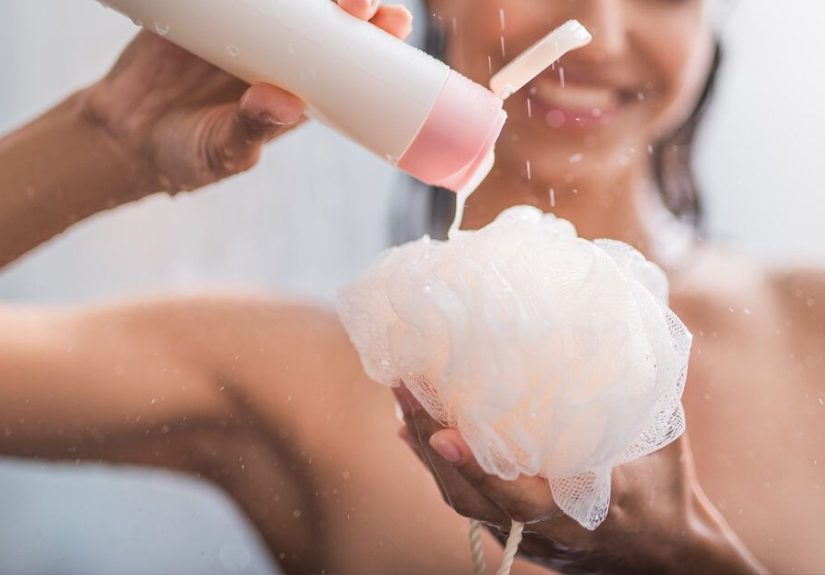
Of course, body wash is not automatically saintly. Some formulas are loaded with strong fragrance, dyes, exfoliating acids, or foaming agents that can irritate the skin. Others encourage overuse because it is easy to pour enough product for a whole football team onto a loofah.
And speaking of loofahs: if you have sensitive skin, using a harsh wash tool can create irritation no matter how gentle your cleanser is. Sometimes the cleanser is innocent and the scrubby accessory is the real menace.
Which Is Better by Skin Type?
Dry Skin
If your skin often feels tight, dull, flaky, or itchy after bathing, the goal is to preserve moisture. In this case, a gentle moisturizing bar cleanser or a hydrating body wash can both work well. Avoid harsh deodorant soaps, strongly fragranced products, and long hot showers.
For dry skin, the best cleanser is usually the one that does not leave you feeling “squeaky clean.” That squeaky feeling is not a gold medal. It is often a warning sign.
Sensitive Skin
Sensitive skin tends to do best with minimalism. Look for fragrance-free, dye-free, non-abrasive cleansers. Both bars and body washes can work, but many people find that gentle liquid cleansers are easier to tolerate because they are often made to be milder.
If you prefer bars, choose a cleansing bar made for sensitive skin rather than a classic soap bar with a perfume cloud attached to it.
Eczema-Prone Skin
If you have eczema or you are prone to itchy, inflamed patches, the safest choice is usually a mild, unscented cleanser used briefly and strategically. You do not need to soap every square inch of your body every single day. Focus on areas like the underarms, groin, feet, and visibly soiled skin.
Many people with eczema do well with soap-free cleansing bars or very gentle body washes. Follow bathing with a thick cream or ointment while the skin is still slightly damp. That step may matter as much as the cleanser itself.
Oily or Acne-Prone Skin
If you deal with body acne, body wash often pulls ahead. A cleanser with salicylic acid or benzoyl peroxide may help reduce breakouts on the chest, shoulders, and back. These ingredients are commonly used in wash form and can be easier to use than leave-on products for larger body areas.
Still, more cleansing is not always better. Overwashing can irritate skin and sometimes make acne management harder. Use a treatment wash as directed, and do not pair it with aggressive scrubbing unless your goal is to annoy your skin for sport.
Older or Thinning Skin
As skin ages, it tends to become drier and more fragile. In that situation, gentle and moisturizing usually wins. A mild fragrance-free bar cleanser or body wash can both be appropriate, but the overall routine should include warm water instead of hot water, short showers, soft cloths, and prompt moisturizing afterward.
What About Antibacterial Soap and Body Wash?
Many people assume antibacterial products must be better for the skin because they sound more powerful. In everyday home use, that is not necessarily true. For routine washing, regular soap and water are usually enough. In fact, antibacterial wash products have not shown extra benefit over regular soap and water for reducing infection in normal consumer use, and some older active ingredients were removed from consumer antiseptic wash products unless specially approved.
That means “stronger” is not always smarter. Unless your doctor recommends a medicated wash for a specific reason, you usually do not need to turn your daily shower into a chemistry experiment.
How to Wash Without Wrecking Your Skin Barrier
Whether you choose bar soap or body wash, your technique matters. A lot.
- Keep showers short. Around 5 to 10 minutes is a skin-friendlier target.
- Use lukewarm water. Hot water feels amazing in the moment and then leaves your skin filing complaints later.
- Use cleanser strategically. Focus on the areas that actually need it instead of soaping every inch daily.
- Skip aggressive scrubbing. Washcloths can be fine, but rough brushes and harsh loofahs may irritate the skin.
- Pat dry, do not rub. Your towel should assist, not sandblast.
- Moisturize quickly. Apply cream or ointment within a few minutes of bathing to help lock in moisture.
So, Which Is Better for the Health of Your Skin?
The best answer is this: for skin health, a gentle, fragrance-free, moisturizing cleanser is better than a harsh one, no matter which format it comes in.
If you love bar soap, you do not need to break up with it. Just choose a gentle cleansing bar instead of a harsh traditional soap that leaves your skin tight. If you prefer body wash, great. Pick one that is mild, hydrating, and suited to your skin type.
In practical terms:
- Choose a gentle cleansing bar if you want something simple, cost-effective, and skin-friendly.
- Choose a body wash if you want a hydrating formula, a pH-balanced option, or active ingredients for acne.
- Avoid harsh fragrance-heavy cleansers if your skin is dry, itchy, sensitive, or eczema-prone.
So the winner is not “bar soap” or “body wash” in giant glowing letters. The winner is the product that cleans your skin without stripping it, irritating it, or starting unnecessary drama.
Experiences People Often Have With Bar Soap vs. Body Wash
In real life, people often notice the difference between bar soap and body wash not on day one, but after a week or two. A person who has used a traditional soap bar for years may not realize how dry their skin feels until they switch to a gentler body wash and suddenly stop needing to scratch their shins like they are auditioning for a mosquito commercial. That tight feeling after a shower, the random flaking around the legs, the itchy patch near the elbow, or the “Why does my skin look dusty by noon?” problem can improve simply because the cleanser is less stripping.
On the other hand, some people go in the opposite direction. They switch from body wash to a gentle cleansing bar and realize their skin feels exactly the same, only now they are spending less money and dealing with less packaging. That experience is especially common when the bar is not a traditional harsh soap, but a moisturizing cleansing bar made for sensitive skin. In those cases, the old idea that “all bar soap is bad” does not really hold up.
People with sensitive skin often describe their trial-and-error phase as mildly ridiculous. One body wash smells amazing but causes stinging. Another looks creamy and luxurious but leaves the skin itchy. Then they try a plain, fragrance-free cleanser with boring packaging and discover that boring is sometimes exactly what irritated skin has been begging for all along. Skin does not care whether the bottle is chic. Skin wants peace, moisture, and fewer surprises.
For people with body acne, the experience can be different. They may find that standard bar soap does not do much for breakouts on the chest, shoulders, or back, while a body wash with salicylic acid or benzoyl peroxide helps noticeably over time. The convenience matters too. A medicated body wash is often easier to spread over larger areas, especially after exercise. But even here, there is a balancing act. If the wash is too strong or used too often, dryness and irritation can creep in, which is why many people end up alternating between a treatment wash and a gentle hydrating cleanser.
People with eczema-prone skin often report the biggest improvement not just from switching products, but from changing the entire shower routine. They shorten the shower, lower the water temperature, use less cleanser, and apply moisturizer right away. Suddenly, the cleanser debate becomes less dramatic because the skin barrier is finally getting some support. In that situation, a gentle bar and a gentle body wash may both work just fine.
That is really the most common real-world lesson: the healthiest choice is usually the cleanser that fits your skin type, avoids your triggers, and works with a gentle bathing routine. Not the one with the loudest marketing, the fanciest scent, or the most aggressive promise to make you “ultra clean.” Your skin usually prefers calm, consistent care over shower theatrics.
Conclusion
Bar soap versus body wash is not a battle with one universal champion. For the health of your skin, the better option depends on the formula and your skin’s needs. If your skin is dry, sensitive, or eczema-prone, lean toward gentle, fragrance-free cleansers and moisturize right after bathing. If you have body acne, a body wash with the right active ingredient may be the smarter pick. And if you love a bar, a mild cleansing bar can be just as skin-friendly as a liquid cleanser.
The best cleanser is the one that leaves your skin clean, comfortable, and intact, not stripped, itchy, and plotting revenge by bedtime.