Table of Contents >> Show >> Hide
- What Is Beeturia, Exactly?
- The Pink-Pee Chemistry: Why Beets Can Tint Urine
- Why Beeturia Happens to Some People (and Not Others)
- 1) Stomach Acidity: Your Internal “Pigment Bouncer”
- 2) Iron Deficiency: A Clue That Sometimes Matters
- 3) Gut Absorption and “Transit Time” Differences
- 4) Dose and Form: Beet Juice Isn’t Playing Around
- 5) Hydration and Dilution: The Same Pigment, Different Drama
- 6) Food Pairings (Yes, Your Salad Has Opinions)
- How Common Is Beeturia?
- How Long Does Pink Pee After Beets Last?
- Beeturia vs. Blood in Urine: When to Worry
- Does Beeturia Mean You Have an Iron Deficiency?
- Should You Stop Eating Beets?
- Practical Tips to Avoid Panic (and Unnecessary Googling at 2 A.M.)
- Bottom Line
- Real-World Beeturia Experiences (500+ Words)
- 1) The Salad Surprise: “I Thought I Was Dying…Because of a Side Dish”
- 2) The Beet Juice Fitness Phase: “My Pre-Workout Turned My Bathroom into a Crime Scene”
- 3) The Accidental Clue: “Pink Pee Was the Thing That Got Me Tested”
- 4) The Acid-Reducer Era: “This Started After I Changed a Medication”
- 5) The “Why Is It Different Every Time?” Mystery
You ate a gorgeous beet salad. You felt virtuous. You maybe even posted it. Then you went to the bathroom and
surprise!your urine looks like it auditioned for a strawberry smoothie commercial.
Before you start drafting your farewell text message to the group chat, take a breath. That sudden pink or red tint
after eating beets has a name: beeturia. It’s usually harmless, often short-lived, and weirdly common.
The real mystery isn’t “why did my pee turn pink?” It’s “why does this happen to some people…and not others?”
What Is Beeturia, Exactly?
Beeturia is the temporary red or pink discoloration of urine after eating beets (or foods made with beetroot
coloring). In most cases, it shows up within hours and fades within a day or two once the beet pigments pass through your body.
The important point: beeturia is color, not blood. It can look dramaticsometimes “rosé,” sometimes “cranberry juice”
but appearance alone can’t reliably tell you whether you’re seeing pigment or actual bleeding. (More on how to know when to get checked below.)
The Pink-Pee Chemistry: Why Beets Can Tint Urine
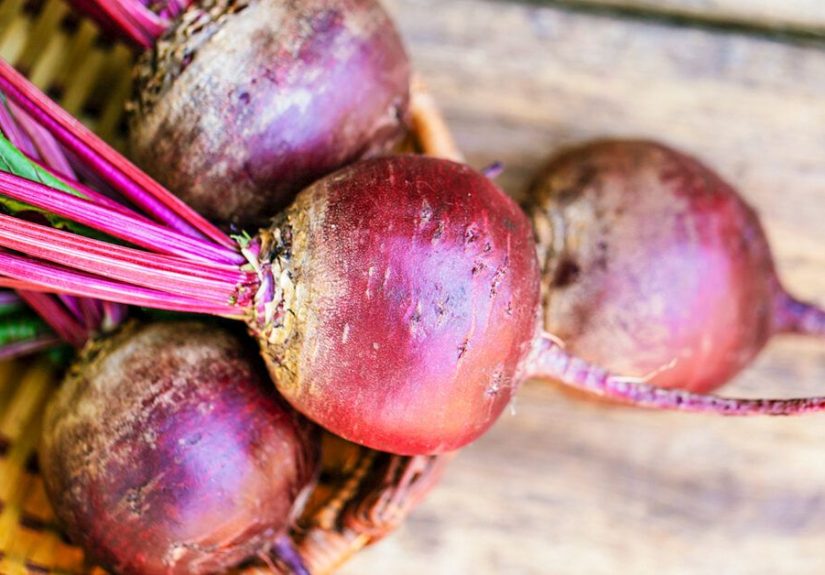
Beets get their deep ruby color from a family of pigments called betalains. The star pigment is often called
betanin (a type of betacyanin), and it’s powerful enough to stain cutting boards, countertops, and your dignity.
For some people, a portion of these pigments survives digestion, gets absorbed into the bloodstream, and is then filtered out by the kidneys.
Once those pigments hit the toilet bowl, they can make urine look pink or redclassic “pink pee after beets.”
If you’re wondering why your friend can drink beet juice like it’s a sports drink and still pee sunshine-yellow while you turn fuchsia after three bites,
welcome to the “it depends” zone of human biology.
Why Beeturia Happens to Some People (and Not Others)
The short answer: the amount of pigment that survives, gets absorbed, and exits through urine varies from person to person.
The longer answer is a mix of digestion chemistry, nutrient status, and a few “your body is just quirky” factors.
1) Stomach Acidity: Your Internal “Pigment Bouncer”
Beet pigments are sensitive to breakdown during digestion. If your stomach environment breaks down more pigment, less is left to absorb.
If more pigment survives, you’re more likely to see beeturia.
That’s why low stomach acidity is often discussed as a reason some people get “beets turn urine pink” moments more easily.
(This doesn’t mean you should self-diagnose based on toilet color alonejust that digestion conditions may influence the outcome.)
2) Iron Deficiency: A Clue That Sometimes Matters
Research and clinical observations have repeatedly found that beeturia is more common in people with iron deficiency
(and in some kinds of anemia). The exact mechanism isn’t perfectly nailed down, but the association shows up enough that many clinicians
mention it as a possible “worth checking” signalespecially if you have other symptoms of low iron.
Key nuance: beeturia does not automatically mean you’re iron deficient. Plenty of iron-replete people get it, and plenty
of iron-deficient people don’t. Think of beeturia like a smoke alarm that sometimes beeps when you make toast: it may mean something, but it’s not proof of a fire.
3) Gut Absorption and “Transit Time” Differences
How quickly food moves through your digestive tractand how much pigment gets absorbedcan differ based on your usual diet, gut health,
and individual biology. Some people seem to absorb more pigment; others break it down more completely.
Conditions linked with malabsorption (where the gut doesn’t absorb nutrients normally) are sometimes mentioned in connection with beeturia.
That doesn’t mean beeturia is a diagnostic testjust that digestion and absorption patterns can shape whether pigment escapes intact.
4) Dose and Form: Beet Juice Isn’t Playing Around
The more concentrated the beet pigment, the more likely you’ll notice a color change. A small serving of roasted beets may cause nothing.
A large glass of beet juiceor a concentrated beet supplementcan raise the odds.
Translation: if you go from “occasional beet slices” to “daily beet shots for the gym,” don’t be shocked if your urine starts doing performance art.
5) Hydration and Dilution: The Same Pigment, Different Drama
Even if the same amount of pigment is present, urine that’s more diluted can look lighter pink, while concentrated urine can look much darker.
So two people can excrete similar pigment amounts and still see different intensitiesone gets “hint of blush,” the other gets “emergency-room red.”
6) Food Pairings (Yes, Your Salad Has Opinions)
Some discussions suggest that eating beets with certain compounds may help pigment survive digestion. One example that comes up is
oxalate (also found in foods like spinach). This is still a “biology is messy” area, but it supports the bigger point:
beeturia is a multi-factor event, not a simple on/off switch.
How Common Is Beeturia?
Estimates often land around 10% to 14% of people experiencing beeturia at least sometimes. The percentage can look higher
in certain groups, including people with iron deficiency or specific digestive issues.
Also: beet-colored stool tends to be more common than beet-colored urine, because pigments that don’t get absorbed can still color what exits the other way.
(Your toilet may briefly resemble modern art. This is not a moral failing.)
How Long Does Pink Pee After Beets Last?
Most people who experience beeturia notice it within a few hours after eating beets or drinking beet juice.
It typically clears in 24 to 48 hours, depending on how much you consumed, hydration, and how quickly your body moves things along.
If the discoloration continues well beyond two days without any beet intake, it’s time to treat it as “not beeturia until proven otherwise.”
Beeturia vs. Blood in Urine: When to Worry
Here’s the truth nobody loves: red urine can come from harmless food pigmentsor from blood.
And visually, they can overlap.
Consider beeturia more likely if:
- You ate beets (or beet-containing foods/dyes) within the past 48 hours.
- The color is pink/red but you feel otherwise normal.
- The discoloration fades as the day goes on or resolves within 1–2 days.
- You also notice red or pink stool after the same meal.
Get medical advice promptly if:
- You have red/pink urine and you did not eat beets (or similar foods) recently.
- The color persists longer than 48 hours after stopping beet intake.
- You have pain or burning with urination, fever, chills, or feeling ill.
- You see clots, have severe back/flank pain, or new urinary urgency/frequency.
- You’re at higher risk for urinary tract or kidney problems, or you’re worried for any reason.
If you’re unsure, a basic urine test can help clarify whether blood is present. In other words: it’s okay to get checked.
Peace of mind is a valid medical outcome.
Does Beeturia Mean You Have an Iron Deficiency?
Not automatically. But if beeturia happens frequently and you also have symptoms that fit iron deficiency, it may be worth discussing with a clinician.
Common iron-deficiency symptoms can include fatigue, shortness of breath with exertion, pale skin, brittle nails, hair shedding, or unusual cravings for ice.
Clinicians typically evaluate iron status with blood work (often including a complete blood count and iron studies such as ferritin).
Don’t self-treat with high-dose iron based on urine color aloneiron supplementation can be harmful when unnecessary.
Should You Stop Eating Beets?
If beeturia is your only symptom, usually no. Beets are nutrient-dense (fiber, folate, potassium) and naturally high in dietary nitrates,
which some people use to support exercise performance and blood flow.
That said, beets aren’t “perfect for everyone, always.” A few practical cautions:
- Kidney stones: Beets contain oxalates, which can matter if you’re prone to oxalate stones.
- Low blood pressure: If you already run low, beet products might contribute to lightheadedness in some people.
- Sensitive digestion: Some people get gas or bloating from beets, especially in larger amounts.
In other words: enjoy beets if you like themjust don’t let a temporary pink bathroom moment bully you out of a healthy food you otherwise tolerate well.
Practical Tips to Avoid Panic (and Unnecessary Googling at 2 A.M.)
Do a quick “48-hour food rewind”
Did you eat beets, beet juice, dragon fruit, blackberries, rhubarb, or red-dyed foods recently? If yes, pigment is a strong suspect.
Hydrate and re-check later
If you’re dehydrated, urine looks more concentratedmeaning the same pigment can look more intense. Drinking water may make the color fade.
Try “controlled beet exposure” if you’re curious
If you want to confirm beeturia, eat a small, known amount of beets on a day you can observe changes calmly.
If pink pee predictably follows and then resolves, you’ve probably found your answer.
Pick golden beets for a low-drama life
Golden beets taste similar but don’t contain the same deep red pigments. Same veggie vibes, fewer bathroom jump scares.
Bottom Line
Beeturia is usually a harmless, temporary effect of beet pigments passing through your body. It’s more likely in some people due to differences in digestion,
absorption, hydration, and sometimes iron status. The only non-negotiable rule is this: don’t ignore unexplained red urine.
If you didn’t eat beets recently, if symptoms appear, or if the color persists, it’s worth getting checked.
Otherwise? Congratulations: your kidneys are doing their job, your beets are being beets, and your toilet bowl is just having a colorful moment.
Real-World Beeturia Experiences (500+ Words)
Below are common real-life “beeturia story arcs” people describecomposites based on typical reports and clinical patterns. If any feel familiar,
you’re in excellent (and surprisingly pink) company.
1) The Salad Surprise: “I Thought I Was Dying…Because of a Side Dish”
This is the classic: someone orders a beet-and-goat-cheese salad because they’re being healthy and sophisticated. Later, they see pink pee and immediately
run through a mental slideshow of worst-case scenarios. The reveal comes when they remember the beetsusually right after they’ve already told at least one
friend, “So, funny story, my urine is red.” The lesson people take from this one is simple: food can change urine color fast, and beeturia often resolves
quickly. Many describe feeling silly afterward, but also relievedand a little impressed that a vegetable can cause that much chaos.
2) The Beet Juice Fitness Phase: “My Pre-Workout Turned My Bathroom into a Crime Scene”
Endurance athletes and gym-goers sometimes start drinking beet juice for its nitrate content. Because juices and concentrates can deliver a bigger pigment hit
than a few roasted slices, the color change can be intense. People in this category often report that it happens more predictably: drink beet juice, pee pink
a few hours later, repeat. The main takeaway is that the “dose makes the drama.” Once they understand timing and harmlessness, most stop panicking and start
treating it like a quirky side effectthough many admit they still give new beet-juice drinkers a heads-up to prevent unnecessary emergency-room anxiety.
3) The Accidental Clue: “Pink Pee Was the Thing That Got Me Tested”
Some people notice beeturia repeatedlymore than what feels normal for themespecially when they aren’t eating huge amounts. A number of these individuals
also report symptoms like fatigue, getting winded easily, or feeling unusually cold. In stories like this, beeturia isn’t the diagnosis, but it becomes the
nudge that gets them to mention symptoms to a clinician. Sometimes lab work reveals iron deficiency that needed attention; other times, everything is normal
and beeturia is simply their personal “fun fact.” The experience many describe is appreciating that bodies give signalsand that it’s okay to ask for a basic
check when something feels off.
4) The Acid-Reducer Era: “This Started After I Changed a Medication”
People who use acid-reducing medications or who have naturally lower stomach acidity sometimes notice stronger beeturia, though this isn’t a guaranteed effect.
The story typically goes: they didn’t used to get pink pee, then suddenly they do, and they can’t figure out whyuntil they connect it with a change in digestion
patterns. Whether the cause is acidity, absorption, or coincidence, these experiences highlight that digestion chemistry can influence how much pigment survives.
Many say the biggest benefit was learning that beeturia can be explained by digestion differencesand that the solution isn’t panic, it’s pattern recognition.
5) The “Why Is It Different Every Time?” Mystery
A surprisingly common experience is inconsistency: someone eats beets and nothing happens, then eats them again and gets pink urine. They often describe this as
“my body playing practical jokes.” In reality, it makes sensehydration, how the beets were prepared, what else was eaten, and day-to-day digestion changes can
all shift the outcome. People who track it often notice patterns: bigger servings, beet juice, dehydration, or certain meals seem to make beeturia more likely.
The big lesson here is that beeturia can be intermittent even in the same person, which is one reason it’s considered a variable (and usually benign) phenomenon.
Final note: Beeturia stories are usually funny in hindsight, but red urine without a clear dietary explanation isn’t a jokeif you’re uncertain,
getting checked is the smart move.
Medical disclaimer: This article is for educational purposes and is not a substitute for professional medical advice, diagnosis, or treatment.