Table of Contents >> Show >> Hide
- A Sitcom Easter Egg Hiding in Plain Sight
- Why the Paddy’s Pub Building Is Actually in Los Angeles
- How Bernie Mac Enters the Paddy’s Pub UniverseSort Of
- The Nate Starkman Building: Hollywood’s Favorite “Wait, I Know That Place” Location
- Why This Trivia Feels So Funny
- The Bernie Mac Show Was More Than a Sitcom
- It’s Always Sunny and the Power of a Fictional Bar
- One Building, Two Kinds of Comedy
- Was This an Intentional Easter Egg?
- Why Fans Love Discoveries Like This
- A 500-Word Viewing Experience: Watching the Two Shows Collide in Your Brain
- Conclusion
Note: This article is based on publicly available entertainment reporting, TV-location references, award databases, and show information. The “lived above Paddy’s Pub” detail refers to a fun filming-location overlap, not Bernie Mac’s real-life residence.
A Sitcom Easter Egg Hiding in Plain Sight
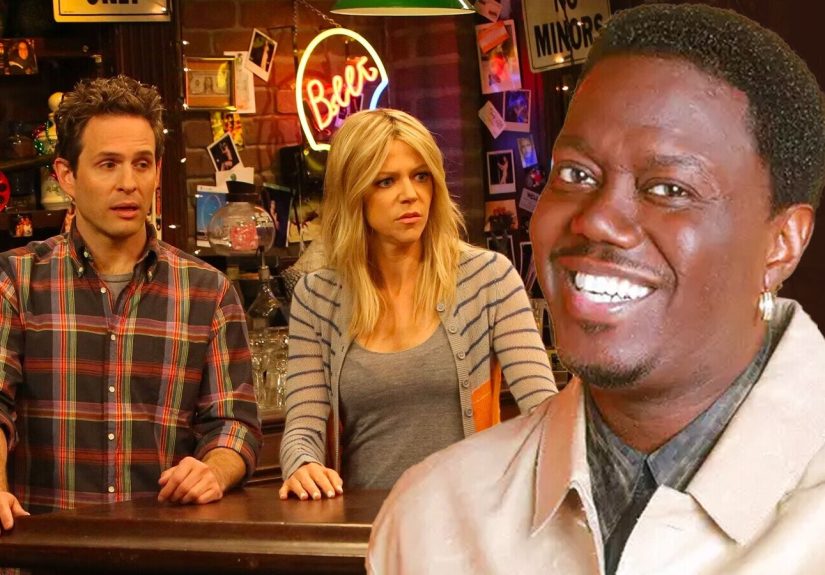
Every now and then, television history coughs up a tiny detail so oddly perfect that it feels like a joke written by the comedy gods after three coffees and one very suspicious sandwich. That is exactly the case with the discovery that Bernie Mac, on The Bernie Mac Show, appeared to live above the same building fans now recognize as Paddy’s Pub from It’s Always Sunny in Philadelphia.
To be clear, Bernie Mac did not literally move into the apartment above Charlie, Mac, Dennis, Dee, and Frank’s chaotic South Philly dive bar. This is a filming-location coincidence. But what a coincidence it is. The exterior building that became famous as Paddy’s Pub is the Nate Starkman Building, also known as the Pan Pacific Warehouse, at 544 Mateo Street in downtown Los Angeles. Before and after Always Sunny turned it into the spiritual headquarters of bad decisions, other shows used the same gritty brick exterior for their own stories.
One of those uses, spotted by fans and later discussed in entertainment coverage, connected the building to The Bernie Mac Show. In an exterior shot, Bernie Mac’s sitcom world briefly places him above what would later become one of television’s most infamous fictional bars. It is not canon. It is not a crossover. But it is the kind of TV trivia that makes viewers pause the screen, lean forward, and say, “Wait a minute… is that Paddy’s?”
Why the Paddy’s Pub Building Is Actually in Los Angeles
The funniest part of this whole story is that Paddy’s Pub, the fictional bar supposedly located in South Philadelphia, is not actually in Philadelphia at all. Its famous exterior is in Los Angeles, because television loves pretending one city is another as long as the brick looks emotionally damaged enough.
The Nate Starkman Building sits in the Arts District of Los Angeles, an area packed with industrial textures, brick warehouses, alleyways, loading doors, and the kind of visual character that location scouts dream about. The building dates back to the early 20th century and has been used repeatedly in film, television, commercials, and photo shoots because it can look like almost anything: an apartment building, a bar, a warehouse, a hideout, a crime scene, or the kind of place where someone definitely knows a guy who knows a guy.
For It’s Always Sunny in Philadelphia, the building’s exterior became Paddy’s Pub, the miserable but beloved dive bar operated by “the Gang.” The interior of Paddy’s is a set, but the exterior shot gives the show a recognizable anchor. Fans may know the green door, the worn brick, the sloped curb, and the gritty industrial feeling. It looks perfectly wrong in exactly the right way.
How Bernie Mac Enters the Paddy’s Pub UniverseSort Of
The Bernie Mac Show ran from 2001 to 2006 and starred Bernie Mac as a fictionalized version of himself. The premise was simple but rich: Bernie, a successful stand-up comedian living comfortably in Los Angeles with his wife Wanda, suddenly becomes the guardian of his sister’s three children. The show mixed family sitcom energy with stand-up confession, direct address, tough love, and Mac’s unforgettable rhythm as a performer.
The series was not set in the same fictional world as It’s Always Sunny in Philadelphia. The two shows have completely different tones, different universes, and different moral weather systems. Bernie Mac’s sitcom was about family, responsibility, discipline, and love underneath all the yelling. Always Sunny is about a group of adult gremlins turning every situation into a lawsuit, a scam, or a public-health incident.
Still, the shared building creates a hilarious illusion. In a shot from The Bernie Mac Show, Mac’s character is associated with the same exterior location that later became Paddy’s Pub. That means, visually speaking, Bernie Mac once lived above the future home of the Gang. It is a coincidence created by production logistics, but it plays like the opening scene of the strangest crossover episode never made.
The Nate Starkman Building: Hollywood’s Favorite “Wait, I Know That Place” Location
The Nate Starkman Building works so well on screen because it has a rare quality: it is specific without being too specific. The brick facade has history, but not so much visual identity that it can only play one location. It can be dressed as Philadelphia, Los Angeles, New York, or a vague urban nowhere where the rent is somehow both too high and suspiciously low.
This is why the building has appeared in multiple productions over the years. Its exterior has the kind of texture that production designers love. It looks lived-in. It looks slightly dangerous. It looks like someone has had a very dramatic conversation outside it at 2 a.m. And because it is located in Los Angeles, where many TV shows are produced, it is far easier to use than flying a crew across the country for every exterior shot.
That is the practical side of TV magic. A location scout finds a building that can “read” as another city. A director frames the shot. A sign goes up. Suddenly, Los Angeles becomes Philadelphia. Or an apartment exterior. Or a gritty neighborhood corner. Viewers accept the illusion because the emotional truth of the scene matters more than the ZIP code.
Why This Trivia Feels So Funny
The joke works because Bernie Mac and the Gang from Always Sunny represent completely different comedic universes. Bernie Mac’s comedy had authority. He could walk into a scene and own it with a glance. His sitcom character might yell, threaten discipline, or break the fourth wall, but beneath it all was a man trying to raise children right.
The Gang, by contrast, should probably not be allowed to raise a houseplant. Paddy’s Pub is less a business than a containment facility with taps. Mac, Charlie, Dennis, Dee, and Frank are usually not learning lessons; they are avoiding them with Olympic-level dedication.
So imagining Bernie Mac living above Paddy’s Pub is instantly funny. You can almost hear him opening the window and shouting down at Charlie for dragging a bag of rats through the alley. You can imagine Dennis trying to explain his “system” and Bernie cutting him off before the second letter. You can picture Frank attempting to recruit Bernie into some half-baked scheme, only for Bernie to stare him down until even Frank briefly considers becoming a better person.
The Bernie Mac Show Was More Than a Sitcom
Part of what makes this discovery charming is that it brings attention back to The Bernie Mac Show, one of the sharpest family comedies of the early 2000s. The show was created by Larry Wilmore and built around Mac’s stand-up persona, but it was not simply stand-up chopped into sitcom pieces. It had a distinctive voice.
Bernie Mac often spoke directly to “America,” turning the audience into his confidant, jury, therapist, and occasional co-conspirator. This device gave the show a personal, almost confessional style. The humor could be loud, but the emotional structure was careful. Bernie was strict because he cared. He was overwhelmed because parenting is hard. He was funny because he told the truth before sanding off the edges.
The show’s acclaim was not accidental. It earned major recognition, including Emmy attention and a Peabody Award, because it treated family comedy as something bigger than setup-punchline-repeat. It dealt with responsibility, generational differences, Black family life, discipline, vulnerability, and the strange terror of suddenly becoming the adult in the room.
It’s Always Sunny and the Power of a Fictional Bar
Meanwhile, It’s Always Sunny in Philadelphia turned Paddy’s Pub into one of TV’s most recognizable comedy locations. The bar is not glamorous. It is not the cozy hangout of a traditional sitcom. It is dim, sticky, badly managed, and probably one inspection away from becoming a crater. That is the point.
Paddy’s is the perfect headquarters for a show about people with too much confidence and too little moral supervision. The exterior of the Nate Starkman Building helps sell the fantasy. It gives the bar an industrial, forgotten quality, as if Philadelphia itself looked at the Gang and said, “No, thank you,” then left them in a brick box.
Because Always Sunny has run for so long, the building has taken on a second life in fan culture. For many viewers, 544 Mateo Street is not just a Los Angeles filming location. It is Paddy’s. Fans recognize it instantly. They visit it, photograph it, and treat it like a comedy landmark. That is what long-running television does: it turns ordinary locations into shared mythology.
One Building, Two Kinds of Comedy
The shared-location trivia is also a reminder of how television production connects shows in ways writers never intended. A building can quietly hold multiple fictional lives. In one show, it suggests a comedian’s apartment. In another, it becomes a failing bar full of terrible plans. The same bricks can support a family sitcom one year and a nihilistic comedy fever dream the next.
That flexibility is one reason real-world locations become so valuable. A good location does not merely sit in the background. It adds mood. The Nate Starkman Building adds history, grit, and texture. It gives a frame personality before anyone speaks. That matters in comedy because setting shapes the joke. A ridiculous argument outside a shiny office building feels different from a ridiculous argument outside a battered old warehouse.
For Bernie Mac, the building’s appearance adds an unexpected retroactive wink. For Always Sunny, it reinforces the bar’s grimy charm. For fans of both shows, it becomes a tiny bridge between two very different eras of TV comedy.
Was This an Intentional Easter Egg?
There is no strong reason to believe this was planned as an intentional connection between The Bernie Mac Show and It’s Always Sunny in Philadelphia. The simpler explanation is the correct one: both productions used a highly filmable Los Angeles building. Location reuse happens constantly in Hollywood. If you watch enough television, you start to notice the same courthouse, the same alley, the same mansion, and the same “New York” street that is definitely located somewhere near Burbank.
Still, accidental Easter eggs can be more fun than planned ones. A deliberate crossover asks for applause. A location coincidence sneaks up on viewers. It rewards people who pay attention to background details, pause frames, compare screenshots, and carry a mental map of fictional America that would terrify a normal cartographer.
Why Fans Love Discoveries Like This
TV fans love these discoveries because they make the screen feel bigger. A show is not just a story; it is also a physical production made by crews, scouts, decorators, drivers, editors, and countless people solving practical problems. When viewers recognize a reused location, they get a peek behind the curtain without ruining the magic.
Instead of making the show feel fake, the discovery often makes it more enjoyable. It adds another layer. Now, when fans see Paddy’s Pub, they may also think of Bernie Mac. When they revisit The Bernie Mac Show, they may suddenly spot the future home of the Gang. The building becomes a shared piece of comedy architecture.
A 500-Word Viewing Experience: Watching the Two Shows Collide in Your Brain
The best way to experience this trivia is not as a dry fact, but as a tiny comedy movie playing in your head. Imagine sitting down for a nostalgic episode of The Bernie Mac Show. You are expecting early-2000s family sitcom warmth, Bernie’s direct-to-camera wisdom, Wanda trying to keep the household balanced, and the kids creating just enough chaos to make Bernie look at America like America personally caused the problem.
Then the exterior shot appears. Something about the brick feels familiar. The angle nags at you. The doorway looks suspicious. The curb has that “I have seen a man in a duster do something illegal here” energy. Suddenly it clicks: that is Paddy’s Pub. Or, more accurately, that is the building that would become Paddy’s Pub in the visual language of It’s Always Sunny in Philadelphia.
Once you see it, the brain refuses to behave. You are no longer just watching Bernie Mac manage family life. You are imagining the Gang downstairs ruining the neighborhood. Charlie is probably in the basement writing a song about spiders. Mac is trying to enforce security rules no one respects. Dennis is staring into a mirror with the confidence of a cursed yacht salesman. Dee is mad about something, possibly everything. Frank is emerging from a vent with a bag of money that should not be explained.
And above them, in this imaginary fan-made overlap, Bernie Mac is trying to run a household. The contrast is beautiful. Bernie’s whole sitcom energy is about bringing order to disorder. Paddy’s Pub is disorder that got a liquor license. Bernie wants the kids to grow up right. The Gang wants to win an argument, dodge responsibility, and maybe monetize a fake miracle before lunch.
This is why the location overlap is so satisfying. It lets fans create impossible scenes. Bernie Mac hears screaming from downstairs and marches into Paddy’s. He does not need a weapon. He has posture, voice, and the ability to make grown adults feel like they forgot homework. Charlie tries to explain “Charlie work.” Bernie tells him that is just chores with branding. Mac tries to impress him with karate. Bernie asks why a security man cannot secure a clean bathroom. Dennis begins a speech and Bernie stops him with one look. Frank respects him immediately, which is how you know Bernie has won.
Of course, none of this happened on television. That is the fun. The shared building gives fans just enough reality to build a fantasy. It is a reminder that TV locations are not passive. They collect meanings. They gather jokes. They become haunted by every fictional person who has walked past them. The Nate Starkman Building is not just brick and doors. It is a comedy crossroads where Bernie Mac’s tough-love sitcom and Always Sunny’s gleeful moral collapse accidentally wave at each other across television history.
Conclusion
The idea that Bernie Mac lived above Paddy’s Pub from It’s Always Sunny in Philadelphia is not a literal biography fact or an official crossover. It is better than that: a strange, funny, real filming-location overlap that connects two beloved sitcom worlds through one hardworking Los Angeles building.
The Nate Starkman Building has played many roles, but few are as amusing to comedy fans as this accidental double life. For Always Sunny viewers, it is the grimy home of Paddy’s Pub. For fans revisiting The Bernie Mac Show, it becomes a surprise reminder that television history is full of reused corners, shared walls, and background details waiting to become internet gold.
In the end, the trivia works because it respects both shows. Bernie Mac brought heart, discipline, and thunderous comic authority to family sitcoms. It’s Always Sunny brought chaos, satire, and the worst bar staff in fictional Philadelphia. Put them in the same building, even only by accident, and the imagination does the rest.