Table of Contents >> Show >> Hide
If you love dishes that taste like they simmered away in a restaurant kitchen but actually came from your very normal stove, this braised shiitake mushrooms recipe is about to be your new best friend. Tender, glossy mushrooms, a savory soy-based sauce, and just enough sweetness to make everything taste rounded and rich it’s the kind of side dish that quietly steals the show from the main course.
Whether you serve these braised shiitakes over steamed rice, tuck them next to roasted chicken, or spoon them onto noodles, you get deep umami flavor, impressive nutrition, and a dish that feels fancier than the effort it requires. Let’s walk through exactly how to make it, plus tips, variations, and real-world experiences that will help you nail it every time.
What Makes Shiitake Mushrooms Special?
Shiitake mushrooms have been used in East Asian cooking and traditional medicine for centuries, and modern research backs up a lot of that enthusiasm. They’re naturally low in calories and fat, but surprisingly rich in fiber, B vitamins, and minerals like copper, selenium, and magnesium, which support energy metabolism, immune health, and heart health.
Shiitakes also contain beta-glucans such as lentinan, a type of soluble fiber that may help improve cholesterol levels, support balanced blood sugar, and modulate immune function. Some studies suggest that regular shiitake intake can increase beneficial immune markers and reduce inflammatory markers over time. While shiitakes are not a cure-all, they’re a nutrient-dense food that fits nicely into a heart-healthy, plant-forward eating pattern.
Nutritionally, a cup of cooked shiitake pieces is a light but satisfying addition to a meal, with a few grams of fiber and protein plus a nice dose of micronutrients. When sun or UV-exposed, they can also provide vitamin D2, which contributes to bone health. In short: they’re not just delicious they’re helping out behind the scenes too.
Ingredients for Braised Shiitake Mushrooms
This braised shiitake mushrooms recipe leans into classic Chinese-style flavors: soy sauce, aromatics, and a gentle touch of sweetness. You can use dried shiitakes (for maximum flavor) or fresh shiitakes (for convenience). Dried will give you that deep, almost smoky intensity, while fresh have a lighter, springier vibe.
Core Ingredients
- Shiitake mushrooms – About 2 ounces dried shiitakes (roughly 10–12 large pieces) or 12–14 ounces fresh shiitakes. Dried shiitakes should be soaked until plump and tender.
- Neutral oil – 1–2 tablespoons (such as canola, avocado, or grapeseed oil) to sauté the aromatics and lightly coat the mushrooms.
- Aromatics – 2–3 cloves garlic (minced) and a 1-inch knob of fresh ginger (sliced or julienned). These build flavor right from the start.
- Soy sauce – 2 tablespoons light soy sauce for salinity and umami. If you like deeper color and a more caramel tone, you can add 1 teaspoon dark soy sauce as well.
- Oyster sauce (optional but classic) – 1–2 tablespoons. This adds gloss, depth, and a sweet-savory punch. If you’re vegetarian, use a mushroom “oyster” sauce instead.
- Shaoxing wine or dry sherry – 1–2 tablespoons to add complexity and help deglaze the pan.
- Sugar – 1–2 teaspoons of granulated sugar or rock sugar. This balances the saltiness and brings out the mushroom’s natural sweetness.
- Stock or soaking liquid – 1 to 1½ cups low-sodium vegetable or chicken stock. If using dried shiitakes, strain and use some of the soaking liquid for an extra hit of mushroom flavor.
- Sesame oil – ½–1 teaspoon added at the end for aroma.
- Cornstarch slurry (optional) – 1 teaspoon cornstarch mixed with 1 tablespoon water, if you want a thicker, glossy sauce that clings tightly to the mushrooms.
- Salt and pepper – To taste, for final seasoning.
Optional Add-Ins
- Green onions – Sliced thin for garnish and a fresh pop of flavor.
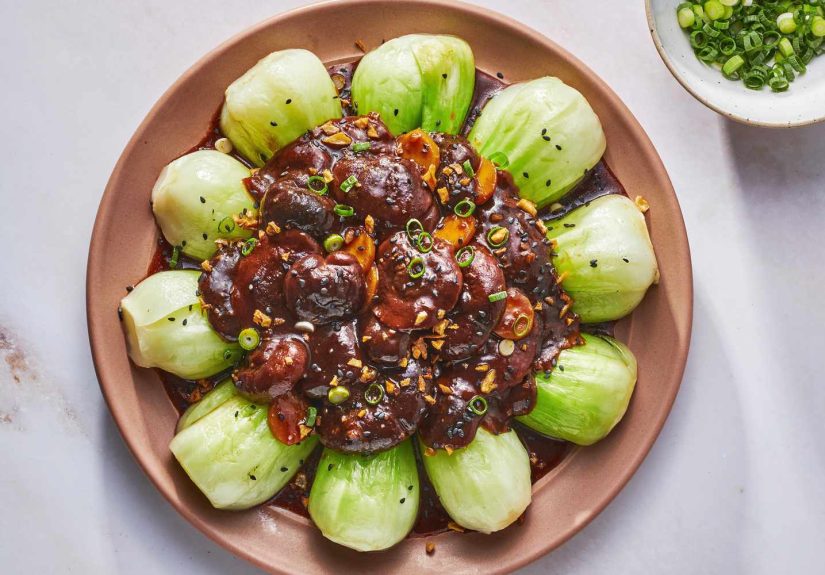
- Bok choy or baby bok choy – Quickly blanched or stir-fried and served under or alongside the mushrooms for a full side dish.
- Chili flakes or fresh red chili – For a subtle gentle heat.
- Other mushrooms – You can mix in cremini, wood ear, or enoki mushrooms for varied texture.
Step-by-Step Braised Shiitake Mushrooms Recipe
Recipe at a Glance
- Serves: 3–4 as a side, 2 as a main over rice
- Prep time: 15 minutes (plus soaking time if using dried)
- Cook time: 25–30 minutes
- Total time: 40–45 minutes
1. Soak and Prep the Mushrooms
If using dried shiitakes: Place them in a bowl and cover with very warm water. Let them soak for 20–30 minutes, or until they’re fully plump and the caps feel tender when squeezed. Remove the mushrooms, gently squeeze out excess water, and trim off the tough stems. Strain the soaking liquid through a fine mesh sieve or coffee filter to remove grit and keep about 1 cup for the braise.
If using fresh shiitakes: Quickly rinse them under cold water, then pat dry thoroughly with a clean towel. Remove and discard the woody stems. Leave small caps whole and slice larger caps in half or quarters for even cooking.
2. Build the Aromatic Base
Heat a wok, deep skillet, or medium saucepan over medium heat. Add the neutral oil. When it shimmers, add the ginger and garlic. Sauté for 30–60 seconds until fragrant but not browned. (If garlic burns, it turns bitter, so keep the heat moderate and stir constantly.)
3. Sear the Mushrooms
Add the shiitake mushrooms to the pan. If they’re crowded, cook them in two batches. Sear for 3–5 minutes, stirring occasionally, until the edges pick up a bit of color and the mushrooms start to give off their aroma. This step deepens flavor before you add any liquid.
4. Deglaze and Season
Pour in the Shaoxing wine, scraping up any browned bits from the bottom of the pan. Let the alcohol cook off for 30 seconds to a minute. Then stir in the light soy sauce, optional dark soy sauce, oyster or mushroom sauce, and sugar. Toss the mushrooms to coat them evenly in the seasoning.
5. Braise Gently
Add your stock and/or strained mushroom soaking liquid, starting with about 1 cup. The liquid should mostly cover the mushrooms, but they don’t need to be completely submerged. Bring everything to a gentle simmer, then reduce the heat to low. Cover and let the mushrooms braise for 15–20 minutes, stirring once or twice, until they’re very tender and infused with the sauce.
If the liquid level drops too much before the mushrooms are soft, add a splash of water or stock. If the mushrooms are done but the sauce is too thin, remove the lid and simmer for a few more minutes to reduce.
6. Thicken (If You Like) and Finish
If you prefer a slightly thicker, glossy sauce, stir the cornstarch slurry to recombine and drizzle it into the simmering liquid while stirring. Let it bubble for 1–2 minutes until the sauce thickens and clings to the mushrooms.
Turn off the heat and drizzle in the sesame oil. Taste and adjust the seasoning with a pinch of salt, a dash more soy sauce, or a bit more sugar if needed.
7. Serve
Transfer the braised shiitake mushrooms to a shallow serving bowl. Garnish with sliced green onions and, if you like, a sprinkle of toasted sesame seeds or chili flakes. Serve hot over steamed jasmine or brown rice, alongside stir-fried greens, or spooned over noodles.
Tips for Perfect Braised Shiitakes
Use the Soaking Liquid Wisely
The soaking liquid from dried shiitakes is pure flavor gold but it can contain grit. Always strain it before using. If it smells overly strong or muddy, dilute with some stock or water so the flavor doesn’t overpower the dish.
Don’t Be Afraid of Water
Many cooks used to treat water and mushrooms like mortal enemies, but a quick rinse is fine if you dry them well. The real key is to avoid soaking fresh mushrooms so long that they become waterlogged; a short rinse and thorough pat dry is enough. Starting with relatively dry mushrooms helps them sear instead of steam.
Cook Low and Slow Enough
Braising shiitakes gently ensures they become tender and fully cooked through. This isn’t just about texture fully cooking mushrooms is also a basic food safety step, especially if you’re working with dried mushrooms that have been rehydrated. Bring them to a good simmer and let them stay there for several minutes so both flavor and safety are taken care of.
Balance Salt, Sweet, and Umami
A great braised shiitake mushrooms recipe hits that sweet spot between salty, savory, and lightly sweet. If the dish tastes dull, it may need a tiny bit more salt or soy sauce. If it tastes a little harsh, add a pinch of sugar to round the edges. A splash of extra Shaoxing wine or a dash of rice vinegar can also brighten the flavors if everything feels too heavy.
Variations and Serving Ideas
Vegetarian and Vegan Options
To keep this recipe vegetarian or vegan, simply use mushroom-based “oyster” sauce or skip the oyster sauce and lean on soy sauce, a touch of miso, or a splash of vegetarian stir-fry sauce for body. Vegetable stock keeps things meat-free while preserving depth of flavor.
Gluten-Free Adjustments
If you need a gluten-free version, use tamari or certified gluten-free soy sauce, and check your oyster or mushroom sauce label for hidden wheat. With those simple swaps, the dish becomes naturally gluten-free while still deeply flavorful.
Make It a Full Meal
- Over rice or grain bowls: Spoon braised shiitakes over rice, quinoa, or farro with steamed greens and a soft-boiled egg.
- With noodles: Toss cooked noodles (udon, rice noodles, or egg noodles) in some of the sauce and top with mushrooms and scallions.
- Alongside proteins: Serve with grilled tofu, roasted chicken, or pan-seared salmon for an easy, elegant dinner.
- As a make-ahead side: The flavor actually deepens after a night in the fridge, making this an excellent prep-ahead dish for busy weeks.
Are Braised Shiitake Mushrooms Healthy?
From a nutrition perspective, this braised shiitake mushrooms recipe checks a lot of boxes. Shiitake mushrooms provide fiber, B vitamins, and minerals while remaining low in calories and fat. The beta-glucans and other polysaccharides found in shiitakes have been studied for their potential to support immune function, improve cholesterol profiles, and help regulate blood sugar when eaten regularly as part of a balanced diet.
The sauce in this recipe does contain sodium (thanks to soy and oyster sauces) and a bit of sugar. If you’re watching your salt intake, use low-sodium soy sauce, reduce the oyster sauce slightly, and thin the braising liquid with more unsalted stock or water. For a lower-sugar version, start with half the sugar and only add more if you feel the dish truly needs it for balance.
As always, shiitake mushrooms should be purchased from reputable sellers and fully cooked before eating. A small fraction of people may experience sensitivity to compounds like lentinan, so if you notice unusual reactions, it’s worth checking in with your healthcare provider. For most people, though, well-cooked shiitakes are a deeply flavorful way to bring more nutrient-dense plant foods onto the plate.
Experiences and Practical Lessons with Braised Shiitake Mushrooms
Talk to people who cook braised shiitake mushrooms often, and you’ll notice a few themes: everyone has their own tiny twists, and the dish is surprisingly forgiving once you understand the basics.
One common experience is underestimating just how much dried shiitakes expand. New cooks will sometimes toss a small handful into a bowl, then come back 30 minutes later to find enough mushrooms to feed an entire dinner party. If you’re cooking for two, start with a modest amount; remember that dried mushrooms are concentrated in both volume and flavor.
Another frequent “aha” moment comes from using the soaking liquid. Many home cooks used to pour it down the drain, assuming it was waste water. Once they realize that this liquid is a built-in mushroom stock, they start using it in braises, soups, and sauces and suddenly the flavor of their dishes levels up with zero extra ingredients. The main lesson: strain it, smell it, and if it smells pleasantly mushroomy, keep it.
People who cook this dish regularly also learn how customizable it is. Families with kids often dial back the soy sauce and add a bit more sugar so the flavor is milder and friendlier to sensitive palates. Spice lovers will sneak in a spoonful of chili crisp or a couple of dried chilies during the braise. If you’re cooking for mixed dietary needs, you can make one big batch of mushrooms using a vegetarian base, then finish individual portions differently at the table with extra oyster sauce, chili oil, or sesame seeds.
Texture is another area where experience pays off. Some cooks prefer their braised shiitakes quite soft and almost silky, so they simmer them a little longer with more liquid, letting the sauce slowly reduce. Others like a bit of chew, so they shorten the braise and let the mushrooms keep more bite. After making this recipe a few times, you’ll know exactly when to stop the simmer based on how the mushrooms feel when you poke them with a spoon.
Meal-prep fans often rave about how well braised shiitake mushrooms keep. The flavors deepen in the refrigerator, and the dish reheats beautifully on the stovetop or in the microwave with a splash of water or stock. A small container of braised shiitakes in the fridge can instantly upgrade a plain bowl of rice, a quick stir-fry, or even a simple omelet. Many people make larger batches on Sunday, knowing they’ll be grateful for those ready-to-go mushrooms on hectic weeknights.
Finally, cooking braised shiitake mushrooms tends to make people more comfortable experimenting with other mushrooms and techniques. Once you understand how to soak, strain, braise, and season shiitakes, it feels natural to apply the same logic to other varieties or to build complete meals around them. The dish becomes more than a side; it’s a gateway into more confident, flavor-forward, plant-centered cooking.