Table of Contents >> Show >> Hide
- Why Every Home Needs a Real Toolbox
- The 20 Essential Tools You Can't DIY Without
- 1. Claw Hammer
- 2. Multi-Bit Screwdriver
- 3. Tape Measure
- 4. Level
- 5. Utility Knife
- 6. Adjustable Wrench
- 7. Pliers Set
- 8. Hex Key Set
- 9. Cordless Drill and Driver
- 10. Drill Bit and Driver Bit Set
- 11. Stud Finder
- 12. Handsaw
- 13. Putty Knife
- 14. Caulk Gun
- 15. Socket and Ratchet Set
- 16. Clamps
- 17. Flashlight or Work Light
- 18. Safety Glasses and Work Gloves
- 19. Ladder or Step Stool
- 20. Toolbox, Tool Bag, or Storage System
- How to Choose Quality Tools Without Overspending
- Toolbox Safety Basics Every DIYer Should Follow
- Beginner Projects That Put Your Toolbox to Work
- Real-World Experience: What You Learn After Actually Using These Tools
- Conclusion: Build the Toolbox Before the Problem Arrives
A great DIY toolbox is a little like a reliable friend with a truck: you may not need it every day, but when a shelf collapses, a cabinet handle comes loose, or a mysterious screw appears on the floor with absolutely no explanation, you will be very glad it exists. Building the essential toolbox is not about buying every shiny gadget in the hardware aisle. It is about choosing the right core tools that help you measure accurately, cut cleanly, fasten securely, repair confidently, and avoid turning a simple Saturday project into a Monday morning apology.
The best starter toolbox should cover common household tasks: hanging pictures, assembling furniture, tightening fixtures, patching small problems, installing shelves, opening stubborn packaging, making basic repairs, and handling beginner-friendly weekend upgrades. You do not need a professional workshop on day one. You need dependable basics, a little storage, and enough safety gear to keep your projects from becoming cautionary tales.
Below is a practical, homeowner-friendly guide to 20 tools you cannot DIY without. Think of it as your no-drama, no-fluff roadmap to building a toolbox that actually earns its space in the closet, garage, laundry room, or under-the-stairs zone where forgotten paint cans go to retire.
Why Every Home Needs a Real Toolbox
Every home eventually asks for maintenance. A doorknob loosens. A curtain rod needs mounting. A chair wobbles. A drain cover needs removing. A smoke detector chirps at 2 a.m. with the confidence of a tiny electronic villain. Without basic tools, these small jobs become bigger than they should be.
A well-stocked toolbox saves time because you are not hunting for a screwdriver in a kitchen drawer full of batteries and rubber bands. It saves money because you can handle simple fixes yourself. It also builds confidence. The first time you hang a level shelf, tighten a leaking fixture, or assemble furniture without leftover mystery parts, you start to realize DIY is not magic. It is mostly measurement, patience, and owning the correct tool before you need it.
The 20 Essential Tools You Can’t DIY Without
1. Claw Hammer
A claw hammer is the classic starting point for any basic tool kit. Use it to drive nails, remove nails, tap parts into place, and persuade stubborn materials to cooperate. For most homeowners, a 16-ounce hammer is a comfortable all-purpose choice. Look for a curved claw, a comfortable grip, and a balanced feel. If the hammer feels like a medieval weapon in your hand, choose a lighter one. DIY should build shelves, not forearms of doom.
2. Multi-Bit Screwdriver
A multi-bit screwdriver gives you Phillips, flathead, square, Torx, and other common tips in one compact handle. It is perfect for cabinet pulls, outlet covers, furniture assembly, drawer slides, toys, appliances, and random household screws that seem personally committed to being different from all the others. A ratcheting model can make repetitive fastening easier, especially when working in tight spaces.
3. Tape Measure
The tape measure is where good projects begin and crooked projects get exposed. A 25-foot tape measure is versatile enough for most indoor and outdoor home tasks, while a 16-foot version works well for apartments and smaller spaces. Choose one with a sturdy blade, clear markings, a reliable lock, and enough standout to measure without the tape folding dramatically like it just heard bad news.
4. Level
A level keeps shelves, mirrors, art, curtain rods, and floating cabinets from looking like they are slowly sliding into another dimension. A 9-inch torpedo level is compact and easy to store, while a 24-inch level is better for longer shelves and trim work. You can also use a laser level for repeated wall layout, but a simple bubble level belongs in every starter toolbox.
5. Utility Knife
A sharp utility knife handles cardboard, rope, carpet backing, drywall scoring, caulk removal, packaging, and countless small cutting jobs. Choose a retractable model with a secure blade lock. Keep replacement blades on hand because a dull blade is not safer; it usually forces you to push harder, which is when mistakes happen. Treat it like a serious cutting tool, not a fancy box opener with commitment issues.
6. Adjustable Wrench
An adjustable wrench helps tighten and loosen nuts, bolts, plumbing fittings, and household hardware. It is especially useful when you do not yet own a full wrench set. A medium-size adjustable wrench, around 8 inches, is a good starting point. Make sure the jaw adjusts smoothly and grips firmly. Slipping off a nut is annoying; slipping off a nut while your knuckles meet a pipe is a memorable life lesson.
7. Pliers Set
Pliers grip, bend, twist, pull, and hold materials. Start with three types: slip-joint pliers for general gripping, needle-nose pliers for tight spaces and small parts, and locking pliers for clamping stubborn items. Add tongue-and-groove pliers if you plan to handle basic plumbing fixtures. Good pliers should have comfortable handles and jaws that align cleanly.
8. Hex Key Set
Hex keys, also called Allen wrenches, are essential for flat-pack furniture, bikes, cabinet hardware, towel bars, and many modern fixtures. Buy a set that includes both SAE and metric sizes. Folding sets are convenient, but loose L-shaped keys can reach into tighter spaces. Without hex keys, assembling furniture becomes a spiritual endurance test.
9. Cordless Drill and Driver
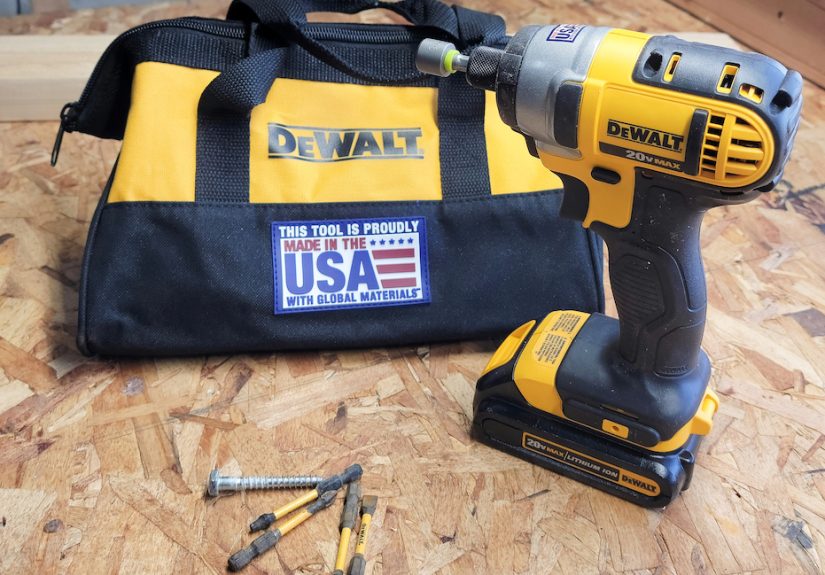
A cordless drill is one of the first power tools worth buying. It drills holes, drives screws, assembles furniture, mounts shelves, installs hardware, and speeds up repetitive work. For most home users, a compact 12-volt or 18-volt drill with variable speed, a keyless chuck, and a clutch setting is more than enough. Pair it with a basic drill bit and driver bit set. Do not skip the clutch setting; it helps avoid stripping screws or burying them too deep.
10. Drill Bit and Driver Bit Set
A drill without bits is like a coffee maker without coffee: technically present, emotionally disappointing. A starter bit set should include twist bits for wood and metal, masonry bits for brick or concrete, and driver bits for common screw heads. Keep the case organized so you can quickly find the right size. Using the wrong bit can damage the screw, the wall, the tool, and your mood.
11. Stud Finder
A stud finder helps locate framing behind drywall, which matters when hanging heavy mirrors, shelves, cabinets, or TVs. Basic magnetic stud finders detect fasteners in studs, while electronic models scan for density changes. Always confirm your mark before drilling, and remember that walls may hide wiring or plumbing. A stud finder reduces guesswork, which is excellent because walls rarely appreciate exploratory holes.
12. Handsaw
A handsaw is useful for cutting lumber, dowels, trim, branches, and small project materials when a power saw is unnecessary. A general-purpose crosscut saw works for many household jobs. For finer trim work, add a backsaw or pull saw later. The key is to let the teeth do the cutting instead of forcing the saw like you are trying to win an argument with wood.
13. Putty Knife
A putty knife is small, inexpensive, and surprisingly useful. Use it to apply spackle, scrape old paint, remove residue, clean surfaces, and lift stuck materials. A flexible 1.5-inch or 2-inch putty knife is ideal for patching nail holes and small dents. A stiffer scraper-style knife is better for removing old caulk or paint buildup.
14. Caulk Gun
A caulk gun helps seal gaps around trim, sinks, tubs, windows, and doors. It is one of the most budget-friendly tools for improving comfort, appearance, and energy efficiency. Look for a smooth-rod dripless model because it gives better control and makes less mess. Caulking is not difficult, but it rewards patience. Your first bead may look like a toothpaste accident. Keep practicing.
15. Socket and Ratchet Set
A socket set is useful for furniture, appliances, lawn equipment, bikes, and automotive-adjacent household tasks. A basic set with both SAE and metric sockets will cover most needs. Ratchets make bolt work faster than using an adjustable wrench alone, especially in tight spots. Store sockets in their case because one missing 10 mm socket can cause a level of household drama normally reserved for lost remote controls.
16. Clamps
Clamps act like an extra pair of hands. They hold pieces together while glue dries, keep materials steady while cutting or drilling, and help with repairs. Start with two quick-grip clamps or spring clamps, then add bar clamps for larger projects. Once you own clamps, you will wonder how you ever balanced a board with one knee and pure optimism.
17. Flashlight or Work Light
Repairs often happen in dark places: under sinks, behind appliances, inside closets, in basements, and anywhere a screw has decided to roll. A compact LED flashlight is essential, but a rechargeable work light or headlamp is even better when you need both hands. Good lighting improves accuracy and safety. It also helps you see the spider before the spider sees your panic.
18. Safety Glasses and Work Gloves
Safety gear belongs in the toolbox, not in a forgotten corner of the garage. Safety glasses help protect your eyes from dust, chips, splinters, and flying debris. Work gloves protect your hands from rough lumber, sharp edges, and blisters. Add hearing protection when using loud power tools. Even simple projects can create hazards, and the best DIYers are not the ones who “tough it out.” They are the ones who can still see, hear, and count to ten on their fingers afterward.
19. Ladder or Step Stool
A sturdy step stool or ladder helps you reach ceiling fixtures, upper cabinets, gutters, curtain rods, and high shelves safely. Choose the right height for your home and never stand on chairs, buckets, boxes, or anything that looks like it came from a cartoon accident. A lightweight step ladder with wide steps is excellent for indoor tasks. For outdoor work, use a properly rated ladder and follow safe setup practices.
20. Toolbox, Tool Bag, or Storage System
Tools are only useful if you can find them. A toolbox, tool bag, or portable organizer keeps your essentials together and protects them from damage. A soft-sided tool bag is easy to carry around the house, while a hard toolbox offers more structure. Add small containers for screws, wall anchors, picture hangers, replacement blades, and batteries. Organization is not glamorous, but neither is buying a third tape measure because the first two are hiding somewhere “safe.”
How to Choose Quality Tools Without Overspending
Building the essential toolbox does not mean buying the most expensive version of everything. Spend more on tools you will use often: drill, screwdriver, tape measure, pliers, utility knife, and safety gear. For occasional tools, midrange options usually work well. Avoid ultra-cheap tools that feel flimsy, have uncomfortable grips, or show poor alignment. A screwdriver with a soft tip, a wrench with loose jaws, or a tape measure that refuses to lock will make every job harder than it needs to be.
Also consider how tools feel in your hand. Weight, balance, grip texture, and control matter. A tool that feels comfortable is safer and easier to use. If you are buying in person, hold the tool before purchasing. If you are buying online, read reviews for comments about durability, handle comfort, battery life, and accuracy.
Toolbox Safety Basics Every DIYer Should Follow
Before using any tool, read the instructions, inspect it for damage, and make sure you understand the job. Keep blades sharp, handles secure, cords undamaged, and batteries charged but stored properly. Wear eye protection when cutting, drilling, sanding, hammering, or working overhead. Use gloves when handling rough or sharp materials, but avoid loose gloves around spinning tools where they may catch.
Do not use power tools in wet areas unless the tool and power setup are designed for that environment. Unplug corded tools or remove batteries before changing blades or bits. Secure your workpiece before cutting or drilling. Keep your workspace clean, dry, and well-lit. If a project involves major electrical work, gas lines, structural changes, roofing, or anything beyond your skill level, call a qualified professional. Confidence is useful; overconfidence is expensive.
Beginner Projects That Put Your Toolbox to Work
Once your toolbox is ready, start with projects that build skill without overwhelming you. Hang a picture gallery using a tape measure, level, hammer, and anchors. Assemble a bookshelf with a multi-bit screwdriver and hex keys. Replace cabinet hardware with a drill and screwdriver. Patch nail holes with a putty knife and spackle. Install weatherstripping around a drafty door. Re-caulk a small gap around trim or a sink.
Each small project teaches something: how fasteners behave, how materials respond, how much pressure is too much, and why measuring twice is still not enough if you measured the wrong thing. That is normal. DIY skill grows through repetition, not perfection.
Real-World Experience: What You Learn After Actually Using These Tools
The first lesson of building a toolbox is that the “most important tool” changes depending on the problem in front of you. When a picture frame needs hanging, the tape measure and level feel like royalty. When a cabinet hinge is loose, the screwdriver becomes the hero. When water is slowly appearing under the sink, the adjustable wrench suddenly gets promoted to emergency management.
One of the most useful habits is keeping the basic tools together. Many beginners buy the right tools but scatter them across drawers, closets, and garage shelves. That turns a five-minute fix into a scavenger hunt. A dedicated tool bag solves this instantly. Keep the hammer, screwdriver, pliers, tape measure, utility knife, level, hex keys, and flashlight in one portable kit. When something breaks, grab the bag and go. It sounds simple because it is, and that is exactly why it works.
Another experience most DIYers learn quickly: the tool is only half the job. The other half is preparation. For example, before drilling into a wall, you need to know what you are mounting, how heavy it is, what type of wall you have, whether you need anchors, and whether there might be wires or pipes nearby. Before cutting wood, you need to mark clearly, support the piece, and think about which side of the line the blade should follow. Tiny planning steps prevent very loud mistakes.
It is also worth buying extra consumables before you need them. Replacement utility blades, painter’s tape, pencils, screws, wall anchors, sandpaper, batteries, and drill bits disappear faster than expected. Nothing slows a project like having every tool except the one tiny anchor required to finish the job. A small organizer with labeled compartments can save multiple hardware store trips, which is good because those trips have a way of turning into “I only came for screws and left with a shop vacuum” adventures.
Storage matters more than people think. Tools that get tossed into a damp garage corner will rust, dull, or vanish. Wipe tools clean after messy jobs, keep blades retracted or covered, and store battery-powered tools away from extreme heat. If you use a toolbox in multiple rooms, put everything back immediately after the project. Future-you deserves kindness.
Finally, every DIYer learns that the best toolbox grows slowly. You do not need a table saw, air compressor, tile cutter, and laser distance measurer on day one. Start with the essentials. Let your projects tell you what to buy next. If you keep borrowing the same tool three times, it may be time to own it. If you only need a specialty tool once, consider renting it. A smart toolbox is not the biggest one. It is the one that matches your home, your projects, and your skill level.
Conclusion: Build the Toolbox Before the Problem Arrives
The best time to build your essential toolbox is before something breaks, leaks, loosens, squeaks, or falls off the wall with theatrical timing. With these 20 tools, you can handle common home repairs, simple upgrades, furniture assembly, basic maintenance, and beginner DIY projects with much more confidence.
Start with dependable hand tools, add a cordless drill, protect yourself with safety gear, and keep everything organized. You do not need to become a professional contractor to be more capable around the house. You just need the right tools, a patient approach, and the humility to measure again before making a hole you will have to explain later.