Table of Contents >> Show >> Hide
- Meet Bürstenhaus Redecker: Why This Brand Gets Mentioned So Often
- Which “Redecker Cleaning Cloth” Are We Talking About?
- What Makes the Classic Redecker Cleaning Cloth Different?
- How the Copper Cloth Fits In (And When It’s the Wrong Tool)
- How to Use a Bürstenhaus Redecker Cleaning Cloth Like You Mean It
- Care, Washing, and How to Make It Last
- Is It Worth It? A Practical Value Breakdown
- Common Mistakes (So You Don’t Accidentally Turn This Into a “Learning Experience”)
- FAQ
- of Real-Life Style Experiences With a Redecker Cleaning Cloth
- Conclusion
If you’ve ever stared at your kitchen like it personally betrayed you (hello, mysterious sticky spot that appeared overnight),
you already understand the eternal truth of home care: the right tool turns cleaning from “ugh” into “okay… oddly satisfying.”
That’s the vibe behind the Bürstenhaus Redecker cleaning clotha deceptively simple, old-school-style cloth
that shows up in modern homes because it’s sturdy, absorbent, and built to be used hard, washed, and used again.
Redecker is best known for brushes, but their cleaning cloths have earned a quiet cult followingespecially the
cotton/towel-yarn cleaning cloth (the big one you’ll reach for constantly) and the
copper cloth (the “burnt-on mess, meet your match” option). This guide breaks down what these cloths are,
what they do well, how to use them without wrecking your cookware, and whether they’re worth making space for in your drawer.
Meet Bürstenhaus Redecker: Why This Brand Gets Mentioned So Often
Bürstenhaus Redecker is a German, family-run maker of household tools with a reputation for combining practicality
with good design. Their products often lean on natural materials (wood, plant fibers, and textiles) and a
“buy once, use forever (or at least for a very long time)” philosophy.
The reason that matters for a cleaning cloth is simple: you can feel the difference between something made to survive
daily chores and something made to survive a single cleaning session and then “mysteriously disappear” in the laundry.
Redecker’s cloths are meant to be washed, reused, and kept in rotationmore like a dependable kitchen towel than a disposable wipe.
Which “Redecker Cleaning Cloth” Are We Talking About?
In the U.S. market, “Redecker cleaning cloth” usually refers to one of these practical options:
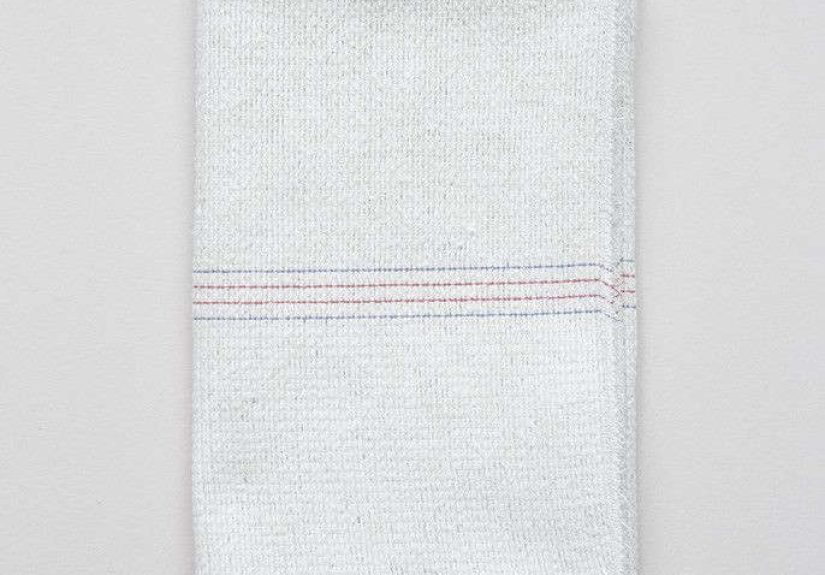
1) The Classic Cotton Cleaning Cloth (The Big, Absorbent Workhorse)
This is the cloth most people mean when they say “Redecker cleaning cloth.” It’s typically made from a blend of
cotton and towel yarn, designed in a generous size (often around 60 x 80 cm / roughly
23.5 x 31.5 inches), and intended for everyday jobs: wiping counters, drying dishes, spot-cleaning floors, and handling spills.
Think of it as the cloth you grab when paper towels are tempting but you’d rather not keep feeding that habit.
It’s thick enough to feel substantial, absorbent enough to be useful, and large enough that you can fold it into
neat sections and work clean-to-dirty like a pro.
2) The Redecker Copper Cloth (The “Gentle Scrub” Specialist)
The copper cloth is a different beast. It’s a compact scrubbing cloth woven with fine copper fibers, usually sold as a set.
Copper is a soft metal, which is why it can scrub stubborn grime while staying relatively gentle on many hard surfaces.
It’s especially popular for pots, pans, sinks, stove tops, stainless steel, and glassanywhere you want more bite than
a standard cloth but don’t want to bring out harsh abrasives.
Important: Copper cloths are typically meant to be used wet and are
not recommended for non-stick coatings (like Teflon-style finishes). Treat them like a tool with manners:
effective, but only when used correctly.
3) Copper + Microfiber Variations (Scrub Side + Wipe Side)
Some versions combine copper threads on one side and microfiber on the other. The idea is simple:
scrub with the copper side, then wipe streak-free with the microfiber sidelike having a tiny cleaning
buddy that insists on doing a “final pass” so everything looks polished.
What Makes the Classic Redecker Cleaning Cloth Different?
Plenty of cotton cloths exist. Plenty of “kitchen towels” exist. So why do people keep circling back to this one?
It comes down to the practical mix of thickness, absorbency, and durability.
Absorbency That Actually Helps (Not Just “Cute, But Damp”)
A cloth that smears water around is basically an unpaid intern. The Redecker-style cotton cloth is meant to
absorb and hold moisture. That matters when you’re:
- Drying a mountain of dishes without switching towels every five minutes
- Cleaning up spills without needing a second cleanup for the first cleanup
- Wiping counters so they end up dry, not “wet-but-hopeful”
Size You Can Fold Into a System
The larger size isn’t just for drama. A big cloth lets you fold it into quarters or eighths, giving you multiple
clean faces before you need to rinse. That’s an underrated trick for cleaning faster:
you’re not constantly running back to the sink like a contestant on a very boring game show.
Old-School Texture, Modern Results
The fabric blend often has a slightly “utility” feelless fluffy spa towel, more hardworking kitchen staple.
That texture helps with grip and light scrubbing, especially on:
- Countertop crumbs and sticky spots
- Cabinet fronts (hello, fingerprints)
- Appliance handles and stove knobs
- Tile walls and backsplashes
How the Copper Cloth Fits In (And When It’s the Wrong Tool)
If the cotton cloth is your everyday “wipe and dry” hero, the copper cloth is your “scrub without panic” backup.
It’s useful when food residue laughs at your sponge or when stainless steel needs a little persuasion.
Where the Copper Cloth Usually Shines
- Stainless steel sinks: Helps lift grime and water marks without going full sandpaper.
- Stove tops and cooktops: Useful for stuck-on splatters (especially if you soften them first).
- Pots and pans (non-nonstick): Great for baked-on residue that a dishcloth can’t budge.
- Glass and chrome: Often used gently to remove stubborn spots, then followed by a clean wipe.
Where You Should Not Use It
Copper cloths are commonly flagged as not suitable for non-stick surfaces.
Also be cautious with anything that scratches easily or has coatings you can’t identify. When in doubt:
test gently in an inconspicuous spot, use plenty of water, and avoid aggressive pressure.
How to Use a Bürstenhaus Redecker Cleaning Cloth Like You Mean It
For Everyday Cleaning (Cotton Cloth)
- Fold it: Start with a clean fold so you have multiple clean “faces.”
- Dampen, don’t drown: A slightly damp cloth lifts grime; a soaking cloth just relocates puddles.
- Work top to bottom: Counters first, then cabinet fronts, then floor spots.
- Rinse smart: Rinse when the cloth looks dirty, not when it “feels like it’s been through a lot.”
- Finish dry when needed: If you want streak-free counters, do a final quick wipe with a drier fold.
For Stubborn Messes (Copper Cloth)
- Always wet first: Dampen the copper cloth thoroughly. Water is part of the “non-abrasive” magic.
- Use light pressure: Let the copper threads do the work. Pressing harder isn’t “extra effective”it’s just louder.
- Rinse as you go: Rinse the cloth and the surface to flush away loosened residue.
- Follow with a wipe: Use a clean cotton cloth to remove any remaining particles and dry the surface.
Care, Washing, and How to Make It Last
A reusable cloth is only as good as your willingness to maintain itluckily, Redecker cloths are pretty low-maintenance.
The big idea is to keep them clean, dry them properly, and avoid “laundry choices” that reduce absorbency.
Best Practices for the Cotton Cleaning Cloth
- Rinse after use: Especially after greasy jobs. Leftover grease makes cloths smell like regret.
- Hang to dry: Airflow prevents musty odors.
- Wash regularly: Warm/hot washes are common for utility cloths; follow the product’s care guidance when available.
- Skip heavy fabric softener: It can reduce absorbency over time.
Best Practices for the Copper Cloth
- Rinse thoroughly: Remove loosened debris after each use.
- Dry it out: Hang it so it doesn’t stay damp in a pile (damp piles are basically a spa for funky smells).
- Machine wash carefully: Many sellers recommend washing at higher temps (often noted around 60°C) and using a laundry bag or sock to protect the cloth and your washer.
- Respect the “wet-only” rule: Using it dry is the fastest way to turn “gentle scrub” into “why does my pan look sad?”
Is It Worth It? A Practical Value Breakdown
Redecker cloths aren’t usually the cheapest option on the shelf, so the value question is fair. The way to judge it is
cost per use, not cost per item.
When It’s a Great Buy
- You want fewer disposable products (paper towels, single-use wipes).
- You like tools that feel sturdy and don’t fall apart after a month.
- You clean often and want a cloth that can handle different jobs without babying it.
- You’re building a more “low-waste” kitchen setup and want reusable staples that actually work.
When You Might Skip It
- You prefer ultra-soft microfiber for everything (Redecker’s cotton cloth is more utilitarian).
- Your cookware is mostly non-stick and you want one scrubber for every surface (copper cloth won’t be your universal tool).
- You already own a stack of high-quality bar mop towels and love them (you may not “need” another system).
Common Mistakes (So You Don’t Accidentally Turn This Into a “Learning Experience”)
- Using the copper cloth dry: This is the big one. Wet-only means wet-only.
- Using copper on non-stick: If it’s coated, keep it safe and choose a gentler tool.
- Letting cloths stay bunched up and damp: That’s how odors move in like they pay rent.
- Expecting one cloth to do every job: Cotton cloth wipes and dries; copper cloth scrubs. Teamwork makes the clean work.
FAQ
Is the Redecker cotton cleaning cloth only for floors?
No. Despite some “floor cloth” naming, it’s commonly used in kitchens and general household cleaning: drying dishes,
wiping counters, cleaning walls, and spot-cleaning floors. The name reflects durability more than a single purpose.
Will the copper cloth scratch stainless steel?
Many people use it on stainless steel successfully because copper is relatively soft, but results depend on pressure,
technique, and the surface finish. Use plenty of water, light pressure, and test first if you’re concerned.
How many should I own?
A simple setup: 2–4 cotton cloths in rotation (so you always have a clean one) and 1 copper cloth set for tougher jobs.
If you cook a lot, you’ll appreciate having backups.
of Real-Life Style Experiences With a Redecker Cleaning Cloth
Let’s talk about what it feels like to live with a Bürstenhaus Redecker cleaning clothnot in a “perfect home”
fantasy where nobody cooks bacon, but in a normal kitchen where spills happen and dishes multiply like gremlins.
Day 1: You pull the cloth out and immediately notice it’s not flimsy. It has “I can handle this”
energy. The first win is the fold: it’s big enough to fold into neat sections, so wiping the counter turns into a
method instead of a smear-fest. You wipe around the coffee area and realize the cloth actually grabs the sticky ring
where sugar splashed, instead of politely sliding over it like some towels do.
Day 2: Dish day. The cloth’s absorbency becomes the star. You dry a batch of plates, then glasses,
then utensils, and it still isn’t soaked through. That means fewer towel swaps, less laundry drama, and more “wait,
why did I ever use three paper towels for this?” self-reflection. You hang it to dry and it doesn’t feel like it’s
going to stay damp forever.
Day 3: A spill happensbecause life. Water, sauce, mystery droplets: the cloth doesn’t care.
It soaks up the mess fast, then rinses clean without falling apart or turning into a limp rag. You start using it as a
quick “spot mop” for a sticky patch on the floor near the stove. Fold, wipe, rinse, done. It’s the kind of simple
routine that makes your kitchen feel maintained instead of constantly “almost clean.”
Day 4: Enter the copper cloth moment. Something is baked onto the pan (again, life).
You wet the copper cloth, use light pressure, and it starts lifting the stubborn bits without the aggressive scraping
that makes you worry you’re sanding down your cookware. The best part is the control: because it’s a cloth, you can
maneuver into corners and around rivets more easily than with a chunky scrubber. After a rinse and a final wipe with
the cotton cloth, the pan looks like it got its act together.
Day 5: Stainless steel sink day. You do a quick pass with the copper cloth (wet, gentle) and follow
with the cotton cloth to wipe and dry. The sink looks brighter and feels smoother. Is it a magical transformation?
No. Is it noticeably better with less effort? Yesand that’s the real flex.
By the end of the week: The cloths become “default tools,” which is the highest compliment in any
household. They stop being special purchases and start being part of your muscle memory: wipe, rinse, hang, repeat.
And once a tool becomes routine, that’s when it earns its placeright next to the dish soap you trust and the spatula
that somehow never melts.
Conclusion
The Bürstenhaus Redecker cleaning cloth is popular for a reason: it’s simple, durable, and genuinely useful.
The cotton cleaning cloth covers daily wiping and drying with a no-nonsense build that holds up well in rotation,
while the copper cloth gives you a wet-only, non-abrasive-style scrub option for stubborn messes on the right surfaces.
If you’re building a more reliable, reusable cleaning setupand you want tools that feel like they were designed to work,
not just to look cute in a staged photothis is a strong upgrade.