Table of Contents >> Show >> Hide
- The Short Answer
- Why Caffeine Affects Kids Differently
- Does Coffee Stunt Growth?
- How Much Caffeine Is Too Much for Kids?
- Coffee vs. Energy Drinks: Not the Same Problem
- Hidden Sources of Caffeine Parents Forget About
- Is an Occasional Coffee Ever Okay for a Teen?
- When Parents Should Be Concerned
- Better Alternatives to a Caffeine Habit
- Real-World Experiences With Kids, Coffee, and Caffeine
- Final Takeaway
Walk into any coffee shop and you will spot the modern parenting dilemma in liquid form: an iced latte in one hand, a cake pop in the other, and a child looking suspiciously interested in the grown-up cup. Add soda, sweet tea, chocolate drinks, pre-workout powders, and energy drinks with neon labels, and suddenly caffeine is not just an adult thing. It is a family issue.
So, can kids drink coffee and caffeine? Technically, a child can swallow a sip of coffee and survive the event. But that does not mean caffeine is a good idea for growing bodies and developing brains. For most kids, caffeine is more trouble than treasure. It can interfere with sleep, crank up jitters, worsen mood swings, upset the stomach, and quietly turn “just one drink” into a habit that is hard to break.
The bigger twist is that coffee is only one player in the caffeine game. Kids and teens often get caffeine from soda, bottled tea, chocolate, “refreshers,” energy drinks, energy shots, and even some headache medicines. In other words, the issue is not just coffee. It is total caffeine exposure.
This guide breaks down what parents and caregivers should know, what pediatric experts actually worry about, how much is too much, and what to do if your child loves the idea of a caffeinated pick-me-up. Spoiler alert: sleep, water, and real food are still undefeated.
The Short Answer
For young children, caffeine is best avoided. For older kids and teens, the answer is still “less is better,” especially when caffeine comes from sugary coffee drinks or energy drinks. U.S. pediatric experts do not treat caffeine as a harmless little perk-up for children. The American Academy of Pediatrics has long discouraged caffeine for kids, and it is especially firm about energy drinks: they do not belong in the diets of children and adolescents.
That does not mean every teenager who sips cold brew will immediately start vibrating through walls. But it does mean parents should treat caffeine like something that needs boundaries, not like a cute rite of passage. A small, occasional amount in an older teen is very different from a daily coffee habit, a giant energy drink before school, or a double-shot caramel situation with whipped cream taller than the cup.
Why Caffeine Affects Kids Differently
Caffeine is a stimulant. Its job is basically to tell the brain, “Nope, we are not tired today.” Adults often call that productivity. Kids call it “I do not know why I feel weird.”
1. It Disrupts Sleep
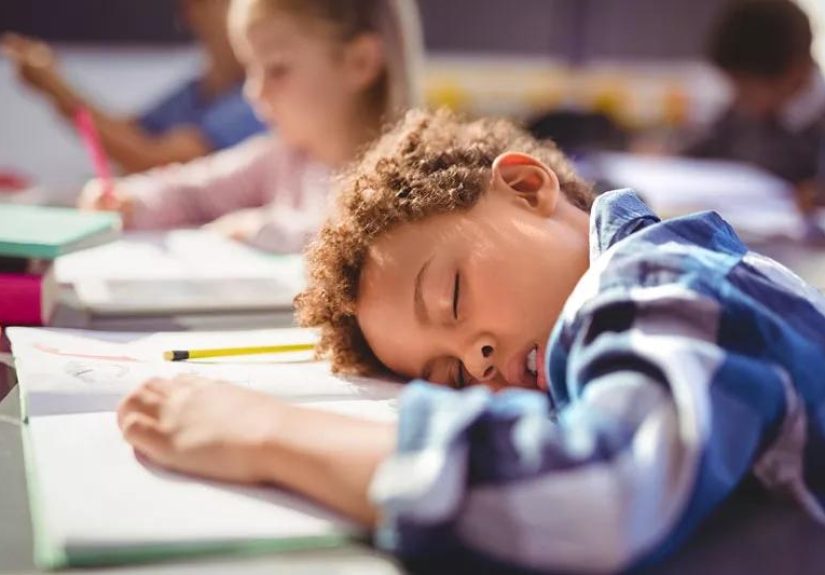
Sleep is the biggest reason pediatric experts are cautious. Children and teens need more sleep than adults, not less. School-age kids generally need around 9 to 12 hours of sleep, and teens need around 8 to 10. Caffeine makes it harder to fall asleep, lowers sleep quality, and can keep working in the body longer than people realize. That creates a messy cycle: too little sleep leads to daytime exhaustion, daytime exhaustion leads to more caffeine, and more caffeine leads to another bad night.
That cycle is brutal for school performance, mood, memory, sports, and behavior. A child who seems “lazy” or “moody” may actually be tired and caffeinated, which is a terrible combo and not a personality trait.
2. It Can Increase Jitters, Anxiety, and Irritability
Because caffeine stimulates the nervous system, kids may feel shaky, restless, anxious, or unusually emotional after drinking it. Some children are especially sensitive and can react strongly even to modest amounts. One kid can drink half a cola and seem fine. Another can do the same and suddenly look like they are preparing for a math test they did not study for.
Children who already struggle with anxiety, panic symptoms, sleep issues, ADHD-related restlessness, or certain heart conditions may be more likely to feel caffeine’s downside. It is not that caffeine “causes” every problem, but it can absolutely pour gasoline on the fire.
3. It Can Cause Physical Symptoms Kids Hate
Caffeine does not just affect the mind. It can also trigger stomach upset, nausea, headaches, faster heartbeat, and feelings of dehydration. When it comes in energy drinks, the problems often get worse because those products may also deliver large amounts of sugar and other stimulant ingredients. That is when a “boost” starts acting more like a prank.
Does Coffee Stunt Growth?
Let’s retire one old myth with dignity: coffee does not stunt growth. That idea has hung around for years like an outdated family rumor. The real concern is not that caffeine makes kids shorter. The concern is that it can crowd out healthy habits and create side effects that matter far more, especially poor sleep and dependence.
If a child fills up on sweet coffee drinks instead of milk, water, or balanced meals, that is a nutrition problem. If caffeine keeps a teen awake until 1 a.m. and wrecks the next school day, that is a health problem. Height is not the main issue here. Habits are.
How Much Caffeine Is Too Much for Kids?
Here is where many parents get annoyed: there is no official U.S. federal caffeine limit for children. That sounds unhelpful because it is. Pediatric guidance in the United States generally takes a cautious approach instead. The American Academy of Pediatrics says avoiding caffeine is the best choice for kids, and many pediatric hospitals and child health resources suggest that children under 12 should avoid it altogether.
For teens, several pediatric resources use a practical ceiling of about 100 milligrams of caffeine per day or less. That is roughly in the range of one small cup of coffee, though the exact amount depends on the drink. The real problem is that many teen favorites can blow past that limit quickly.
Typical caffeine amounts vary a lot, but here is the rough landscape:
- 8 ounces of brewed coffee: often around 95 to 200+ milligrams
- 12 ounces of cola: roughly 23 to 45 milligrams
- 8 ounces of black tea: around 14 to 71 milligrams
- 12 ounces of some energy drinks: roughly 41 to 246 milligrams, sometimes more
- Chocolate, coffee ice cream, and some medicines: smaller amounts that still add up
That is why “It was only one drink” is not always comforting. One drink can be a lot, especially when the label looks cute and the caffeine count looks like a college finals schedule.
Coffee vs. Energy Drinks: Not the Same Problem
If an older teen occasionally drinks a small coffee, that is not ideal, but it is usually not the worst caffeine scenario. Energy drinks are more concerning. They often pack a higher caffeine load, may include other stimulant-like ingredients, and are aggressively marketed in ways that make them feel sporty, edgy, or harmless. They are none of those things.
Energy drinks are not sports drinks. Sports drinks are designed to replace fluids and electrolytes during prolonged, intense activity. Energy drinks are stimulant beverages. Confusing the two is a classic marketing win and a parenting headache.
Even worse, many energy drinks are easy to gulp quickly. A kid is far more likely to sip hot coffee slowly than chug a chilled can with a bold name and a promise of instant greatness. Bodies notice the difference.
Hidden Sources of Caffeine Parents Forget About
If your child never drinks coffee, do not celebrate too early. Caffeine has a talent for showing up uninvited. Watch for these common sources:
- Soda and sweetened bottled tea
- Energy drinks and energy shots
- Chocolate, especially dark chocolate
- Coffee-flavored ice cream, frappes, and frozen drinks
- Pre-workout products and fitness supplements
- Some headache or pain medicines that contain caffeine
- Concentrated caffeine powders or liquids, which are especially dangerous
The lesson here is simple: do not judge a product by its cartoon fruit graphics. Some beverages that look like juice, sports fuel, or flavored water can carry a real caffeine punch.
Is an Occasional Coffee Ever Okay for a Teen?
For younger children, the safest answer is no. For older teens, an occasional small caffeinated drink may not be a crisis, especially if it is not close to bedtime and not turning into a daily dependence. But “okay sometimes” is not the same as “good idea every day.”
Parents should consider the full picture. Does the teen sleep enough? Are they anxious, frequently stressed, or dealing with headaches? Are they drinking caffeine instead of eating breakfast? Is the coffee mostly sugar and whipped cream with a side of espresso? Is caffeine masking chronic sleep deprivation from late-night phone use, homework overload, or early school mornings?
If caffeine is being used like duct tape on a bigger problem, the real solution is not another cup.
When Parents Should Be Concerned
A child who has had too much caffeine may seem shaky, restless, nauseated, dizzy, panicky, or unusually cranky. Some may complain of a pounding heart, stomach pain, or trouble sleeping. If symptoms are significant, especially after an energy drink, supplement, or concentrated caffeine product, it is smart to get urgent medical advice right away.
Parents should be extra cautious if a child has heart issues, anxiety disorders, sleep disorders, migraines, stomach sensitivity, or takes medications that may interact with caffeine. In those cases, even amounts that look “normal” on paper may not be a good fit in real life.
Better Alternatives to a Caffeine Habit
If kids and teens want caffeine because they are tired, the first question should be why. Most of the time, the answer is not mysterious. They need more sleep, more water, better meals, or less screen time at night.
Better go-to options include:
- Water or sparkling water with fruit
- Milk or fortified milk alternatives with breakfast
- Smoothies with protein, fruit, and yogurt
- A balanced snack, such as peanut butter toast or cheese and crackers
- A short walk, daylight, or light movement for an energy reset
- A consistent bedtime that does not change wildly every night
These alternatives are less glamorous than a triple-shot iced whatever, but they are also less likely to leave your child awake at midnight wondering why their heart is auditioning for a drum solo.
Real-World Experiences With Kids, Coffee, and Caffeine
The most useful way to understand this topic is often through everyday family patterns. Pediatricians and parents see the same story in different outfits. A middle school student starts drinking sweet tea or cola in the afternoon because they are tired after school. At first it seems harmless. Then bedtime drifts later, morning wake-ups get uglier, breakfast gets skipped, and suddenly the child “needs” caffeine just to function. What looked like a tiny habit turns into a sleep problem wearing a fun beverage label.
Another common experience involves teens and coffee-shop culture. A high school student begins ordering iced coffee with friends before first period. It feels grown-up, social, and honestly kind of adorable from a distance. But then the drink size grows, the espresso shots multiply, and the caffeine starts replacing actual fuel. Instead of eggs, oatmeal, or toast, breakfast becomes liquid sugar plus stimulation. By third period, the teen feels wired. By afternoon, they crash. By evening, they are too restless to sleep. The next morning, they grab another drink. Welcome to the loop.
Sports create another version of the same issue. Some teens believe energy drinks help with performance because the cans look like they were designed by a superhero branding team. In real life, plenty of young athletes end up feeling jittery, nauseated, or dehydrated. Coaches and sports dietitians often point out that what many kids really need before practice is water, a banana, a sandwich, and enough sleep the night before. That advice is far less exciting than a can with lightning bolts on it, but it works better and causes fewer disasters.
Parents also talk about how sneaky caffeine can be. One family may avoid coffee completely, then realize their child is getting caffeine from soda, chocolate, bottled tea, and a weekend frozen mocha treat. Another family notices headaches and irritability when a teen skips their daily caffeinated drink, which is a clue that dependence may already be forming. The child is not “dramatic.” Their body may simply be used to the stimulant and unhappy when it disappears.
There are also plenty of families who improve things quickly with small changes. They cut afternoon caffeine, move phones out of bedrooms, serve breakfast consistently, and switch the after-school drink to water or milk. Within a couple of weeks, sleep gets better, mornings get less hostile, and the child seems more emotionally steady. No miracle cure. No expensive wellness gadget. Just fewer stimulants and better routines.
That may be the biggest real-world lesson of all: caffeine often looks like the solution, but for kids it is usually a shortcut that creates a longer detour. When children are tired, distracted, moody, or dragging through the day, the better question is not “Which caffeinated drink should they have?” It is “What is making them this tired in the first place?” Once families answer that honestly, coffee tends to lose a lot of its charm.
Final Takeaway
Can kids drink coffee and caffeine? They can, but that does not mean they should. For younger children, caffeine is best avoided. For teens, less is better, and energy drinks are a hard no. Coffee may seem more harmless than an energy drink, but it is still a stimulant that can interfere with sleep, mood, appetite, and healthy routines.
If your child has an occasional sip, do not panic. If caffeine is becoming a daily tool for surviving school, sports, and late nights, it is time to step back and fix the real problem. In most families, the best energy plan is still boring in the best possible way: enough sleep, regular meals, hydration, daylight, movement, and sensible limits. Not flashy, but very effective. Kind of like parenting itself.