Table of Contents >> Show >> Hide
- The quick, no-hype answer
- Lymphatic system 101 (the version you’ll actually read)
- What lymphatic drainage massage actually is
- Can lymphatic drainage massage help with weight loss?
- Can it help with bloating?
- What does the evidence actually say?
- Safety first: when you should NOT do lymphatic drainage massage
- What to expect from a session (so you’re not surprised)
- How to get better results (without the woo-woo)
- FAQs
- Bottom line
- Real-World Experiences: What People Notice (A 500-Word Add-On)
If you’ve ever stepped on the scale after a salty dinner and thought, “Who invited these extra pounds?”you’ve met the
mysterious world of water weight. And that’s exactly where lymphatic drainage massage gets its glow-up on social media:
it can make people feel less puffy, sometimes less bloated, and occasionally a tiny bit lighterwithout actually melting body fat.
So, can it help? Yessometimes. But it helps in a very specific way. Think of lymphatic drainage as “traffic control for fluid,” not
“a shortcut for weight loss.” Your lymphatic system isn’t a fat-burning furnace. It’s more like a cleanup-and-return service that moves fluid through
tissues and back toward circulation.
The quick, no-hype answer
- Weight loss (fat loss): Nolymphatic drainage massage doesn’t directly burn fat or create a calorie deficit.
- Temporary scale drops: Possiblyif you’re holding extra fluid, you may see a short-term change.
- Bloating: It can help if your “bloat” is more like fluid retention/puffiness, not if it’s mainly gas from digestion.
- Swelling/lymphedema/post-procedure puffiness: This is where it’s most established and commonly used.
Lymphatic system 101 (the version you’ll actually read)
Your lymphatic system is a network of vessels and nodes that helps:
keep fluid levels balanced, filter out junk, and support immune function.
Fluid naturally leaks out of blood vessels into tissues; the lymphatic system helps return that fluid to circulation. Unlike your heart-driven blood flow,
lymph movement relies heavily on things like muscle contraction, breathing, and gentle pressure changes.
When lymph flow is slowed or blocked, fluid can build upcausing swelling (like lymphedema), heaviness, or a “puffy” feeling.
Lymphatic drainage techniques aim to encourage that fluid to move along.
What lymphatic drainage massage actually is
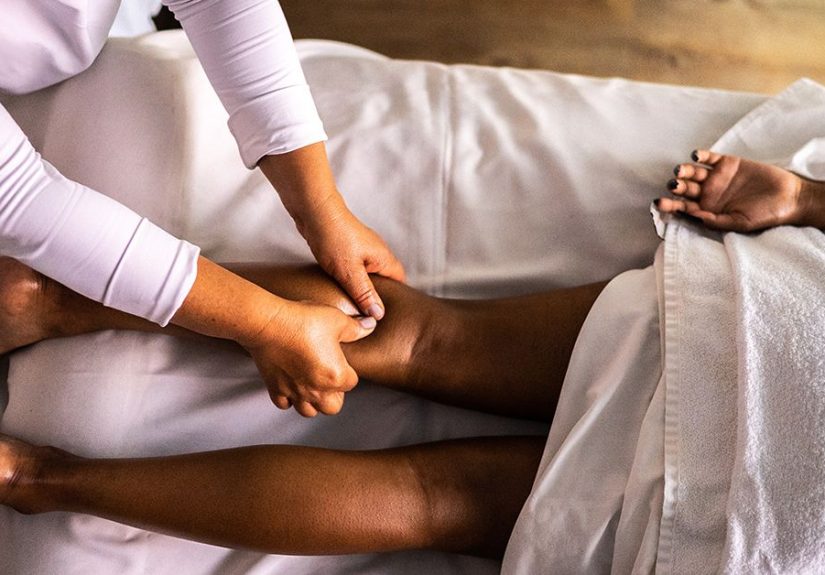
Manual lymphatic drainage (MLD) is a very gentle, specific style of bodywork. It typically uses light pressure and rhythmic motions
intended to support lymph flownothing like the “knead you like bread dough” deep-tissue sessions some people love (and some people fear).
MLD vs. the trendy “Brazilian” style
You’ll see everything labeled “lymphatic drainage” onlinefrom medically oriented MLD used for swelling, to more aesthetic/body-contouring sessions.
Some cosmetic versions may be firmer or faster. The important takeaway is that not all lymphatic massages are the same, and the evidence
is strongest for clinically guided care in swelling-related conditions (especially lymphedema).
When it’s used in real healthcare settings
In medical contexts, lymphatic drainage is often part of a broader plan called complete decongestive therapy (CDT), which can include:
gentle massage (MLD), compression, exercise, and skin care.
In other words: the massage is usually one tool in a bigger toolbox.
Can lymphatic drainage massage help with weight loss?
Let’s separate two things that get mashed together on the internet: fat loss and fluid shifts.
If you want fat loss, you need sustained changes in energy balance (food, activity, sleep, stress, and health factors). Lymphatic drainage massage
isn’t a “fat burner,” and it doesn’t replace nutrition or exercise.
Why some people swear it “works”
Some people feel lighter after a session because massage can reduce the sensation of tightness and puffiness. If you were retaining fluidthink travel,
hormonal shifts, high-sodium meals, inactivity, inflammation, or post-procedure swellingmoving fluid around can make your body feel and look different
for a short window. That can also change what the scale shows temporarily.
What kind of “weight” might change
- Water weight: The most likely to shift short-term.
- Digestive contents: Sometimes, relaxation and reduced stress can help your gut feel calmer (but this varies and isn’t guaranteed).
- Body fat: Not directly affected by lymphatic drainage massage.
A simple reality check: if a massage “removed five pounds of toxins,” you’d be calling your doctor because that’s… not how bodies work.
Most quick changes are fluid, not fat.
Can it help with bloating?
“Bloating” is a catch-all word people use for different feelings:
a full belly, visible distension, tight waistbands, or even generalized puffiness. The cause matters.
Bloating from gas vs. bloating from fluid
If your bloating is mostly from gas (common after certain foods, carbonated drinks, constipation, or food intolerances),
lymphatic drainage massage isn’t a direct fixgas lives in the digestive tract, not your tissue fluid.
But if your “bloating” is really fluid retention (feeling puffy, swollen, or “waterlogged,” especially in hands, ankles, legs,
or after surgery), lymphatic techniques may help you feel more comfortable.
Who might notice the biggest difference
- People managing lymphedema or swelling after cancer treatment (under clinician guidance).
- People with post-procedure swelling (only if cleared by their medical team).
- People prone to fluid retention from travel, heat, inactivity, or high sodium intake.
What helps bloating more reliably (when it’s digestive)
If your bloating is primarily digestive, you’ll usually get better results from basics like:
staying hydrated, walking after meals, moderating salty foods, getting enough fiber (without suddenly doubling it overnight),
managing constipation, and identifying trigger foods. Massage can still feel relaxing and supportive, but it’s not the main lever.
What does the evidence actually say?
The best-supported use for manual lymphatic drainage is in the context of swelling/lymphedema management, often as part of CDT.
Research findings vary by condition, technique, and outcomes measured. Some reviews find benefits for reducing swelling and discomfort in certain settings,
while other analyses note mixed or inconsistent results depending on the specific patient group and protocol.
Post-surgery and cosmetic recovery: why it shows up here
After procedures that disrupt tissue, temporary swelling and fluid buildup are common. That’s why some surgical aftercare plans talk about
lymphatic drainage to support comfort and recovery. The key word is aftercare: timing and safety depend on the procedure and the surgeon’s instructions.
This is not a “book it the next morning and hope for the best” situation.
Safety first: when you should NOT do lymphatic drainage massage
Because lymphatic drainage involves moving fluid, there are situations where it may be unsafe without medical clearance.
In clinical guidance, people may be advised to avoid MLD in cases such as active skin infections, blood clots,
or certain cancer-related situations in the affected area. If you have significant swelling, heart or kidney problems, unexplained symptoms, or you’re
post-surgery, your safest move is to ask a clinician before booking.
Green flags for choosing a provider
- Training matters: Look for providers with lymphedema-specific education (often through physical therapy/rehab settings).
- They screen you: A reputable provider asks about medical history, swelling patterns, surgery dates, and red-flag symptoms.
- No wild promises: Anyone guaranteeing dramatic fat loss from “detox drainage” is selling a story, not science.
What to expect from a session (so you’re not surprised)
A true manual lymphatic drainage session is typically gentle. Some sessions start by stimulating areas where many lymph nodes are located
(like the neck or underarms) before addressing areas of swelling. Many people describe it as relaxingmore “soft pressure + rhythmic strokes”
than “deep knots and heroic grunting.”
Afterward, you might notice:
less tightness, reduced puffiness, easier movement in a swollen area, or a temporary “lighter” feeling.
You might also notice… nothing dramatic, especially if your main issue is digestive gas or you weren’t retaining much fluid.
How to get better results (without the woo-woo)
Pair it with the things that move lymph naturally
- Walk more: Movement is one of the biggest helpers for fluid return.
- Deep breathing: Your diaphragm acts like a pump for fluid movement.
- Hydration: Counterintuitive, but dehydration can encourage your body to hold onto fluid.
- Compression (when medically indicated): Often used in lymphedema care plans.
For “bloat,” match the strategy to the cause
If you suspect your bloating is mostly digestive (gas/constipation), focus on gut-friendly habits first.
If it’s puffiness and swelling (fluid retention), lymphatic drainage may be a helpful add-onespecially alongside movement and clinician guidance
if you have a medical condition like lymphedema.
FAQs
How long do results last?
It depends on why you felt puffy in the first place. If it’s short-term fluid retention, you might feel different for a day or a few days.
If swelling is related to a medical condition, results typically depend on a consistent plan (often including compression and exercise),
not just a one-off session.
How often should someone get lymphatic drainage massage?
Frequency depends on goals and medical context. For medically managed swelling, a clinician or trained therapist should guide the schedule.
For cosmetic “de-puffing,” some people do occasional sessions, but dramatic, frequent sessions aren’t automatically betterand aren’t right for everyone.
Can I do it at home?
Some organizations and medical centers describe gentle self-massage approaches, but the safest approach is to learn from a trained professionalespecially if you have
lymphedema, post-surgical swelling, or any medical risks. If something is painful, causes new swelling, or you feel unwell afterward, stop and get medical advice.
Is lymphatic drainage the same as “detox”?
Your body already has detox systems (liver, kidneys, lungs, skin, GI tract). The lymphatic system supports fluid balance and immune function.
Lymphatic massage may help move fluid in certain situations, but it’s not a magical toxin vacuum.
Bottom line
Lymphatic drainage massage can help reduce swelling and fluid-related puffiness, which may make you feel less bloated and sometimes slightly lightertemporarily.
But it’s not a direct fat-loss tool, and it won’t fix every type of bloating (especially digestive gas).
If you’re curious, treat it like a supportive wellness tool: helpful for the right person, in the right context, with the right provider.
And if you have medical swelling, recent surgery, or red-flag symptoms, get professional guidance first.
Real-World Experiences: What People Notice (A 500-Word Add-On)
Below are composite, real-life-style experiences that reflect common patterns people report. They’re not medical advice, and they’re not promisesjust a “here’s what it can feel like”
when lymphatic drainage massage is used for puffiness and bloating.
1) The “My rings fit again” moment
One person described booking a session after a week of travel, takeout meals, and sitting more than usual. Their main complaint wasn’t belly gasit was the overall “puffy balloon”
feeling: tighter socks, swollen fingers, and a face that looked like it had quietly filed a complaint. After a gentle session, they didn’t suddenly look like a different human,
but they noticed small wins: rings slid on easier, shoes felt less snug, and the “I’m full of fluid” sensation eased. The scale changed only a littleif at allbut the comfort shift
was the big payoff.
2) The post-procedure patience test
Another experience comes from people recovering from cosmetic procedures (with surgeon clearance). They often report swelling that makes results look “unfinished” and uneven early on.
When lymphatic drainage is added at the appropriate time, the most common feedback is not “I lost weight,” but “I look less swollen” or “my treated area feels less tight.”
Some describe it as taking the edge off discomfort and helping them feel more normal in their clothes. The key theme is timing and guidance: when it’s coordinated with proper aftercare,
it feels supportive; when rushed, it can be uncomfortable or risky.
3) The “bloat” that wasn’t actually bloating
A lot of people say “I’m bloated” when they really mean “I’m retaining water.” In these cases, they often notice the biggest difference in places like ankles, calves, hands, and around the waistline
not because gas disappeared, but because their body feels less puffy. One person said it best: “My jeans didn’t magically get bigger… I just stopped feeling like I was wearing them over a waterbed.”
That kind of improvement tends to be temporary, especially if sodium intake, sleep, stress, and movement habits don’t change.
4) The stress-to-stomach connection
Some people don’t see big visual changes, but still love the sessions because they relax. When stress is high, digestion can feel dramatictight belly, unsettled appetite, and that annoying
“I ate one normal meal and now I’m a beach ball” sensation. A calming, gentle session can help them feel grounded. That doesn’t mean lymphatic massage is a cure for digestive problems,
but relaxation can make the whole body feel less tense, including the gut. The key is to keep expectations realistic: it’s a comfort tool, not a medical fix-all.
5) The “I thought it was weight loss” reality check
A very common experience is someone trying lymphatic drainage massage specifically for weight loss, then realizing the results are more about shape and sensation than fat loss.
They might feel less puffy for a couple of days, see a small scale dip that quickly returns, and learn that long-term weight changes come from consistent habits, not one session.
The happy ending? They still keep it on their listjust in the right category: “helps me feel de-puffed and relaxed,” not “replaces diet and exercise.”