Table of Contents >> Show >> Hide
- What Candida Is (and What It Isn’t)
- What Is the Candida Diet?
- Who Might Try It (and Who Should Be Careful)
- The Beginner’s Rules (Simple, Not Miserable)
- Detailed Candida Diet Food List
- 7-Day Candida Meal Plan (Realistic, Balanced, Beginner-Friendly)
- What This Diet Can (and Can’t) Do
- Helpful Habits Beyond Food (Because Yeast Doesn’t Read Your Grocery List)
- When to See a Clinician (Don’t DIY the Serious Stuff)
- Experiences: What a Week on the Candida Diet Is Often Like (500-ish Words of Realistic Life)
- Conclusion
Quick note before we start: The “Candida diet” is popular online, but it’s not a proven cure for a yeast infection. Think of it more like a short, structured “eat cleaner, cut added sugar” reset that may support overall health while you work with a clinician if you have true symptoms of candidiasis. If you’re a teen (still growing!), or you have diabetes, gut disease, or a history of restrictive eating, talk to a healthcare professional before going super strict.
Now that the responsible part is out of the way: welcome to the internet’s most misunderstood yeast. Candida is a type of yeast that can live on and in the body without causing problems. But when it grows too much in certain placeslike the mouth, skin folds, or vaginait can cause a real infection that usually needs proper treatment (not just “bananas are evil now”).
This guide will help you understand what the Candida diet actually is, what foods typically make the “yes” list and “no thanks” list, and how to follow a realistic 7-day meal plan that doesn’t require you to live on boiled broccoli and regret.
What Candida Is (and What It Isn’t)
Candida: normal resident, occasional troublemaker
Candida (most famously Candida albicans) is a yeast that commonly exists in the body. In many people, it’s basically a quiet roommate. Problems happen when it overgrowsoften due to factors like antibiotics, uncontrolled blood sugar, immune system issues, hormonal changes, moisture/friction on skin, or other shifts in the body’s balance.
“Candida overgrowth” vs. diagnosable infection
Online, “Candida overgrowth” sometimes gets blamed for a grab-bag of symptoms (fatigue, brain fog, cravings, skin issues, bloating, bad vibes, Mercury retrograde). In real medicine, candidiasis refers to specific infectionslike thrush (mouth), vaginal yeast infections, skin candidiasis, or invasive disease in very ill or immunocompromised people. If you suspect an infection, getting the right diagnosis matters because treatment is usually straightforwardand way more effective than guessing.
What Is the Candida Diet?
The Candida diet (sometimes called a “yeast-free” or “Candida cleanse” diet) generally does three things:
- Reduces added sugars (and often cuts refined carbs) to avoid constant blood-sugar spikes.
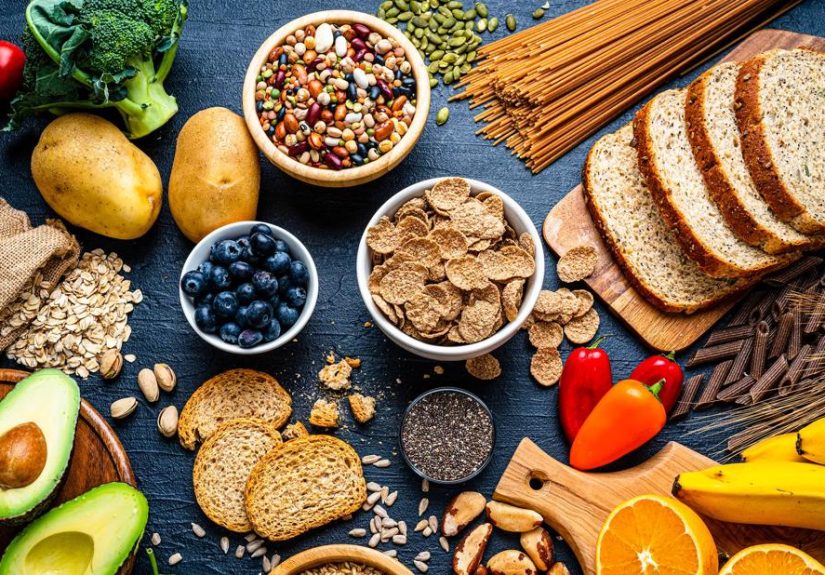
- Emphasizes whole foods like vegetables, proteins, healthy fats, and high-fiber carbs.
- Minimizes ultra-processed foods and alcoholbecause they’re basically the confetti cannons of inflammation and cravings.
Important reality check: there’s limited evidence that diet changes alone can “cure” Candida infections. But there is a reasonable health logic to the pattern: when you reduce added sugar and refined carbs and eat more nutrient-dense foods, many people feel better overallmore stable energy, fewer cravings, better digestion. That’s not magic yeast extermination; that’s basic nutrition doing its job.
Who Might Try It (and Who Should Be Careful)
You might consider a Candida-style reset if:
- You want a structured way to cut down on added sugars and refined carbs for a week or two.
- You get frequent yeast infections and want to support overall health habits while also seeing a clinician for proper care.
- You’re trying to improve diet quality (more fiber, protein, and whole foods) without doing anything extreme.
Be careful (or skip strict versions) if:
- You’re a teen still growing and a restrictive plan could cause under-eating or nutrient gaps.
- You have diabetes or blood sugar concernsdiet changes should be coordinated with your care team.
- You’re pregnant, have kidney disease, GI disease, or a history of disordered eating.
- You have signs of a serious infection (fever, severe pain, trouble swallowing, shortness of breath, weakness) or immune suppressionseek medical care.
The Beginner’s Rules (Simple, Not Miserable)
If the internet tells you the Candida diet must be joyless, expensive, and served with a side of fearrespectfully, log off.
Rule 1: Cut added sugar first (that’s the big one)
Added sugar shows up in obvious places (soda, candy) and sneaky places (sweetened yogurt, cereal, sauces, “healthy” granola bars). For this plan, aim for zero sugary drinks and keep desserts for later. If you do nothing else, this alone often makes the week feel dramatically easier.
Rule 2: Build meals like this
- Protein: chicken, eggs, fish, tofu, lean beef, tempeh
- Non-starchy veggies: leafy greens, broccoli, zucchini, peppers, mushrooms
- Healthy fats: olive oil, avocado, nuts/seeds
- Smart carbs (as needed): berries, beans/lentils, quinoa, brown rice, oats, sweet potato
Rule 3: Don’t accidentally under-eat
Many “Candida diet” complaints are secretly “I removed half my calories and now I’m tired and angry.” If you’re hungry, add more protein, fiber, and healthy fatsor include a serving of whole-food carbs.
Rule 4: Keep it short and measurable
Try it for 7 days as written. Then reassess. If it helps you eat better, keep the parts that work. If it makes you stressed, tired, or food-obsessed, that’s not a wellness planthat’s a villain origin story.
Detailed Candida Diet Food List
Eat More Of These (Candida-Friendly Staples)
- Non-starchy vegetables: spinach, kale, arugula, broccoli, cauliflower, zucchini, cucumber, asparagus, green beans, Brussels sprouts, bell peppers, mushrooms, onions, garlic
- Proteins: eggs, chicken, turkey, fish, shrimp, lean beef, tofu, tempeh, edamame
- Healthy fats: olive oil, avocado, nuts (almonds, walnuts), seeds (chia, flax, pumpkin), nut butters (unsweetened)
- Low-sugar fruits (smaller portions): berries (strawberries, blueberries, raspberries), kiwi, grapefruit
- High-fiber carbs (optional but helpful for energy): quinoa, steel-cut oats, brown rice, sweet potato, beans and lentils (if tolerated)
- Fermented foods (optional): unsweetened yogurt or kefir, sauerkraut, kimchi (watch added sugar), miso
- Drinks: water, sparkling water, unsweetened tea, black coffee (if tolerated)
- Seasonings: herbs, spices, lemon/lime, vinegar (check labels), mustard (no added sugar), salt/pepper
Limit These (Not “Forbidden,” Just Not the Main Character)
- Higher-sugar fruits: bananas, grapes, mango, pineapple, dried fruit
- Refined grains: white bread, pastries, regular pasta, most crackers
- Sweetened dairy: flavored yogurt, sweetened milk drinks
- Processed “health” foods: protein bars, sugary cereals, sweetened oat milks
- Alcohol: especially sweet cocktails and beer (for this week, skip it)
Avoid for the 7-Day Reset (The “Triggers” List)
- Added sugars: soda, candy, desserts, sweet coffee drinks, syrups, most sweet sauces
- Ultra-processed snacks: chips + sugary dips, packaged pastries, candy-like “granola” bars
- Refined carbs in big portions: large servings of white rice, white pasta, white bread
- “Sugar by another name”: look for cane sugar, corn syrup, dextrose, maltose, honey, agave in ingredient lists
Smart Label Tips (So You Don’t Get Tricked by a Yogurt)
- Check “Added Sugars” on the Nutrition Facts label.
- If a food tastes like dessert and comes in a “fitness font,” it’s probably dessert.
- Choose sauces and dressings labeled unsweetened or with 0g added sugar when possible.
7-Day Candida Meal Plan (Realistic, Balanced, Beginner-Friendly)
How to use this: Portions depend on your age, activity, and hunger. If you’re active (sports, workouts, lots of walking), add a serving of whole-food carbs at meals (quinoa, oats, beans, sweet potato). If you’re still hungry, increase protein and healthy fats. The goal is steady energynot “hangry purity.”
| Day | Breakfast | Lunch | Dinner | Snack (choose 1–2) |
|---|---|---|---|---|
| Day 1 | Veggie omelet (spinach, mushrooms) + avocado | Chicken salad bowl (greens, cucumber, olive oil + lemon) + quinoa | Salmon + roasted broccoli + sweet potato | Plain Greek yogurt + berries OR nuts + cucumber slices |
| Day 2 | Overnight oats (unsweetened) + chia + berries | Turkey lettuce wraps + veggie sticks + hummus | Stir-fry: tofu/chicken + mixed veggies over cauliflower rice | Apple slices + unsweetened nut butter OR hard-boiled eggs |
| Day 3 | Scrambled eggs + sautéed peppers/onions + side of berries | Lentil soup + salad (olive oil + vinegar) | Beef or turkey chili (beans optional) + side salad | Cheese stick (if tolerated) OR roasted pumpkin seeds |
| Day 4 | Smoothie: unsweetened kefir/yogurt + spinach + berries + flax | Tuna salad (or chickpea salad) + cucumber + tomatoes | Chicken thighs + zucchini noodles + marinara (no added sugar) | Carrots + guacamole OR edamame |
| Day 5 | Oatmeal (plain) + cinnamon + walnuts + blueberries | Quinoa bowl: roasted veggies + chicken/tofu + tahini-lemon sauce | Shrimp (or tofu) tacos in lettuce cups + cabbage slaw | Unsweetened yogurt OR olives + nuts |
| Day 6 | Breakfast skillet: eggs + greens + mushrooms + salsa (no sugar) | Leftover chili or stir-fry + extra veggies | Baked cod + asparagus + brown rice (or cauliflower rice) | Berry bowl OR celery + nut butter |
| Day 7 | Protein plate: eggs/tofu scramble + avocado + sliced tomato | Big salad: greens + salmon/chicken + seeds + olive oil dressing | Sheet-pan dinner: chicken/tempeh + Brussels sprouts + sweet potato | Trail mix (nuts/seeds, no candy) OR hummus + veggies |
Easy swaps (so life doesn’t fall apart)
- Vegetarian: swap chicken/fish for tofu, tempeh, eggs, lentils, chickpeas.
- Dairy-free: use unsweetened coconut yogurt, or skip yogurt and add extra protein elsewhere.
- More energy needed: add oats, quinoa, beans, or sweet potato; increase portions.
- Less prep: use rotisserie chicken, frozen veggies, bagged salad, and simple dressings.
What This Diet Can (and Can’t) Do
What it can do
- Help you cut down on added sugars and refined carbs.
- Support steady energy and fewer cravings (especially if you were living on sweet drinks and snacks).
- Encourage more whole foods, fiber, and proteingood for overall health.
What it can’t do (by itself)
- Replace medical treatment for a diagnosed yeast infection.
- Guarantee “Candida elimination” from the body (Candida can be part of normal flora).
- Fix recurring symptoms without addressing root causes (like uncontrolled blood sugar, medication effects, or misdiagnosis).
Helpful Habits Beyond Food (Because Yeast Doesn’t Read Your Grocery List)
- Sleep: poor sleep can mess with appetite hormones and cravings.
- Hydration: thirst can pretend to be hunger; water also supports digestion.
- Stress management: stress won’t “cause Candida,” but it can worsen habits that make you feel worse.
- Medication awareness: antibiotics can increase yeast infection risk; never stop meds without medical advice.
- Blood sugar support: if you have diabetes or insulin resistance, working on glucose control is a big deal for infection risk.
When to See a Clinician (Don’t DIY the Serious Stuff)
Seek medical advice if you have symptoms that suggest a yeast infection that won’t go away, if symptoms keep coming back, or if you have fever, severe pain, difficulty swallowing, or immune system concerns. If you’re trying to treat “Candida overgrowth” based on internet symptom lists, a clinician can help you rule out other causes and avoid months of unnecessary restriction.
Experiences: What a Week on the Candida Diet Is Often Like (500-ish Words of Realistic Life)
Because you asked for experiences: I can’t claim personal, real-world experiencesbut I can share the patterns people commonly report and a few realistic “composite” scenarios that capture what a week on this plan often feels like.
Days 1–2: “Wait… what do I snack on?”
The first couple of days are usually less about yeast and more about habits. If someone’s normal routine includes sweet coffee, a pastry, and a “just one more” soda later, the reset can feel like their taste buds are filing a formal complaint. This is where simple swaps matter: sparkling water, unsweetened tea, fruit with protein (berries + yogurt), and salty snacks that aren’t candy in disguise (nuts, seeds, hummus + veggies).
Days 3–4: The “I feel lighter” phase (sometimes)
Many people notice steadier energy by midweek, mostly because meals have more protein and fiber and fewer sugar spikes. One common surprise: cravings often drop when breakfast stops being sugar-forward. A teen athlete in this scenario might realize, “Oh… I can’t just eat salad and expect my legs to work.” Adding quinoa, oats, or sweet potato usually fixes that fast. The goal isn’t low-carb heroicsit’s balanced fuel.
Days 5–6: Social life tries to sabotage you (politely)
These are the days when someone offers you a cookie “because it’s basically homemade love,” and you have to decide whether you’re doing this plan or starring in it. A realistic approach is to keep it simple: order protein + veggies, skip sugary drinks, and don’t turn dinner into a courtroom drama. If you’re at home, this is when batch cooking pays offsheet-pan chicken and veggies, chili, or a stir-fry that makes tomorrow’s lunch automatic.
Day 7: The takeaway (and the plot twist)
By the end of the week, most people can tell which parts helped. Often, it’s not “Candida is gone.” It’s: “I feel better when I don’t drink my calories,” or “Breakfast with protein keeps me full,” or “I didn’t realize my ‘healthy’ snacks were basically dessert.” The best outcome is taking the useful habits forwardlike reducing added sugars, eating more whole foods, and keeping meals balancedwithout staying stuck in a restrictive rulebook forever.
If you do have real yeast infections, the most empowering move is pairing good nutrition with the right medical care. That combination is boring, effective, and honestly the vibe we should all be chasing.
Conclusion
The Candida diet is best thought of as a short-term, whole-food, low–added sugar eating plannot a guaranteed cure. Done sensibly, it can help you cut back on sugary and ultra-processed foods, stabilize energy, and build balanced meals. If you suspect a true yeast infection (or symptoms keep returning), get medical guidance so you’re treating the right problem with the right tools. Use the 7-day plan as a reset, keep what works, and drop what makes you stressed or under-fueled.