Table of Contents >> Show >> Hide
- What Is Carbon Monoxide (and Why Is It So Dangerous)?
- Common Causes and Where CO Exposure Happens
- Symptoms of Carbon Monoxide Poisoning
- When to Treat It as an Emergency
- How Carbon Monoxide Poisoning Is Diagnosed
- Treatment: What Actually Helps (and What Doesn’t)
- Prevention: How to Keep CO Out of Your Life
- Who’s at Higher Risk?
- Myths and FAQs (Because CO Comes With Confusing Advice)
- Real-World Experiences and Lessons Learned (500+ Words)
- Conclusion
- SEO Tags
Carbon monoxide (CO) is the ultimate bad houseguest: it shows up uninvited, you can’t see or smell it, and it tries to
kick oxygen out of your body like it owns the place. That’s why it’s often called the “silent” or “invisible” killer.
The tricky part? Carbon monoxide poisoning can feel like a routine flu, a hangover, or “I guess I didn’t sleep well.”
Meanwhile, CO is quietly interfering with your brain, heart, and every cell that depends on oxygen.
This guide breaks down what carbon monoxide is, how CO poisoning happens, what symptoms look like (from mild to
life-threatening), what treatment actually involves, andmost importantlyhow to prevent exposure at home, at work,
during power outages, and while traveling. If you only remember one thing: if a CO alarm goes off or multiple
people feel “flu-ish” at the same time indoors, get outside to fresh air immediately and call for help.
What Is Carbon Monoxide (and Why Is It So Dangerous)?
CO basics in plain English
Carbon monoxide is a gas created when fuels don’t burn completely. Think: gasoline, natural gas, propane, oil,
kerosene, wood, charcoalbasically the “greatest hits” of things humans burn to stay warm, cook dinner, or keep the
lights on. CO is colorless and odorless, so your senses can’t warn you the way they can with smoke or a skunky gas leak.
How CO poisons the body
Your red blood cells carry oxygen using a protein called hemoglobin. Carbon monoxide binds to hemoglobin far more
strongly than oxygen does, forming carboxyhemoglobin and reducing oxygen delivery to organs. Translation:
your body may be breathing, but your tissues can still be starving for oxygen.
The brain and heart are especially sensitive. That’s why carbon monoxide poisoning can cause confusion, fainting,
chest pain, abnormal heart rhythms, seizures, coma, and deatheven when the “air seems fine.”
Common Causes and Where CO Exposure Happens
Home sources
- Furnaces, boilers, and water heaters (especially if poorly vented or malfunctioning)
- Gas stoves/ovens used incorrectly for home heating
- Fireplaces and wood stoves with blocked chimneys or poor draft
- Portable space heaters that are fuel-burning and used in tight spaces
- Attached garages when a car is running (yes, even “just for a minute”)
Power outages and storms (the “generator danger zone”)
Portable generators save groceries and sanity during outages, but they also produce a lot of exhaust. Running a generator
indoors, in a garage, or near windows/doors can funnel carbon monoxide into living spaces. The safest rule of thumb:
generators belong outside and well away from the homenot in a “sort of outside” space.
Workplace and hobby sources
- Forklifts, engines, or tools used indoors without adequate ventilation
- Warehouses, loading docks, ice rinks (fuel-powered equipment in enclosed areas)
- Workshops running engines or heaters with doors closed “because it’s cold”
Travel risks
CO exposure can happen in vacation rentals, cabins, older hotels, boats, RVs, and anywhere with fuel-burning appliances
or attached garages. Travel is a perfect storm: unfamiliar equipment + closed windows + “we’ll deal with it tomorrow.”
CO does not accept tomorrow as a deadline.
Symptoms of Carbon Monoxide Poisoning
The “flu that disappears when you leave the building” clue
CO poisoning symptoms are notoriously nonspecific. Many people describe it as flu-likewithout the fever. A big red flag:
symptoms improve when you go outside and return when you go back indoors.
Common symptoms (mild to moderate exposure)
- Headache (often the earliest and most common)
- Dizziness or lightheadedness
- Weakness or unusual fatigue
- Nausea or vomiting
- Shortness of breath
- Chest pain (especially in people with heart disease)
- Confusion, trouble concentrating, irritability
Severe symptoms (medical emergency)
- Fainting or inability to stay awake
- Seizures
- Severe confusion or altered mental status
- Abnormal heart rhythm, severe chest pain
- Loss of coordination, inability to walk normally
- Coma or respiratory failure
Important nuance: people who are sleeping, intoxicated, very young, older, or medically fragile can become severely ill
fasterand may not recognize symptoms early enough to self-rescue.
When to Treat It as an Emergency
“Should I call 911?”use this quick checklist
Call 911 (or local emergency services) right away if:
- A CO alarm is sounding and you suspect exposure
- Anyone has passed out, had a seizure, or is hard to wake
- Someone has chest pain, severe shortness of breath, or marked confusion
- Multiple people in the same building feel sick at the same time
- Symptoms started while using a generator, heater, grill, fireplace, or running a car in/near a garage
If it’s safe to do so, get everyone (including pets) into fresh air immediately. Don’t “air it out for a
minute” while you keep troubleshooting the appliance. The goal is distance and oxygen, fast.
How Carbon Monoxide Poisoning Is Diagnosed
History matters as much as tests
Clinicians diagnose CO poisoning based on symptoms plus the exposure story (CO alarm, faulty heater, generator use,
multiple sick people in the same space). A key test is measuring carboxyhemoglobin in the blood.
The catch: levels can drop once you’re in fresh air or receiving oxygen, so timing matters.
Why a normal pulse oximeter can be misleading
Standard fingertip pulse oximeters estimate oxygen saturation but can’t reliably distinguish oxygen-carrying hemoglobin
from carboxyhemoglobin. That means someone can appear “well-oxygenated” while still suffering CO poisoning.
This is one reason providers take suspected exposures seriously even when the numbers look deceptively normal.
Other tests you might see in the ER
- Electrocardiogram (EKG) and cardiac enzymes if chest pain or high-risk history
- Neurologic evaluation for confusion, fainting, or persistent symptoms
- Additional labs and imaging depending on severity and complications
Treatment: What Actually Helps (and What Doesn’t)
Step 1: Remove exposure and give oxygen
The foundation of treatment is simple and urgent: stop the exposure and deliver oxygen. In medical care,
this typically means high-flow oxygen through a mask. Oxygen helps displace carbon monoxide from hemoglobin and restores
oxygen delivery to tissues.
Supportive care
Treatment may also include IV fluids, medications for nausea, seizure management if needed, and monitoring for heart or
neurologic complications. People with significant symptoms may be observed because effects can evolve over hours.
Hyperbaric oxygen therapy (HBOT): the “pressure chamber” option
In certain cases, clinicians may recommend hyperbaric oxygen therapy, where a patient breathes oxygen in a
pressurized chamber. HBOT can speed carbon monoxide elimination and may be considered for severe poisoningparticularly
with neurologic symptoms, loss of consciousness, significant cardiac involvement, or pregnancy. Decisions vary by case,
local resources, and clinical guidelines.
Aftercare and delayed effects
Some people develop delayed neurologic symptoms days to weeks after exposureproblems with memory, mood, sleep, balance,
or concentration. If symptoms return or new ones appear after an exposure, follow up promptly with a clinician.
“I’m fine now” is greatbut it’s not a lifetime warranty.
Prevention: How to Keep CO Out of Your Life
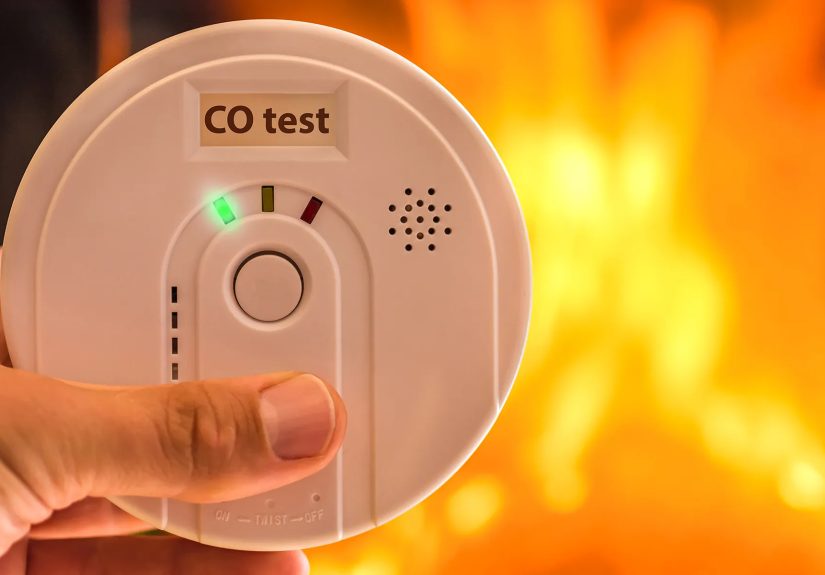
Install and maintain CO alarms (non-negotiable)
- Place CO alarms on every level of the home and outside sleeping areas.
- Test alarms regularly and replace batteries as directed.
- Replace the entire unit when it reaches its expiration date (sensors don’t last forever).
Use fuel-burning appliances the right way
- Have furnaces, chimneys, fireplaces, and vents inspected and serviced routinely.
- Never use a gas oven or stovetop to heat your home.
- Never burn charcoal indoors or in enclosed spaces.
- Make sure vents and flues are not blocked by debris, snow, or nests.
Generator safety: the rule everyone remembers after the scare
If you use a portable generator:
- Run it outdoors onlynot in garages, basements, sheds, or enclosed porches.
- Keep it at least 20 feet from the home and direct exhaust away from doors, windows, and vents.
- Use heavy-duty extension cords rated for outdoor use.
- Let the generator cool before refueling.
Car safety: garages are not “outside enough”
Never idle a vehicle in a closed garage. If you must warm up a car, pull it out immediately. CO can build quickly and
drift into the homeespecially in attached garages.
Travel safety tips
- Look for visible CO alarms in hotel rooms and vacation rentals (and ask if unsure).
- Avoid sleeping in rooms adjacent to running generators, grills, or poorly ventilated mechanical areas.
- If anyone feels suddenly ill indoors, step outside and reassess before assuming it’s “just something we ate.”
Who’s at Higher Risk?
Infants, children, and older adults
Young children and older adults may become symptomatic more quickly or have more severe effects. They also may not
describe early symptoms clearly (a toddler’s review of dizziness is… limited).
Pregnancy
Carbon monoxide exposure during pregnancy is treated with extra urgency because fetal oxygen delivery can be affected.
If you’re pregnant and suspect CO exposure, seek emergency evaluation promptlyeven if symptoms feel mild.
People with heart or lung conditions
Underlying heart disease can make CO-related chest pain and cardiac strain more dangerous. Chronic lung disease can
also reduce the body’s reserve when oxygen delivery is compromised.
Myths and FAQs (Because CO Comes With Confusing Advice)
“Can I smell carbon monoxide?”
No. Carbon monoxide is odorless. If you smell something “exhaust-y,” that may be other combustion byproducts, but CO
itself doesn’t announce its arrival. This is why alarms matter.
“If I open a window, am I safe?”
Sometimes ventilation helps, but it is not a reliable fixespecially with an active source (generator, heater, vehicle).
If you suspect exposure, the safest move is to leave the space and get medical advice.
“Do symptoms always happen right away?”
Not necessarily. Symptoms depend on concentration and duration. Lower-level exposure can cause subtle symptoms that
creep up. Higher levels can cause sudden collapse. CO is inconsistent in the same way a toddler with a marker is
inconsistent: you don’t get a warning, you just get damage.
Real-World Experiences and Lessons Learned (500+ Words)
The most valuable CO education often comes from the stories people tell afterwardbecause carbon monoxide poisoning
is rarely a single dramatic moment. It’s usually a chain of ordinary decisions that accidentally line up like dominoes.
The examples below are composites based on common real-life patterns clinicians, safety agencies, and public health
guidance repeatedly describe.
1) The “mystery flu” that only happens at home
A family notices that Sunday mornings feel awful: headaches, nausea, and fatigue. They blame takeout, stress, even a
new supplement. The twist is that everyone feels better after leaving the house for errandsthen worse again after
returning. Eventually, a visitor asks, “Do you have a carbon monoxide alarm?” The home doesn’t. An inspection finds a
malfunctioning furnace with poor venting.
Lesson: If symptoms improve when you leave a building and return when you go back inside, think CO.
“Seasonal flu” doesn’t respect your driveway boundaries.
2) The generator that “was basically outside”
After a storm knocks out power, someone runs a generator in the garage with the door cracked open. It feels logical:
it’s protected from rain, it’s not inside the living room, and they’ve got extension cords ready to go. A few hours
later, family members feel dizzy and unusually tired. Someone lies down “just for a second” and becomes difficult to
wake. The CO alarm (if they have one) finally soundsor worse, it doesn’t exist to sound at all.
Lesson: Garages, carports, sheds, and covered patios can trap exhaust. Generators need open outdoor
air and distance from openings. Convenience is not a safety standard.
3) The car warm-up that turns into an emergency
In cold weather, a driver starts the car to warm it up while they finish getting ready. The vehicle runs in an attached
garage. Even if the door is opened later, CO can build quickly and drift into the home. People may notice a headache,
feel confused, or get unusually sleepy. Because the routine is familiar, the danger doesn’t feel realuntil it is.
Lesson: The “just a minute” habit is exactly how CO exposures happen. If the car has to run, it needs
to be out of the garage immediately.
4) The travel surprise: “We thought hotels handled that”
Travelers in a rental or older hotel experience headache and nausea overnight. They assume dehydration, altitude, or
“vacation food choices.” Then more than one person feels sick at the same time. Some improve after breakfast outside.
Later, responders discover a faulty water heater or blocked venting.
Lesson: Travel adds risk because you don’t know the building’s maintenance history. If multiple people
feel unwell in the same room, step outside and treat it seriouslyeven if the décor screams “five-star.”
5) The workplace pattern: “Everyone feels weird after lunch”
In some workplace stories, employees report nausea, dizziness, or headaches that repeat on certain shifts or in certain
rooms. Because symptoms are vague, the first instinct is to push through. Sometimes multiple employees think they’re
the only one feeling baduntil someone finally says it out loud. Investigations may find poor ventilation or a faulty
appliance in a back room.
Lesson: Clustered symptoms in groups are a huge signal. If several people feel sick in the same
location, treat it like a safety issue, not a personal weakness.
The common thread across these experiences is not “carelessness.” It’s normal human reasoning: we trust routines,
we underestimate invisible hazards, and we assume that if danger existed, we’d notice it. Carbon monoxide exploits that.
The antidote is preparation (alarms), good habits (safe appliance use), and fast action (fresh air + emergency evaluation
when indicated).
Conclusion
Carbon monoxide poisoning is preventable, but it’s also deceptively easy to miss because symptoms mimic everyday
illnesses. Treat carbon monoxide safety like you treat seat belts: it’s not dramatic, it’s not optional, and you only
truly appreciate it when something goes wrong. Install and maintain CO alarms, use generators and fuel-burning devices
correctly, keep vehicles out of enclosed spaces, and take “group flu” seriouslyespecially when symptoms improve outdoors.
And if you suspect exposure: get to fresh air immediately and seek urgent medical advice. Carbon monoxide
is fast, sneaky, and absolutely not impressed by your plan to “sleep it off.”