Table of Contents >> Show >> Hide
- What Are Coatrack Dots, Exactly?
- Why Coatrack Dots Still Work So Well
- Where Coatrack Dots Look Best
- How to Style Coatrack Dots Without Making the Wall Look Random
- Installation Tips and Practical Reality Checks
- The Pros and Cons of Coatrack Dots
- Why Coatrack Dots Continue to Matter
- Living With Coatrack Dots: The Real Experience
- Conclusion
- SEO Tags
If a traditional coat rack is the minivan of entryway storage, Coatrack Dots are the well-tailored Scandinavian cousin who arrives on time, says very little, and somehow makes the whole room look smarter. These rounded wall hooks have earned a loyal following because they do something rare in home design: they solve a boring problem without looking boring. You can hang a coat, a tote, a towel, or tomorrow’s “I swear I’ll return this library book” bag, but the wall still reads as intentional decor instead of storage panic.
That balance between usefulness and beauty is exactly why Coatrack Dots keep showing up in stylish homes, curated design shops, and “how did they make that tiny entryway look expensive?” inspiration photos. They are minimal, but not cold. Playful, but not childish. Functional, but not in a sad dorm-room-command-hook kind of way. In other words, they are the rare household object that can pull off being both helpful and photogenic.
What Are Coatrack Dots, Exactly?
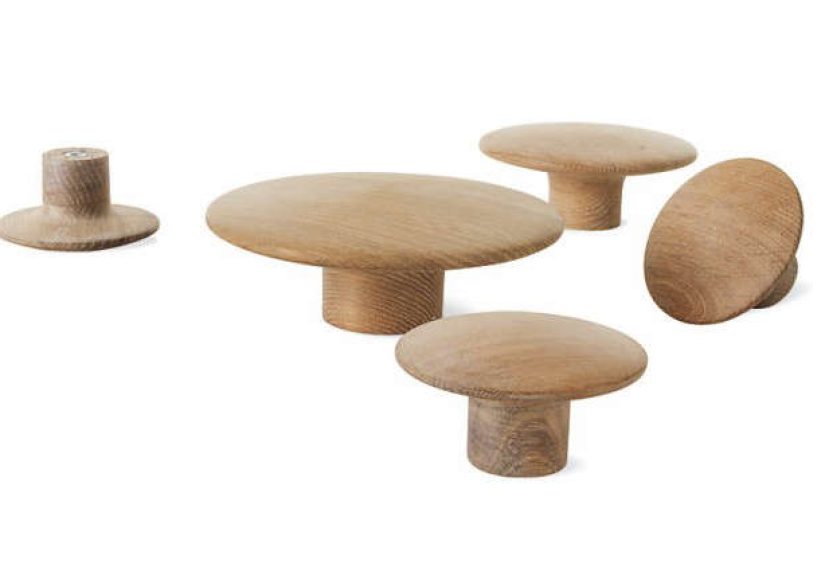
Coatrack Dots generally refers to the now-iconic Dots coat hook collection by Muuto, originally designed by Lars Tornøe. The concept is simple: reduce the coat rack to its most essential form, then make that form beautiful enough to stand on its own. Instead of a long rail, a row of pegs, or an overly engineered wall system that requires an instruction manual and mild emotional resilience, Dots are individual rounded hooks that can be installed in almost any arrangement.
The beauty of the design is that each piece works on two levels. Up close, it is a practical hook with smooth edges designed to be gentle on clothing. Step back, and it becomes part of a larger visual composition. That is why Dots are often described less like hardware and more like functional wall sculpture. Yes, they hold your jacket. No, they do not need to look like they were borrowed from a school hallway in 1987.
Over time, the collection has expanded beyond classic wood into metal and ceramic versions, as well as multiple sizes and colors. That evolution matters because it transformed Dots from a niche Scandinavian accessory into a flexible design family. Warm oak feels cozy and natural. Colored finishes add punch. Metal versions bring a cleaner, slightly sharper look. Ceramic options lean decorative. Same idea, different personalities.
Why Coatrack Dots Still Work So Well
1. They make small spaces feel smarter, not smaller.
One of the hardest-working ideas in home organization is vertical storage. Entryways, bedrooms, bathrooms, and offices usually have more available wall space than floor space, yet many people still treat walls like passive background actors. Coatrack Dots turn a blank wall into a storage zone without adding visual bulk. That is a big deal in apartments, narrow hallways, or homes where the front door opens directly into the living area and everyone is pretending that is “open concept.”
2. They soften utility with shape.
Many hooks are aggressively practical. They curve, jab, or protrude with all the charm of a hardware aisle. Dots feel friendlier. Their rounded profile is easy on coats, scarves, bags, and even delicate fabrics. That softness is part of their appeal. They do not interrupt a room; they participate in it.
3. They are flexible enough to be styled, not just installed.
You can line them up neatly. You can scatter them in a playful cluster. You can mix sizes for rhythm or keep everything uniform for calm symmetry. In design terms, that is visual freedom. In real-life terms, it means you can make your wall look expensive without committing to a giant storage unit that dominates the room and your budget.
4. They work outside the entryway.
Good hooks should not be trapped by job title. Dots are often used in hallways, but they also make sense in bathrooms for robes or towels, kitchens for aprons and tea towels, bedrooms for tomorrow’s outfit, and workspaces for bags or headphones. Some interiors even use them as a place to drape cords, display lightweight accessories, or hang a pendant cable in a more decorative way. That kind of versatility is why this design has stuck around.
Where Coatrack Dots Look Best
Entryways
This is the obvious home run. A few Dots above a bench instantly create a drop zone for coats, hats, bags, and umbrellas. Add a tray for keys and a mirror nearby, and suddenly your morning routine feels less like a scavenger hunt.
Bedrooms
Install a small grouping near a closet for the not-dirty-but-not-ready-to-retire outfit. You know the one. Dots are ideal for that in-between clothing limbo we all pretend does not exist.
Bathrooms
Wood, metal, and ceramic hooks each bring a different mood, but all can work well in a bathroom when properly installed. They are especially useful for robes, hand towels, and guest towels, and they look far more intentional than the standard chrome hook that comes with “builder basic disappointment.”
Kitchens
Use them for aprons, market totes, and dish towels. A compact kitchen benefits from any storage element that gets clutter off the counters, and Dots do that without making the room feel busy.
Kids’ Zones and Family Entry Corners
When hooks are installed at different heights, they can serve both adults and children. That is one of the smartest practical lessons from entryway organizing: if people can actually reach the hook, they are much more likely to use the hook. Revolutionary, I know.
How to Style Coatrack Dots Without Making the Wall Look Random
The trick is to make the arrangement feel intentional. Dots are playful, but they should not look like a wall lost a game of marbles.
Use mixed sizes with a plan.
A combination of small, medium, and large hooks creates rhythm. Larger Dots can anchor the layout, while smaller ones fill the gaps. Think composition, not chaos.
Give each hook breathing room.
Overcrowding is the enemy. Hooks placed too close together cause coats and bags to overlap into one giant textile traffic jam. If the goal is function and clarity, spacing matters.
Pair them with one grounding element.
A bench, floating shelf, slim console, or mirror helps the arrangement feel anchored. The Dots become part of a larger entryway story instead of isolated decorative punctuation marks.
Match the finish to the room’s mood.
Natural wood warms up white walls. Black or dark-toned Dots sharpen minimalist interiors. Colorful versions can energize kids’ rooms, creative workspaces, or playful mudrooms. Metal finishes lean more modern and polished. Pick the version that supports the room instead of trying to make one hook finish solve every design problem in your house.
Installation Tips and Practical Reality Checks
Let us pause for a very adult moment: even the prettiest hook is only as good as its installation. Home organization experts consistently point out that hook placement, spacing, and mounting matter just as much as design. A lovely wall hook attached poorly is just a future floor event.
- Mount for the actual load: light towels and caps are one thing; heavy winter coats and backpacks are another.
- Use proper anchors or studs: especially if the wall is drywall and the items will be heavy.
- Think about height: adult hooks, kid hooks, and grab-and-go hooks should not all live at the same level if you want the setup to work well every day.
- Consider the item shape: round, smooth hooks are gentle on fabric, but slick items may need to be folded over the hook rather than casually tossed at it like a basketball free throw.
In other words, Coatrack Dots are not magic. They are excellent tools. Use them thoughtfully, and they deliver. Install them carelessly, and they become expensive wall confetti with ambition.
The Pros and Cons of Coatrack Dots
Pros
- Beautiful enough to double as decor
- Flexible arrangement for almost any wall
- Available in multiple materials, sizes, and colors
- Ideal for small spaces and awkward entry zones
- Gentler on clothing than sharp or narrow hooks
- Works in more than one room
Cons
- Premium design usually means premium price
- Individual installation takes more planning than a simple rack
- Smooth, rounded shapes may be less grippy for slippery fabrics
- Random placement can look messy instead of stylish
That list explains the product’s reputation pretty well. Coatrack Dots are not the cheapest storage solution on the market, and they are not pretending to be. They belong to the category of objects that make you pay a little more for the pleasure of not having to look at something ugly every day. That is not shallow. That is interior design with standards.
Why Coatrack Dots Continue to Matter
Trends come and go, but the best household designs tend to stick because they solve real problems elegantly. Coatrack Dots continue to matter because modern homes demand flexibility. People want entryways that do not feel cluttered, bathrooms that feel designed, bedrooms that handle real life, and walls that work harder without becoming visually loud.
Dots meet that demand beautifully. They are simple, sculptural, modular, and versatile. They look just as comfortable in a family hallway as they do in a minimalist apartment, a boutique office, or a carefully styled guest bath. That is not common. Plenty of products look good in one context and awkward everywhere else. Dots move easily from room to room because the design language is so clear.
And maybe that is the secret. Coatrack Dots do not scream for attention. They simply do their job well enough, and elegantly enough, that people keep noticing them anyway.
Living With Coatrack Dots: The Real Experience
Living with Coatrack Dots is not really about owning a set of hooks. It is about changing how a room behaves. That sounds dramatic for something smaller than a dinner plate, but it is true. A wall that used to collect nothing suddenly starts catching everything that would otherwise end up on a chair, a countertop, a doorknob, or the mysterious “temporary pile” that somehow becomes a permanent lifestyle choice.
The first noticeable difference is visual. Even before you hang anything on them, Dots make a wall feel intentional. A blank hallway gets structure. A small entry feels designed. A bedroom corner gains purpose. When you choose a wood finish, the room usually feels warmer right away. When you go with darker or colored versions, the hooks act like tiny punctuation marks that wake up a plain wall. It is a subtle upgrade, but one of those subtle upgrades that makes guests say, “Wait, what are those?” right before pretending they were about to buy something similar anyway.
The second difference is behavioral. Once the hooks are in place, people actually start using them because they are visible, accessible, and pleasant to interact with. That matters more than most people think. Storage only works when it feels easy. If a coat closet is around a corner, behind two doors, and guarded by an avalanche of board games and vacuum attachments, your jacket is not going in there. It is landing on the nearest chair. Dots lower the effort. Open the door, hang the coat, continue being a civilized person.
There is also a quiet satisfaction in the way they handle everyday objects. A canvas tote hangs cleanly. A scarf drapes without being strangled. A robe looks almost too elegant for its usual job of helping you shuffle toward coffee. In a bathroom, the right Dot can make a towel look like part of the design instead of evidence that humans live there. In a bedroom, a single hook can rescue tomorrow’s outfit from the back of a desk chair, where clothing traditionally goes to reflect on its life choices.
Of course, the experience is not flawless. If you expect every slippery fabric to grip like it is being held by a mountain climber, you may need to adjust your expectations. Some items hang best when folded over the hook rather than tossed at it in a hurry. Heavier bags also remind you that beautiful hardware still obeys physics. Good mounting matters. Proper spacing matters. And yes, planning the arrangement before drilling is much wiser than the deeply optimistic “I’ll eyeball it” approach.
But once installed well, Coatrack Dots age gracefully because they do not depend on gimmicks. They are not trendy in the disposable sense. They are the kind of design that blends into daily life and quietly improves it. Over time, that may be their biggest strength. You stop thinking of them as “the nice hooks” and start thinking of them as part of how the home works. That is when a product has truly succeeded: when it becomes ordinary in use, but never ordinary in appearance.
Conclusion
Coatrack Dots prove that even the most humble household object can become a design icon when it is thoughtful, flexible, and genuinely useful. They offer the rare combination of sculptural beauty and practical storage, which is why they continue to appeal to homeowners, renters, designers, and anyone else tired of ugly hardware pretending to be neutral.
If you want an entryway upgrade that feels modern but warm, a bathroom detail that does not look afterthought-ish, or a bedroom storage fix that does not involve another bulky furniture piece, Coatrack Dots are still one of the smartest choices out there. They do not just hold things. They help a room hold itself together.