Table of Contents >> Show >> Hide
- The Short Answer
- What Is a Cold Sore?
- What Is a Lip Pimple?
- Cold Sore vs. Lip Pimple: The Biggest Differences
- How to Tell Which One You Have
- Treatment: What Helps and What Does Not
- Other Bumps That Can Fool You
- When to See a Doctor
- Practical Examples
- Bottom Line
- Real-Life Experiences: What This Difference Often Feels Like
Note: Publish-ready HTML body only. English content, no inline source links, no contentReference markers.
Let’s be honest: when a mysterious bump pops up near your mouth, your brain does not calmly say, “Ah yes, time for a sensible dermatology assessment.” It says, “Wonderful. My face has scheduled a crisis.”
And that is exactly why knowing the difference between a cold sore and a lip pimple matters. They can both show up around the lips, both can hurt, and both have a talent for arriving before important photos, dates, interviews, and family events. But they are not the same thing. A cold sore is usually linked to the herpes simplex virus, while a lip pimple is usually an acne-type bump caused by clogged pores, inflammation, irritation, or follicle trouble near the lip line.
If you mix them up, you may use the wrong treatment, touch the area too much, or assume something contagious is harmless when it is not. This guide breaks down the real differences in plain English, with practical examples, a few reality checks, and zero panic.
The Short Answer
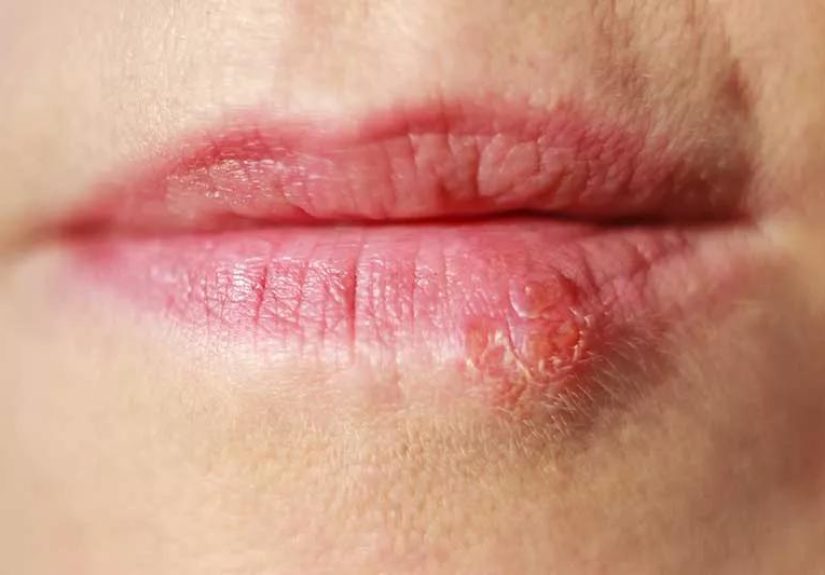
A cold sore is typically a cluster of small fluid-filled blisters on or around the lips that may start with tingling, burning, or itching. It is contagious and often crusts over before healing.
A lip pimple is usually a single inflamed bump near the lip line with a whitehead, blackhead, or pus-filled center. It is not contagious and is more likely tied to clogged pores, irritation, oil, sweat, or acne.
What Is a Cold Sore?
A cold sore, also called a fever blister, is a viral lesion usually caused by HSV-1, though HSV-2 can sometimes affect the mouth area too. Cold sores often appear on the lips or just around them. They can also show up on the chin, nose, or nearby facial skin.
Cold sores tend to follow a familiar pattern. First comes the warning stage: tingling, itching, burning, or tenderness. Then the area becomes red or swollen. After that, tiny blisters appear, sometimes in a group. Those blisters can break open, ooze clear or slightly yellow fluid, and later form a crust or scab before healing.
In other words, a cold sore has a whole dramatic five-act storyline. It does not just quietly sit there like a bored whitehead.
Common cold sore signs
- Tingling or burning before anything is visible
- Small blisters or a cluster of blisters
- Clear fluid, followed by crusting or scabbing
- Pain, tightness, or stinging
- Repeat outbreaks in the same general spot
Common cold sore triggers
- Stress
- Fever or illness
- Sun exposure
- Hormonal shifts
- Lip injury or irritation
- A weakened immune system
What Is a Lip Pimple?
A lip pimple is usually an acne-related bump near the border of the lips, not a viral blister. What many people call a “pimple on the lip” often appears on the skin around the lip line or corners of the mouth, where pores and hair follicles are present.
These bumps happen when pores get clogged with oil, dead skin cells, bacteria, or irritating products. Sometimes they show up as a whitehead. Sometimes they are a red papule. Sometimes they become a pustule, which is the glamorous medical term for “yep, that one has pus.”
Lip pimples can also be triggered by lip products, sweat, friction, foods that irritate the skin, or touching the area too much. They may feel sore, but they usually do not start with that classic pre-outbreak tingling that cold sores often do.
Common lip pimple signs
- A single red bump or a few isolated bumps
- A visible whitehead or blackhead
- Pus rather than clear blister fluid
- Tenderness when pressed
- Breakouts linked to skin products, sweat, or acne-prone skin
Cold Sore vs. Lip Pimple: The Biggest Differences
1. Cause
This is the main difference. A cold sore is viral. A lip pimple is acne-related or inflammatory. One comes from herpes simplex virus activity. The other comes from clogged pores, irritated follicles, or local skin inflammation.
2. Appearance
Cold sores usually look like small grouped blisters. They may start as swelling, then turn into weeping blisters and later crust over. Lip pimples usually look like one raised bump with a white center, black center, or red inflamed top.
If it looks like a tiny blister family reunion, think cold sore. If it looks like one stubborn acne bump claiming prime real estate, think pimple.
3. Sensation
Cold sores often announce themselves early with tingling, itching, burning, or tightness. Pimples are more likely to feel tender, swollen, or sore when touched. They can hurt, but they usually do not deliver that “something is brewing here” warning 24 to 48 hours ahead of time.
4. Contagiousness
A cold sore is contagious. You can spread the virus through close contact, kissing, or sharing certain personal items, and transmission can happen even when a sore is not obvious. A lip pimple is not contagious. Nobody catches your acne because you borrowed a water bottle, hugged a friend, or existed near them.
5. Timeline
Cold sores often heal in about 2 to 3 weeks, though some improve faster with early antiviral treatment. A small pimple may calm down in a few days, while a deeper inflamed bump can linger longer. Still, a pimple usually does not move through the classic blister-ooze-crust cycle.
6. Recurrence
Cold sores tend to come back, often in roughly the same area. Pimples may recur if you are acne-prone, but they do not usually show the same predictable viral pattern.
How to Tell Which One You Have
Ask yourself these questions:
- Did it start with tingling, burning, or itching? That leans toward a cold sore.
- Does it look like a blister or a cluster of blisters? Again, cold sore.
- Do you see a whitehead, blackhead, or pus-filled top? More likely a pimple.
- Is it a single bump near the lip line? Often a pimple.
- Has this happened in the same spot before, especially after stress or sun? That pattern sounds more like a cold sore.
- Did you recently use a new lip balm, lipstick, or irritating product? A pimple or irritation becomes more likely.
Treatment: What Helps and What Does Not
If it is a cold sore
The goal is to reduce pain, shorten the outbreak, and avoid spreading it. Prescription antiviral medications work best when started early, ideally at the tingling stage or within the first day or two. Over-the-counter antiviral cream may help some people, and cold compresses can make the area feel less angry.
Do not pick it, squeeze it, or keep poking it. That does not “dry it out.” It mainly increases irritation and may spread viral fluid.
If it is a lip pimple
Use gentle acne care. Depending on the spot, ingredients like benzoyl peroxide or salicylic acid may help, especially if the bump is on the surrounding skin and not the moist inner lip. A warm compress may help a whitehead come to a head, while a cold compress may reduce swelling and pain.
Do not aggressively scrub or squeeze it. That is how a small bump turns into a larger, angrier, harder-to-hide problem.
What not to mix up
Putting acne spot treatment on a true cold sore usually will not solve the problem. Likewise, treating a simple pimple like it is a herpes outbreak can lead to unnecessary stress, unnecessary product use, and a long conversation with your bathroom mirror that helps absolutely no one.
Other Bumps That Can Fool You
Not every lip-area bump is a cold sore or pimple. The mouth region is a busy little neighborhood.
Look-alikes include:
- Angular cheilitis: cracking and soreness at the corners of the mouth
- Folliculitis: inflamed hair follicles that resemble pimples
- Contact dermatitis: a rash or irritated patch from products or foods
- Fordyce spots: harmless visible oil glands
- Canker sores: ulcers inside the mouth, not usually on the outer lip
If the spot does not match the usual pattern, lasts too long, or looks unusual, it is worth getting checked instead of playing an exhausting round of internet detective.
When to See a Doctor
You should get medical advice if:
- The sore lasts more than two weeks
- You get frequent recurrences
- The area is extremely painful
- You have fever, swollen glands, or feel unwell
- The sore is near your eye
- You have a weakened immune system
- You are not sure whether it is a cold sore, pimple, or something else
- The bump keeps returning, spreading, or leaving scars
Persistent, unusual, or non-healing lesions should not be brushed off. Sometimes “just a bump” is not just a bump.
Practical Examples
Example 1: The morning-before-a-wedding bump
You wake up with a tender red bump near the upper lip. It has a visible white center, and you tried a new heavy lip gloss yesterday. That leans more toward a lip pimple.
Example 2: The stress-week surprise
Your lip felt tingly all yesterday afternoon. This morning, there are two tiny painful blisters on the border of your lip. You have had something similar before during stressful weeks. That strongly suggests a cold sore.
Example 3: The corner-of-mouth mystery
The corner of your mouth is cracked, raw, and irritated, especially when you open wide. That may be angular cheilitis, not a pimple and not a classic cold sore.
Bottom Line
A cold sore and a lip pimple may look similar from across the room, but up close they behave very differently. A cold sore is usually viral, blister-like, recurrent, and contagious. A lip pimple is usually acne-related, more solid, not contagious, and often linked to clogged pores or irritation.
The key clues are the cause, shape, sensation, and healing pattern. If it tingles, blisters, and crusts, think cold sore. If it forms a single inflamed bump with a whitehead or pus-filled center, think pimple. And if your skin decides to be mysterious anyway, a healthcare professional can settle the argument much faster than a search history full of zoomed-in selfies.
Real-Life Experiences: What This Difference Often Feels Like
One reason people confuse cold sores and lip pimples is that the experience starts with the same emotional reaction: annoyance, dread, and an immediate urge to inspect the mirror from seven angles under terrible bathroom lighting. But the way each one unfolds in real life is often very different.
People dealing with a cold sore often describe an odd early warning feeling. Before anything obvious appears, the spot may feel tight, itchy, hot, or prickly. There is often a sense that something is coming. That pre-outbreak stage can make people hyper-aware of the area, especially if they have had cold sores before. They may catch themselves touching the spot, pressing it, or staring at it every hour, waiting for the blister to make its entrance like an unwanted guest who never misses a party.
Then, when the sore appears, the discomfort can change. Instead of feeling like a deep bump under the skin, it may feel more like a surface sting or burn. Eating salty foods, citrus, or spicy meals can make it more noticeable. Talking a lot, laughing, or stretching the lips can make the crusting stage feel tight and irritating. Many people also worry about spreading it, so there is a social layer to the experience that pimples usually do not carry.
A lip pimple, on the other hand, often feels more like a localized pressure bump. It may be sore when you wash your face, apply makeup, shave, or accidentally bump it while drinking from a cup. Instead of a tingling preview, it can seem to pop up overnight and sit there like a tiny protest sign from your pores. If it has a whitehead, the temptation to squeeze it can be enormous, even though that usually makes the area redder, more swollen, and more obvious.
People also notice different emotional reactions. A pimple usually creates frustration about appearance. A cold sore often creates frustration plus concern: Is it contagious right now? Should I avoid kissing my partner? Can I share lip balm? Is this going to crust over in the middle of the workweek? That extra mental load is a real part of the experience.
Another common experience is confusion when the bump sits right on the lip border. That area is tricky. A person may assume any painful lip-area bump is a cold sore, especially if it hurts. But pain alone is not the deciding factor. Some acne bumps near the lip line can be surprisingly tender, especially if they are inflamed or irritated by food, sweat, or products.
What many people find most helpful is paying attention to the pattern over time. If the same type of lesion keeps returning after stress, illness, or sun exposure, that history matters. If the bump shows up during breakouts, after heavy lip products, or alongside other acne, that matters too. In real life, diagnosis often becomes clearer not from one dramatic clue, but from a handful of small details: what it looked like first, how it felt before it appeared, whether it blistered, and how it healed.
In other words, your skin may love suspense, but it usually leaves evidence. You just have to know what kind of detective you are trying to be: virus detective or pore detective.