Table of Contents >> Show >> Hide
- What are steroid injections?
- What are steroid injections used for?
- How do steroid injections work?
- What happens during the procedure?
- How fast do steroid injections work, and how long do they last?
- What are the benefits of steroid injections?
- What are the risks and side effects?
- Who should talk carefully with a doctor before getting one?
- Are steroid injections a cure?
- So, are steroid injections worth it?
- Experiences people often have with steroid injections
- Conclusion
- SEO Tags
If you have aching knees, a cranky shoulder, a wrist that complains every time you open a jar, or back pain that seems to have signed a long-term lease, you may have heard about steroid injections. These shots are often called cortisone shots or corticosteroid injections, and they’re a common treatment for pain caused by inflammation.
They are not the same thing as anabolic steroids used for muscle building. Different steroid, different job, very different vibe. The steroid used in medical injections is designed to calm inflammation, reduce swelling, and help ease pain in a targeted part of the body.
So what are steroid injections actually for? How do they work once they’re in the body? And why do some people walk out feeling relieved while others get only temporary help? Let’s break it down in plain English, with fewer mystery words and zero white-coat drama.
What are steroid injections?
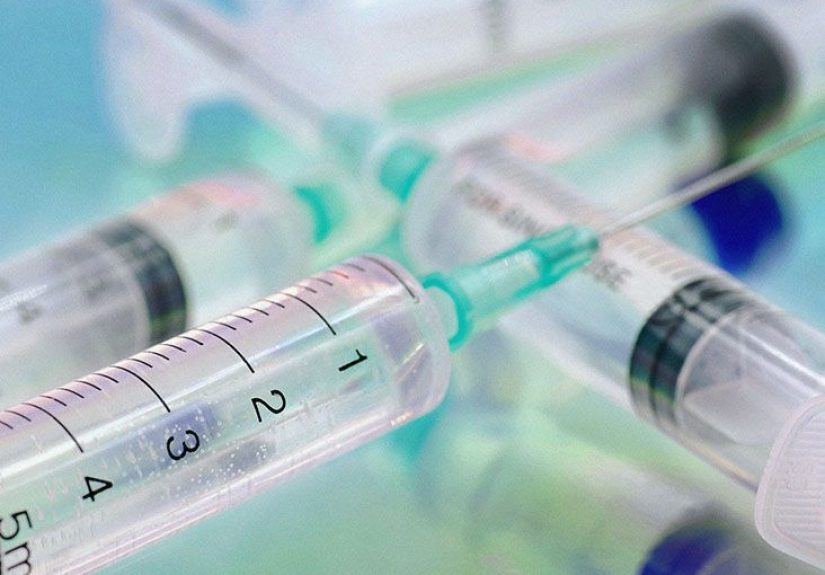
Steroid injections are shots that deliver a corticosteroid medication directly into or near a painful, inflamed area. Depending on the condition, the shot may go into a joint, a bursa, around a tendon, into soft tissue, or into the epidural space near spinal nerves. In many cases, the steroid is mixed with a local anesthetic so there may be some immediate numbing along with the longer anti-inflammatory effect.
Common corticosteroids used in these injections include medications such as hydrocortisone, methylprednisolone, triamcinolone, and dexamethasone. The exact choice depends on the body part being treated, the diagnosis, and the clinician’s approach.
What are steroid injections used for?
The short answer: they’re used to treat inflammation-driven pain. When a tissue is irritated, inflamed, swollen, or rubbing in all the wrong ways, a steroid injection may help calm things down.
1. Arthritis-related joint pain
This is one of the most common reasons people get a steroid shot. Injections may be used for painful flare-ups in the:
- knee
- shoulder
- hip
- wrist
- ankle
- small joints in the hands or feet
For people with osteoarthritis or inflammatory arthritis, a shot into the joint can reduce swelling and improve comfort for a period of time. It does not rebuild cartilage or reverse arthritis, but it may make movement easier and buy time for physical therapy, exercise, or other treatments to work.
2. Bursitis
A bursa is a tiny fluid-filled sac that reduces friction between bones, tendons, and muscles. When it gets inflamed, you get bursitis, which is a fancy way of saying “that area really does not want to cooperate today.” Steroid injections are often used for shoulder, elbow, or hip bursitis when rest, ice, and anti-inflammatory medicines have not done enough.
3. Tendon-related pain
Some steroid injections are given around tendons to reduce inflammation in nearby tissue. This may be considered in conditions such as rotator cuff irritation, trigger finger, or certain overuse injuries. However, doctors are often cautious here because repeated steroid exposure around a tendon may weaken it over time.
4. Carpal tunnel and similar compression problems
In some cases, a steroid injection can reduce swelling around a nerve and ease symptoms such as pain, tingling, or numbness. For example, carpal tunnel syndrome may respond to a steroid shot, sometimes helping a person delay or avoid surgery.
5. Frozen shoulder and joint stiffness
When a shoulder becomes painful and stiff, a steroid injection may reduce inflammation enough to make stretching and rehab more tolerable. That matters because physical therapy usually does more good when the patient isn’t gritting their teeth through every movement.
6. Spine-related pain and sciatica
Epidural steroid injections are sometimes used for neck or low back pain caused by irritated spinal nerves, including sciatica or pain from a herniated disc. These injections are meant to reduce inflammation around the nerve root and may provide temporary relief that makes daily life or rehab easier.
That said, epidural steroid injections are their own special category. They are widely used, but they also come with important safety considerations, including a rare but serious FDA warning about neurologic complications. More on that in a minute.
How do steroid injections work?
Corticosteroids work by dampening the body’s inflammatory response. When tissue is irritated, the immune system releases chemicals that increase swelling, redness, warmth, and pain. That’s useful when your body is fighting a real threat. It’s less helpful when your shoulder has decided that reaching for a coffee mug is now a full-contact sport.
A steroid injection interrupts that inflammatory chain reaction. In simple terms, it tells the immune system to stop turning the volume all the way up. As inflammation settles down, pressure on nearby tissues can ease, swelling can decrease, and pain often improves.
Because the medication is placed close to the problem area, it can deliver a concentrated local effect without the same whole-body exposure you’d get from a longer course of oral steroids. That local approach is one reason these injections are so commonly used in sports medicine, orthopedics, rheumatology, and pain management.
What happens during the procedure?
A steroid injection is usually done in an office or procedure suite. The skin is cleaned, the area may be numbed, and the clinician places the needle into the target area. Depending on the location, they may use ultrasound or X-ray guidance to improve accuracy.
Sometimes fluid is removed first, especially if a joint is swollen. Then the steroid medication is injected, often along with a numbing medicine such as lidocaine or bupivacaine.
The whole process is often fairly quick, though “quick” can still feel emotionally long if you are staring at the needle like it insulted your family. Most people can go home the same day.
How fast do steroid injections work, and how long do they last?
This depends on the condition, the injection site, and the person. Some people feel immediate relief from the anesthetic mixed into the shot. That early numbness can wear off within hours, after which the steroid itself may take a few days to start helping.
Relief may last:
- a few weeks
- several weeks
- several months
In other words, a steroid shot is usually temporary pain relief, not a permanent fix. It is often best viewed as one tool in a larger treatment plan that may also include physical therapy, activity changes, weight management, braces, medications, or, in some cases, surgery.
What are the benefits of steroid injections?
When they’re used for the right reason and in the right place, steroid injections can be genuinely useful. Potential benefits include:
- Reduced pain that makes daily activities easier
- Less inflammation and swelling in a specific area
- Improved range of motion, especially when pain has been limiting movement
- Better participation in rehab or physical therapy
- Short-term symptom control while a longer treatment plan takes effect
- A possible alternative to surgery, or at least a way to delay it in selected cases
For many patients, the real value is practical: sleeping better, walking more comfortably, climbing stairs without bargaining with the universe, or finally getting through a workday without constant pain commentary from a knee or shoulder.
What are the risks and side effects?
Steroid injections are common, but “common” is not the same as “risk-free.” Most side effects are temporary or uncommon, but they matter.
Common or short-term side effects
- Post-injection flare, where the area feels more painful for a day or two before improving
- Facial flushing
- Temporary rise in blood sugar, especially in people with diabetes
- Skin thinning or lightening near the injection site
- Soreness or bruising where the shot was given
- Trouble sleeping for a short time in some people
Less common but more serious concerns
- Infection in the injected area
- Bleeding, especially in people taking blood thinners
- Tendon weakening or rupture with repeated injections around tendons
- Cartilage damage or joint concerns with frequent injections in the same joint
- Allergic reaction, though uncommon
Because of these risks, clinicians often limit how often steroid injections are used in the same area. The exact schedule varies, but repeated shots are generally approached with caution rather than enthusiasm.
A special note about epidural steroid injections
Epidural steroid injections are commonly used for nerve-related back or neck pain, but they deserve extra respect. The FDA has warned that steroid injected into the epidural space may rarely lead to serious neurologic events, including stroke, paralysis, vision loss, or death. The FDA has also said that the safety and effectiveness of corticosteroids for epidural use have not been formally established by approval for that route.
That does not mean epidural steroid injections are never used. It means patients should have a clear conversation with their clinician about why the procedure is being recommended, what type of imaging guidance will be used, what the alternatives are, and what risks apply to their individual case.
Who should talk carefully with a doctor before getting one?
Steroid injections are not a casual “sure, why not” treatment. Some people should have a more detailed risk discussion first, especially those who:
- have diabetes
- take blood thinners
- have an active infection
- have had multiple injections in the same body part already
- have significant tendon damage or tissue fragility
- are considering an injection close to an upcoming procedure or major orthopedic decision
This is where personalized care matters. A steroid injection may be a smart option for one patient and a not-great idea for another, even if both have pain in the exact same knee.
Are steroid injections a cure?
Usually, no. They are a treatment for symptoms and inflammation, not a magic eraser for the underlying condition. If your pain comes from osteoarthritis, tendon irritation, bursitis, or a pinched nerve, the shot may calm the inflammation, but it doesn’t undo structural wear, repair a torn tendon, or permanently fix spinal narrowing.
That’s why the best results often happen when the injection is paired with a bigger plan. Think strengthening, mobility work, better movement habits, load management, and sometimes weight loss or other treatments. The injection opens a window. What you do during that window often matters just as much as the shot itself.
So, are steroid injections worth it?
They can be, especially when inflammation is a major driver of pain and a clinician can target the right spot. A well-placed steroid injection may reduce pain enough to restore function, improve sleep, and help someone get back to physical therapy or normal activities.
But they are not a one-size-fits-all answer. They work better for some conditions than others, and the relief is often temporary. The smartest question usually isn’t “Should I get a steroid injection?” It’s “What problem are we treating, what outcome do we expect, and what happens next if it helps or doesn’t?”
That question tends to get better answers, and better answers tend to lead to better knees, shoulders, hips, and backs. Science is nice that way.
Experiences people often have with steroid injections
One reason steroid injections get so much attention is that people’s experiences can vary a lot. A person with knee arthritis may describe the shot as a huge relief that let them walk comfortably again for two or three months. Someone else with shoulder bursitis may say the first day was sore, the second day was annoying, and by the end of the week they could finally sleep on that side again. Then there’s the person who expected instant magic, got only partial relief, and learned the hard way that the injection was a helper, not a superhero.
Before the shot, many patients say they feel equal parts hopeful and nervous. The build-up can be worse than the procedure itself. In real life, the appointment is often short. The area is cleaned, the clinician explains what will happen, and if imaging guidance is used, the process may feel even more precise and reassuring. Most people describe the injection as pressure, a pinch, or a quick burning sensation rather than overwhelming pain.
Afterward, experiences often split into a few common patterns. Some people feel better almost right away because of the numbing medicine mixed into the injection. That early relief can be encouraging, but it may wear off later the same day. Others notice no improvement at first and may even feel a temporary flare for a day or two. This can be frustrating, but it is a known reaction and does not always mean the shot failed.
When the steroid begins to work, the most common report is not “I feel bionic now.” It’s more like, “I can move without wincing,” or “stairs are less dramatic,” or “I finally got through a grocery trip without needing a motivational speech in aisle six.” That kind of functional improvement matters. For many patients, the real win is being able to exercise, stretch, garden, work, or sleep more comfortably.
There are also people who notice side effects. Someone with diabetes may see blood sugar rise temporarily and need to monitor more carefully. Some patients report facial flushing, mild insomnia, or tenderness at the injection site. A few feel disappointed if relief lasts only a short time. That experience can still be useful, because it gives the care team information about whether inflammation is really the main pain source and whether another treatment path makes more sense.
The most successful experiences usually happen when expectations are realistic. Patients tend to do better when they understand that a steroid injection may reduce inflammation and pain, but it probably will not rebuild a worn joint or permanently solve a chronic problem. In other words, the shot can create an opportunity. Physical therapy, activity changes, strength work, and follow-up care are often what help turn that opportunity into a longer stretch of feeling better.
Conclusion
Steroid injections are used to treat painful inflammation in joints, bursae, tendons, and around irritated spinal nerves. They work by calming the immune signals that drive swelling and pain, and they can offer meaningful short-term relief for conditions such as arthritis, bursitis, frozen shoulder, carpal tunnel syndrome, and some forms of back pain.
They are popular for a reason: when chosen carefully, they can reduce pain fast enough to help people move better and get back to rehab or daily life. But they are not risk-free, not permanent, and not a cure for every painful body part that has started acting like a diva. The best approach is to use them strategically, with a clear diagnosis, a plan for what comes next, and a healthy respect for both their benefits and their limits.