Table of Contents >> Show >> Hide
- Why Concrete Garden Balls Work So Well in the Landscape
- What You Need for This Easy DIY
- Choosing the Best Mold for Concrete Garden Balls
- Concrete Mix vs. Mortar Mix: Which Is Better?
- How to Make Concrete Garden Balls Step by Step
- How Long Should Concrete Garden Balls Cure?
- Important Safety Tips for Working with Concrete
- How to Make Concrete Garden Balls Look Better
- Where to Place DIY Concrete Garden Balls
- Common Mistakes to Avoid
- Do Concrete Garden Balls Need Maintenance?
- Why This DIY Project Is Worth Trying
- Experiences and Lessons Learned From Making Concrete Garden Balls
Some garden projects whisper. Concrete garden balls do not. They sit there with glorious confidence, looking expensive, sculptural, and slightly mysterious, as if a landscape designer in linen pants placed them there while softly discussing “outdoor rhythm.” The funny part is that these sturdy little show-offs are surprisingly simple to make at home.
If you’ve been searching for an easy DIY garden project that adds texture, shape, and year-round charm, concrete garden balls deserve a spot near the top of the list. They work in modern landscapes, cottage gardens, minimalist patios, and chaotic backyards that are one tomato cage away from becoming performance art. Better yet, they can be made on a budget with basic tools, bagged concrete or mortar mix, and a little patience.
In this guide, you’ll learn how to make DIY concrete garden balls, which materials work best, how to avoid the most common mistakes, and how to style the finished pieces so they look intentional instead of “I buried a science experiment in the flower bed.”
Why Concrete Garden Balls Work So Well in the Landscape
Round garden ornaments do something rectangular planters and straight edging simply cannot: they soften the space. A sphere brings balance to beds full of spiky grasses, angular stone, and leafy shrubs. It also creates a natural focal point. In landscape design, focal points help move the eye through a space, and a simple orb does that beautifully without screaming for attention.
Concrete garden balls are especially effective because they combine form and durability. Unlike lightweight décor that blows over in a dramatic weather-related tantrum, concrete spheres stay put. Rain does not bother them. Sun does not bother them. The squirrel community may judge them, but even that has no practical effect.
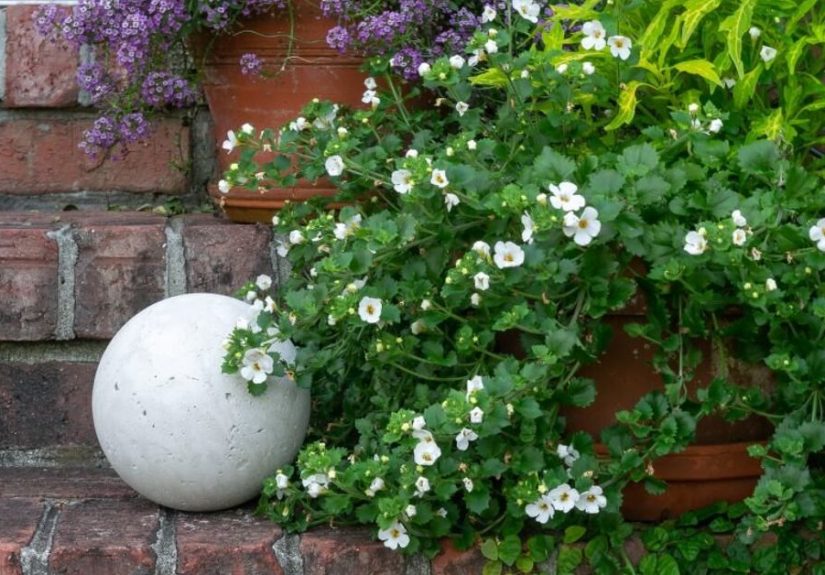
They also age well. Fresh concrete has a clean, pale stone look, but over time it can develop subtle variation, a weathered patina, or even a mossy character that makes the ornament look like it has lived in the garden forever. That slightly old-world effect is a big reason gardeners love them.
What You Need for This Easy DIY
You do not need a truckload of contractor-grade gear to make concrete garden balls. For most small to medium sizes, a short shopping list is enough.
Basic materials
- Bagged concrete mix or mortar mix
- Water
- A mixing tub, bucket, or wheelbarrow
- Gloves, eye protection, and a dust mask or respirator
- A mold, such as a glass light globe, a sturdy plastic sphere, or two half-sphere molds
- Nonstick spray or light cooking spray for easier release
- A small trowel, scoop, or sturdy spoon
- Sandpaper, rubbing stone, or masonry file for cleanup
For larger decorative spheres, some DIYers prefer casting two halves and joining them with mortar. For smaller balls, a single globe-style mold can be easier. Both methods work. Your choice depends on size, confidence level, and how much you enjoy explaining to other people why there is a light fixture globe full of concrete on your patio table.
Choosing the Best Mold for Concrete Garden Balls
The mold shapes the project, literally. A good mold is round, sturdy, and easy to remove after curing. One of the most common DIY approaches uses a glass globe from a light fixture. Another uses large glass ornaments. A more flexible option is a reusable plastic mold designed for concrete décor. And for bigger spheres, casting two halves is often the safest and simplest route.
Best mold options
- Glass light globes: Great for smooth, true spheres and widely used in DIY projects.
- Plastic sphere molds: Reusable and less nerve-racking than breaking glass later.
- Two-part half-sphere molds: Ideal for larger balls because they reduce weight and make handling easier.
- Holiday ornaments: Best for small decorative accents, not giant statement pieces.
If you use glass, take safety seriously during removal. Wrap the globe before breaking it, wear eye protection, and work slowly. Concrete is supposed to become yard art, not a reason to explain yourself at urgent care.
Concrete Mix vs. Mortar Mix: Which Is Better?
For DIY concrete garden balls, both can work, but they create different results. Standard concrete mix contains larger aggregate, which gives strength but can make very small spheres harder to finish smoothly. Mortar mix or sand mix has a finer texture, making it better for smaller or more decorative balls where appearance matters most.
If your goal is a clean, smooth surface, mortar mix is often easier to control. If you want a larger, heavier sphere with more rugged character, standard concrete mix is a solid choice. The most important thing is not making the mix too wet. A soupy batch weakens the project, increases shrinkage, and invites cracking. You want a moldable, workable consistency that holds together without puddling.
How to Make Concrete Garden Balls Step by Step
Method 1: One-piece globe mold
- Prep the work area. Set up outdoors or in a well-ventilated space. Gather every tool before mixing.
- Prepare the mold. Lightly coat the inside with release spray. Drain any excess so you do not end up with slippery chaos.
- Mix the concrete. Add water gradually and stir until the mix becomes smooth and moldable. It should hold its shape in your hand, not slump like sad oatmeal.
- Fill the mold. Scoop the mix in little by little, packing gently as you go.
- Reduce air pockets. Tap the outside of the mold lightly to help trapped bubbles rise out.
- Let it cure. Set the mold on a stable surface and leave it undisturbed.
- Remove the mold. Once cured enough, carefully remove plastic or, if using glass, wrap and break it safely.
- Finish the surface. Smooth rough edges with sandpaper or a masonry stone.
Method 2: Two half-spheres
- Fill two half-sphere molds with your mix.
- Let both halves cure until firm.
- Remove from molds and check the fit.
- Use mortar to join the halves together.
- Smooth the seam and allow the joined sphere to cure fully.
This method is excellent for larger garden spheres because it is easier to handle and often reduces the chance of a mold disaster. It also makes it possible to create hollow spheres, which are lighter and easier to position on pedestals.
How Long Should Concrete Garden Balls Cure?
This is the part where enthusiasm needs adult supervision. Yes, the ball may seem firm fairly quickly. No, that does not mean it is ready to be dropped into a wheelbarrow and admired aggressively. Concrete gains strength over time, and proper curing matters for durability, surface quality, and crack resistance.
For a small decorative sphere, leaving it undisturbed overnight is a reasonable starting point before demolding, provided the product instructions support that timing. After that, give it additional curing time in a protected area. Keeping concrete from drying too fast helps reduce cracking and improves final strength. In hot or windy weather, that matters even more.
Do not rush the finish. Garden décor should feel timeless, not “made in a panic during one Saturday afternoon and then regretted on Sunday.”
Important Safety Tips for Working with Concrete
Wet concrete and cement products are not harmless mud. They can irritate skin, burn eyes, and create dust you do not want to breathe. Wear waterproof gloves, eye protection, long sleeves, and a dust mask or respirator when mixing. Wash up after handling, especially if wet mix gets on your skin. Concrete burns can develop slowly, which makes them extra rude.
Also pay attention to lifting. Even a medium-sized concrete sphere gets heavy fast. If you are making several pieces, work in manageable sizes unless your garden theme is “accidental lower-back injury.”
How to Make Concrete Garden Balls Look Better
A plain gray sphere can be beautiful on its own, but a few finishing ideas can elevate the look.
Easy finishing options
- Leave it natural: Perfect for modern, minimalist, or stone-heavy landscapes.
- Create a mossy patina: Use subtle outdoor paint dabs in muted green and brown tones.
- Sand the surface lightly: This softens sharp seams and gives a more refined finish.
- Group different sizes: A trio of spheres usually looks more styled than a lonely single orb.
- Use a pedestal: Raising one sphere adds height and emphasis.
For cottage gardens, weathered finishes feel especially charming. For contemporary homes, smoother surfaces and restrained placement usually look best. Match the finish to the setting so the piece feels designed, not random.
Where to Place DIY Concrete Garden Balls
Placement is where the magic happens. A concrete sphere stuck in the middle of nowhere is just an orb with no social skills. Put it in the right spot, though, and it becomes a focal point.
Smart placement ideas
- At the edge of a planting bed to anchor a corner
- Near ornamental grasses to contrast with soft movement
- Beside a garden bench or path for sculptural interest
- In groups of two or three near a patio
- On a pedestal in a formal garden layout
- Near a water feature for a calm, reflective look
Size matters. Small beds look better with smaller spheres. A giant concrete ball in a tiny patch of flowers can feel like a moon landing. Repeating the shape elsewhere in the yard can help create rhythm and make the design feel intentional.
Common Mistakes to Avoid
Adding too much water
This is the classic DIY trap. A wetter mix seems easier to work with, but it can weaken the finished piece and increase shrinkage cracks.
Using a flimsy mold
If the mold flexes too much or shifts while filled, the sphere may distort or fail before it cures.
Skipping air-bubble control
Light tapping helps release trapped air. Ignore this and your “smooth sphere” may come out looking like a lunar close-up.
Demolding too early
Impatience has ruined many beautiful projects. Let the concrete gain enough strength before touching it.
Ignoring safety gear
Wet cement can be harsh on skin and eyes, and dry dust is not something you want in your lungs. Dress like a capable DIYer, not like you accidentally wandered into the project carrying iced coffee.
Do Concrete Garden Balls Need Maintenance?
Very little. That is part of their charm. Once fully cured, concrete garden balls are low-maintenance outdoor décor. Rinse them occasionally to remove dirt, brush off algae if it gets too enthusiastic, and check for hairline cracks after winter in freeze-thaw climates. A sealer may help reduce moisture absorption if your climate is harsh, though many gardeners prefer the natural weathered look and simply let time do its thing.
If one develops character with age, congratulations. Gardeners call that patina. Everyone else calls it “looking expensive.”
Why This DIY Project Is Worth Trying
Concrete garden balls hit the sweet spot between easy and impressive. They are simple enough for beginners, customizable enough for creative gardeners, and durable enough to last through multiple seasons. They also offer a rare garden upgrade that looks high-end without requiring a luxury budget.
Most importantly, they teach a useful DIY lesson: a strong result usually comes from basic materials, careful prep, and the restraint not to overcomplicate things. In other words, the opposite of half the internet.
Experiences and Lessons Learned From Making Concrete Garden Balls
The first time I made a concrete garden ball, I assumed the project would be nearly foolproof. After all, it is just concrete in a round mold. How difficult could that be? The answer, naturally, was: enough to make me humble, but not enough to make me quit. That is exactly why this project is so satisfying. It looks elegant when finished, but it still teaches you things along the way.
The biggest lesson was that prep matters more than confidence. On my first attempt, I mixed before organizing the mold, tools, and cleanup area. That was a mistake. Concrete does not care that you are still looking for gloves or trying to remember where you put the trowel. Once the mix is ready, the clock starts ticking. Every later project went more smoothly when I staged everything first and treated the setup like a cooking show, minus the camera crew and suspiciously perfect countertops.
I also learned that texture tells the truth. A mix that looks fine in the tub can behave very differently in the mold. When I made one batch too wet, the sphere cured with more surface flaws and felt less solid. When I mixed more conservatively and packed the material gradually, the result was smoother, stronger, and easier to finish. That one small adjustment changed the whole project.
Another surprise was how much placement affects the final payoff. One ball set alone near a shrub looked decent, but a group of three in graduated sizes looked intentional and polished. Suddenly the bed felt designed instead of merely decorated. A sphere near ornamental grass looked softer and more natural. A sphere on a pedestal looked formal and dramatic. The exact same object took on a completely different personality based on where it landed in the garden.
I also came to appreciate the charm of imperfection. Tiny air holes, subtle color changes, and faint weathering can actually make concrete garden balls more attractive. They feel less factory-made and more like true garden sculpture. That helped me stop chasing “perfect” and start aiming for “beautiful, durable, and handmade.” In garden design, that is often the smarter target anyway.
Perhaps the best part of the experience is that this DIY project encourages repetition. Once you make one successful concrete garden ball, your brain immediately starts suggesting unreasonable but exciting ideas. What about a larger one? A mossy finish? A matching pair for the front path? A cluster near the birdbath? It is the kind of project that quietly expands your confidence. By the end, you are not just making garden décor. You are editing your landscape with shape, weight, and textureand having a pretty good time doing it.