Table of Contents >> Show >> Hide
- Why This Copycat Fettuccine Alfredo Recipe Works
- Copycat Fettuccine Alfredo Recipe Ingredients
- How to Make Copycat Fettuccine Alfredo
- What Makes This a Copycat Alfredo Recipe?
- Best Tips for Perfect Alfredo Sauce Every Time
- Common Mistakes That Ruin Fettuccine Alfredo
- Easy Variations on This Alfredo Recipe
- What to Serve with Copycat Fettuccine Alfredo
- How to Store and Reheat Alfredo
- Is Copycat Fettuccine Alfredo the Same as Authentic Alfredo?
- Final Thoughts
- Experience: Why Copycat Fettuccine Alfredo Keeps Winning at the Dinner Table
If comfort food had a tuxedo, it would probably be fettuccine Alfredo. It’s glossy, rich, unapologetically creamy, and somehow always feels a little fancier than the amount of effort it actually takes. That is the magic of a great copycat fettuccine Alfredo recipe: it gives you the restaurant-style experience at home, minus the wait time, the crowded parking lot, and the moment you realize you just paid extra for grated cheese.
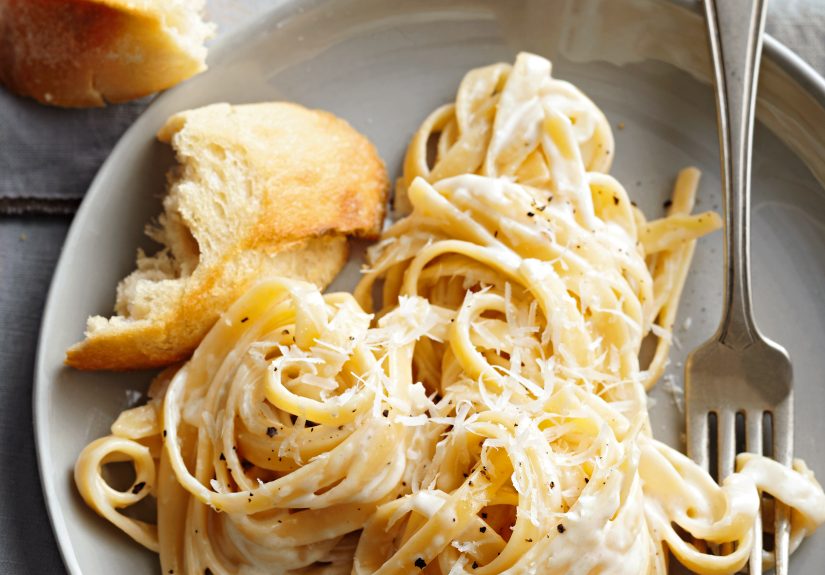
This version is designed to taste like the kind of Alfredo Americans crave most: silky, buttery, garlicky, and generously cheesy, with that luxurious sauce that hugs every ribbon of pasta like it has attachment issues. At the same time, it borrows smart technique from classic Alfredo methods so the sauce tastes rich without turning into a gluey dairy incident. The result is a creamy pasta dinner that feels indulgent, balanced, and completely worth washing one skillet for.
Below, you’ll get the full copycat Alfredo recipe, expert tips for getting the sauce just right, easy variations, common mistakes to avoid, and a long-form experience section for anyone who enjoys a little pasta nostalgia with their dinner plan.
Why This Copycat Fettuccine Alfredo Recipe Works
A truly good Alfredo sauce is not just “cream plus cheese plus hope.” The best versions rely on a few simple ideas. First, the sauce needs fat for richness, which usually comes from butter and cream in restaurant-style Alfredo. Second, it needs finely grated cheese that melts smoothly into the sauce instead of clumping like it’s protesting the process. Third, it needs a little starchy pasta water to loosen, emulsify, and help the sauce cling to the noodles.
That is why this homemade fettuccine Alfredo recipe hits the sweet spot between classic and copycat. It uses heavy cream for the plush, restaurant-inspired texture many American diners expect, but it also leans on pasta water and fresh Parmesan for a more natural, silky finish. In other words, it tastes decadent without becoming a dairy brick.
Copycat Fettuccine Alfredo Recipe Ingredients
For the pasta
- 12 ounces fettuccine
- Water, for boiling
- 1 to 2 tablespoons kosher salt, for the pasta water
For the Alfredo sauce
- 6 tablespoons unsalted butter
- 2 cloves garlic, finely minced
- 1 1/2 cups heavy cream
- 1 1/4 cups freshly grated Parmesan cheese
- 1/2 cup freshly grated Pecorino Romano or Romano cheese
- 1/2 teaspoon freshly ground black pepper
- 1/4 teaspoon fine sea salt, plus more to taste
- Pinch of nutmeg, optional
- 1/2 to 3/4 cup reserved pasta water, as needed
- Chopped parsley, optional, for serving
Optional add-ins
- Sliced grilled chicken
- Sautéed shrimp
- Steamed broccoli
- Sautéed mushrooms
How to Make Copycat Fettuccine Alfredo
1. Boil the pasta like you mean it
Bring a large pot of water to a boil and salt it generously. Add the fettuccine and cook until al dente according to package directions. Before draining, reserve at least 1 cup of pasta water. This is not optional. This is your sauce insurance policy.
2. Start the sauce gently
In a large skillet or sauté pan over medium-low heat, melt the butter. Add the minced garlic and cook for about 30 seconds, just until fragrant. Do not let it brown. Burned garlic can turn a dreamy Alfredo into a sauce that tastes like regret.
3. Add the cream
Pour in the heavy cream and stir well. Let it warm for 2 to 3 minutes over low heat. You want a gentle simmer, not a rolling boil. Alfredo sauce prefers a calm environment.
4. Melt in the cheese
Reduce the heat to low. Add the Parmesan and Romano a handful at a time, whisking constantly until each addition melts before adding more. Stir in the black pepper, salt, and nutmeg if using. The sauce should look smooth, glossy, and thick enough to coat the back of a spoon.
5. Toss with pasta and adjust
Add the drained fettuccine directly to the skillet. Toss thoroughly so every strand gets coated. Add reserved pasta water a splash at a time until the sauce loosens into a silky consistency. This step transforms the sauce from “pretty good” to “restaurant-style.”
6. Serve immediately
Plate the pasta right away and finish with extra cheese, black pepper, and parsley if desired. Alfredo waits for no one. The longer it sits, the more it tightens, like a cat refusing to be moved from a warm laptop.
What Makes This a Copycat Alfredo Recipe?
When most home cooks search for a copycat fettuccine Alfredo recipe, they are usually chasing that Italian-American restaurant version: a sauce that is creamier, thicker, and a bit more dramatic than the minimalist Roman classic. Restaurant-style Alfredo often includes heavy cream, butter, garlic, and more than one kind of hard cheese for deeper savory flavor.
This recipe follows that craving. It is rich, silky, and intentionally generous. It is not trying to be sparse or ultra-traditional. It is trying to taste like the bowl of Alfredo you dream about when it’s cold outside, your day has been weird, and a salad sounds emotionally unhelpful.
Best Tips for Perfect Alfredo Sauce Every Time
Use freshly grated cheese
Pre-shredded cheese often contains anti-caking agents that can make Alfredo sauce grainy. Grating your own Parmesan and Romano gives you a smoother melt and better flavor.
Keep the heat low
High heat can cause dairy to separate. Alfredo is a gentle sauce, not a stir-fry. Low and slow wins here.
Reserve more pasta water than you think you need
That starchy water helps the sauce emulsify and cling to the noodles. It is also the easiest fix if the sauce gets too thick.
Don’t over-salt too early
Parmesan and Romano both bring saltiness. Taste the sauce after the cheese melts before adding more salt.
Serve it fast
Fettuccine Alfredo is at its best the moment it comes together. It does not enjoy waiting around for photo shoots, long speeches, or people who “just need to answer one email first.”
Common Mistakes That Ruin Fettuccine Alfredo
Using cold cream cheese-style shortcuts when you want classic flavor
There are Alfredo shortcuts that use cream cheese, flour, or jarred sauce, and those can be useful on busy nights. But if your goal is a restaurant-quality copycat Alfredo, butter, cream, and freshly grated hard cheese will give you a cleaner, more classic result.
Boiling the sauce too hard
A violently boiling Alfredo sauce can separate, scorch, or turn greasy. Gentle heat preserves the smooth texture.
Skipping the toss step
Do not just pour sauce on top of pasta like gravy on mashed potatoes. Tossing the noodles in the pan helps the starch, sauce, and cheese come together into one cohesive dish.
Letting it sit too long before serving
The sauce thickens quickly as it cools. If it sits too long, loosen it with a splash of hot pasta water or warm cream before serving.
Easy Variations on This Alfredo Recipe
Chicken Fettuccine Alfredo
Add sliced grilled or pan-seared chicken breast for a hearty, restaurant-style dinner. Season the chicken simply with salt, pepper, and a little garlic powder so it doesn’t compete with the sauce.
Shrimp Alfredo
Sauté shrimp in butter with a pinch of salt and black pepper, then fold them into the pasta just before serving. It adds a slightly sweet seafood note that pairs beautifully with the creamy sauce.
Mushroom Alfredo
Brown sliced mushrooms in butter before starting the sauce. Their savory depth cuts through the richness and makes the dish taste a little more grown up, in a very delicious way.
Broccoli Alfredo
Steam or blanch broccoli florets and toss them in with the pasta. This is the classic “I added a vegetable, so everything is balanced now” move, and honestly, it works.
What to Serve with Copycat Fettuccine Alfredo
This rich pasta pairs well with simple sides that keep the meal from feeling too heavy. Good options include garlic bread, roasted asparagus, a crisp Caesar salad, lemony green beans, or sautéed spinach. If you are serving guests, add grilled chicken or shrimp and call it a full dinner party situation. Bonus points if someone brings dessert and you pretend the menu was planned weeks in advance.
How to Store and Reheat Alfredo
Store leftovers in an airtight container in the refrigerator for up to 3 days. Alfredo sauce tends to thicken and tighten after chilling, so reheating requires patience. Warm it in a skillet over low heat with a splash of milk, cream, or water, stirring often until smooth again. The microwave works in emergencies, but so does eating cold pizza in your car, and that does not make it ideal.
Is Copycat Fettuccine Alfredo the Same as Authentic Alfredo?
Not exactly, and that’s okay. Authentic Roman Alfredo traditionally leans on butter, Parmesan, and pasta water for its signature silky finish. American copycat Alfredo recipes usually add cream and garlic for a fuller, richer sauce that better matches restaurant expectations in the United States. Both are delicious. One is sleek and classic. The other is plush and comforting. This article proudly sides with the plush one while still respecting the elegant ancestor that started the whole thing.
Final Thoughts
A great copycat fettuccine Alfredo recipe does not need a long ingredient list or complicated technique. It just needs the right balance of richness, cheese, heat control, and timing. With butter, cream, Parmesan, pasta water, and a little restraint, you can make a bowl of Alfredo that feels restaurant-worthy without leaving your kitchen.
And that may be the best part of all. You get the same creamy payoff, the same glossy noodles, and the same deeply comforting flavor, but you also get to wear sweatpants, control the cheese level, and avoid paying twelve dollars for an appetizer you did not really need. That, in culinary terms, is what we call victory.
Experience: Why Copycat Fettuccine Alfredo Keeps Winning at the Dinner Table
There are some recipes people make because they are practical, and there are others people make because they feel like a reward. Copycat fettuccine Alfredo belongs firmly in the second category. It is not the meal you cook when you want to prove how disciplined you are. It is the meal you cook when you want everyone at the table to go suspiciously quiet for the first three minutes because they are too busy eating.
Part of the appeal is nostalgia. For a lot of Americans, Alfredo is one of those restaurant dishes tied to birthdays, family dinners, after-game meals, casual date nights, or the glorious era when unlimited breadsticks felt like the height of luxury. Re-creating that flavor at home is not just about saving money. It is about bringing back a very specific kind of comfort: the kind served in a giant bowl, topped with an unreasonable snowdrift of cheese.
Then there is the sensory experience. A good Alfredo does not arrive quietly. The butter smells warm and rich. The Parmesan gives off that nutty, savory aroma that makes the whole kitchen feel more welcoming. The sauce turns glossy in the pan, and suddenly the meal feels more special than the ingredient list would suggest. It is pasta alchemy. Very delicious alchemy.
Another reason this dish sticks around is that it feels flexible without feeling complicated. You can keep it plain and classic. You can add chicken for protein, shrimp for elegance, mushrooms for depth, or broccoli for a little green reassurance. It works for a quick weeknight dinner, but it also works when company is coming and you want a meal that seems impressive without demanding chef-level heroics. Alfredo has range.
Home cooks also love this recipe because it teaches confidence. Once you learn how to make Alfredo sauce from scratch, a lot of the mystery disappears. You start to understand what gentle heat does, why pasta water matters, and how cheese behaves in a sauce. It is one of those gateway recipes that makes people feel more capable in the kitchen. Today Alfredo, tomorrow world domination. Or at least homemade lasagna.
And finally, copycat fettuccine Alfredo wins because it delivers exactly what it promises. It is creamy. It is cozy. It is deeply satisfying. It does not pretend to be anything else. In a world full of complicated food trends and recipes with ingredient lists longer than a short novel, Alfredo remains wonderfully direct. Butter, cream, cheese, pasta, heat, patience, dinner. Sometimes that is all anyone really wants.