Table of Contents >> Show >> Hide
- What Was Recalled, Exactly?
- Why the FDA Classified It as a Class I Recall
- Full List of Pilot Home Test Kits Affected (Lot Numbers)
- How to Check If Your Pilot Home Test Is Part of the Recall
- What To Do If You Have an Affected Pilot Test Kit
- Symptoms and Risks To Watch For
- Why You May Have Seen Different Numbers in News Coverage
- How To Test Safely Going Forward (Without Becoming a Recall Detective Again)
- Experience-Based Insights: What People Actually Went Through During the Pilot Recall (500+ Words)
- Final Takeaway
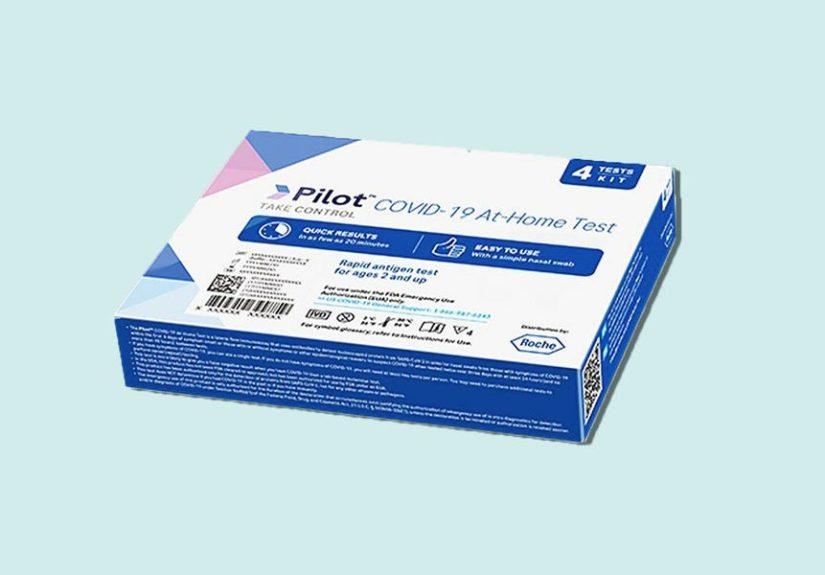
If your medicine cabinet still looks like a tiny pandemic museum, this article is for you. The FDA recall tied to Pilot COVID-19 At-Home Tests (made by SD Biosensor and distributed by Roche Diagnostics) created a lot of confusion because headlines focused on “hundreds of thousands” of kits, while FDA recall records later showed a much larger number in U.S. commerce. Add a long list of lot numbers and a bacteria contamination warning, and suddenly a simple home test turned into a scavenger hunt.
This guide breaks it all down in plain English: what happened, why the FDA treated it seriously, how to check whether your kit was affected, what to do if you have one, and the full list of affected Pilot test lot numbers. Think of this as your no-panic, no-jargon, lot-number-checking survival guide.
What Was Recalled, Exactly?
The recall involved certain lots of the Pilot COVID-19 At-Home Test, an over-the-counter rapid antigen test. The issue was not “all Pilot tests ever made,” but specific lot codes tied to kits whose liquid buffer solution may have been contaminated with bacteria.
The FDA warned consumers and healthcare providers to stop using and throw out affected kits. The concern was two-fold:
- Safety risk: direct contact with contaminated liquid could cause illness, especially in immunocompromised people.
- Performance risk: contamination could interfere with test performance and lead to false results.
In other words, this was not just a “packaging typo” recall. It was a recall that could affect both health safety and test accuracya bad combo for something people rely on to make quick decisions about work, travel, and family visits.
Why the FDA Classified It as a Class I Recall
The FDA identified this as a Class I recall, which is the agency’s most serious recall category. That does not mean every user was harmed, but it does mean the FDA believed use of the affected device could cause serious adverse health consequences.
The bacteria cited in FDA materials included species such as Enterococcus, Enterobacter, Klebsiella, and Serratia. These organisms can be especially concerning if the liquid solution spills, is mishandled, or comes into contact with the eyes, mouth, or broken skin.
At the time of the recall notices, FDA-related recall pages also indicated that no injuries, deaths, or adverse events had been reported by the manufacturer. That’s the ideal outcome in a recall: serious risk identified, public warning issued, harm avoided. Basically, the recall did what recalls are supposed to dointerrupt a problem before it becomes a bigger problem.
Full List of Pilot Home Test Kits Affected (Lot Numbers)
Important: The Pilot recall was identified by lot number, not by the product name alone. Check the outer box packaging and compare your lot code to the list below.
The list below reflects the affected lot codes associated with the Pilot COVID-19 At-Home Test recall (44 lot numbers).
| Lot Code | Lot Code | Lot Code | Lot Code |
|---|---|---|---|
| 53K38N1T1 | 53K38N2T1 | 53K38N3T1 | 53K38N4T1 |
| 53K38N5T1 | 53K38P1T1 | 53K38P2T1 | 53K38P3T1 |
| 53K41T5T1 | 53K41X1T1 | 53K41X2T1 | 53K41X3T1 |
| 53K4211T1 | 53K4212T1 | 53K4213T1 | 53K4221T1 |
| 53K4222T1 | 53K4223T1 | 53K4224T1 | 53K4225T1 |
| 53K4231T1 | 53K4232T1 | 53K4233T1 | 53K4261T1 |
| 53K4262T1 | 53K4271T1 | 53K4272T1 | 53K4273T1 |
| 53K4274T1 | 53K4291T1 | 53K4292T1 | 53K42A1T1 |
| 53K42A2T1 | 53K42A3T1 | 53K42E1T1 | 53K42G1T1 |
| 53K42G2T1 | 53K42H1T1 | 53K42H2T1 | 53K42L1T1 |
| 53K42L2T1 | 53K4361AC | 53K4362AC | 53K4392AC |
How to Check If Your Pilot Home Test Is Part of the Recall
1) Find the lot number on the outer box
The lot number is typically printed near the barcode or manufacturing details on the packaging. Don’t rely on the product name alone. Many unaffected Pilot kits existed, so the lot code is the deciding factor.
2) Match the code exactly
Lot codes are a mix of letters and numbers, so double-check every character. One swapped character can make you think your kit is fine when it isn’t (or vice versa). This is not the time for “close enough.”
3) If it matches, do not use the kit
If your lot number appears in the list above, the FDA’s direction was clear: do not use the test. Discard the entire kit.
What To Do If You Have an Affected Pilot Test Kit
- Do not use it.
- Throw out the entire test kit in household trash.
- Do not pour the liquid solution down the drain.
- If the liquid contacts skin or eyes, flush with plenty of water.
- Seek medical attention if irritation persists or if symptoms develop.
If you already used one of the affected kits and you’re worried about the result, FDA guidance advised speaking with a healthcare provider. For clinicians and testing organizers, FDA also noted that retesting may be considered in certain situations, especially if testing occurred recently and there is concern about an inaccurate result.
Symptoms and Risks To Watch For
The FDA advised consumers to watch for signs of possible infection after exposure to the contaminated liquid solution, including:
- Fever
- Discharge
- Red eyes (including possible conjunctivitis-like irritation)
- Other concerning symptoms after handling the kit liquid
Most people were never exposed to the liquid in a way that caused problems. Still, the concern was serious enough that the FDA warned against use because accidental spills or direct contact can happen during normal home testingespecially when someone is tired, rushing, testing a child, or multitasking in a kitchen that already has too much going on.
Why You May Have Seen Different Numbers in News Coverage
This is one reason the Pilot recall confused people. Early FDA safety communications and media reports often highlighted retail distribution numbersroughly 500,000 tests to CVS Health and around 16,000 to Amazon. That is the “more than half a million” figure many headlines used.
Later, the FDA’s Class I recall pages and recall database listed a much larger figure for devices recalled in U.S. commerce (more than 2.7 million kits). This broader number reflects the full scope of recalled devices in commerce, not just the subset emphasized in early consumer-facing coverage.
Another important clarification from FDA communications: impacted lots were not distributed through COVID.gov/tests or other federal free at-home testing programs. So if someone got a test through that specific federal free-home-test channel, the recall notices said those tests were not part of this recall.
How To Test Safely Going Forward (Without Becoming a Recall Detective Again)
The Pilot recall was a reminder that “at-home” does not mean “no rules.” To get the safest and most reliable result from any home COVID-19 test:
Use FDA-authorized tests
The FDA maintains an updated list of authorized at-home OTC COVID-19 diagnostic tests. Buying from reputable retailers and checking the FDA’s current information helps reduce the risk of counterfeit, unauthorized, or recalled products.
Follow the instructions exactly
Home tests are simple, but they are still medical devices. Skipping steps, using damaged components, or ignoring timing windows can produce bad results even with a perfectly good kit.
Repeat test after a negative result (when appropriate)
FDA and CDC guidance emphasizes repeat testing after a negative antigen result because a single negative test does not always rule out infection. In general, repeat testing is recommended 48 hours apart, with the number of repeat tests depending on whether you have symptoms.
Check expiration and storage conditions
Even unaffected tests can be unreliable if expired (unless shelf life was officially extended) or stored improperly in heat/freezing conditions. A test that sat in a hot car all summer is not exactly living its best diagnostic life.
Experience-Based Insights: What People Actually Went Through During the Pilot Recall (500+ Words)
One of the most relatable parts of the Pilot COVID-19 test FDA recall was how ordinary the discovery process felt. Most people did not wake up thinking, “Today I shall audit lot numbers.” They found out because they saw a headline, got a store notice, or heard someone mention it in a group chat. Then came the classic home-health moment: opening a drawer and staring at three half-forgotten boxes while trying to read tiny print under bad lighting.
A common experience was confusion over the product name versus the lot number. Some consumers assumed that if they had a Pilot-branded test, it was automatically recalled. Others assumed the oppositethat if the box looked normal, it must be safe. In reality, the recall depended on the lot code. That created a mini learning curve, especially for households that had multiple boxes purchased at different times from different places. It wasn’t unusual for one box to be unaffected and another to be on the recall list.
Another experience people reported in media coverage and consumer discussions was uncertainty about what “throw it away” actually meant. Normally, when people hear “test kit,” they think the concern is accuracy only. In this recall, the FDA also raised concerns about possible bacterial contamination in the liquid buffer. That changed behavior. Instead of simply deciding not to use the test and moving on, consumers were told to dispose of the whole kit and not pour the liquid down the drain. That extra step made the recall feel more serious and more personalthis wasn’t just about a false reading; it was about handling a potentially contaminated component.
Families with kids had a different layer of stress. Parents who keep home tests for school symptoms or last-minute exposure checks often rely on whatever is in the cabinet when a child wakes up with a sore throat. The recall forced some households to replace their “backup plan” fast. In practical terms, that meant a late-night pharmacy run, price comparisons online, or using another authorized brand already on hand. The lesson many people took from that moment was simple: keeping one brand only is convenientuntil it isn’t.
People who had recently used a recalled lot also described a specific kind of anxiety: “Was my result wrong?” That question is emotionally exhausting because it can affect decisions that were already madereturning to work, visiting relatives, or skipping a trip. The FDA’s advice to consult a healthcare provider and consider retesting when appropriate helped, but it still left consumers dealing with timing, symptom changes, and all the real-life logistics that come with uncertainty.
Healthcare workers and caregivers had their own version of the experience. For them, the recall reinforced an old truth: even common home-use products require quality-control vigilance. Many already knew to check expiration dates, but recalls added another checkpoint. In clinics, schools, and caregiving settings, some teams began paying closer attention to lot tracking and storage practices after the recall headlines. It was one more administrative task, yesbut one that could prevent bigger problems later.
The biggest takeaway from the Pilot recall experience was not “never trust home tests.” It was the opposite: home tests are useful tools, and recalls are part of the system designed to keep them safer. When manufacturers, regulators, retailers, and consumers all respond quickly, the process can look messy in the momentbut it is still working. Not glamorous. Not fun. Definitely not how anyone wanted to spend a Tuesday. But working.
Final Takeaway
The COVID-19 Test FDA recall for Pilot home test kits did not affect every Pilot test, but it did affect a clearly defined list of lots tied to bacterial contamination concerns in the liquid buffer solution. If you still have older COVID-19 tests at home, it is worth taking a minute to check lot numbers, expiration dates, and FDA authorization status before use.
The good news: the recall information is detailed, the affected lots are identifiable, and the steps are straightforward. Check the lot code, stop use if it matches, discard the kit safely, and use another FDA-authorized test if you need to test. A little label-reading now can save a lot of stress later.