Table of Contents >> Show >> Hide
- What “Nationwide Recall” Actually Means (and Why It Happens Fast)
- Why Listeria Is the Worst Houseguest (It Doesn’t Leave When It’s Cold)
- Who’s Most at Risk (and Why Advice Sounds Stricter for Them)
- Symptoms and Timing: Why Listeria Can Be So Sneaky
- If Deli Meat Is Recalled: What To Do Right Now
- Can You “Fix” Deli Meat by Heating It?
- What Delis and Restaurants Should Do (Because the Slicer Matters)
- Why Nationwide Recalls Are a Good (If Inconvenient) Sign
- How to Keep Eating Sandwiches Without Losing Your Mind
- Conclusion: Treat Recalls Like a Drill, Not a Disaster
- Experiences Related to a Nationwide Deli Meat Recall (Real-Life Snapshots)
Nothing ruins a perfectly good sandwich faster than realizing the “extra pickles” you requested weren’t the only thing
that came with it. When deli meat gets recalled nationwide because of a Listeria outbreak, it’s not just a
headlineit’s a full-on “check your fridge, text your parents, and maybe skip the cold cuts today” moment.
This guide breaks down what a nationwide deli meat recall really means, why Listeria is uniquely good at causing
trouble in refrigerated foods, what symptoms to watch for, and how to protect your household (and your favorite deli counter)
without spiraling into a life of dry peanut-butter toast.
What “Nationwide Recall” Actually Means (and Why It Happens Fast)
A nationwide recall usually means the product wasn’t limited to one small regionit was shipped broadly to stores, delis,
restaurants, or distributors across multiple states. In the U.S., recalls tied to meat and poultry products are commonly
announced through USDA’s Food Safety and Inspection Service (FSIS), while many other foods fall under FDA oversight.
The “why now?” part often comes down to modern detective work. Public health investigators use lab tools like whole genome
sequencing (WGS) to match bacteria from sick patients to bacteria found in a food or a facility environment. When those genetic
fingerprints line up, investigators and companies move quicklybecause ready-to-eat foods (like deli meat) are often eaten
without cooking, leaving no “last chance” kill step.
A Real-World Example: The Outbreak Linked to Meats Sliced at Delis
One widely reported U.S. outbreak investigation involved meats sliced at deli counters. The investigation began in mid-2024,
led to recall actions, and was later marked closed after substantial illness and hospitalization totals were reported. The lesson
from events like this is consistent: deli slicing environments can become contamination hotspots if equipment sanitation slips
or bacteria finds a hard-to-clean hiding place.
Quick Timeline Snapshot (How a Recall Snowballs)
- Early illnesses appear across states; labs detect the same strain.
- Investigators connect the dots via interviews (what people ate) and lab matching.
- Initial recall announced (often a specific product/lot/date range).
- Recall expands when more products share the same production line, facility, or risk factors.
- Public health guidance continues even after the outbreak is marked “closed.”
Why Listeria Is the Worst Houseguest (It Doesn’t Leave When It’s Cold)
Listeria monocytogenes is a bacteria that can cause listeriosis, and it has a nasty superpower:
it can grow in cold temperatures. That means your refrigeratornormally a food-safety herocan become a bacteria’s
cozy studio apartment if contaminated ready-to-eat foods sit around long enough.
Deli meat is especially vulnerable because it’s often:
- Ready-to-eat (no cooking step before eating).
- Handled frequently (sliced, weighed, bagged, re-opened).
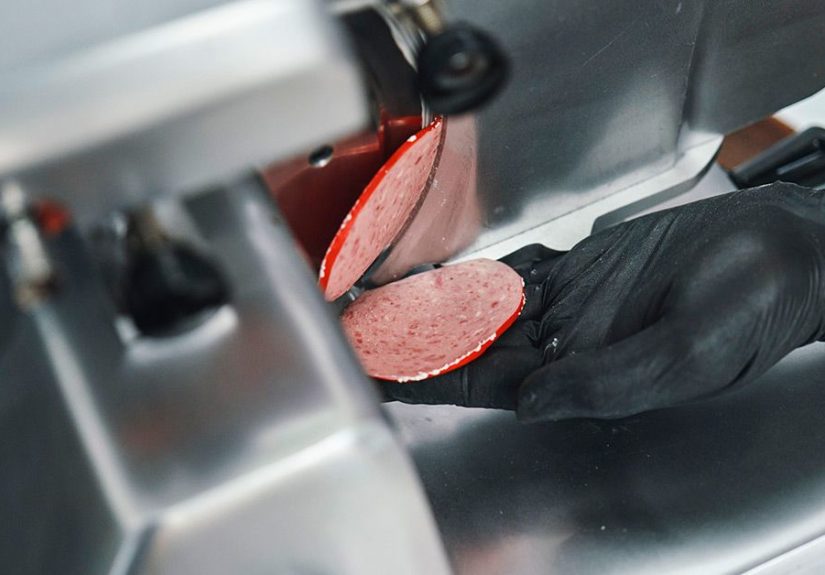
- Exposed to equipment niches (slicers have seams, guards, and tight spots where residue can build up).
If Listeria establishes itself on a deli slicer or in a deli case environment, it can spread from surface to surface, food to food,
turning “just one contaminated item” into a bigger problem through cross-contamination.
Who’s Most at Risk (and Why Advice Sounds Stricter for Them)
Listeriosis is rare, but it can be severeespecially for people whose bodies have a harder time stopping bacteria from spreading
beyond the gut. Public health guidance repeatedly emphasizes higher-risk groups, including:
1) Pregnant people
Pregnancy changes the immune system. A pregnant person may feel mildly sickor not very sick at allwhile the infection still
poses serious risks to the pregnancy or newborn.
2) Adults ages 65+
As immune defenses naturally weaken with age, Listeria is more likely to cause invasive disease requiring hospitalization.
3) People with weakened immune systems
This includes individuals undergoing certain cancer treatments, transplant patients, and people with conditions that reduce immune
response. For them, “mild food poisoning” can become something far more dangerous.
Symptoms and Timing: Why Listeria Can Be So Sneaky
Listeriosis can look like a flu-like illness, a stomach bug, orif invasivesomething much more serious. Symptoms may include:
Common symptoms
- Fever and chills
- Muscle aches and fatigue
- Nausea, vomiting, or diarrhea
- Headache
Serious (invasive) symptoms
- Stiff neck
- Confusion
- Loss of balance
- Seizures/convulsions
The tricky part: symptoms may start quicklyor show up much later. That delayed timing is one reason outbreak investigations can
take time, and why public health agencies urge higher-risk people to be especially careful with deli meat unless it’s heated.
If Deli Meat Is Recalled: What To Do Right Now
When you hear “deli meat recalled nationwide,” the best move is a calm, practical checklist. No panic. Just fridge facts.
Step 1: Identify whether you have the recalled product
- Check brand and product name (including any “store-sliced” labeling).
- Look for sell-by dates and lot information if available.
- If it was sliced at a deli, check any label sticker your store printed (it may include product name and date).
- If you’re unsure, contact the store’s deli counter and ask what products were affected.
Step 2: Don’t eat itdispose of it safely or return it
For recalled meat, the recommendation is typically simple: do not consume. Bag it to prevent drips, toss it, and
take out the trash promptly. If returns are offered, follow store instructions.
Step 3: Clean your refrigerator and food-contact surfaces
Listeria can grow at refrigerator temperatures, so cleaning isn’t just bonus pointsit’s part of risk reduction.
Quick cleaning routine (home kitchen edition)
- Remove shelves/drawers that may have touched the product or packaging.
- Wash with hot, soapy water. Rinse.
- Sanitize surfaces (follow label instructions for any sanitizer you use).
- Wash hands for at least 20 seconds after handling the product and after cleaning.
- Clean and sanitize cutting boards, utensils, and countertops that may have been exposed.
Step 4: Monitor for symptomsespecially if you’re high-risk
If someone in your household is pregnant, older, or immunocompromised and they ate the product, it’s smart to watch for symptoms
and contact a healthcare professional if concerns ariseespecially if fever or flu-like symptoms develop.
Can You “Fix” Deli Meat by Heating It?
Heating deli meat can reduce risk because high temperatures kill bacteria. Public health guidance for higher-risk people commonly
recommends reheating deli meats to 165°F or until steaming hot before eating.
But here’s the key distinction:
- Recalled deli meat: The safest move is to not eat it at alldiscard or return it as advised.
- Non-recalled deli meat (general prevention): Heating can be a risk-reduction strategy, especially for higher-risk groups.
What Delis and Restaurants Should Do (Because the Slicer Matters)
In outbreak investigations tied to deli-sliced meats, attention often turns to equipment sanitation. Commercial slicers have
seams, gaskets, and hard-to-clean areas where residue and moisture can accumulate. If seals degrade, bacteria can persist in places
routine wipe-downs don’t reach.
Best-practice themes you’ll see in official guidance
- Frequent full cleaning and sanitizing (not just wiping visible debris).
- Disassembly so hidden food-contact areas get cleaned.
- Monitoring seals, gaskets, and worn partsand removing equipment from service if damaged.
- Strict time and temperature control for ready-to-eat products.
- Reducing cross-contamination through workflow, glove changes, and clean utensil practices.
For deli teams, the goal is to prevent Listeria from becoming a “regular.” The bacteria’s ability to persist makes sanitation schedules,
staff training, and equipment maintenance non-negotiable.
Why Nationwide Recalls Are a Good (If Inconvenient) Sign
Recalls feel scary because they interrupt routinesschool lunches, quick work meals, party platters. But a recall also means the
safety system is doing its job: detecting a risk, warning the public, and limiting further harm.
The best way to think about it is like a smoke alarm. You don’t get mad at the beeping; you get moving. The faster action happens,
the fewer people get sick.
How to Keep Eating Sandwiches Without Losing Your Mind
You don’t have to break up with deli meat forever. You just need a smarter relationshipone with boundaries, good communication,
and a thermometer.
Smart habits that lower risk
- Know your household’s risk level: If someone is pregnant, older, or immunocompromised, follow stricter deli-meat guidance.
- Heat when appropriate: For higher-risk people, reheat deli meats to 165°F/steaming hot before eating.
- Keep the fridge cold: Aim for 40°F (4°C) or below; don’t let deli meat linger for long periods.
- Buy smaller amounts more often: Less time sitting in the fridge means fewer chances for growth.
- Separate and contain: Store deli meat in sealed containers so it can’t drip onto other foods.
- Stay recall-aware: Check official recall notices periodicallyespecially if you buy deli meats regularly.
Conclusion: Treat Recalls Like a Drill, Not a Disaster
A nationwide deli meat recall due to a Listeria outbreak is seriousbut it’s also manageable. The practical playbook is
straightforward: confirm whether you have the recalled product, don’t eat it, clean thoroughly, and pay attention to symptoms if
you’re in a higher-risk group.
And if you’re thinking, “But I just wanted a sandwich,” you’re not alone. The good news is that most food safety steps are simple
habitsplus the occasional dramatic fridge clean that makes you discover condiments from ancient civilizations.
Experiences Related to a Nationwide Deli Meat Recall (Real-Life Snapshots)
When a deli meat recall hits nationwide, it doesn’t feel like an abstract public health announcementit feels like a bunch of small
daily routines suddenly getting edited. Here are a few common experiences people report during recall events, and what they reveal
about how these situations actually play out.
1) The “Lunch-Box Audit” at Home
A lot of households experience the same mini-drama: someone opens the fridge, sees the recall alert on their phone, and starts
pulling out packages like they’re defusing a tiny culinary bomb. The first surprise is how often deli meat is “not obvious.”
Maybe it was sliced at the store and placed in a plain plastic bag. Maybe it’s half-used turkey tucked behind a jar of pickles.
People often realize they don’t remember the brandor they only remember “the one with the yellow label.”
The most helpful moment in that chaos is when someone switches from guessing to verifying: checking the deli sticker, sell-by date,
and calling the store if needed. Many families end up tossing more than they expected, not because everything is recalled, but
because uncertainty feels risky when Listeria is involved. It’s inconvenient, but it’s also a common “better safe than sorry” choice.
2) The Deli Manager’s Long Night (a.k.a. “We’re Taking the Slicer Apart”)
For deli staff, recall days can be brutally practical. Products have to be pulled quickly, customers ask questions nonstop, and then
comes the unglamorous part: deep cleaning. Anyone who’s worked food service knows the difference between “wipe it down” and
“take it apart.” During recall-related sanitation pushes, teams may fully disassemble slicers and scrub the hard-to-reach areas
ring guards, blade guards, seams, and handlesbecause those are exactly the places bacteria can hide when seals degrade or residue
builds up.
The experience is often part frustration, part pride. Frustration because it’s labor-intensive and disruptive; pride because doing it
right protects customers. Many workers say a recall becomes a reset buttonan event that forces everyone to follow the cleaning
checklist perfectly, not “mostly.”
3) The High-Risk Shopper Who Changes Habits Overnight
People who are pregnant, older, or immunocompromised often describe recalls as a sharp reminder that their food rules are
different. Someone who’s been eating cold deli sandwiches for years may suddenly switch to heating deli meat until it’s steaming
hot, choosing alternatives like freshly cooked chicken, or buying smaller amounts and using them quickly. The emotional part is
real: it can feel unfair to “lose” an easy foodespecially during pregnancy cravings or when energy is low.
But there’s also relief in having a clear plan: avoid recalled products, heat when advised, and ask questions at the deli counter.
Many people say the hardest part isn’t the new habitit’s remembering that the habit matters even after the news cycle ends.
4) The “I Feel Fine… Should I Worry?” Conversation
Listeria’s delayed symptom timing creates a common experience: people feel okay today but worry about what “could” happen later.
Friends and family often text each other: “Did you eat the deli meat at that party?” People who are generally healthy may choose
to monitor and move on, while higher-risk individuals tend to call a healthcare provider sooner for guidance. The shared lesson is
that uncertainty is stressfulso better labeling, better recall communication, and better consumer habits (like saving deli stickers)
actually reduce anxiety, not just illness.
5) The Public Health Worker’s Reality Check
Public health messaging during recalls is often direct because it has to be: don’t eat recalled meats; clean surfaces; high-risk
groups should be extra cautious. Behind the scenes, workers know that every clear instruction matters. A simple sentence like
“clean your refrigerator” can prevent cross-contamination at home. A reminder that Listeria can grow in the fridge helps explain why
tossing the product is not enough. Many public health teams also field the same questions repeatedly“Is it safe if I heat it?”
“What if I ate it last week?”and they try to balance urgency with calm.
If there’s one shared experience across all these stories, it’s this: a recall is disruptive, but it also creates a moment of
awareness. People re-learn where their food comes from, how it’s handled, and how to reduce risk without giving up convenience
entirely. That’s not just a reactionit’s a long-term upgrade.