Table of Contents >> Show >> Hide
- When “Respect” Turns Into Theater
- Why This Behavior Feels So Wrong
- Could This Cross a Legal Line?
- What an Employee Can Do in a Situation Like This
- What Competent Managers Do Instead
- The Bigger Lesson Behind This Story
- Conclusion
- Experiences Related To This Topic: What It Actually Feels Like On The Ground
- SEO Tags
Some bosses want respect. Some want results. And then there is the rare office peacock who apparently wants a personal standing ovation every time he crosses the threshold like he is entering a Roman senate chamber instead of a beige workplace with bad coffee and a printer that sounds haunted.
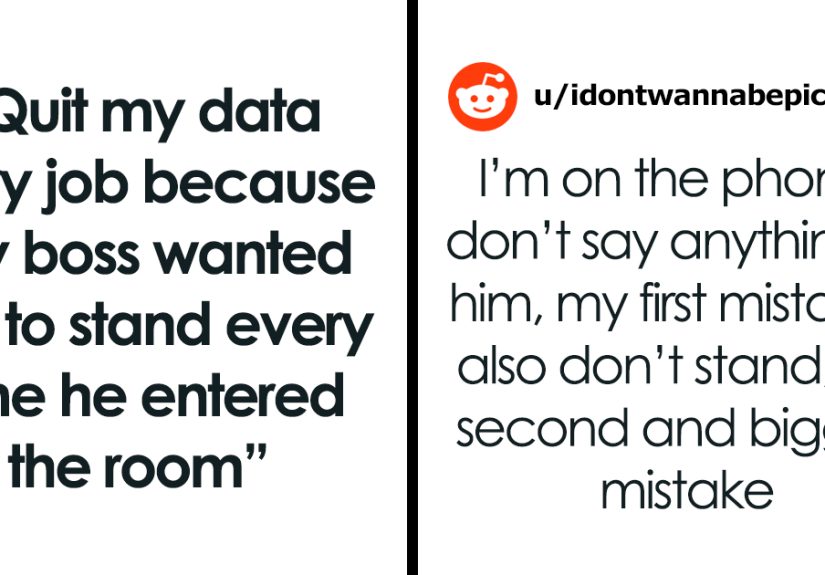
The scenario in “Delusional Boss Instructs His Female Employee To Stand Up Every Time He Enters The Room” hits a nerve because it feels both ridiculous and familiar. Ridiculous, because most modern workplaces do not run on ceremonial bows and knee-jerk reverence. Familiar, because many workersespecially womenhave experienced some version of this same power play: a manager who confuses authority with worship, professionalism with obedience, and leadership with starring in his own tiny monarchy.
At first glance, the demand sounds almost funny. Stand up every time I enter the room? What is this, a corporate reboot of court etiquette? But once the laugh wears off, the real problem becomes obvious. A rule like this is not about workflow, safety, productivity, or courtesy. It is about control. And when that control is directed at a female employee in a gendered, demeaning, or selective way, the situation can move from “wildly inappropriate” to “serious workplace problem” in a hurry.
When “Respect” Turns Into Theater
Healthy workplaces have norms. People greet each other. They show basic politeness. They listen when someone speaks. None of that is controversial. The problem begins when a boss invents a ritual that exists mainly to elevate himself and lower someone else.
That is the heart of this kind of behavior. The employee is no longer being treated like a professional peer within a reporting structure. She is being treated like an audience, a prop, or worse, a reminder to everyone else that the boss likes visible proof of his status. It is leadership as cosplay.
And the demand to physically stand is not neutral. Body language matters in workplaces. Standing can signal deference, submission, or forced attentiveness. When a manager requires that gesture on command, especially from one employee or one gender, he is not building respect. He is staging it.
Good managers do not need theatrical rituals to prove they are in charge. Their authority comes from judgment, consistency, fairness, and competence. Bad managers, on the other hand, often need accessories. Some use volume. Some use intimidation. Some use impossible deadlines. And some, apparently, use human pop-up greetings.
Why This Behavior Feels So Wrong
It is about power, not professionalism
There is a huge difference between professional courtesy and forced deference. A courteous office culture might encourage people to greet visitors, make eye contact, or pause a side conversation when someone enters. That is normal. Ordering an employee to stand for your arrival is something else entirely.
Rules in workplaces should have a legitimate business purpose. This one does not. It does not improve performance. It does not solve a problem. It simply reminds the employee that the boss wants her behavior to orbit his ego.
It lands differently when the employee is a woman
That gender detail matters. A boss who demands visible obedience from a female employee may be reinforcing old-school sexist assumptions: that women should be accommodating, pleasing, deferential, and careful not to bruise a powerful man’s feelings. Even when the manager does not say the quiet part out loud, the message can still come through loud and clear.
If he is not asking male employees to do the same thing, the demand looks even worse. Then it stops being a quirky leadership preference and starts looking like gendered treatment. And once a workplace pattern becomes gendered, it raises questions about bias, discrimination, and whether the employee is being singled out because of sex-based stereotypes.
Humiliation is not a management style
Many toxic workplace behaviors work because they sit in that miserable gray zone between “technically not a punch” and “obviously meant to make someone feel small.” Publicly visible rituals are especially effective for that. They create pressure without needing a screaming match. The employee is put in a no-win situation. Comply, and she feels belittled. Refuse, and she risks being labeled disrespectful, difficult, emotional, or “not a team player,” which is corporate code for “this person stopped playing along with nonsense.”
That kind of repeated humiliation can chip away at concentration, morale, confidence, and trust. People stop focusing on their work and start focusing on survival. That is bad for the target, bad for the team, and bad for any company that claims it wants adults at work instead of courtiers at court.
Could This Cross a Legal Line?
Sometimes people hear a story like this and ask, “But is it illegal?” That is a fair question, but also the wrong first filter. Plenty of workplace conduct can be destructive, unethical, and worthy of HR intervention before it cleanly fits a legal category.
Still, the legal side matters. In the United States, sex-based harassment and discrimination can violate federal law. Repeated conduct tied to sex, gender stereotypes, or demeaning treatment can contribute to a hostile work environment. If a female employee is being treated differently, singled out for deference, spoken to in gendered ways, or punished for objecting, the risk level rises.
Retaliation is another major issue. If the employee complains and then suddenly gets iced out, criticized more harshly, written up for flimsy reasons, denied opportunities, or pushed toward the exit, that can create a second problem on top of the first. In many workplace disputes, retaliation becomes the part that turns a bad situation into an even more legally dangerous one.
Workers also generally have rights to discuss workplace conditions with coworkers. So if an employee tells trusted colleagues, “This is happening to me and it feels wrong,” that conversation is not automatically disloyal or forbidden just because the boss would prefer silence and a standing ovation.
None of this means every rude, narcissistic manager automatically creates a winning legal case. Facts matter. Patterns matter. Documentation matters. But the idea that a boss can impose personal loyalty rituals without consequences is not how responsible workplaces are supposed to function.
What an Employee Can Do in a Situation Like This
1. Document the specifics
If a boss makes a demand like this, vague memories are not your friend. Write down dates, times, wording, witnesses, and what happened afterward. Keep notes factual and clean. “Boss entered at 9:06 a.m., told me I was expected to stand whenever he came in, and repeated the instruction in front of two coworkers” is far more useful than “He was being a power-hungry goblin again,” even if the second version is emotionally accurate.
2. Look for patterns
Is this only happening to one employee? Only to women? Only when other people can see it? Is the boss also making comments about attitude, femininity, loyalty, appearance, or respect? Individual incidents matter, but patterns tell the larger story.
3. Review the company’s reporting process
Most employers have a policy for reporting harassment, discrimination, or inappropriate conduct. Use the company’s structure when it is safe to do so, especially if the boss is not the final decision-maker. HR is not magic, and it is not always brave, but a written report creates a record the company cannot easily pretend never existed.
4. Keep communication calm and direct
When possible, frame the issue around professionalism. Something like, “I am happy to greet you and be respectful, but I am uncomfortable with being required to stand whenever you enter. That feels inappropriate and unrelated to my job,” is clear without being inflammatory. The goal is not to win an Oscar for office diplomacy. The goal is to create a credible record.
5. Prepare for retaliation without expecting it
Not every complaint leads to retaliation, but enough do that employees should think ahead. Save relevant emails. Keep copies of positive feedback. Track changes in treatment after the complaint. If the boss suddenly discovers “performance concerns” only after the employee objects, that timing matters.
6. Know when leaving is the smart move
There is no prize for enduring a degrading workplace forever. Sometimes the most strategic move is to report, document, protect yourself, and quietly plan an exit. Walking away from a manager who mistakes ego service for leadership is not weakness. It is good judgment wearing sensible shoes.
What Competent Managers Do Instead
Let us be radically old-fashioned for a moment and define leadership as something other than “make people visibly nervous when you enter a room.” Competent managers build trust. They make expectations clear. They correct behavior privately. They do not demand rituals that advertise their rank.
A strong leader wants employees who feel safe enough to speak honestly, solve problems, and disagree professionally. A weak leader wants employees who perform loyalty on cue. One builds an organization. The other builds a weird little stage set.
There is also a practical point here: the boss who insists on ceremonial respect often loses the real kind. Teams notice when a manager humiliates someone. They may stay quiet in the moment, but trust leaks out of the room. People withdraw. Good employees stop volunteering ideas. Others polish their résumés. Eventually the boss gets what he asked for: a room full of people who stand when he enters and mentally clock out the second he starts talking.
The Bigger Lesson Behind This Story
The reason this story spreads online is not just because it is outrageous. It spreads because workers recognize the pattern. Maybe their boss did not ask them to stand. Maybe he demanded public praise, monitored their facial expressions in meetings, expected women to be “warmer,” punished disagreement, or treated courtesy like tribute. Different script, same plot.
Toxic workplace culture often starts with small absurdities that employees are told to normalize. Laugh it off. Do not be sensitive. That is just how he is. He means well. He is old-school. He likes respect. But the more nonsense a team is forced to absorb, the more distorted the culture becomes. Soon everyone is spending energy managing the boss’s ego instead of doing the job they were hired to do.
That is why it is worth calling this behavior what it is: not quirky, not classy, not commanding, not “traditional,” and definitely not leadership. It is insecurity dressed up as authority.
Conclusion
“Delusional Boss Instructs His Female Employee To Stand Up Every Time He Enters The Room” is more than a jaw-dropping workplace anecdote. It is a case study in how power can become distorted when a manager mistakes obedience for respect and performance for culture. A demand like this is not harmless office drama. It can signal gender bias, humiliation, intimidation, and a workplace environment where one person’s ego matters more than another person’s dignity.
Employees deserve better than ritualized deference. They deserve clarity, fairness, and respect that goes both ways. And bosses who need a standing welcome every time they appear should probably spend less time rehearsing their entrance and more time learning how leadership actually works.
Experiences Related To This Topic: What It Actually Feels Like On The Ground
Ask enough workers about a boss like this, and the stories start sounding painfully similar. One person says her manager never asked her to stand, but expected her to stop typing, smile instantly, and greet him with exaggerated enthusiasm every single morning. If she failed to perform the ritual, he would ask whether she had “an attitude problem.” Another says her boss routinely interrupted meetings to demand that women on the team take notes, order lunch, or tidy the conference room, even when those jobs had nothing to do with their roles. A third remembers being called “sweetheart” in front of clients while her male peers were called by their titles.
That is what makes the standing demand so recognizable. It is rarely just one isolated weird instruction floating in space. It often sits inside a larger culture of subtle rank theater. The boss wants the best chair, the first greeting, the fastest response, the softest tone, the least resistance, and the most visible proof that everyone knows he matters. The employee, meanwhile, starts spending mental energy on strange calculations: Do I need to look up when he walks by? Should I sound cheerier? Will he punish me if I do not react quickly enough? Is this annoying, degrading, or both?
Over time, that kind of environment makes people second-guess themselves. Workers begin to ask whether they are overreacting when, in reality, their instincts are doing exactly what instincts are supposed to dowaving a giant red flag. People feel embarrassed describing the behavior out loud because it sounds so petty. But pettiness becomes powerful when it is attached to someone who controls evaluations, schedules, promotions, and access.
Many employees also describe the social fallout. Coworkers may see what is happening and still stay quiet because they are protecting their own jobs. Some become extra polite to the boss and accidentally reinforce the pattern. Others sympathize in private but disappear when it is time to speak up publicly. That can leave the targeted employee feeling isolated, as if she is carrying a ridiculous burden no one wants to name.
And then there is the exhaustion. Not dramatic movie-scene exhaustion. Quiet, daily, energy-draining exhaustion. The kind that comes from bracing for each interaction, replaying conversations on the commute home, and wondering how much of your actual job you could do if you were not wasting precious brain cells managing someone else’s insecurity. Workers in these situations often say the same thing after they leave: they had forgotten how calm a normal workplace can feel.
That may be the clearest lesson of all. Once you have experienced a boss who demands ritualized submission, ordinary professionalism starts to look downright luxurious. A manager who says hello like a normal person, gives feedback without humiliation, and does not expect human furniture to spring upright on cue suddenly seems less like a boss and more like a miracle. Which is funny, sad, and a pretty sharp indictment of how low toxic workplaces can set the bar.