Table of Contents >> Show >> Hide
- What a Deskless Classroom Really Means
- Why Design Thinking Belongs in Classroom Design
- How the Deskless Classroom Supports Better Learning
- What a High-Functioning Deskless Classroom Looks Like
- How Teachers Can Avoid Common Mistakes
- Design Thinking in Action: Classroom Examples
- Experiences From Real Classrooms Using Design Thinking and Deskless Learning
- Conclusion
Walk into a traditional classroom and you can usually predict the plot in three seconds: rows of desks, a clear “front,” and a silent agreement that learning mainly happens while sitting still. Now walk into a deskless classroom built through design thinking, and the vibe changes fast. Students may be huddled around a low table sketching ideas, standing at a whiteboard solving a problem, testing a prototype on the floor, or moving into a quiet corner to reflect. Suddenly, the room is not just where learning happens. The room becomes part of the lesson.
That shift is the heart of design thinking in education. It asks educators to start with empathy, define real problems, generate ideas, prototype solutions, and improve through testing. Applied to physical space, that process leads naturally to the deskless classroom or, more accurately, the intentionally flexible classroom. This is not a rebellion against furniture. It is a move away from one-size-fits-all learning. The goal is not to make students uncomfortable, chaotic, or suspiciously yoga-certified. The goal is to create a classroom layout that supports collaboration, movement, creativity, and student agency.
When schools combine design thinking with student-centered learning, desks stop being the default unit of instruction. Instead, the environment becomes responsive. Tables can move. Floor space can open up. Seating can change by task. Students can help shape how the room works. Teachers can redesign based on what they observe instead of clinging to a layout just because it came with the building.
What a Deskless Classroom Really Means
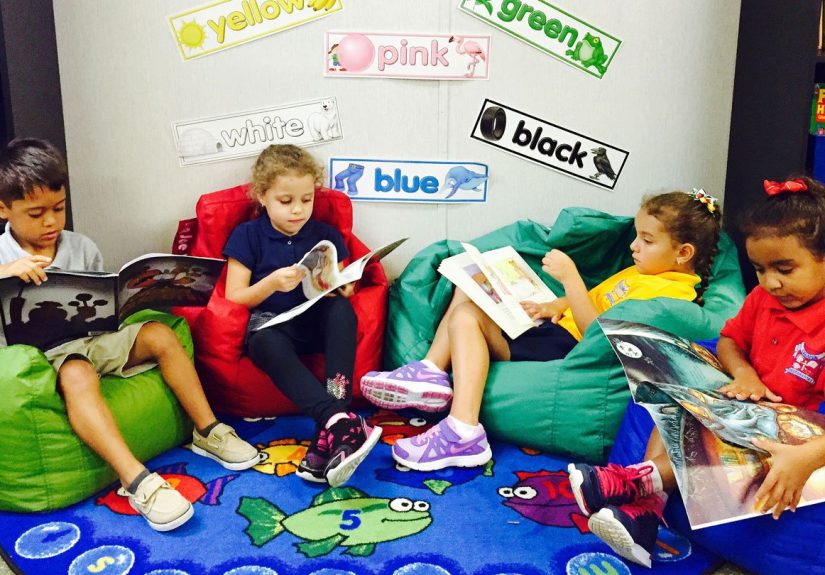
A deskless classroom does not always mean zero desks. In many schools, it means reducing fixed, individual desks and replacing them with a mix of flexible options: standing tables, floor tables, stools, soft seating, clipboards, writable surfaces, movable carts, rugs, and open collaboration zones. The point is flexibility with purpose. Students should be able to choose or shift their workspace based on the task, their needs, and the kind of thinking the lesson requires.
That matters because not every learning task asks for the same posture, the same energy, or the same social setup. Brainstorming needs movement and conversation. Close reading may require quiet and personal space. Prototyping needs materials, surfaces, and room to spread out. Peer feedback works better when students can quickly regroup without sounding like a forklift convention.
In a collaborative classroom design, space sends a message. Rows often suggest compliance, watching, and waiting. Flexible zones suggest participation, interaction, and problem solving. Students notice those signals immediately. If the room tells them, “Sit there and absorb,” they usually do exactly that. If the room says, “Try, test, build, revise, and talk,” their behavior begins to match the invitation.
Why Design Thinking Belongs in Classroom Design
Too many classroom makeovers begin with Pinterest and end with a shopping cart. Design thinking offers a smarter route. It treats classroom design as a problem-solving process, not a decorating project. That distinction matters. Cute beanbags alone do not create better learning any more than buying a whisk turns someone into a pastry chef.
Start With Empathy
Teachers who use design thinking begin by studying the people who use the room. Where do students get stuck? When do they collaborate well? Who needs movement to focus? Who needs low-stimulation areas? Which parts of the day create bottlenecks, noise, or disengagement? In many classrooms, the real issue is not “We need cooler furniture.” It is “Students cannot shift smoothly between independent work and group work,” or “The layout makes it hard for the teacher to confer,” or “Some students need sensory options, but the room offers exactly one way to exist.”
Define the Actual Problem
Once teachers observe patterns, they can define the real challenge. For example: “How might we create a learning space where students can move from mini-lesson to teamwork in under two minutes?” Or, “How might we design the room so students feel more ownership over problem solving?” These are far better questions than, “Should I buy wobble stools?” Furniture is a tool. The learning problem comes first.
Ideate, Prototype, Test
Here is where the magic gets practical. Instead of redesigning the entire room in one dramatic weekend and then hoping for a miracle by Monday morning, design-thinking educators prototype. They test a floor discussion zone for two weeks. They create one standing collaboration station. They let students use portable whiteboards during group work. They move storage closer to materials students use every day. Then they observe. What worked? What created friction? What made learning easier, louder, calmer, faster, or deeper?
This iterative approach is perfect for the active learning classroom because it mirrors how good teaching already works. Try. Reflect. Adjust. Repeat. In other words, classroom design should behave like a lesson plan with legs.
How the Deskless Classroom Supports Better Learning
The strongest argument for a deskless classroom is not novelty. It is alignment. Design thinking asks students to empathize, generate ideas, build, test, reflect, and revise. A rigid room can make those actions harder. A flexible room can make them normal.
1. It Increases Student Agency
When students can choose where and how they work, they practice self-awareness and responsibility. That does not mean “free-for-all energy drink festival.” It means guided choice. Students learn to ask, “Where will I do my best thinking for this task?” Over time, that simple question builds independence. In many classrooms, agency starts when the teacher asks students to design not only products, but also routines and spaces.
2. It Makes Collaboration Easier
Design thinking thrives on group problem solving. A deskless classroom allows students to cluster quickly, spread out materials, stand around a prototype, or rotate through feedback rounds without wasting time dragging furniture like they are moving out of an apartment. When furniture is light, mobile, or optional, collaboration becomes a default behavior instead of an ordeal.
3. It Encourages Movement and Attention
Many students focus better when they can shift positions, stand, lean, kneel, or work on the floor for part of the day. Strategic movement can reduce restlessness and support engagement. For younger learners especially, building, making, and discussing ideas often work better when the room allows physical flexibility rather than demanding statue-level stillness.
4. It Supports Inclusion
A flexible environment can better support learner variability. Some students need quiet corners. Some benefit from standing options. Some do better with visual tools close at hand. Some need collaborative energy, while others need a place to decompress before rejoining the group. A more adaptable room is often a more inclusive room because it acknowledges that one posture, one seat, and one workflow do not fit everybody.
5. It Makes Thinking Visible
In design-rich classrooms, walls, boards, surfaces, and movable tools help students externalize their thinking. They can sketch ideas, sort evidence, map empathy interviews, post drafts, and compare prototypes in progress. This matters because design thinking is not just about coming up with a clever answer. It is about making the process visible enough to improve it.
What a High-Functioning Deskless Classroom Looks Like
The best deskless classrooms are not empty rooms with inspirational posters and an identity crisis. They are deliberately zoned learning environments. Here are the elements that often make them work:
Whole-Group Zone
A clear gathering area for mini-lessons, shared discussion, demonstrations, and quick launches. This might be a rug, a semicircle of movable chairs, or an open floor area with good sightlines.
Collaboration Zone
A place for teams to brainstorm, sort materials, and build together. Movable tables, whiteboards, and nearby supplies are helpful. This is where ideas get noisy in a productive way.
Independent Work Zone
Students still need quiet, focused time. A deskless classroom should not accidentally become a permanent group project. Some learners need low-distraction spots, standing desks, or small nooks where they can work alone.
Maker or Prototype Zone
Design thinking gets real when students make something. Even a modest classroom can reserve a space for cardboard models, sticky notes, sketching tools, recycled materials, and test iterations.
Reflection and Display Area
Students need places to document process, post questions, and revisit criteria. Reflection walls, progress boards, and visible success criteria help tie the room back to learning goals.
Accessible Storage
If supplies are hidden in mysterious teacher kingdoms, students lose momentum. In a deskless classroom, materials should be reachable, labeled, and easy to return. The room should say, “Use the tools,” not, “Submit a formal request in triplicate.”
How Teachers Can Avoid Common Mistakes
A deskless classroom can be powerful, but only when routines are stronger than the furniture trend. The most common mistake is assuming the room will manage itself. It will not. A flexible environment needs explicit norms, modeling, and practice.
Teach Movement Routines
Students should know how to transition, where materials belong, how to choose workspaces, and when a seating choice is not working. Practice these routines early and revisit them often.
Match Space to Task
Not every lesson needs full movement and full choice. Sometimes students need quiet seats and direct instruction. A smart classroom design is responsive, not ideological. The teacher still steers the learning experience.
Co-Design With Students
One of the best uses of design thinking is to let students help redesign the room. Ask them what supports focus, what causes distraction, where collaboration breaks down, and what they wish existed. Their answers are often sharper than adult assumptions.
Measure More Than Aesthetics
Success should be judged by student engagement, quality of collaboration, independence, and learning outcomes. A beautiful room that produces confusion is still confusion, just with nicer lighting.
Design Thinking in Action: Classroom Examples
Imagine a fifth-grade class redesigning recess equipment storage. Students interview peers, identify access problems, sketch solutions, build small prototypes, and test them. In a traditional row-based room, they would keep stopping to clear space, move materials, and relocate for teamwork. In a deskless classroom, they can shift naturally from empathy interviews to brainstorming circles to prototype stations.
Or picture a middle school humanities class tackling a community issue such as lunchroom waste. Students gather observations, define the challenge, map user experiences, and develop campaigns or product ideas. They need space to talk, make, revise, and present. The room becomes a workshop, not a waiting room.
Even in early childhood settings, the principles hold up. Young learners thrive in environments where design challenges feel playful, hands-on, and social. Flexible spaces allow them to build, test, role-play, and revisit ideas. The physical environment becomes a partner in curiosity rather than a polite obstacle.
Experiences From Real Classrooms Using Design Thinking and Deskless Learning
One of the most consistent experiences educators describe when shifting toward a deskless classroom is that the biggest change is not the furniture. It is the classroom culture. Teachers often begin thinking they are redesigning a room, then discover they are really redesigning habits. Students who were used to waiting for instructions begin making decisions. Teachers who were used to controlling every transition begin watching students solve small logistical problems on their own. That can feel thrilling, awkward, and mildly terrifying all before second period.
Another common experience is that student engagement changes fastest when students are invited into the design process. When classes help test layouts, discuss distractions, and suggest better ways to use space, they tend to protect the routines they helped create. A student who helped propose a standing brainstorm station is far more likely to use it well than a student who feels the room was redesigned by mysterious adults over a long weekend with too many storage bins.
Teachers also report that collaboration becomes more natural when space no longer fights against it. In more flexible classrooms, students can gather quickly around a shared challenge, spread out drafts, and revise prototypes without constant permission-seeking. Feedback cycles become smoother because students can move to a wall, a rug, a floor table, or a presentation area without turning the class into a traffic jam. In short, the room stops arguing with the lesson.
There are also practical lessons learned the hard way. Some students initially choose the most social seat, not the most effective one. Some flexible seating options become distraction magnets. Some beautifully imagined zones are barely used because they are in the wrong place. That is where design thinking becomes especially useful. Teachers observe, gather student input, and revise. They swap a soft-seating area for a quieter reflection corner. They move materials closer to the maker zone. They create anchor charts that help students decide where to work based on the task rather than the fun factor alone.
Many educators describe improved teacher mobility as an underrated benefit. Without rows of bulky desks, teachers can circulate faster, check in with small groups more often, and confer with individual students more naturally. That increased movement changes classroom relationships. Instead of teaching mainly from one front-facing position, the teacher becomes a coach moving through the learning process in real time.
Perhaps the most meaningful experience reported across student-centered classrooms is that students begin to see learning as something they do, not something that is done to them. They ask better questions. They iterate more willingly. They recover from imperfect first drafts with less drama. In that sense, the deskless classroom is not really about removing desks. It is about removing the invisible message that school is mostly about sitting still, getting it right the first time, and waiting for directions. Design thinking replaces that message with a better one: notice people, test ideas, revise boldly, and build something better together.
Conclusion
Design Thinking and the Deskless Classroom is ultimately a story about alignment. If schools want students to collaborate, empathize, create, prototype, and solve meaningful problems, then the learning environment should support those behaviors. A classroom built for passive listening will always have a harder time producing active thinkers.
The most successful deskless classrooms are not trend-driven. They are purpose-driven. They begin with empathy, grow through experimentation, and improve through reflection. They make room for choice, movement, collaboration, and inclusion. Most of all, they treat classroom design as part of teaching, not separate from it.
So no, this is not about declaring war on desks. Desks are innocent. The real mission is bigger: to create flexible learning spaces where students can think with their hands, learn with each other, and build confidence through real problem solving. When design thinking guides the room, the classroom itself starts teaching.