Table of Contents >> Show >> Hide
- Why Some Trends Die Fast (Even If They Look Amazing on Instagram)
- 1) The All-White Kitchen That Looks Like It’s Afraid of Spaghetti Sauce
- 2) Cool Gray Everything (Floors, Walls, Cabinets, Even the Dog)
- 3) Barn Doors Everywhere (Including Places That Are Not Barns)
- 4) Shiplap Overload (When Every Wall Tries to Be Joanna Gaines)
- 5) Open Shelving That Turns Your Kitchen Into a Daily Styling Job
- 6) The Wide-Open, No-Walls Floor Plan (AKA “Why Can I Hear the Dishwasher From the Couch?”)
- 7) Industrial Kitchens That Feel Like a Trendy Restaurant Bathroom
- 8) Bouclé Everything (The Teddy Bear Chair Has Left the Building)
- 9) The Single, Random Accent Wall (One Wall Doing All the Emotional Labor)
- 10) Matching Furniture Sets That Make Your Living Room Look Like a Catalog Page
- 11) “Fast Furniture” and Disposable Decor Hauls
- 12) Kitchens Designed for a Checklist, Not a Lifestyle
- How to Make Trendy Choices Without Regretting Them
- Conclusion: The Real Goal Isn’t “Timeless”It’s Personal (And Livable)
- Real-World Experiences Homeowners Share About “Trendy” Design (The Part You Don’t See in the Reveal Photos)
Trends are fun. They’re like seasonal lattes for your living roomdelightful, a little dramatic, and occasionally responsible for regrets you’ll bring up at parties. The problem isn’t that trends exist. The problem is when a trend moves in, takes over your whole house, and starts acting like it pays rent.
Interior designers see this cycle up close: a look goes viral, gets copied at warp speed, becomes the default “safe” choice, and then suddenly feels… timestamped. The good news? You don’t have to fear every popular idea. You just need to spot which ones are more “moment” than “marriage.”
Below are the home trends designers say are unlikely to lastplus smarter, more timeless swaps that still feel current (and won’t make you sigh heavily when you open your camera roll in five years).
Why Some Trends Die Fast (Even If They Look Amazing on Instagram)
Designers don’t declare something “over” just because they’re bored. Trends tend to fade when they:
- Create daily friction (hard to clean, hard to live with, hard to maintain).
- Flatten personality (your home starts looking like a showroom, not a life).
- Rely on one signature gimmick (a single feature that screams a specific era).
- Spread too widely (every listing photo looks identical, so the look stops feeling special).
With that in mind, let’s talk about the usual suspects.
1) The All-White Kitchen That Looks Like It’s Afraid of Spaghetti Sauce
All-white kitchens had a long reign because they photograph beautifully and feel bright. But designers increasingly warn that when everything is whitecabinets, counters, backsplash, wallsit can read cold, flat, and oddly… anxious. (Like the kitchen is whispering, “Please don’t live in me.”)
Why it won’t last
- High-maintenance reality: scuffs, fingerprints, and tiny splatters become the main décor.
- Less depth: an all-white palette can lack contrast and character.
Do this instead
Keep brightness, add warmth: creamy off-whites, warm neutrals, natural wood tones, and a little contrast (a richer island color, mixed metals, or a statement light). The kitchen can still feel freshjust not sterile.
2) Cool Gray Everything (Floors, Walls, Cabinets, Even the Dog)
Gray was the ultimate “I can’t commit” neutral. But designers say the overuse of cool graysespecially gray flooringcan instantly date a home to the 2010s.
Why it won’t last
- It can feel chilly: cool undertones can fight warm woods, skin tones, and cozy lighting.
- Over-saturation: when everyone chooses the same neutral, it stops feeling timeless.
Do this instead
Shift toward warmer neutrals: taupe, greige (the warmer kind), clay, oatmeal, soft beiges, and earthy tones. If you love gray, choose a warmer, more complex shade and balance it with texturewood, linen, stone, and layered lighting.
3) Barn Doors Everywhere (Including Places That Are Not Barns)
The sliding barn door became the symbol of modern farmhouse. Designers aren’t saying sliding doors are badjust that the overly rustic, mass-produced “barn” version got overused fast.
Why it won’t last
- Privacy and sound: many barn doors don’t seal well, so they’re not ideal for bathrooms or bedrooms.
- Instant timestamp: it’s a signature detail tied to a specific trend era.
Do this instead
If you need a sliding door, pick a more classic style: a minimalist pocket door, a flat-panel slider, or a glass-and-metal option that fits your architecture. Make it feel intentionalnot like it arrived in a bundle with “Live Laugh Love.”
4) Shiplap Overload (When Every Wall Tries to Be Joanna Gaines)
Shiplap can be charming in the right home. But designers say the “shiplap everything” approach is already reading as a trend markerespecially in houses where it doesn’t match the bones.
Why it won’t last
- It becomes the whole personality: texture is great; texture on every surface is a lot.
- Mismatch risk: forcing farmhouse details into contemporary or traditional homes can look off.
Do this instead
Try subtler architectural texture: picture-frame molding, paneling, plaster finishes, beadboard in smaller doses, or a single thoughtfully placed accent with real craftsmanship.
5) Open Shelving That Turns Your Kitchen Into a Daily Styling Job
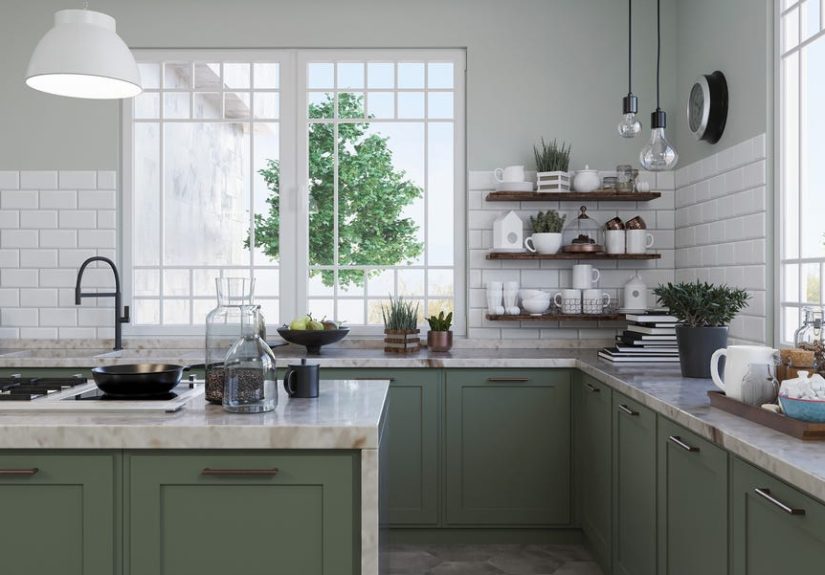
Open shelves look airy and curateduntil you realize your cereal boxes and mismatched mugs also exist. Designers love open shelving in moderation, but they warn that “replace all upper cabinets” is often a regret waiting to happen.
Why it won’t last
- Dust and grease: kitchens are not clean rooms.
- Visual clutter: unless you’re naturally tidy, shelves can look chaotic fast.
Do this instead
Use open shelving as an accent: one small section for everyday pretty items, and closed storage for the rest. Or choose glass-front cabinets for a lighter feel without putting everything on display.
6) The Wide-Open, No-Walls Floor Plan (AKA “Why Can I Hear the Dishwasher From the Couch?”)
Open concept isn’t disappearing overnightmany people still love it. But designers increasingly push for more defined zones and partial separation, especially as homes double as offices, classrooms, and quiet spaces.
Why it won’t last
- Noise travels: cooking sounds, TV, conversationseverything blends.
- Harder to cozy up: one giant room can feel cavernous and less inviting.
Do this instead
Create “soft walls” with built-ins, wide cased openings, interior glass partitions, ceiling treatments, or furniture layouts that establish clear zones. You can keep flow without making your whole first floor one giant echo chamber.
7) Industrial Kitchens That Feel Like a Trendy Restaurant Bathroom
Industrial style had its moment: black metal, concrete vibes, harsh pendants, open shelving, and edgy finishes. Designers are now leaning toward warmer, more livable kitchensless factory, more “people actually cook here.”
Why it won’t last
- It can feel cold: too many hard surfaces read as stark.
- Design fatigue: the look got copied so widely it lost uniqueness.
Do this instead
Keep the contrast, soften the edges: warm woods, textured tile, softer metals, and layered lighting. Even a modern kitchen benefits from a little warmth and imperfection.
8) Bouclé Everything (The Teddy Bear Chair Has Left the Building)
Bouclé can be beautiful and cozy. But designers note that when a fabric becomes a social-media uniformappearing on every chair, ottoman, headboard, and pillow in existenceit starts to feel like a dated shortcut.
Why it won’t last
- Trend-saturation: it’s become an instantly recognizable “this era” texture.
- Practical wear: in busy homes, some bouclé pieces can snag or show wear.
Do this instead
Use bouclé as one texture among many. Mix in linen, leather, velvet, performance fabrics, and woven materials. The room should feel layerednot like a teddy bear convention.
9) The Single, Random Accent Wall (One Wall Doing All the Emotional Labor)
Designers often say a lone “feature wall” can look disconnectedlike you changed your mind halfway through painting. The bigger shift is toward cohesion: either thoughtful, architectural emphasis (like paneling) or intentional color that wraps a space.
Why it won’t last
- It can look accidental: if it’s not tied to architecture, it reads like an afterthought.
- It can break flow: a single wall can feel unrelated to the rest of the room’s palette.
Do this instead
Try a more intentional approach: paint that highlights real architecture, wallpaper used strategically, or a tonal room that feels cohesive. If you want drama, let it be deliberate.
10) Matching Furniture Sets That Make Your Living Room Look Like a Catalog Page
Designers are big on “collected” roomsspaces built over time with pieces that have different shapes, materials, and stories. Matchy-matchy sets can look predictable and dated, even if they’re brand new.
Why it won’t last
- No personality: it’s efficient, but it rarely feels special.
- Hard to evolve: when everything matches, swapping one piece can feel awkward.
Do this instead
Mix silhouettes and finishes while keeping a consistent “thread” (color family, wood tone, or vibe). A room can be cohesive without being identical twins in matching outfits.
11) “Fast Furniture” and Disposable Decor Hauls
Designers increasingly criticize the cycle of buying trendy, low-quality pieces just to replace them in a year. It’s expensive in the long run, not great for sustainability, and it often results in homes that look like they’re constantly being reset for the next trend.
Why it won’t last
- Quality shows: flimsy materials age quickly and look tired fast.
- Trend whiplash: constant swapping makes a home feel unsettled.
Do this instead
Invest in the “anchors” (sofa, bed, dining table, rugs) and have fun with the “accessories” (pillows, art, paint, hardware). A good rule: spend big on the boring, go wild on the swappable.
12) Kitchens Designed for a Checklist, Not a Lifestyle
Some trends fade because they’re built around a supposed “perfect” standard rather than real routineslike layouts or upgrades people choose because they think they should, not because they’ll use them.
Why it won’t last
- Function wins: kitchens now need to serve multiple people and multiple activities.
- Regret factor: “dream upgrades” can become annoying if they don’t fit your habits.
Do this instead
Design for zones and daily life: coffee station, prep space, snack drawer, charging nook, pantry flow. The most future-proof kitchen isn’t the trendiestit’s the one that makes your mornings easier.
How to Make Trendy Choices Without Regretting Them
Designers don’t hate trends. They hate over-commitment. Here’s the balanced approach:
- Use trends in low-commitment layers: paint, pillows, art, lamps, hardware.
- Keep big-ticket items quieter: floors, cabinets, counters, built-ins.
- Pick “timeless bones” and “current styling”: classic foundation + fresh accessories.
- Choose what fits your home’s architecture: your house should lead the design, not your feed.
Conclusion: The Real Goal Isn’t “Timeless”It’s Personal (And Livable)
If you love something, you don’t have to break up with it just because the internet moved on. But if you’re renovating or redecorating today, designers suggest avoiding looks that rely on one loud signature detail, demand constant upkeep, or erase your home’s personality.
A home that lasts isn’t built from trends aloneit’s built from comfort, craftsmanship, and choices that make sense for the people living there. In other words: design like you plan to stay a while (even if you’re not totally sure). Your future self will thank you. Probably with better lighting and fewer gray floors.
Real-World Experiences Homeowners Share About “Trendy” Design (The Part You Don’t See in the Reveal Photos)
Designers can predict what won’t last because they hear the same stories again and againusually after the initial excitement wears off and real life starts doing what it does best: leaving fingerprints.
The open-shelving honeymoon. Many homeowners describe the first week with open shelves as magical: everything looks airy, styled, and vaguely French-café-adjacent. Then the practical questions arrive. Where do the mismatched kid cups go? What about the cereal boxes? Why is there a fine layer of kitchen dust on the “pretty plates”? People often end up adding baskets (smart), editing their dish collection (also smart), or quietly reintroducing upper cabinets later (very common). The biggest takeaway: open shelves can be gorgeous, but they behave best as a supporting character, not the star of the show.
The gray floor surprise. Homeowners frequently say they chose gray flooring because it felt neutral and modernuntil they decorated the room and realized everything looked a little colder than expected. Warm lighting helps, but gray floors can fight warm wood furniture, creamy whites, and earth-toned rugs. Some people pivot by adding warmer textures (wool, jute, oak, brass) and choosing wall colors with warmer undertones. Others discover the bigger lesson: “neutral” isn’t one color. Undertones matter.
All-white kitchens and the mystery smudge. Plenty of people still love their white kitchens, but the shared experience is this: white shows life. That might be fine! But if you have kids, pets, or you cook anything more complicated than toast, you may notice scuffs, grime near handles, and countertop marks faster. Homeowners who feel happiest long-term often say they kept white as a base but added a forgiving elementwood island, patterned backsplash, softer white paint, or hardware that doesn’t announce every fingerprint like it’s a breaking news alert.
The barn door reality check. Sliding barn doors are praised for saving space, but homeowners often mention the downsides once the novelty fades: sound travels, light leaks, and privacy is… optimistic. The door might be perfect for a pantry or laundry room, but less perfect for a primary bathroom when someone is trying to relax while also hearing every conversation in the hallway. People who still want that sliding function often end up loving pocket doors or more architectural sliders that feel tailored to the house.
When a trend becomes “the whole house.” Designers often describe a common regret: committing to a viral look in every room can make a home feel like a time capsule. Homeowners who feel best later usually say they learned to use trends like seasoning. A little makes the dish exciting. Too much and it’s all you taste. The most satisfying homes tend to be a blendsome classic pieces, some personal finds, and a few trend-forward touches that can change as your taste evolves.