Table of Contents >> Show >> Hide
- Why Quartz Knobs Look So High-End (Even When You DIY Them)
- Two Easy Ways to Make Quartz Drawer Knobs
- Choosing a Quartz Knob Shape That Actually Works
- How to Install Drawer Knobs So They Look Professional
- Design Ideas: Making Quartz Knobs Look “Custom,” Not “Craft Night”
- Common Mistakes (So You Can Avoid Learning the Hard Way)
- FAQ
- of Real-World DIY Experience (a.k.a. “Stuff I’d Tell a Friend Before They Start”)
- Conclusion
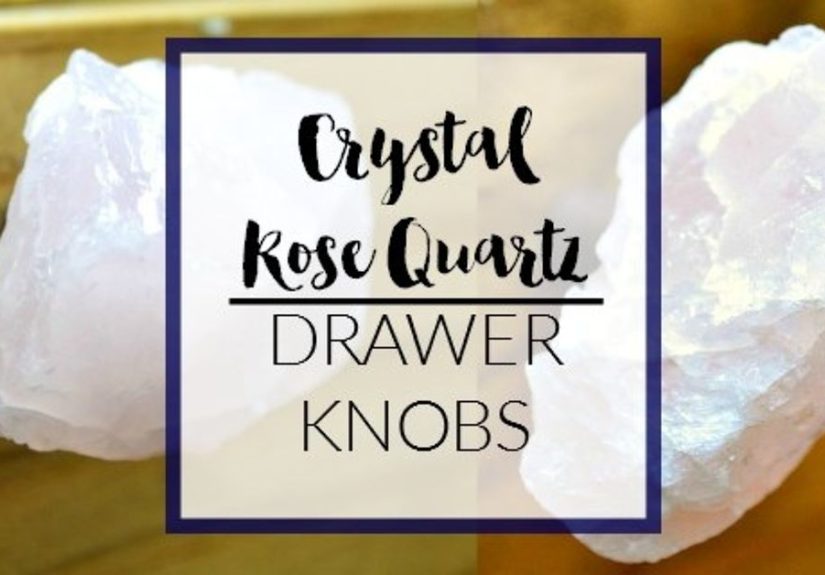
Want your dresser (or kitchen) to look like it just walked out of a fancy design magazinewithout paying “magazine budget” prices? Quartz drawer knobs are one of those tiny upgrades that make your furniture feel custom, expensive, and weirdly satisfying to touch (like a smooth river rock… but make it interior design).
The best part: you don’t need a full-blown stone shop to pull this off. With a few countertop samples, some basic hardware, and the right adhesive (plus a little patience so you don’t glue your fingers together), you can make durable, high-end-looking quartz cabinet knobs in an afternoon.
Why Quartz Knobs Look So High-End (Even When You DIY Them)
Quartz has that “quiet luxury” vibe: clean, glossy, and substantial. When you put quartz on a drawer front, the whole piece reads as intentionallike you planned it, not like you panic-ordered knobs at 11:52 p.m.
Where to get quartz pieces (cheaply and legally)
- Countertop sample tiles: Many showrooms and fabricators have sample squares or discontinued chips.
- Remnants: Ask a local stone shop for small offcuts (sometimes they’ll sell them for very little).
- Tile stores: Some carry engineered-stone or quartz-like tiles that work great for knobs.
- Online “sample” packs: Perfect if you want consistent thickness and color, and you don’t want to cut stone.
Two Easy Ways to Make Quartz Drawer Knobs
There are two beginner-friendly routes: (1) “No drilling” (bond hardware to the back with epoxy), or (2) “Drilled + threaded insert” (more robust, more tools). Choose based on your tools, patience level, and how aggressively your household yanks drawers open.
Method 1: No-Drill Quartz Knobs (Epoxy + Hardware Post)
This is the simplest method and the best place to start. You’re essentially turning a quartz piece into a knob by attaching a metal post to the back, then using a standard cabinet screw from the inside of the drawer.
What you’ll need
- Quartz pieces (sample squares, small rectangles, or rounded pieces)
- Cabinet knob screws (commonly 8-32 machine screws, sized to your drawer thickness)
- A “post” solution: a connector cap/barrel nut setup, a small knob base, or a short machine screw + washer stack
- Two-part epoxy rated for stone/ceramic + metal
- Painter’s tape, rubbing alcohol (or similar cleaner), sandpaper (80–120 grit), disposable mixing surface
- Optional: rice/beans in a bowl to cradle pieces while curing (seriously useful)
Step-by-step
- Pick the “front” and “back.” Choose the prettiest face as the front. Mark the center on the back with a small piece of tape.
- Prep for a strong bond. Lightly roughen the back where the hardware will sit (and roughen the metal surface too). Wipe both surfaces clean so epoxy bonds to the material, not to invisible dust.
- Build a flat contact point. Quartz is slick. Use a washer or a small knob base so the epoxy has more surface area to grip. More contact area = fewer future regrets.
- Mix epoxy carefully. Mix exactly as directed on the package. Apply enough to fully cover the contact area without letting it ooze out like a science fair volcano.
- Set the post in place and don’t touch it. Press firmly, align it to center, and then stop hovering. Place the knob face-down in a bowl of rice/beans so it stays stable while curing.
- Cure fully before installing. “Feels solid” is not the same as “fully cured.” Give it the full cure time listed on your epoxy packageespecially for heavy quartz.
Best for: Dressers, nightstands, sideboards, bathroom vanities, and “I want this done today” projects.
Method 2: Drilled Quartz Knobs (Diamond Bit + Threaded Insert)
If you want a knob that’s closer to “factory-made,” drilling the quartz and installing a threaded insert is the sturdier option. It’s also the option where you say, “Wow, I’m basically a contractor now,” and then immediately realize you are not.
What you’ll need
- Quartz pieces thick enough to drill (many samples work; very thin chips may not)
- Diamond drill bit or diamond hole saw sized for your insert
- Water for cooling (spray bottle, sponge, or a bit with a water-delivery guide)
- Clamps + scrap wood backing, painter’s tape
- Threaded insert (or a short sleeve/anchor designed for stone) + epoxy
- Safety gear: eye protection, gloves, and a mask (stone dust is not a hobby)
Step-by-step (with fewer broken hearts)
- Tape the spot. Put painter’s tape where you’ll drill to help reduce skittering and improve visibility. Mark the center.
- Support the quartz. Clamp it to a scrap board so it doesn’t flex. Stone hates flexing.
- Start slow, keep it cool. Use a low speed and gentle pressure. Add water frequently to cool the bit and reduce heat stress. Let the diamond do the work.
- Drill in short intervals. Pause to re-wet, clear slurry, and avoid overheating. Overheating is how stone cracksand how you learn new words.
- Set the insert with epoxy. Clean out the hole, dry it, and epoxy the insert in place. Let it cure fully.
Best for: High-traffic drawers, kitchens, and anyone who wants “strong enough to survive a toddler.”
Choosing a Quartz Knob Shape That Actually Works
Quartz is heavier than typical wood or acrylic knobs, so shape matters. You want something that feels good in the hand and doesn’t snag pockets (or your soul) as you walk by.
Easy shapes (no fancy cutting required)
- Small squares: Modern, simple, and great for minimalist cabinets.
- Rectangles: A “mini-pull” lookespecially nice on wide drawers.
- Rounded edges: Softer look and nicer for daily use (and less likely to bite your hip).
Comfort tip
If your quartz piece has sharp corners, lightly round the edges with sandpaper made for stone (or ask a fabricator for a quick polish). Your hands will thank you. Your thighs will also thank you.
How to Install Drawer Knobs So They Look Professional
Gorgeous knobs can still look “off” if they’re not aligned consistently. Hardware is one of those details where a tiny mistake becomes a permanent optical illusion. The fix is boring but effective: measure, mark, template, drill carefully.
Simple placement rules (that work in most homes)
- Single knob on a drawer: Usually centered horizontally and vertically (or slightly higher for a modern look).
- Wide drawers: Consider two knobs or pulls spaced evenly for balance and easier opening.
- Doors: Place knobs near the corner opposite the hinge for good leverage.
Template = less pain
A cabinet hardware template/jig helps keep hole spacing consistent across a whole dresser or kitchen. You can buy a template, use a store-bought installation guide, or make your own from cardboard or scrap wood. The goal is the same: every knob lands exactly where you intended.
Installation steps
- Mark a centerline. Use a ruler and pencil, then confirm with a second measurement.
- Use tape to protect the finish. Painter’s tape helps reduce chipping and makes marks easier to see.
- Drill straight. A small pilot hole can help, especially on hardwood drawer fronts.
- Test-fit before tightening. Make sure everything sits flat and aligned.
- Don’t over-tighten. Quartz is strong, but stress + pressure + crooked screw is a drama triangle.
Design Ideas: Making Quartz Knobs Look “Custom,” Not “Craft Night”
1) Add a metal base for contrast
Pair quartz with a simple brass, matte black, or brushed nickel base. The contrast reads intentional and helps the knob look like boutique hardware instead of a science project.
2) Match your quartz to the room
Use warm white quartz with brass for a classic look, crisp white with black for modern, or speckled patterns to disguise fingerprints (because drawers are basically fingerprint collection devices).
3) Go oversized (carefully)
A larger quartz square can look stunning on a dresser. Just remember: bigger means heavier. Use strong adhesive, maximize contact area on the back, and choose screws that fully engage without bottoming out.
Common Mistakes (So You Can Avoid Learning the Hard Way)
- Not prepping surfaces: Epoxy bonds best to clean, slightly roughened surfaces.
- Rushing cure time: Moving the knob too soon can weaken the bond.
- Using too little contact area: A tiny screw head glued to slick quartz is a recipe for disappointment.
- Drilling without cooling: Heat is not your friend when drilling stone. Keep the bit cool and go slow.
- Eyeballing placement: Eyeballing is how hardware becomes “quirky.” Templates are how it becomes “clean.”
FAQ
Will quartz knobs hold up on kitchen cabinets?
Yesif you build them thoughtfully. For high-traffic areas, the drilled + insert method is the most durable. If you use epoxy bonding, maximize surface area (washer/base) and let it fully cure.
Do I need special screws?
Most cabinet knobs use machine screws sized for cabinet hardware. What matters most is length: measure your drawer front thickness and choose a screw that tightens securely without poking through the knob.
Is drilling quartz dangerous?
It’s manageable if you use safety gear and control dust. Wet drilling reduces dust and heat, and slow drilling reduces cracking risk. If you’re nervous, start with the no-drill method.
of Real-World DIY Experience (a.k.a. “Stuff I’d Tell a Friend Before They Start”)
The first time I tried making quartz drawer knobs, I learned two things immediately: quartz is heavier than my optimism, and epoxy does not care about your weekend schedule. I started with sample tiles because they’re already cut, they’re consistent in thickness, and they make you feel like you’re “sourcing materials” instead of “hoarding freebies.” My plan was simple: glue hardware to the back, wait a bit, install, admire, repeat.
Here’s what actually happened: I mixed epoxy, attached a post, andbecause I am a human filled with curiosity and poor impulse controlpicked it up five minutes later to “check it.” The hardware shifted just enough to be off-center, which meant the knob installed slightly crooked, which meant my brain noticed it forever. The fix was easy (re-do it), but the lesson was bigger: once you set the hardware, stop touching it. If you need something to do while it cures, reorganize your junk drawer, alphabetize your spices, or stare into the middle distance like a person who respects cure times.
The rice/beans bowl trick became my best friend. Quartz pieces love to wobble, and epoxy loves to slide when it’s fresh. Nestling each knob face-down in a bowl created a stable cradle so the hardware stayed centered. It also freed me up to batch-produce: mix epoxy, set one knob, move to the next. Just don’t reuse the same “curing bowl” for dinner unless you enjoy explaining to your family why the rice tastes like industrial adhesive.
Another practical note: contact area is everything. The knobs I made with a wider base (like a washer or a small metal plate) felt dramatically stronger than the ones where I tried to glue a single screw head directly to the stone. Quartz is smooth and non-porous, so giving the epoxy a bigger footprint helps it resist twisting forceslike when someone yanks a sticky drawer open with the enthusiasm of a game-show contestant.
When I finally tested drilling (because confidence is a powerful and occasionally misleading feeling), the biggest game-changer was slowing down. I used painter’s tape to keep the bit from skating, supported the quartz on a scrap board, and kept everything cool with water. Drilling stone is less about strength and more about patience. If you push too hard, you don’t go fasteryou just increase the chance of cracking. Think of it like making pancakes: rushing doesn’t make them cook quicker; it just makes them sad.
The best “design” tip I can offer is to treat quartz knobs like jewelry. Pair them with a simple metal base or a clean screw finish, and suddenly they look intentionallike designer stone hardware instead of a craft experiment. And once you install them with consistent spacing (template, always), the whole piece levels up. It’s wild how a tiny change at your fingertips can make an old dresser feel brand new. You’ll open drawers just to admire your work. You’ll also accidentally become the kind of person who says, “Don’t mind me, I’m just updating my cabinet hardware,” which is both charming and mildly terrifying. Welcome.
Conclusion
DIY quartz drawer knobs are the sweet spot of home upgrades: affordable, stylish, and genuinely satisfying. Whether you go no-drill with epoxy or drill and add a threaded insert for extra durability, you’ll get that high-end stone hardware look without paying boutique prices. Measure carefully, prep surfaces properly, respect cure times, and you’ll end up with custom quartz cabinet knobs that look like they came straight from a designer showroom.