Table of Contents >> Show >> Hide
- Why a DIY Sunburst Mirror Works So Well
- Materials You Need
- How to Make a DIY Easy Sunburst Mirror
- Best Design Ideas for an Easy Sunburst Mirror
- Common Mistakes to Avoid
- Where to Hang a Sunburst Mirror
- How Much Does It Cost?
- Extra Tips for a More Professional Finish
- Experience: What Making a DIY Easy Sunburst Mirror Actually Feels Like
- Final Thoughts
If your wall is looking a little too “freshly moved in” and not nearly enough “I have fabulous taste and maybe a secret design budget,” a DIY easy sunburst mirror is the kind of project that fixes the mood fast. It is bright, sculptural, surprisingly forgiving, and dramatic in that classy way that says, “Yes, I do know what I’m doing,” even if you are holding a glue gun with the confidence level of a squirrel on roller skates.
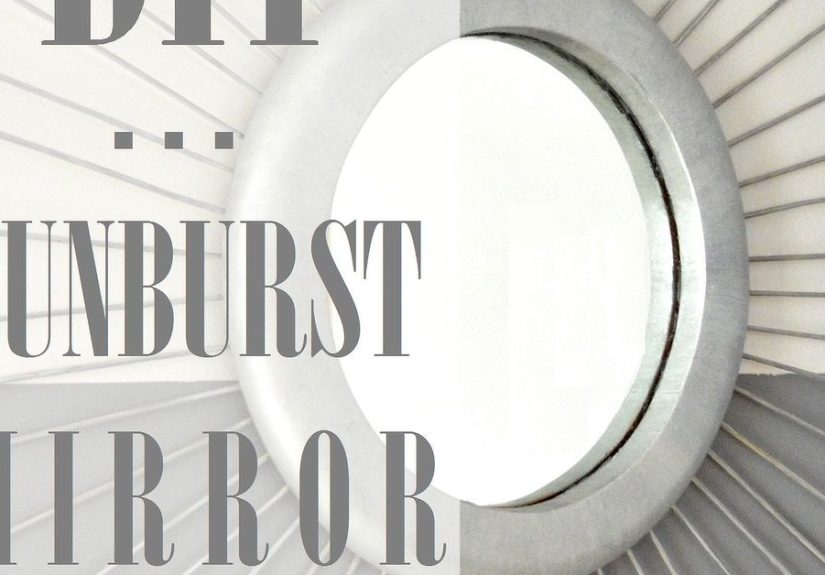
A sunburst mirror has been popular for years because it does two jobs at once: it acts like wall art and it reflects light, which makes a room feel bigger, brighter, and more finished. The best part is that you do not need a woodworking shop, a design degree, or an alarming amount of free time. With a simple round mirror, a lightweight backing, and easy-to-find craft materials like wood skewers, dowels, or popsicle sticks, you can make a stylish mirror that looks far more expensive than it really is.
In this guide, you will learn how to make a beginner-friendly sunburst mirror, which materials work best, how to avoid the most common mistakes, and how to style the finished piece so it looks intentional instead of “school project that got promoted by accident.”
Why a DIY Sunburst Mirror Works So Well
There is a reason this project keeps popping up in decorating ideas, craft roundups, and makeover tutorials. A sunburst mirror gives you high visual impact without requiring complicated construction. The circular mirror keeps the design soft and balanced, while the “rays” create movement and texture. Even better, you can customize the look to match your room.
Want something modern? Use slim, evenly spaced dowels and paint everything matte black or soft brass. Prefer coastal style? Choose natural wood tones and slightly irregular rays for a breezy, relaxed finish. Into vintage glam? Layer multiple rows of shorter and longer sticks, then hit it with gold spray paint and let your inner drama queen have a small, tasteful moment.
This is also a budget-friendly DIY home decor project. Instead of paying a premium for a store-bought decorative mirror, you can use a basic craft mirror and affordable materials to create something that feels custom. That makes it perfect for entryways, bedrooms, bathrooms, dorms, apartments, and those awkward blank walls that seem to judge you every time you walk by.
Materials You Need
The beauty of an easy sunburst mirror is that you can keep the supply list simple. Here is a practical setup for a lightweight, beginner-friendly version:
- 1 round mirror, usually 8 to 14 inches wide
- 1 round piece of cardboard, foam board, thin MDF, or plywood for backing
- Wood skewers, craft sticks, bamboo sticks, or small dowels for the rays
- Strong hot glue or a mirror-safe adhesive
- Spray paint or acrylic craft paint
- Scissors or a small saw, depending on your ray material
- Ruler or measuring tape
- Pencil
- Painter’s tape or a template for spacing
- Hanging hardware, picture wire, D-rings, or heavy-duty adhesive strips if the finished piece is truly lightweight
If this is your first attempt, use bamboo skewers or popsicle sticks. They are inexpensive, easy to cut, lightweight, and less intimidating than real branches or thick dowels. Save the “foraged twig masterpiece” for a future day when you feel emotionally prepared to sand thirty-seven tiny sticks.
How to Make a DIY Easy Sunburst Mirror
Step 1: Choose the Right Mirror Size
Start with a round mirror that has a flat back or sits nicely on a backing board. A simple craft-store mirror, thrifted mirror, or plain round mirror from a home store works well. For smaller walls, an 8- to 10-inch mirror can be enough. For a more dramatic look, go up to 12 or 14 inches.
Think about where it will hang before you build. In a small entryway, a compact sunburst mirror can be a great accent. Above a console table or dresser, you can go larger. If you are styling it over a mantel, proportion matters. You want the mirror to feel like part of the furniture grouping, not like it wandered in from another room uninvited.
Step 2: Create a Backing Circle
Cut your backing so it is larger than the mirror by several inches all the way around. This gives you room to attach the rays. Foam board and sturdy cardboard are easiest for beginners because they are light and easy to trim. Thin plywood or MDF feels sturdier, but it adds weight and may require more tools.
Place the mirror in the center and trace lightly so you know where it will sit. Do not glue it down yet unless your design requires it. It is often easier to finish the rays first, then attach the mirror cleanly at the end.
Step 3: Cut and Arrange the Rays
This is where the magic happens. Cut your sticks into a mix of lengths if you want a layered sunburst effect. For example, use some longer outer rays and some shorter inner rays. If you want a cleaner, more modern starburst, cut everything to a similar length.
Before gluing anything, lay the pieces around the circle on a table. This dry fit matters more than people think. It helps you check spacing, balance, and whether your design looks intentionally stylish or like the mirror just got electrocuted in a cartoon.
A good beginner trick is to place four rays first at the top, bottom, left, and right. Then fill in the diagonal points between them. After that, continue adding sticks until the spacing feels even. This prevents the classic DIY problem of ending with a mysterious giant gap that somehow appears despite your best efforts and your increasingly dramatic sighs.
Step 4: Glue the Rays to the Backing
Once the layout looks balanced, begin gluing the rays to the backing. Work in sections rather than trying to finish the whole thing in one frantic burst of crafting ambition. Press each ray down firmly and give the glue a moment to set before moving the board.
If you are making a layered design, glue the longer rays first. Then add the shorter pieces on top or between them. This creates depth and helps the mirror look more polished. Keep checking from a short distance as you work. Sometimes a ray looks perfectly placed up close, then from three feet away it suddenly appears to be trying to escape the project.
Step 5: Paint or Finish the Frame
After the glue dries, paint the sunburst frame. Spray paint is often the easiest way to get an even finish on a design with lots of narrow pieces. Gold is a classic choice, but black, white, bronze, walnut, driftwood, and even soft pastel finishes can work beautifully depending on your decor.
If you want the project to look more upscale, do not drench it in one heavy coat. Use several light coats instead. That keeps drips to a minimum and helps the rays keep their crisp shape. For a natural look, skip opaque paint and use wood stain or a clear matte sealer.
Let the finish dry completely before attaching the mirror. Patience here is not glamorous, but it is cheaper than accidentally fingerprinting your fresh paint and then pretending the smudge is “part of the rustic charm.”
Step 6: Attach the Mirror
Glue the mirror to the center using a mirror-safe adhesive or a strong glue appropriate for the mirror and backing materials. Make sure the mirror is centered and press gently. Wipe off any visible excess before it dries.
If your mirror is slightly raised or framed, build around that shape rather than forcing it flat. The goal is secure attachment and a neat finish, not a wrestling match with glass.
Step 7: Add Hanging Hardware
For very lightweight mirrors, strong adhesive hanging strips may be enough if the wall surface and product rating allow it. For anything heavier, attach proper hanging hardware such as D-rings and picture wire, or use wall anchors and hooks rated for the mirror’s full weight. When in doubt, go sturdier. Gravity is undefeated.
If you are using traditional hardware, install it carefully and test the balance before hanging. A level is your friend here. A crooked sunburst mirror does not look artsy. It looks like the wall is disappointed in you.
Best Design Ideas for an Easy Sunburst Mirror
Minimal Modern
Use thin dowels, keep the rays evenly spaced, and paint the entire piece matte black, soft gold, or warm white. This look works especially well in entryways and bedrooms with clean lines.
Boho or Coastal
Try bamboo skewers, raffia accents, or a natural wood stain. Slight variation in the ray lengths can make the piece feel breezy and handmade in the best possible way.
Vintage Glam
Layer two rows of rays and choose a metallic finish such as antique gold or champagne brass. This style looks especially nice above dressers, vanities, or mantels.
Budget Craft Version
Use popsicle sticks, a small dollar-store mirror, and acrylic paint. It is a great option for renters, first apartments, dorm rooms, or anyone who enjoys stylish decor and also enjoys not spending silly amounts of money.
Common Mistakes to Avoid
- Using too much glue: Excess glue can ooze out and create messy strings or lumps.
- Skipping the dry layout: Eyeballing the design without a test arrangement often leads to uneven spacing.
- Choosing a backing that is too flimsy: If the base bends, the whole project can warp.
- Ignoring weight: A decorative DIY mirror still needs proper hanging support.
- Rushing the paint: Thick coats can drip and make the rays stick together visually.
Where to Hang a Sunburst Mirror
A DIY easy sunburst mirror looks fantastic in an entryway because it reflects light and makes the space feel welcoming. It also works well above a dresser, console table, vanity, or mantel. In a bedroom, it can act as a decorative focal point above a headboard. In a hallway, it breaks up a long wall and adds texture.
Try to place the mirror where it can catch natural or ambient light without creating annoying glare. A thoughtfully placed mirror can help brighten a room and visually expand it. Just make sure it reflects something pleasant. A leafy plant, a lamp, or a well-styled console table is ideal. A pile of shoes, yesterday’s mail, and the emotional wreckage of your rushed morning routine? Less iconic.
How Much Does It Cost?
The cost depends on the mirror size and your materials, but many easy sunburst mirror projects can be made for a modest budget. A small version using craft-store supplies may cost less than a dinner out. A larger version with better materials and a nicer mirror can still come in far below the price of a designer piece. That is one of the best things about DIY wall decor: you get the look, the customization, and the smug satisfaction of saying, “I made that.”
Extra Tips for a More Professional Finish
- Sand rough cut ends before painting.
- Use a template or measured marks to keep the rays consistent.
- Mix just two lengths of rays if you want visual interest without chaos.
- Let all glue and paint dry fully before hanging.
- Check wall anchors, hooks, or strips against the final weight, not your optimistic guess.
Experience: What Making a DIY Easy Sunburst Mirror Actually Feels Like
The first time I made a DIY easy sunburst mirror, I went into it with the kind of confidence that usually appears right before a minor craft-related crisis. I had a round mirror, a pile of skewers, hot glue, and the deeply questionable belief that “How hard could it be?” Within twenty minutes, I had learned three things. First, spacing matters more than you think. Second, hot glue strings are apparently immortal. Third, a sunburst mirror can look incredibly chic or incredibly confused depending on whether you pause long enough to plan the layout.
My first dry arrangement was a mess. Some rays were packed too tightly, others looked lonely, and one side of the mirror had so much visual weight it seemed like it might tip the wall over out of sheer attitude. Once I stepped back and started again using the top-bottom-left-right method, the whole design became easier. That was the moment the project stopped feeling random and started feeling intentional.
The painting stage was another lesson in patience. I was tempted to blast the whole thing with one thick coat of metallic spray paint and call it a day. Thankfully, common sense showed up just in time. Light coats looked smoother, dried faster, and kept the sticks from turning into one giant golden blob. The final finish had actual dimension, which made the mirror look store-bought in the best way. Not luxury-store-bought, maybe, but definitely “cute boutique that sells candles with mysterious names” bought.
What surprised me most was how much the finished mirror changed the room. Before it went up, the wall looked flat and forgettable. Afterward, the space felt brighter and more styled, almost like the mirror had wandered in carrying a tiny spotlight and a very good publicist. Because the frame had texture and shape, it worked like wall art even when the mirror itself was not reflecting much.
I have also learned that lightweight materials are a gift, especially if you are a renter or simply not in the mood to negotiate with drywall. My earliest version used heavier backing than necessary, and hanging it was much more annoying than building it. Later versions made with foam board, bamboo skewers, and a smaller mirror were easier to mount and still looked great. That made the project feel more accessible and more repeatable.
Another real-world takeaway is that perfection is not the goal. Tiny differences in spacing or length often make a handmade sunburst mirror look better, not worse. If every ray is mathematically identical, the piece can feel stiff. A little variation gives it personality. There is a fine line between “charming handmade detail” and “craft chaos,” of course, but most projects land beautifully in the middle if you keep checking the design from a distance.
Over time, I started experimenting with finishes and placements. Gold is timeless, but natural wood can be stunning in a more relaxed room. Black looks sharp and modern. A whitewashed finish feels airy and coastal. I have seen small versions work in gallery walls and larger ones hold their own above console tables. The style is flexible enough that one basic method can lead to a dozen different looks.
If I had to give just one piece of advice from experience, it would be this: do not rush the setup. Lay out the rays. Check the balance. Test the hardware. Let the paint dry. That extra bit of patience is what turns a cheap pile of supplies into a mirror you will actually be proud to hang. And once it is up, reflecting light and looking fabulous, you get one of the greatest rewards in DIY: the deeply satisfying chance to say, very casually, “Oh that? I made it.”
Final Thoughts
A DIY easy sunburst mirror is one of those rare projects that hits the sweet spot between simple, affordable, and genuinely stylish. It is beginner-friendly, easy to customize, and dramatic enough to make a blank wall feel finished without swallowing your weekend whole. Whether you use popsicle sticks, bamboo skewers, or slim dowels, the result can look polished, personal, and far more expensive than the supply receipt would suggest.
If you want a DIY decor project that adds light, texture, and personality to your home, this one is absolutely worth trying. Just measure carefully, keep the spacing balanced, use proper hanging support, and do your best not to glue yourself to the table. The mirror will shine either way, but your dignity deserves a fighting chance.