Table of Contents >> Show >> Hide
- Why Build a DIY Snowboard Wall Mount?
- Choose the Best Style for Your Space
- The Easiest DIY Option: A Padded Horizontal Wood-and-Hook Mount
- Step-by-Step: How to Build the Mount
- Best Placement for a Snowboard Wall Mount
- Snowboard Storage Tips That Actually Matter
- Common DIY Snowboard Wall Mount Mistakes
- Upgrade Ideas for a Better-Looking Mount
- Is a DIY Snowboard Wall Mount Worth It?
- Experience-Based Notes: What Building a DIY Snowboard Wall Mount Usually Teaches You
- Conclusion
If your snowboard currently lives in the classic “leaning sadly in a garage corner” position, congratulations: your board has been promoted to clutter. The good news is that a DIY snowboard wall mount is one of the easiest ways to protect your gear, free up floor space, and turn a random wall into something that looks suspiciously intentional. Better yet, you do not need a fancy workshop, a heroic budget, or the woodworking confidence of a reality-show carpenter to pull it off.
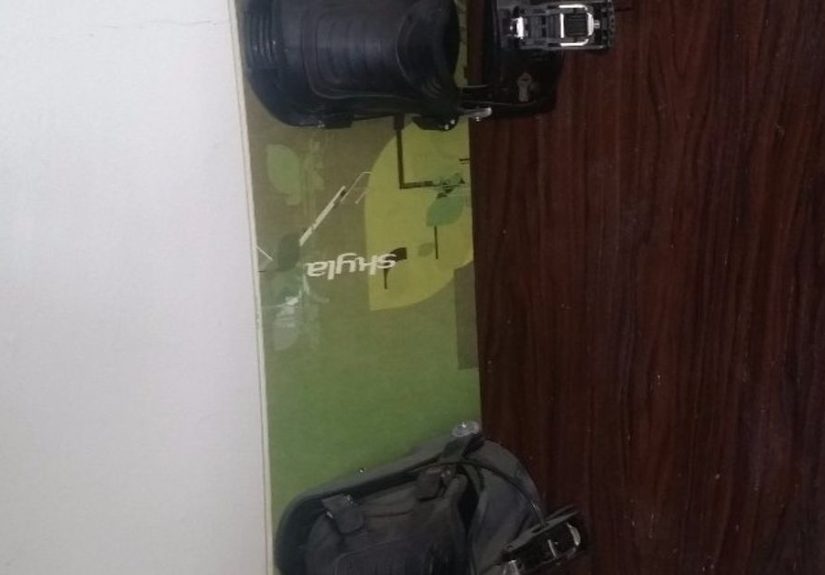
A smart snowboard wall mount does three jobs at once. First, it gets your board off the floor, where moisture, scuffs, and accidental kicks love to hang out. Second, it helps you store your board in a cleaner, drier, more organized way. Third, it doubles as decor. Let’s be honest: snowboards are basically functional wall art with edge control issues.
This guide walks you through how to build a practical, good-looking DIY snowboard wall mount using simple materials and common tools. You will learn which mount style makes sense, how to avoid scratching your board, where to place the mount, and how to install it without turning your drywall into Swiss cheese. I will also cover mistakes people make, storage tips that actually matter, and a longer experience-based section at the end so you can learn from the trial-and-error that usually happens between “I’ve got this” and “Why is my level lying to me?”
Why Build a DIY Snowboard Wall Mount?
There are plenty of pre-made racks out there, but building your own has real advantages. You can size it to your board, match it to your space, choose a cleaner display style, and spend less than many store-bought options. You also get to decide whether the mount is mainly for storage, for display, or for that sweet middle ground where practicality and style stop arguing for five minutes.
A DIY snowboard wall mount is especially useful if you want to:
- Store your board off the ground in a garage, mudroom, bedroom, or office
- Protect edges and topsheets from dings and scratches
- Create a cleaner off-season storage setup
- Show off a favorite deck, old graphic, or retired board
- Keep a small apartment from looking like a sporting goods avalanche
In other words, the mount is not just a hanger. It is part storage solution, part gear protection plan, and part quiet brag.
Choose the Best Style for Your Space
Before you grab screws and wood, decide how you want the board to sit on the wall. The three most common styles are vertical, horizontal, and floating display.
1. Vertical Mount
A vertical snowboard wall mount holds the board upright, usually by supporting it at the sides or cradling it near the middle while the tail lightly rests against a padded stop. This is a great option for tight spaces because it uses less wall width. It also looks clean and modern, especially in garages, entryways, and gear rooms.
Vertical mounts are ideal if you want easy daily access. Grab the board, ride, come home, wipe it down, and place it back. Done. No awkward balancing act. No leaning it against a paint can and hoping for the best.
2. Horizontal Mount
A horizontal mount supports the snowboard across two padded arms or hooks. This method works well when the board is mainly decorative or when you want a gallery-style look above a bench, desk, or storage cabinet. It can also be the best choice if you want to line up multiple boards in one row.
The main downside is wall width. A horizontal display needs room to breathe, so it works better in larger areas than in narrow hallways or cramped utility corners.
3. Floating Display Mount
A floating mount uses hidden supports, clips, or a minimalist bracket system so the snowboard appears to “hover” on the wall. This style looks fantastic in a bedroom, office, or media room, especially for a board with a cool graphic. The tradeoff is precision. Floating designs look simple, but installation tends to be less forgiving. Translation: one crooked bracket and your “gallery display” becomes “abstract winter panic.”
The Easiest DIY Option: A Padded Horizontal Wood-and-Hook Mount
If you want the best blend of affordability, durability, and beginner-friendly building, start with a padded horizontal mount. It is simple, customizable, and sturdy when attached correctly. You can build it with a wood backer board and two padded support points.
Materials
- One 1×4 or 1×6 board, cut to about 24 to 30 inches
- Two heavy-duty utility hooks or two short wooden support arms
- Felt, cork, rubber, or adhesive padding for all board contact points
- Wood screws for attaching into studs or appropriate wall anchors if studs are not available
- Wood finish, paint, or stain if you want the mount to look less “garage leftovers” and more “intentional design choice”
Tools
- Stud finder
- Drill and drill bits
- Level
- Tape measure
- Pencil
- Sandpaper
- Screwdriver
Step-by-Step: How to Build the Mount
Step 1: Measure Your Snowboard
Measure the width of your snowboard at the section where it will rest on the supports. This matters because you want the mount to hold the board securely without squeezing it too tightly. Your board is meant to flex on snow, not get pinched like a sandwich bag in a junk drawer.
If your bindings stay on the board, account for their depth so the board sits cleanly against the wall. If you remove bindings for off-season storage, you can keep the mount slimmer and more display-focused.
Step 2: Prep the Backer Board
Cut your wood to size, sand the edges, and finish it however you like. A natural wood finish works well in cabins and rustic spaces. Matte black looks sharp in modern rooms. White paint blends into walls for a more minimalist look. Whatever you choose, let it dry fully before installation.
Step 3: Mark Support Placement
Lay the snowboard flat and position your two hooks or support arms under it to find a balanced placement. You generally want support points far enough apart to stabilize the board but not so wide that they press against curved sections awkwardly.
Mark those positions on the backer board. Then check them again. Then check them one more time, because a five-second double-check is cheaper than a “Why is my board tilting left?” rebuild.
Step 4: Add Padding
Wherever the snowboard touches the mount, add felt, cork, or rubber padding. This is a small detail that makes a huge difference. Padding helps reduce scratches, keeps the board from slipping, and gives the whole setup a more finished feel. Bare metal or rough wood touching your topsheet is not a design statement. It is just rude.
Step 5: Attach the Hooks or Arms
Secure the supports to the backer board. If you are using hooks, make sure they sit level and mirror each other. If you are building wood arms, keep them square and padded. Test-fit the snowboard before mounting the whole assembly to the wall.
Step 6: Find Studs and Mark the Wall
Use a stud finder to locate wall studs. Whenever possible, mount into studs. That is your best option for stability and peace of mind. Mark the stud centers, then hold the mount in place and use a level to make sure everything is straight.
If you cannot hit studs because of where you want the mount, use wall anchors rated for the load and appropriate for your wall type. Drywall, plaster, and masonry all behave differently, so match the hardware to the wall, not just to your optimism.
Step 7: Drill Pilot Holes and Install
Drill pilot holes into the marked locations, then fasten the mount securely. Tighten the screws until snug, but do not go full action-movie mode and strip them out. Once the mount is secure, place the snowboard on it and confirm that it sits level, stable, and free from wobble.
Best Placement for a Snowboard Wall Mount
Where you mount the board matters almost as much as how you mount it. A snowboard likes a dry, cool, stable environment. It does not want to bake beside a heater, fade in a harsh sunny window, or spend the summer marinating in garage humidity.
Good locations include:
- A dry garage wall away from leaking doors or damp concrete splash zones
- A mudroom with controlled indoor temperatures
- A bedroom or office wall where the board doubles as decor
- A gear room with enough clearance for easy removal
Try to avoid mounting above radiators, heater vents, or areas with direct daily sun exposure. Also avoid super-low placement if the tail can get bumped by shoes, bikes, storage bins, or that one folding chair that appears out of nowhere every season.
Snowboard Storage Tips That Actually Matter
A good DIY snowboard wall mount is only half the job. The other half is storing the board properly once it is on the wall.
Dry It First
Always wipe down moisture before storing your board. Lingering water can encourage rust on edges and make grime settle in where it does not belong.
Clean the Board
Brush off dirt, salt, and old slush. You do not need a ceremonial deep clean every Tuesday, but you do want the board reasonably clean before long-term storage.
Check Edges and Base
Look for rust, burrs, base damage, or anything that needs repair. If the board took a beating during the season, fix problems before you hang it up for months.
Wax for Off-Season Protection
Many riders apply a storage wax coat before long-term summer storage. It is a simple way to protect the base and make preseason prep easier later.
Give It Breathing Room
If you are storing multiple boards, leave space between them. Gear stacked too tightly traps moisture and invites scratches. Snowboards are friends, not sardines.
Common DIY Snowboard Wall Mount Mistakes
Using No Padding
This is the fastest way to turn a nice storage project into a tiny scratch factory.
Ignoring Wall Structure
Pretty mounts fail when the hardware behind them is wrong. Studs are best. Anchors are fine when properly selected. Wishful thinking is not structural support.
Mounting Too High or Too Low
If it is too high, you will drag the board down awkwardly. If it is too low, you will kick it every time you walk by carrying boots, groceries, or your dignity.
Overbuilding the Wrong Thing
You do not need a medieval timber frame to hold one snowboard. What you need is a straight mount, proper support, and smart hardware.
Forgetting the Space Around the Board
Check clearance for bindings, nearby shelves, opening doors, and foot traffic. A mount that looks great but bangs into everything is just decorative inconvenience.
Upgrade Ideas for a Better-Looking Mount
Once the basic mount works, you can easily upgrade it:
- Add a small shelf underneath for goggles, gloves, wax, or tuning tools
- Use a hardwood backer for a more premium look
- Install LED accent lighting if you want “gear shrine” energy
- Add hooks for a helmet, jacket, or board bag
- Use a French cleat-style backer if you like removable wall systems
- Build matching mounts for skis, skateboards, or surfboards
This is where the project becomes more than storage. It becomes a clean, personalized setup that makes the whole room feel more intentional.
Is a DIY Snowboard Wall Mount Worth It?
Absolutely. For a relatively small amount of time and money, you get better storage, better protection, and a better-looking space. You also avoid that awkward moment when someone visits and you pretend the snowboard on the floor is “just there temporarily” even though it has lived there since February.
The best DIY projects solve a problem and make your home feel better at the same time. A snowboard wall mount does exactly that. It protects gear, simplifies storage, and adds personality without requiring advanced carpentry or a giant budget.
Experience-Based Notes: What Building a DIY Snowboard Wall Mount Usually Teaches You
The funny thing about a DIY snowboard wall mount is that the project almost always feels easier in your head than in the first ten minutes of real life. On paper, it sounds like a simple Saturday task: find a board, attach a couple of supports, throw it on the wall, and admire your genius. In reality, the first lesson most people learn is that measuring gear for storage is weirdly humbling. A snowboard looks straightforward until you start accounting for width, binding clearance, wall spacing, and the fact that nothing in your garage is ever as square as you hoped.
A common experience is spending more time choosing the location than building the mount itself. You hold the board on one wall and think it looks perfect. Then you notice it blocks a light switch. You move it six inches and now the bindings hit a shelf. You move it again and realize the tail lines up beautifully with a door that swings open like it has a personal grudge. This is normal. The project is not just about hanging a board. It is about negotiating peace between your gear and the rest of your room.
Another classic moment is the stud finder drama. Every DIYer has at least one story where the stud finder either seems brilliant or completely unhelpful. You mark one spot, then another, then wonder whether your wall is made of normal framing or pure mystery. Once you finally hit the right structure and the screws bite cleanly, the whole project starts to feel real. That is usually the turning point where the mount goes from “craft experiment” to “solid piece of storage.”
Then there is the padding lesson. At first, it can feel optional. You think, “The board will barely touch the support, so it should be fine.” But once you set the snowboard into place, you immediately understand why padding matters. Even a well-sanded wood arm or smooth metal hook can rub the topsheet over time. Adding felt, cork, or rubber is one of those small upgrades that makes the whole setup feel more careful, more professional, and less likely to create a new scratch you will stare at forever.
People also tend to discover that the mount changes the room more than expected. What started as storage suddenly becomes a focal point. The board graphic stands out. The wall looks cleaner. The floor space opens up. Other gear starts begging for the same treatment. Before long, you are eyeing your helmet, boots, goggles, and jacket like they are next in line for a makeover. One snowboard mount has a sneaky way of turning into a full gear organization project.
And finally, there is the satisfaction factor. A good DIY snowboard wall mount is not flashy, but it feels great every time you use it. You come home, wipe down the board, hang it up, and the space looks better instantly. No clutter pile. No accidental knocks. No board sliding behind a toolbox like it is trying to disappear for the summer. Just a simple system that works. That is what makes the project memorable. It is not complicated, but it solves a real problem in a way you notice every single day.
Conclusion
A DIY snowboard wall mount is one of those rare home projects that is practical, affordable, protective, and good-looking all at once. Whether you choose a vertical holder, a horizontal display, or a more minimalist floating style, the winning formula stays the same: support the board gently, pad the contact points, mount the hardware securely, and store the board in a clean, dry spot. Get those basics right, and your snowboard will look better, last longer, and stop pretending the garage floor is premium lodging.