Table of Contents >> Show >> Hide
- Winter Car Prep at a Glance
- Before You Start: A Quick DIY Toolbox
- 1) Check Tires and Tread Like Your Winter Depends on It (Because It Does)
- 2) Fix Tire Pressure (Cold Air Is a Thief)
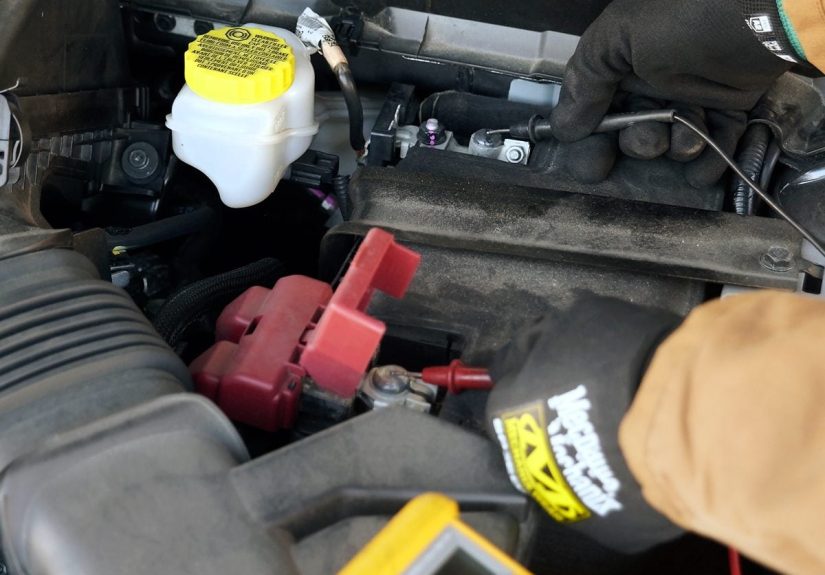
- 3) Test the Battery and Clean the Terminals
- 4) Check Coolant/Antifreeze (No One Wants an Engine Popsicle)
- 5) Switch to Winter Windshield Washer Fluid and Replace Wiper Blades
- 6) Change (or Verify) Your Oil and Check Other Key Fluids
- 7) Inspect Brakes (Winter Adds “Bonus Difficulty”)
- 8) Check All Exterior Lights (Be Seen, Not Surprised)
- 9) Test Heater/Defroster and Weatherproof the “Annoying Stuff”
- 10) Build a Winter Emergency Kit (Future You Will Be Weirdly Grateful)
- Conclusion: A One-Hour Winter Check That Can Save Your Whole Week
- Real-World Winter Prep Experiences (What It Actually Feels Like)
Winter doesn’t “arrive” so much as it ambushes. One minute you’re cruising with iced coffee, the next you’re scraping a windshield like you’re auditioning for an Arctic documentary. The good news: getting your car ready for winter is mostly a set of small, unglamorous checks that add up to one big winreliability, safety, and fewer “why is my car making that noise?” moments.
This DIY winter car prep guide covers the 10 smartest things you can do before cold weather hits. We’ll focus on what actually matters (traction, visibility, starting power, and keeping fluids from turning into slushies). You’ll also get quick “DIY vs. pro” notes so you know when to keep wrenching and when to call in a professional.
Winter Car Prep at a Glance
- Traction: Tires + tire pressure + tread depth
- Starting power: Battery + charging system basics
- Temperature protection: Coolant/antifreeze + oil
- Visibility: Wipers + winter washer fluid + lights
- Stopping power: Brakes inspection
- Comfort & safety: Heater/defroster + emergency kit
- “Winter weirdness” prevention: Door seals/locks + rust defense
Before You Start: A Quick DIY Toolbox
You don’t need a full mechanic’s bay. Most of this can be done with:
- Tire pressure gauge (cheap and weirdly satisfying)
- Tread depth gauge (or a coin test)
- Flashlight/headlamp
- Basic hand tools (screwdriver, pliers, small wrench)
- Gloves + shop towels
- Battery terminal brush (optional but helpful)
- Windshield wipers + winter washer fluid (buy before the first storm sells them out)
1) Check Tires and Tread Like Your Winter Depends on It (Because It Does)
Tires are your car’s only contact with the road. In winter, traction is everythingstarting, turning, and stopping all rely on it.
DIY checklist
- Inspect tread depth: For winter conditions, more tread is better. If your tires are getting low, snow and slush will bully them.
- Look for damage: Cuts, bulges, cracks, or uneven wear (uneven wear can hint at alignment or suspension issues).
- Consider winter tires: If you regularly drive in snow/ice, dedicated winter tires can be a night-and-day difference.
Specific example
If you commute before sunrise in a snowy region, a “fine” tire can become a “why am I sliding at 12 mph?” tire. That’s not dramait’s physics.
DIY vs. pro: Visual inspection is DIY. If you see uneven wear or vibration, schedule alignment/balance.
2) Fix Tire Pressure (Cold Air Is a Thief)
Cold temperatures reduce tire pressure. Underinflated tires can lose grip, wear faster, and handle like a shopping cart with one angry wheel.
DIY steps
- Check pressure when tires are cold (parked for at least ~30 minutes).
- Use the pressure listed on the driver’s door jamb sticker (not the tire sidewall).
- Recheck every couple of weeks in winterespecially after big temperature swings.
Pro tip
Keep a small gauge in your glovebox. It’s one of those tools you’ll use more than you expectlike a phone charger, but for your tires’ feelings.
3) Test the Battery and Clean the Terminals
Winter is when weak batteries tap out. Cold weather makes engines harder to crank, and a battery that was “mostly fine” in October can become a no-show in January.
DIY steps
- Inspect terminals: If you see crusty white/green buildup, clean it (corrosion increases resistance).
- Check connections: Terminals should be snug, not wiggly.
- Get a free/cheap test: Many auto parts stores can load-test your battery. A load test is more meaningful than a “looks okay” glance.
Rule of thumb
Many car batteries last roughly 3–5 years, but climate and usage matter. If yours is aging and winter is serious where you live, consider replacing it proactively instead of waiting for the coldest morning of the year.
DIY vs. pro: Terminal cleaning is DIY. If you’re seeing frequent jump-starts or a charging warning light, get the charging system checked.
4) Check Coolant/Antifreeze (No One Wants an Engine Popsicle)
Coolant (antifreeze) prevents freezing and overheating. Yes, it does bothkind of like a bouncer who also runs the coat check.
DIY steps
- Only check when the engine is cold. Hot coolant is not a hobby.
- Locate the overflow reservoir and verify the level is between MIN and MAX.
- If low, top off with the correct coolant type for your vehicle (check your owner’s manual or reservoir cap guidance).
- Use an inexpensive coolant tester to check freeze protection if you’re unsure.
Specific example
If you live where temps dip well below freezing, topping off with plain water can dilute protection. A proper mix mattersespecially during multi-day cold snaps.
DIY vs. pro: Top-off and basic testing are DIY. Full flush/drain is often better done by a pro unless you’re experienced and equipped to dispose of old coolant properly.
5) Switch to Winter Windshield Washer Fluid and Replace Wiper Blades
Visibility is safety. Winter roads throw salt, slush, and grime onto your windshield like it’s personal. Summer washer fluid can freeze, and old wipers can smear everything into an impressionist painting.
DIY steps
- Refill with winter-rated washer fluid (look for de-icer/freezing protection on the label).
- Replace wiper blades if they streak, chatter, or leave “missed zones.”
- If you get heavy snow/ice, consider winter wiper blades designed to resist ice buildup.
Fast test
Spray the windshield and run the wipers. If your view looks like a horror movie fog scene, it’s time.
6) Change (or Verify) Your Oil and Check Other Key Fluids
Cold temperatures make oil thicker, which makes starts harder and increases engine wear during warm-up. Using the correct oil grade for your vehicle helps it flow properly in winter.
DIY checklist
- Engine oil: Check level and condition. If you’re close to your service interval, do the oil change before winter hits.
- Brake fluid: Should be at the proper level; if it’s very dark or you have a spongy pedal, get it inspected.
- Transmission/power steering fluids: Verify levels per your owner’s manual guidelines.
DIY vs. pro: Fluid checks are DIY; fluid services depend on your comfort level and access to proper disposal.
7) Inspect Brakes (Winter Adds “Bonus Difficulty”)
Stopping distances grow in winter. That’s true even with great tiresice and slush reduce grip. Weak brakes plus slippery roads is a combo nobody enjoys.
DIY quick checks
- Listen: Squealing, grinding, or scraping suggests pads may be worn.
- Feel: Vibrations or pulsation under braking can indicate rotor issues.
- Look (if possible): Through the wheel spokes, you may be able to see pad thickness (varies by vehicle/wheel design).
When to go pro
If you notice any brake warning light, pulling to one side, grinding noises, or a soft pedal, get a professional inspection before winter ramps up.
8) Check All Exterior Lights (Be Seen, Not Surprised)
Winter brings shorter days, more storms, and lower visibility. Working lights help you see and help other drivers avoid turning you into a cautionary tale.
DIY steps
- Turn on headlights (low and high beams) and check both sides.
- Test brake lights, turn signals, reverse lights, and hazard flashers.
- Clean cloudy lenses if needed (even a basic lens polish kit can help).
Pro tip: After a snowstorm, re-check. Packed snow can block lights without you noticing.
9) Test Heater/Defroster and Weatherproof the “Annoying Stuff”
Your heater and defroster aren’t luxuries in winterthey’re visibility tools. And while you’re at it, prevent the classic winter annoyances: frozen doors, stuck locks, and seals that squeal like they’re haunted.
DIY steps
- Heater + defroster test: Make sure warm air arrives quickly and fan speeds work.
- Cabin air filter: If airflow is weak or musty, replace it (often an easy DIY behind the glovebox).
- Door seals: Use a silicone-based protectant on rubber seals to reduce freezing/sticking.
- Locks: Keep a lock de-icer in your bag or glovebox (outside the car is betterbecause… locked out).
Specific example
If your windshield fogs up easily, a struggling defroster or clogged cabin filter can make winter driving stressful fast.
10) Build a Winter Emergency Kit (Future You Will Be Weirdly Grateful)
If you ever get stucksnowbank, dead battery, road closureyour emergency kit is the difference between “mildly inconvenient” and “I’m starring in my own survival show.”
DIY winter car kit essentials
- Ice scraper + snow brush
- Small shovel
- Jumper cables (or a jump pack)
- Flashlight + extra batteries
- Warm blanket, gloves, hat
- Water + shelf-stable snacks
- Traction aid (sand, salt, or non-clumping cat litter)
- Phone charger (12V + cable)
- Warning triangles or flares (where legal and safe)
- Basic first-aid kit
Bonus tip
In winter, keep your gas tank from getting too low when storms are possible. If you’re delayed, you’ll want options.
Conclusion: A One-Hour Winter Check That Can Save Your Whole Week
If you do nothing else, prioritize tires, battery, and visibility. Those three categories prevent the most common winter breakdowns and white-knuckle drives. Then add fluids, lights, and an emergency kit so you’re prepared for both routine cold mornings and surprise weather chaos.
Winter car prep isn’t about turning your sedan into a snowmobile. It’s about stacking small advantagestraction, clear sightlines, reliable startsuntil your car feels boringly dependable. And in winter? Boring is beautiful.
Real-World Winter Prep Experiences (What It Actually Feels Like)
Let’s talk about the “experience” side of winter prepthe stuff you only learn after the season teaches you with consequences. The first cold snap often arrives like a pop quiz. You walk out, coffee in hand, feeling invincible… and your car responds with a slow crank that sounds like it’s waking up from a nap it didn’t consent to. That moment is usually when people discover their battery was running on vibes all fall. A quick battery test beforehand turns that scene into a non-eventyour car starts normally, you keep your dignity, and your neighbors don’t get a free concert of attempted ignition.
Then there’s the windshield reality check. On the first slushy drive, you’ll use windshield washer fluid like it’s a premium spa treatment for your glass. If your washer fluid is summer-grade, it may freeze right when you need it most. The “experience” is memorable: you pull the stalk, nothing happens, and suddenly every passing truck paints your windshield with road salt confetti. Switching to winter-rated fluid feels boringuntil you hit that same slush storm and actually maintain visibility. It’s one of those upgrades that you don’t appreciate until you’ve lived the alternative.
Wiper blades are another emotional roller coaster. Old blades don’t just wipe poorlythey smear. In winter, smearing turns headlights into starbursts and streetlights into glowing blobs. The experience is subtle but stressful: you’re technically driving, but you’re also squinting at a Monet painting. New blades restore clarity instantly. It’s like putting on glasses you didn’t realize you needed.
And don’t underestimate the tire pressure drama. When temperatures drop, tires often lose pressure, and your car can feel “off” in ways that are hard to describeslightly heavier steering, less stable handling, longer stopping distances. The experience isn’t always dramatic, which is the problem. It feels “kinda fine,” right up until a slick turn or an emergency stop. Checking pressure regularly is one of the simplest habits that pays off in confidence. You’ll notice the car feels more planted, especially on cold wet roads.
Finally, there’s the emergency kit experiencesomething you don’t think about until you need it. Getting stuck isn’t always a Hollywood snowstorm. Sometimes it’s a minor slide into a plowed berm, a dead battery at the grocery store, or a traffic standstill that lasts longer than expected. Having a blanket, snacks, traction aid, and a shovel changes the tone of the situation. Instead of panic (or angry texts), you have a plan. You might not feel heroic, but you’ll feel prepared. And that’s the real winter flex: not being surprised.