Table of Contents >> Show >> Hide
- First, what are “eczema blisters”?
- Quick relief: what to do today (and what not to do)
- Evidence-based treatments your clinician may recommend
- 1) Topical corticosteroids (anti-inflammatory workhorses)
- 2) Moisturizers and barrier-repair creams (the boring step that wins)
- 3) Anti-itch help (because sleep is a medical need, actually)
- 4) Calcineurin inhibitors (non-steroid anti-inflammatory options)
- 5) Wet wrap therapy / “soak and seal” (intensive flare support)
- 6) Phototherapy (light therapymedical version, not tanning bed “DIY”)
- 7) Systemic options for severe or persistent disease
- 8) Treating sweat, triggers, and hidden culprits
- Prevention: keeping eczema blisters from coming back
- FAQ
- Real-world experiences: what people with eczema blisters often share
- Conclusion
Eczema is already annoying. Eczema with blisters? That’s eczema showing up with a megaphone and a drumline.
If you’ve ever looked at your hands or feet and thought, “Why do I suddenly have tiny water balloons under my skin?”
you’re not alone.
This article is educational (not a substitute for medical care). If you’re unsure what’s causing your blistersor they’re
spreading fast, extremely painful, or you feel sickget evaluated promptly. Several conditions can mimic “eczema blisters,”
and the right treatment depends on the right diagnosis.
First, what are “eczema blisters”?
“Eczema” is an umbrella term for inflammatory skin conditions that can cause itching, redness, scaling, and sometimes
oozing or blisters. Blistering tends to happen in a few common scenarios.
Dyshidrotic eczema: the classic tiny-blister flare
The most common “eczema blister” situation is dyshidrotic eczema (also called dyshidrosis or
pompholyx). It usually shows up as clusters of very small, itchy, fluid-filled blisters on the sides of the fingers,
palms, or solesoften described as “tapioca-like” bumps. After a couple weeks, blisters can dry out, peel, and leave cracks.
Triggers vary, but many people notice flares with sweat and moisture (frequent handwashing, gloves, humid weather),
stress, seasonal allergies, irritants, or metal sensitivity (like nickel). Sometimes fungal infections on the feet can
be part of the puzzle, especially when hand blisters won’t quit.
Weeping eczema: when the skin gets leaky
Some eczema flares become wetoozing, crusting, or “weeping.” This doesn’t always mean infection, but it does
mean the skin barrier is overwhelmed. You may see tiny blisters that break open, then ooze and crust. These areas are
extra vulnerable to irritation and infection, so gentle care matters.
When it might not be eczema (and you should get help fast)
Blisters can also come from infections or allergic reactions that need different treatment than routine eczema care.
Don’t try to power through these with “just moisturizer”:
-
Possible bacterial infection: honey-colored crusts, increasing redness/warmth, pus, worsening pain,
swelling, or fever. -
Possible viral infection (eczema herpeticum): painful, spreading clusters of blisters plus fever or
feeling illespecially after contact with someone who has a cold sore. -
Severe allergic contact dermatitis: sudden blistering after a new product (fragrance, soap, sanitizer),
gloves/chemicals, jewelry/metal contact, or workplace exposure.
Quick relief: what to do today (and what not to do)
Do this: calm the itch, dry the blisters (gently), protect the skin barrier
If your blisters fit the dyshidrotic/eczema pattern and you’re not seeing red flags for infection, these strategies are
commonly recommended by dermatology and eczema organizations:
-
Cool soaks or cool compresses: A short, cool soak or compress can reduce itch and help dry out blisters.
Follow with medication (if prescribed) and moisturizer while skin is slightly damp. -
Moisturize like it’s your job: Choose fragrance-free, dye-free products. Ointments and thick creams
generally seal better than thin lotions. -
Hands/feet protection: Use gloves for dishwashing/cleaning (cotton liner under protective gloves can help).
Dry hands and feet well after washing. Change sweaty socks; consider breathable footwear. -
Reduce scratching: Scratching can open skin and invite infection. Keep nails short. A cool compress,
distraction, and consistent treatment do more than “willpower.”
Don’t do this: the “it seemed like a good idea at 2 a.m.” list
- Don’t pop blisters unless a clinician tells you to. Opening them raises infection risk.
- Don’t scrub or use harsh exfoliants. Inflamed skin is not asking for a “deep clean.”
- Don’t use hot water. It can worsen dryness and itch.
-
Don’t rotate random products (essential oils, fragranced creams, harsh antiseptics). Irritation and
contact allergy can keep the flare going. - Don’t self-start leftover antibiotics. Wrong drug, wrong duration, wrong targetlots of downside.
Evidence-based treatments your clinician may recommend
Treating eczema blisters usually means treating inflammation, restoring the skin barrier, and identifying triggers.
Because dyshidrotic eczema often affects hands and feet (high-friction, high-washing zones), treatment sometimes needs
to be more strategic than “put on lotion and hope.”
1) Topical corticosteroids (anti-inflammatory workhorses)
Prescription topical corticosteroids are commonly used to reduce inflammation and help clear blisters during
flares. They’re typically applied as directed for a limited period, with attention to potency and location (hands and feet
often need different strength than face or skin folds). Used correctly, they can shorten flares and reduce cracking and pain.
Practical example: After a short cool soak/compress, pat dry, apply the prescribed steroid to affected areas, then apply a
moisturizer to the surrounding dry skin (following your clinician’s instructions).
2) Moisturizers and barrier-repair creams (the boring step that wins)
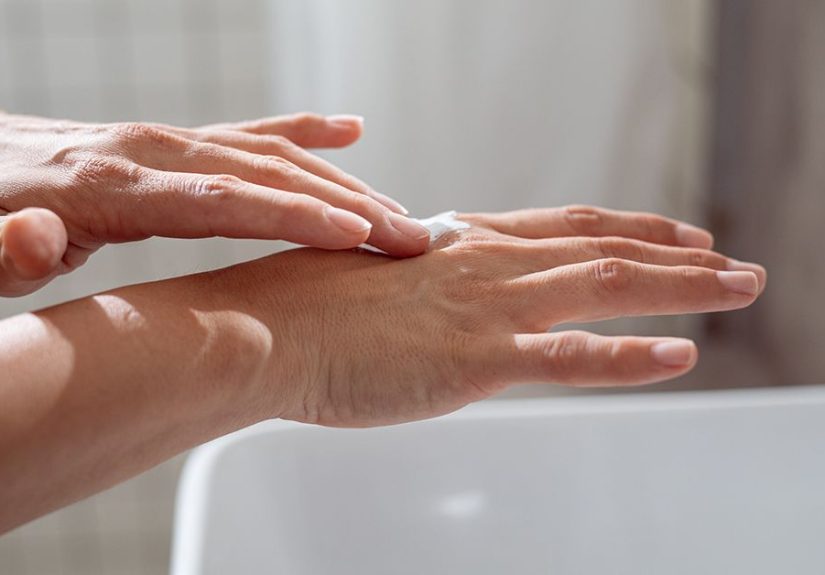
Moisturizer isn’t just “nice.” It supports the skin barrier, reduces dryness, and can lower flare frequency. Many dermatologists
recommend applying it when skin is still slightly dampafter handwashing, bathing, or a compressso it seals in water.
If you’re washing your hands a lot, consider keeping a small, fragrance-free cream near every sink. Make “moisturize” the
automatic step after “dry hands.” (Like “seatbelt” for skin.)
3) Anti-itch help (because sleep is a medical need, actually)
Itch control can be essentialespecially at night. Clinicians may recommend specific anti-itch options depending on your situation.
Some plans include topical anti-itch ingredients, while others may use oral options for short-term relief. The goal is to reduce
scratching so the skin can heal.
4) Calcineurin inhibitors (non-steroid anti-inflammatory options)
In some cases, clinicians prescribe topical calcineurin inhibitors (like tacrolimus or pimecrolimus), especially
when frequent flares require a steroid-sparing approach. These were originally approved for atopic dermatitis, but evidence and
real-world dermatology practice support their use in some dyshidrotic eczema casesunder medical guidance.
5) Wet wrap therapy / “soak and seal” (intensive flare support)
Wet wrap therapy can be helpful during severe flaresespecially when itch and pain are intense.
The general idea: bathe/soak, apply prescribed topical medication to inflamed areas, moisturize other skin, then apply a damp layer
(like cotton) and a dry layer on top for a period of time (often evenings). Wet wraps can cool the skin, reduce itch, and help topical
treatments work better.
For hands/feet, people may use cotton gloves or socks as the damp layer, with a dry layer over them. Because wet wraps can have
downsides if overused (like folliculitis), it’s smart to get clinician guidance on frequency and durationespecially for kids and teens.
6) Phototherapy (light therapymedical version, not tanning bed “DIY”)
If topical treatment isn’t enough, dermatologists sometimes use phototherapy for stubborn eczema, including some
dyshidrotic cases. This is supervised medical light therapy with specific dosing schedules.
Tanning beds and unprotected sun exposure are not a safe substitute.
7) Systemic options for severe or persistent disease
When eczema is severe, widespread, or resistant to topical therapy, clinicians may consider treatments that work throughout the body.
These can include biologic medications and other immune-modulating options for atopic dermatitis, and sometimes off-label strategies
for hard-to-treat dyshidrotic eczema. These decisions require a clinician because benefits, risks, and monitoring vary.
8) Treating sweat, triggers, and hidden culprits
Dyshidrotic eczema has a reputation for flaring with sweat and stress. Dermatology care plans may include:
- Sweat control: prescription-strength antiperspirants or other approaches if excessive sweating is part of the trigger mix.
- Patch testing: to identify allergic triggers (like nickel, fragrances, preservatives, rubber accelerators in gloves).
- Addressing fungal infections: athlete’s foot can sometimes keep hand flares going, so treating feet may help hands in certain cases.
-
Diet changes (select cases): if metal sensitivity is confirmed/suspected, a clinician may discuss structured approaches
to reduce exposure (rather than a chaotic “avoid everything forever” plan).
Prevention: keeping eczema blisters from coming back
Build a low-drama routine for hands and feet
- Use gentle cleansers (fragrance-free) and lukewarm water.
- Pat dry instead of rubbing.
- Moisturize immediately after washingevery time, not just when you remember.
- Glove strategy: cotton liners under protective gloves for wet work; avoid sweating in gloves for long stretches.
- Sock and shoe upgrades: breathable shoes, moisture-wicking socks, and changing out of damp footwear quickly.
Become a trigger detective (without spiraling)
Triggers don’t always announce themselves. A simple notes app can help you spot patterns:
“Flare started after new sanitizer + exam week + 3 loads of dishes.” That’s not a personality flawthat’s data.
Common triggers to watch for include:
irritants (detergents/cleaners), frequent wet work, sweating, stress, seasonal allergies, metals (nickel/cobalt), and new skincare products.
Stress and sleep: the underestimated treatment plan
Stress can worsen eczema flares, and itching can wreck sleepthen sleep loss raises stress. It’s a loop. Breaking it can be
as practical as setting a “hands-off” bedtime routine (cool compress + prescribed topical + moisturizer + cotton gloves),
and as big-picture as stress management skills.
When should you see a dermatologist?
Consider professional evaluation if you have frequent blistering flares, cracks that keep reopening, significant pain, or symptoms that don’t
improve with careful at-home care. A clinician can confirm the diagnosis, rule out infection or contact allergy, and tailor a plan for your skin.
FAQ
Should I pop eczema blisters?
Usually, no. Popping can increase the risk of infection and slow healing. If a blister is large, painful, or interfering with function,
a clinician can advise safe management.
Is dyshidrotic eczema contagious?
Dyshidrotic eczema itself is not contagious. But infections that can happen on top of eczema (like staph or viral infections) require medical
treatment and can spread depending on the germ involved. If you’re unsure, get checked.
How long do eczema blisters last?
Many dyshidrotic eczema flares run for weeks: blisters appear, then dry/peel, sometimes leaving cracks. Treatment can shorten the flare and reduce
the “encore performance.”
Can diet help?
Sometimesespecially if a clinician suspects metal sensitivity (like nickel or cobalt). The key is targeted, structured changes rather than
random restriction. If diet is relevant, your clinician can guide you.
Can wet wraps be used on hands and feet?
Wet wraps are often used for atopic dermatitis and may be recommended for hands/feet in certain situations. Because technique and frequency matter,
it’s best to use them with guidanceespecially for children and teens.
Real-world experiences: what people with eczema blisters often share
Let’s talk about the part most people don’t put in a textbook: living with eczema blisters can be exhausting in a very specific, very everyday way.
People often describe the early stage as “invisible misery”the itch starts before the blisters are obvious, and it can feel like tiny pinpricks or
a deep itch you can’t quite reach. When the blisters appear, they can look small but feel huge, especially on fingertips where you do… basically
everything. Buttons, zippers, typing, opening snacks, washing your hairsuddenly every task is a tiny negotiation.
A common theme is the handwashing dilemma. Many people need to wash hands frequently for work, school, or childcare. Then eczema
shows up like, “Love that for you. Here’s a flare.” Folks often report that switching to a gentle cleanser helps, but the real game-changer is
consistency: pat dry, moisturize immediately, repeat forever. Some keep multiple tubes of fragrance-free creamone by the sink, one in a backpack,
one in the carbecause relying on memory is not a medical strategy.
People also talk about the sting factor: when skin is cracked, even “nice” products can burn. That’s why many prefer bland,
fragrance-free moisturizers and ointments during flares. Others mention that alcohol-based hand sanitizers can either sting or, weirdly, sometimes
feel less irritating than repeated soap-and-water washinguntil the dryness catches up later. This is where individualized plans matter: what’s
“better” depends on your skin, your exposures, and how inflamed things are that week.
Another frequent story: nighttime is the boss level. Many people say the itch gets louder at night, and scratching happens
half-asleep. Real-life solutions tend to be practical: short nails, cotton gloves for sleep, a cool compress before bed, and making sure medication
is applied as directed. Some families build a routine that feels almost like “skin care pit crew” during flaresquick soak, pat dry, treat, seal,
cover, lights out.
There’s also the emotional side, especially when blisters are visible. People report feeling self-conscious shaking hands, holding a phone, or
posting photos. Others worry they’ll be judged as “contagious” even when their eczema isn’t. Clear language helps: “It’s eczema, not an infection,”
or “My skin barrier is inflamed,” can reduce awkwardness. And when stress is a trigger (which many people notice), that self-consciousness can
become part of the flare cycleso support, education, and sometimes mental health tools are not “extra,” they’re part of treatment.
Finally, many people describe success as less about a magic product and more about a repeatable plan: identify triggers, treat early,
protect hands/feet, and escalate care when needed (especially if infection is suspected). The “experience” lesson is simple but powerful:
eczema blisters don’t require perfection; they require a plan you can actually live with.
Conclusion
Eczema blisters are treatable, but they’re not a “grin and bear it” situation. The most common culpritdyshidrotic eczemaoften improves with a
combination of cool compresses/soaks, anti-inflammatory topical treatment, serious moisturizing, and trigger management. If blisters are painful,
frequent, or not improving, or if you notice signs of infection (especially fast-spreading blisters with fever), get medical care promptly.
A dermatologist can confirm what’s going on and build a plan that reduces flares and protects your skin long-term.