Table of Contents >> Show >> Hide
- What “facial eczema” usually means in kids
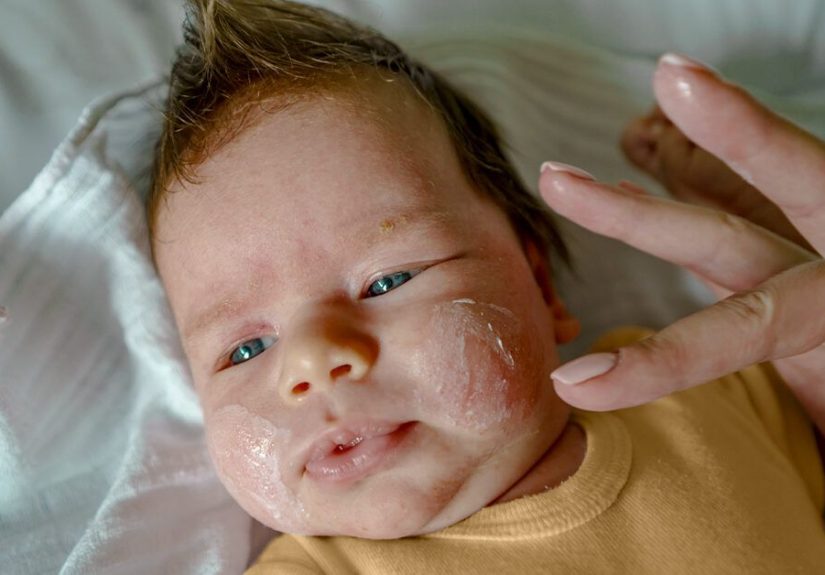
- Symptoms: What eczema looks like on a child’s face
- Causes and risk factors: Why it happens
- Common facial eczema triggers (and sneaky culprits)
- Diagnosis: How doctors confirm eczema on the face
- Treatment: The face-friendly, evidence-based approach
- Face-specific tips that make a difference
- When to see a doctor (or dermatologist) for facial eczema
- Outlook: Will my child outgrow facial eczema?
- Quick FAQ
- Conclusion
- Bonus: Real-life experiences families share (and what they often learn the hard way)
Few things flip a parent’s stress switch faster than a rash on a kid’s facebecause it’s right there, starring back at you in every selfie, school photo, and “why is Grandma zooming in?” video call. The good news: facial eczema in children is common, usually manageable, and very often improves with the right routine and (when needed) the right prescription help. The not-so-fun news: it can be stubborn, itchy, and dramaticlike it has its own group chat.
This guide breaks down what facial eczema is, what tends to trigger it, how it’s diagnosed, which treatments actually help, and when it’s time to call in a pediatrician or dermatologist. It’s educational info, not personal medical adviceyour child’s clinician is the best person to tailor a plan to their age, skin type, and severity.
What “facial eczema” usually means in kids
When people say “eczema,” they often mean atopic dermatitisa chronic, relapsing skin condition linked to a weaker skin barrier and an overactive inflammatory response. In babies and young children, it commonly shows up on the cheeks, forehead, and chin (and sometimes around the mouth or eyes). In older kids, it may shift more to the creases of elbows and knees, but the face can still flareespecially around the eyes.
Facial skin is thinner and more sensitive than, say, the skin on elbows. That’s why treatment plans for the face often use gentler medications and focus heavily on barrier repair (aka: moisturize like it’s your part-time job).
Symptoms: What eczema looks like on a child’s face
Facial eczema can look different depending on skin tone, age, and whether it’s flaring or healing. Common signs include:
- Dry, rough, or scaly patches (often on cheeks)
- Itching (sometimes intenseespecially at night)
- Redness or discoloration (may appear pink/red, purple, gray, or darker brown depending on skin tone)
- Small bumps or a sandpaper feel
- Cracks at the corners of the mouth, or irritated skin under the nose
- Oozing or crusting if the skin is very inflamed or infected
- Darkening/lightening of skin after a flare (post-inflammatory color change)
Common “look-alikes” (because rashes love confusion)
Not every facial rash is eczema. A clinician may consider:
- Drool rash / irritant dermatitis (saliva + friction, especially on chin and around mouth)
- Contact dermatitis (reaction to wipes, soaps, fragrance, sunscreen, face paint, etc.)
- Seborrheic dermatitis (cradle cap that can extend to eyebrows/behind ears)
- Impetigo (bacterial infectionoften honey-colored crust)
- Fungal rash (ring-shaped or sharply bordered patches)
- Perioral dermatitis (small bumps around mouth; can be triggered by certain topical products)
- Baby acne (pimply bumps, usually early infancy; often less scaly/itchy)
Causes and risk factors: Why it happens
Atopic dermatitis doesn’t have a single “one weird cause.” It’s typically a mix of:
1) Skin barrier weakness
Healthy skin is like a brick wall: skin cells are the bricks, natural oils and proteins are the mortar. In eczema-prone skin, that “mortar” is weaker, so water escapes more easily and irritants sneak in. This helps explain why dryness and sensitivity are such big themes.
2) Immune system overreaction
When irritants or allergens get through, the immune system can respond with inflammationleading to redness, itching, and more barrier damage. It becomes a loop: itch → scratch → inflammation → more itch. (A truly unhelpful cycle.)
3) Genetics and family history
Kids are more likely to develop eczema if close family members have eczema, asthma, allergic rhinitis (hay fever), or food allergies.
4) Environment and triggers
Facial eczema is often triggered by everyday things that touch the face or linger theresaliva, food mess, cold wind, harsh cleansers, fragrances, and even well-meaning relatives who insist on “just one more wipe.”
Common facial eczema triggers (and sneaky culprits)
- Drool and lip-licking (saliva is irritating; constant wet-dry cycles inflame skin)
- Food residue (especially acidic foods; the issue is usually irritation, not “allergy”)
- Wipes and soaps (even “gentle” ones may contain preservatives or fragrance)
- Fragranced lotions or essential oils (often a big no for eczema skin)
- Cold, dry weather or indoor heating (dry air pulls moisture from skin)
- Heat and sweat (itch can spike fast)
- Rough fabrics (scratchy collars, wool hats)
- Chlorinated pools (some kids flare, others do fine)
- Stress and poor sleep (yes, skin can be dramatic about feelings)
Diagnosis: How doctors confirm eczema on the face
Most of the time, eczema is diagnosed by history + physical exam. A clinician will look at:
- Where the rash is (cheeks? eyelids? around mouth?)
- How it behaves over time (flares and improves?)
- Itch level and sleep disruption
- Family history of eczema/allergies/asthma
- Possible triggers (new soap, wipes, sunscreen, pets, seasonal changes)
Tests that might be used (sometimes)
- Swab/culture if infection is suspected
- Patch testing if allergic contact dermatitis is suspected (persistent rash in one area, product-related pattern)
- Allergy evaluation if there’s a strong history suggesting food allergy or environmental allergy (not for every child)
Important note: eczema can exist with allergies, but it’s not automatically “caused by food.” Removing major foods without guidance can backfire nutritionally and emotionally (and does not always improve skin).
Treatment: The face-friendly, evidence-based approach
Most plans work best when they’re stepwise: build a daily barrier routine, treat flares quickly and gently, then prevent relapses. Think of it like brushing teethmaintenance matters more than heroic once-a-month efforts.
Step 1: Daily baseline care (the “Soak and Seal” vibe)
- Short lukewarm bath (or gentle face wash) daily or every other day
- Use a mild, fragrance-free cleanser only where needed
- Moisturize within a few minutes of washing to lock in water
- Choose thick, fragrance-free moisturizers (ointment or cream usually beats lotion)
- Apply oftenmany kids need at least daily, sometimes twice daily
For drool-related irritation, many clinicians suggest a thin layer of plain petrolatum (or similar barrier ointment) on the chin and around the mouth as a “raincoat” before meals and bedtime. This doesn’t cure eczema, but it reduces irritation from saliva and food smear.
Step 2: Treat flares early (don’t let the fire spread)
When facial eczema flares, anti-inflammatory treatment is usually neededmoisturizer alone often can’t calm the immune response once it’s revved up.
Low-potency topical steroids (common first-line for the face)
Many pediatric guidelines recommend low-potency topical corticosteroids for the face (for example, hydrocortisone) and using stronger steroids cautiously (or not at all) on facial skin unless directed. Typically, these are used short-term to calm a flare, then stopped or stepped down.
- Use only as prescribed (frequency and duration matter)
- Avoid getting steroid cream into eyes
- If you’re needing it constantly, that’s a sign the plan should be adjusted
Steroid fear is commonand understandablebut in real life, the bigger problem is often undertreating inflammation, which can prolong itching, scratching, and infection risk. Used correctly, low-potency steroids are a standard, well-studied tool.
Non-steroidal options (especially helpful for eyelids and recurring facial flares)
For sensitive areas like eyelids, or when flares recur often, clinicians may use steroid-sparing topicals such as:
- Topical calcineurin inhibitors (tacrolimus ointment or pimecrolimus cream): often used for the face/eyelids as an alternative to steroids in appropriate ages
- Crisaborole (a PDE-4 inhibitor): a non-steroidal anti-inflammatory for mild-to-moderate eczema in certain ages
- Ruxolitinib cream (a topical JAK inhibitor): a prescription option for certain children, with specific safety rules and age indications
Some of these can cause a brief stinging or burning sensation at firstespecially on very inflamed skin. That doesn’t always mean “allergy,” but it’s worth telling your clinician if it’s intense or persistent.
Itch control (because sleep is part of treatment)
- Cool compresses can reduce itch without rubbing
- Keep nails short and consider soft cotton gloves at night for younger kids
- Distraction techniques (yes, “hand busy” activities can be medical care in disguise)
- Oral antihistamines may be recommended by a clinician mainly to help sleep in some cases
Step 3: Prevent relapses (the “proactive” strategy)
If facial eczema keeps returning in the same spots, some clinicians use “proactive therapy”for example, applying a prescribed anti-inflammatory medication on a scheduled, limited basis to common trouble areas, even when the skin looks good. This is individualized, but the idea is to prevent smoldering inflammation from reigniting.
Step 4: Treat complications and severe disease
Watch for infection
Eczema skin is more prone to infection. Contact a clinician promptly if you see:
- Honey-colored crusting, spreading redness, warmth, swelling
- Pus, increasing pain, fever
- Clusters of painful blisters, especially with fever or a very sick child (urgent)
When topical care isn’t enough
For moderate-to-severe atopic dermatitis that doesn’t respond to optimized topical treatment, a dermatologist may discuss options like:
- Phototherapy (controlled light therapy in a medical setting)
- Systemic treatments for more severe disease (including biologic medications in certain ages)
One biologic commonly discussed for pediatric atopic dermatitis is dupilumab, which has U.S. approval for children as young as infancy for certain cases of moderate-to-severe disease. These decisions depend on severity, age, weight, medical history, and shared decision-making with a specialist.
Face-specific tips that make a difference
- Skip fragrance: “Clean” scents are still scents. Fragrance is a frequent irritant.
- Be gentle with wiping: Pat, don’t scrub. If you must wipe, rinse with water and re-moisturize.
- Barrier before meals: A thin petrolatum layer around mouth/chin can reduce irritation.
- Choose sunscreen wisely: Mineral sunscreens (zinc oxide/titanium dioxide) are often better tolerated than fragranced chemical formulas, but every kid is different.
- Think “routine,” not “random”: eczema loves consistency; chaos is its favorite snack.
When to see a doctor (or dermatologist) for facial eczema
Make an appointment if:
- The rash is persistent, worsening, or very itchy
- Sleep is disrupted
- Over-the-counter moisturizers aren’t helping
- You suspect infection (crusting, oozing, fever, pain)
- The rash is around the eyes with redness, swelling, eye irritation, or light sensitivity
- You’re needing frequent steroid use just to keep things “okay”
- You’re unsure if it’s eczema or a look-alike condition
Outlook: Will my child outgrow facial eczema?
Many children improve as they get older, though some continue to have flares into adolescence or adulthood. Even when eczema doesn’t fully “go away,” it often becomes easier to control with a stable routine and an action plan for flares.
Quick FAQ
Is facial eczema contagious?
No. Eczema itself isn’t contagious. Infections that can occur on top of eczema are a separate issue and should be evaluated.
Is it caused by a food allergy?
Sometimes food allergy and eczema occur together, but facial eczema is often triggered by irritation (drool, wipes, weather) rather than allergy. If your child has immediate reactions to foods (hives, swelling, vomiting, breathing symptoms), discuss allergy evaluation with a clinician.
Are steroid creams safe on a child’s face?
Facial skin needs caution, which is exactly why clinicians typically choose low-potency options and short courses for flares. Used as directed, they’re a standard part of pediatric eczema care. If you’re worried, ask your clinician to explain the plan and what “too much” looks like.
Should I apply moisturizer before prescription cream?
Many clinicians recommend applying prescription anti-inflammatory medication to active eczema areas as directed, and moisturizing broadly to support the barrier. If you’re unsure about order or timing for your child’s exact prescription, follow the instructions provided by your clinician or pharmacist.
Conclusion
Eczema on a child’s face can feel high-stakes because it’s visible, itchy, and often tied to sleep (and therefore everyone’s mood). The most effective approach is usually a combination of daily barrier care (gentle cleansing + frequent moisturizing), early flare treatment with face-appropriate anti-inflammatories, and a plan to reduce triggers like drool, friction, and fragrance. If flares keep recurring, infections pop up, or the rash involves the eyes, it’s worth seeing a pediatrician or dermatologistbecause you deserve a clear plan, not endless trial-and-error.
Bonus: Real-life experiences families share (and what they often learn the hard way)
If you’ve ever stood in the skincare aisle holding two “hypoallergenic” products and whispering, “Which one will betray us less?”welcome. Families dealing with facial eczema often describe the same emotional roller coaster: the hope of a “miracle cream,” the frustration of a flare that shows up 12 hours before picture day, and the deep suspicion that the rash can sense your calendar.
One of the most common experiences parents report is realizing that eczema management is less like a one-time fix and more like keeping a houseplant alive. Miss a couple of waterings (moisturizing sessions), and suddenly your plant (child’s cheeks) is crispy and mad. Many families find it helps to build a “non-negotiable” routinesomething simple enough to do even when everyone is tired: a quick lukewarm wash, pat dry, moisturizer within minutes, and a barrier layer on drool-prone areas before bed. The goal isn’t perfection; it’s consistency.
Another theme is learning to treat flares early instead of waiting. Parents often say they tried “just moisturizer” for too long because they didn’t want to use medication. Then the patch spread, the itching ramped up, and nighttime scratching turned into a full household event. Once they got a clear action plan from a clinicianwhat to use, where, how longmany felt relief, not just in the skin but in decision fatigue. (Because guessing at 2 a.m. is nobody’s best hobby.)
Families also talk about “stealth triggers” on the face: a new bubble bath that never touches the face but irritates skin overall, a fragranced shampoo that runs down during rinsing, or wipes used after meals that rub the same spot raw multiple times a day. Some parents swap wipes for a soft cloth and water at home, then reapply moisturizer afterward. Others notice flares during seasonal shiftscold wind outside, dry heated air insideand start using a humidifier or stepping up moisturizer frequency.
The social side comes up too. Older kids may feel self-conscious when eczema is visible, especially if classmates ask questions or make comments. Parents often find it helps to give kids a simple script, like: “My skin gets irritated easily, but it’s not contagious.” Teachers and caregivers can be alliesletting a child apply moisturizer after handwashing, allowing a hat in cold weather, or understanding that scratching isn’t “misbehavior” so much as discomfort.
Finally, many families describe a mindset shift: focusing on comfort and skin health rather than chasing a forever-cure. Eczema tends to come and go. That can feel unfair (because it is), but it also means flares don’t last forever. Over time, families get better at spotting early warning signsa faint rough patch, increased rubbing at bedtimeand responding quickly. If you’re early in the journey, it’s normal to feel overwhelmed. With a steady routine, a realistic trigger strategy, and the right medical guidance, most families find they move from “Why is this happening?” to “Okay, we’ve got a plan.”