Table of Contents >> Show >> Hide
- What Is an EEG?
- Why Doctors Order an EEG (Purpose & Indications)
- Types of EEG Tests
- How to Prepare for an EEG
- What Happens During the EEG Procedure?
- Is an EEG Painful?
- Understanding EEG Results (In Plain Language)
- Risks and Side Effects of EEG
- Who Might Need Extra Caution?
- Key Takeaways
- Experiences and Practical Tips Around EEG
If you’ve been told you need an EEG, you might picture a sci-fi helmet reading your thoughts. Good news: an electroencephalogram can’t see your secrets, your shopping lists, or your crush. What it can do is give your care team a detailed look at your brain’s electrical activity so they can better diagnose and manage certain conditions, especially seizures and epilepsy.
In this guide, we’ll walk through what an EEG is, why doctors order it, what actually happens during the test, how to prepare, and what real risks (and non-risks) you should know about. By the end, the only thing “shocking” will be how un-scary this test really is.
What Is an EEG?
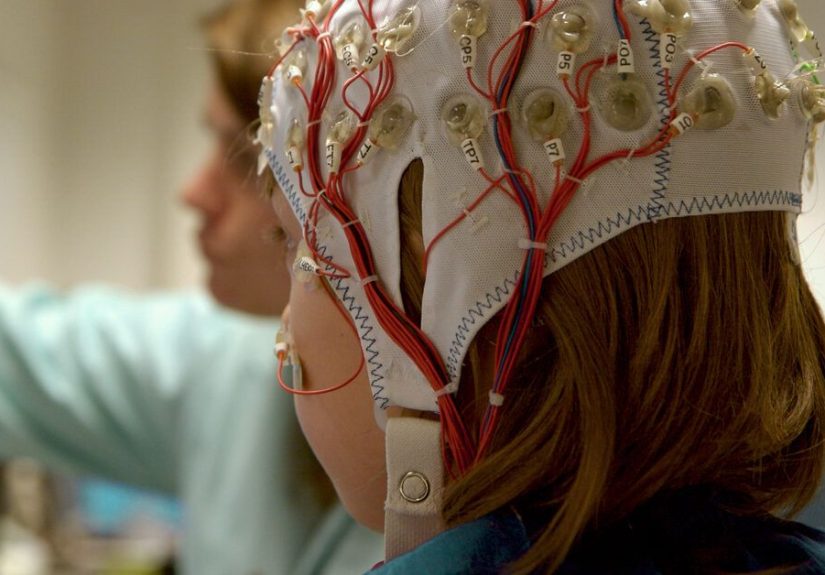
An EEG, or electroencephalogram, is a test that records the electrical activity of your brain using small metal discs called electrodes placed on your scalp. Brain cells communicate through tiny electrical impulses; the EEG machine detects and amplifies these signals and displays them as wave patterns on a computer.
Each type of brain wave pattern has a typical frequency and shape. Neurologists are trained to recognize what looks normal for someone who is awake, drowsy, or asleep, and what might suggest seizures, abnormal brain function, or other neurologic problems.
Why Doctors Order an EEG (Purpose & Indications)
EEGs have been around for decades and are still one of the most important tools for evaluating seizures and epilepsy, even in the age of MRI and CT scans. Doctors may order an EEG to:
- Evaluate seizures or suspected epilepsy. EEG helps confirm seizure activity, classify seizure types, and guide treatment.
- Investigate spells or “events.” If someone has episodes of staring, confusion, sudden falls, or unusual movements, EEG can help distinguish seizures from fainting, sleep issues, or psychogenic events.
- Assess brain function after injury or illness. EEG can be used in intensive care units to monitor brain activity after a head injury, cardiac arrest, or severe infection.
- Evaluate changes in thinking, behavior, or consciousness. It may help diagnose encephalopathy (global brain dysfunction), coma states, or unexplained confusion.
- Study sleep disorders. Certain sleep problems, such as narcolepsy or parasomnias, may be evaluated using EEG as part of a sleep study.
- Monitor anesthesia or sedation. In some settings, EEG helps track how deeply a patient is sedated during surgery or in the ICU.
On the flip side, EEG is not a catch-all test. For example, guidelines from neurology organizations suggest that routine EEG is usually not helpful for a simple headache with a normal exam. In other words, your neurologist isn’t ordering this “just because”there should be a specific question they’re trying to answer.
Types of EEG Tests
Not all EEGs look the same. Depending on your symptoms, your provider may choose one of several formats:
Routine EEG
This is the standard test most people think of. You lie down or sit comfortably while 16–25 electrodes (sometimes more) are placed on your scalp. The recording usually lasts 20–40 minutes.
Sleep-Deprived EEG
Sometimes abnormal brain activity only shows up when you’re very tired or drifting off to sleep. For a sleep-deprived EEG, you may be asked to stay awake most or all of the night before the test so you’re more likely to fall asleep during recording.
Ambulatory EEG
If your events are infrequent, a short test in the hospital might miss them. Ambulatory EEG uses portable equipment so you can wear electrodes at home for 24–72 hours (or longer). It records your brain waves while you go about daily life.
Video EEG Monitoring
In specialized epilepsy monitoring units, long-term video EEG records your brain activity continuously while a camera captures what your body is doing. This combination is especially helpful for characterizing hard-to-diagnose spells and planning epilepsy surgery.
How to Prepare for an EEG
Most EEGs are low-stress in terms of prep, but a few key steps help ensure high-quality results:
- Wash your hair. Clean, dry hair with no gels, oils, sprays, or conditioners helps electrodes stick and improves signal quality.
- Avoid caffeine if instructed. Caffeine can change brain activity and may affect the recording, so some centers ask you to skip coffee, energy drinks, and caffeinated soda for several hours or for the day of the test.
- Follow medication directions. Never stop seizure or psychiatric medications on your own. Your neurologist will tell you if any doses should be adjusted before the test.
- Eat normally unless told otherwise. Low blood sugar can make you feel unwell and may even provoke symptoms; most instructions encourage you to eat a normal meal pre-test.
- Plan for sleep deprivation, if needed. For a sleep-deprived EEG, you might be told to stay awake all night or limit sleep to just a few hours.
- Wear comfortable clothes. You’ll be mostly still for the recording, so think “soft pants,” not tight jeans.
If you’re anxious (totally normal!), let the technologist know. They do these tests all day and are usually excellent at walking people through each step.
What Happens During the EEG Procedure?
The actual EEG procedure is painless and usually pretty uneventful. Here’s what you can expect:
- Check-in and consent. You’ll review your medical history, sign consent forms, and confirm the reason for the test.
- Head measurement and marking. The technologist measures your head and marks specific spots based on an international system so the electrodes are placed consistently.
- Scalp cleaning and electrode placement. Your scalp is gently scrubbed with a gritty cream or alcohol to remove oils, then small metal discs are attached with paste or glue. Sometimes a stretchy cap with built-in electrodes is used.
- Baseline recording. You’ll be asked to relax with eyes open and closed. The machine records your resting brain activity.
-
Activation procedures. To bring out abnormal patterns, you may be asked to:
- Breathe deeply (hyperventilate) for several minutes
- Look at a flashing strobe light (photic stimulation)
- Do simple tasks or respond to questions
These are standard and monitored closely.
- Possible sleep. If the test is long or you’re sleep-deprived, the technologist may encourage you to nap so they can capture drowsy and sleep-related activity.
- Electrode removal and cleanup. When recording is done, the paste is washed or wiped off. Your hair may feel sticky but otherwise normalsome centers even offer shampoo and a blow-dryer on the way out.
Afterward, you can usually return to normal activities unless your provider gives other instructions. The results are interpreted later by a neurologist or neurophysiologist and sent to the clinician who ordered the test.
Is an EEG Painful?
No. During an EEG:
- The electrodes record activity; they do not send electricity into your brain.
- You won’t feel shocks, burning, or zapping.
- Most people describe the test as mildly annoying (because of the sticky paste and sitting still), not painful.
The weirdest part for many people is simply knowing that their brain waves are being watched in real timewhich, let’s be honest, is also a little cool.
Understanding EEG Results (In Plain Language)
EEG reports are written by specialists and can look intimidating. They often include technical terms about background rhythms, reactivity, and specific waveforms. In general:
- “Normal EEG” means no abnormal patterns were seen during the recording. It does not completely rule out epilepsy, because seizures can be intermittent and might not occur during the test.
- “Epileptiform activity” refers to spikes, sharp waves, or spike-and-wave patterns that suggest a tendency to have seizures.
- “Slowing” or “diffuse slowing” can point to encephalopathy or generalized brain dysfunction, which might be due to metabolic issues, medications, or structural damage.
- Focal abnormalities (changes in one region) can hint at localized issues such as scars, strokes, or lesions.
Your neurologist’s job is to translate all of this into something meaningful for you: what the findings support, what they don’t, and how they change your treatment plan, if at all.
Risks and Side Effects of EEG
One of the biggest advantages of EEG is how safe it is. The test has been used for many years in adults and children, and serious complications are extremely rare.
Common, Mild Issues
- Temporary skin irritation. Mild redness or soreness on the scalp where electrodes were attached can occur but usually fades quickly.
- Messy hair. The paste or glue can make your hair feel sticky or matted until you wash it out.
- Sleepiness or fatigue. If you were sleep-deprived for the test, expect to feel tired afterwardplan a nap or lighter schedule if possible.
Seizure Risk in People With Epilepsy
For people who already have a seizure disorder, the flashing lights or deep breathing used to “activate” the brain can rarely trigger a seizure. In an EEG lab, this is expected and planned for:
- Staff are trained to respond immediately to seizures.
- The environment is controlled and safe.
- Capturing an actual event can be extremely helpful for diagnosis and treatment decisions.
What EEG Does Not Do
- It does not expose you to radiation (unlike X-rays or CT scans).
- It does not involve injections or contrast dye.
- It does not deliver an electric shock.
Overall, EEG is considered a very safe, non-invasive test. If you have specific concernsfor example, a history of photosensitive seizurestalk with your neurologist so they can tailor the procedure to your situation.
Who Might Need Extra Caution?
While EEG is broadly safe, a few groups may need special planning:
- People with limited mobility. Extra support may be needed to transfer to the bed or to keep comfortable during a prolonged study.
- Young children. Pediatric EEG teams often use child-friendly explanations, toys, or mild sedation in select cases to help kids tolerate the test.
- Patients with severe anxiety or claustrophobia. Knowing what to expect in advance and bringing a support person (if allowed) can make the experience easier.
None of these are automatic reasons to avoid EEG. Instead, they’re cues for the healthcare team to plan ahead and support you properly.
Key Takeaways
- EEG is a test that records brain wave activity from the scalp to help diagnose conditions like epilepsy, sleep disorders, and certain brain injuries.
- It’s painless, non-invasive, and does not involve radiation or electric shocks.
- Preparation usually involves clean hair, possibly avoiding caffeine, and following specific instructions about sleep and medications.
- Risks are minimal; the main concern is that activation procedures can rarely trigger a seizure in people who already have a seizure disorder, in a monitored environment.
- Results require expert interpretation and are just one piece of the diagnostic puzzleyour history and exam still matter a lot.
If you’re scheduled for an EEG, think of it as a way for your care team to “listen in” on your brain’s electrical conversation, not as a test you can “pass” or “fail. ” The more information they have, the better they can tailor your care.
Experiences and Practical Tips Around EEG
Beyond the science and safety data, it helps to know what the experience feels like from a patient perspective. While everyone’s situation is different, certain themes come up again and again when people describe their EEG.
Before the EEG: Managing Worry
Many people are more nervous about the idea of the EEG than the test itself. If this is your first neurologic test, it can feel like a big step. Common worries include:
- “Does this mean my doctor thinks something serious is wrong?”
- “Will the test hurt?”
- “What if they see something bad on the screen?”
It can be helpful to reframe the test as information-gathering, not as a verdict. Your brain is already doing whatever it’s doingEEG just lets your care team see it more clearly. Many patients say that once the technologist explains the process and they see the setup, their anxiety drops significantly.
A few practical pre-test tips people often find useful:
- Plan your day. If you’re having a routine EEG, schedule it at a time when you can avoid rushing. A calm arrival sets the tone.
- Bring comfort items. Some centers allow you to bring a light blanket, small pillow, or headphones (for the waiting room, not during the recording) to help you relax.
- Write down questions. It’s easy to forget what you wanted to ask once you’re in the room, so jot down concerns about medications, driving, work, or follow-up.
During the EEG: What It’s Really Like
Once electrodes are attached, the most common experience is… boredom. You need to stay relatively still, and the room is often dim to encourage relaxation or sleep. Many patients describe it as similar to lying quietly before a nap while someone occasionally gives simple instructions.
People with seizure disorders sometimes worry that having a seizure during the test will be embarrassing or dangerous. In practice:
- The staff is prepared for events; this is their normal workday.
- If a seizure happens, it’s actually valuable because it’s captured on both video and EEG, giving doctors a clear view of what’s going on.
- Afterward, you’ll be monitored until you’re back to baseline and it’s safe for you to go home or back to your hospital room.
Parents of young children often find that the hardest part is getting kids to sit still long enough for the setup. Many pediatric EEG labs use distraction techniques such as tablets, toys, or games while the technologist applies electrodes. Once the recording starts, children may watch a quiet show or simply rest.
After the EEG: Waiting and Next Steps
The waiting period for results can be more stressful than the test itself. It’s normal to refresh your patient portal a few extra times. Remember:
- EEG is just one piece of the puzzle. A normal test doesn’t mean your symptoms aren’t real, and an abnormal test doesn’t automatically mean a serious, untreatable condition.
- Your provider may combine EEG findings with MRI, blood tests, and your clinical history to build a full picture.
- Sometimes, they may recommend repeat or longer-term monitoring if the first study wasn’t conclusive.
Many people feel relief after they’ve had the test, regardless of the outcome, because they know they’re actively working toward answers. For some, EEG confirms epilepsy and leads to appropriate medication that finally controls their seizures. For others, it helps rule out epilepsy and redirect attention to migraine, sleep disorders, anxiety, or other explanations.
How to Advocate for Yourself
You can play an active role in making your EEG as useful as possible:
- Describe your episodes clearly. Before the visit, write down what happens, how long it lasts, how you feel afterward, and any triggers you’ve noticed.
- Ask what the test is expected to show. Understanding the specific question your neurologist is trying to answer makes the results easier to interpret later.
- Follow instructions closely. Sleep-deprivation, caffeine limits, or medication guidance aren’t arbitrarythey’re designed to maximize the chances of capturing meaningful data.
- Speak up about barriers. If transportation, childcare, or work schedules make testing difficult, let your care team know. Sometimes they can adjust timing or choose an alternative (such as ambulatory EEG at home).
Ultimately, an EEG is a partnership between you and your healthcare team. The test offers a window into your brain’s electrical behavior; your lived experience fills in the story around it. When those two pieces come together, you’re far more likely to get a diagnosis and treatment plan that truly fits your life.