Table of Contents >> Show >> Hide
- What Are Fabric Covered Storage Boxes?
- Why Fabric Covered Storage Boxes Are So Popular
- Where Fabric Covered Storage Boxes Work Best
- How to Choose the Right Fabric Covered Storage Boxes
- What to Store Inside Fabric Covered Storage Boxes
- Smart Organizing Tips for Better Results
- How to Care for Fabric Covered Storage Boxes
- Design Ideas Using Fabric Covered Storage Boxes
- Final Thoughts
- Experiences Related to Fabric Covered Storage Boxes
If clutter had a favorite hobby, it would be multiplying in plain sight. One sock becomes a sock colony, gift wrap turns into a paper avalanche, and suddenly your “organized” shelf looks like it’s been through a minor emotional event. That is exactly where fabric covered storage boxes shine. They do the practical work of storing everyday items, but they also soften the look of a room, hide visual mess, and make even a busy shelf look intentional instead of accidental.
In other words, these boxes are not just containers. They are part storage solution, part design trick, and part peace treaty between your stuff and your sanity. Whether you are organizing a linen closet, taming a cube shelf in the living room, or trying to make a nursery look charming instead of chaotic, fabric covered storage boxes can help create order without making your home feel like a warehouse.
This guide breaks down what fabric covered storage boxes are, why they work so well, how to choose the right ones, what to store inside them, and how to use them in a way that looks polished and actually holds up in real life. Because looking organized for six minutes is easy. Staying organized for six months is the real flex.
What Are Fabric Covered Storage Boxes?
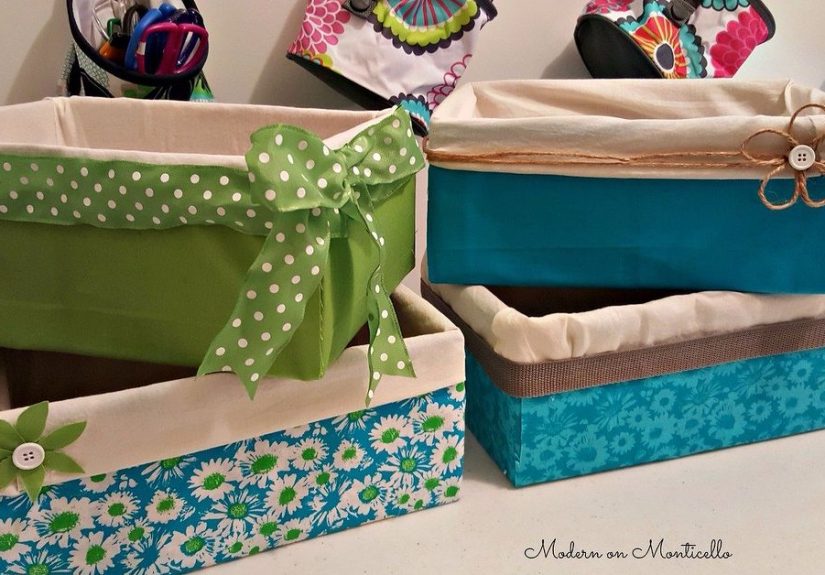
Fabric covered storage boxes are structured or semi-structured containers wrapped in fabric, linen-look textile, canvas, felt, polyester blends, velvet, or other soft materials. Some are collapsible, some have lids, some include stitched handles, and others come with label holders, zip tops, or reinforced sides. Many are sized to fit standard cube organizers, which makes them especially popular in bedrooms, closets, playrooms, dorms, and home offices.
Unlike clear plastic bins, fabric boxes are designed to blend into a room rather than announce themselves. They hide visual clutter, reduce the hard, industrial feel that some storage solutions create, and bring texture into the space. That texture matters more than people think. A shelf full of matching fabric boxes feels calmer, warmer, and more “I have my life together” than a random mix of shopping bags, cardboard cartons, and mystery piles.
Some fabric covered storage boxes are soft-sided and lightweight, which makes them easy to move and store when not in use. Others use fiberboard or similar inserts for structure, allowing them to stand upright, stack more neatly, and keep their shape under daily use. The best option depends on what you store, where the box will live, and how often you plan to grab it.
Why Fabric Covered Storage Boxes Are So Popular
They Hide Clutter Beautifully
The biggest reason people love fabric covered storage boxes is simple: they make stuff disappear without making a room feel cold. If you want to hide charging cables, scarves, toys, seasonal décor, office supplies, or extra hand towels, fabric boxes do the job while still looking decorative.
They Add Softness to a Room
Plastic and metal organizers can be incredibly useful, but they often feel utilitarian. Fabric boxes add a softer visual layer, which works especially well in bedrooms, nurseries, living rooms, and closets. They can also help balance out hard surfaces like wood shelving, metal racks, or laminate furniture.
They Work in Open Storage
Open shelving is great until you remember that everyone can see everything. Fabric covered storage boxes solve that problem by turning open storage into concealed storage. This is especially helpful in cube organizers, closet shelves, mudrooms, and media units where you want easy access without constant visual noise.
They Are Easy to Move
Most fabric boxes are lighter than rigid containers, especially when empty. Handles on the front, sides, or both make them easier to pull from shelves and carry from one room to another. If you reorganize often, or if your storage needs shift with the season, that flexibility matters.
They Can Fold Flat
Many styles collapse when not in use, which makes them practical for apartments, dorm rooms, guest rooms, and multipurpose spaces. That means your storage solution does not need its own storage solution, which frankly should be the bare minimum.
Where Fabric Covered Storage Boxes Work Best
Closets
Fabric covered storage boxes are closet all-stars. Use them on upper shelves for out-of-season clothes, accessories, handbags, scarves, gloves, keepsakes, or spare linens. Matching boxes can make a standard closet look custom, especially when paired with labels.
Cube Organizers
If you have a cube shelf in a bedroom, office, or playroom, fabric boxes are one of the easiest ways to make it functional. They are ideal for toys, board games, cords, craft supplies, notebooks, shoes, and all the little objects that tend to migrate into visible chaos.
Home Offices
Paper clutter has a special talent for spreading like gossip. Fabric covered storage boxes can corral office supplies, printer paper, tech accessories, small tools, notebooks, and reference materials while keeping your workspace from looking like a shipping center.
Living Rooms
In living areas, these boxes help manage remote controls, extra cables, coasters, magazines, gaming accessories, blankets, and kid-related items that somehow end up everywhere. A fabric box on a shelf or inside a media console looks intentional. A pile of mystery cords does not.
Nurseries and Kids’ Rooms
Fabric covered storage boxes are perfect for baby clothes, diapers, bibs, toys, books, art supplies, and stuffed animals. They are lighter, softer, and generally friendlier in kid spaces than hard plastic options. Labels or picture labels can also make cleanup easier for children.
Linen Closets
Use them to sort guest towels, backup toiletries, sheet sets, washcloths, travel-size products, and seasonal bedding. Grouping by category makes it easier to find what you need quickly, which is especially helpful when guests are coming over and you are suddenly pretending your house is always this organized.
How to Choose the Right Fabric Covered Storage Boxes
1. Measure First
Do not buy storage boxes based on optimism. Measure the shelf, cube opening, drawer area, or under-bed clearance first. Many fabric boxes are made for standard cube storage, but dimensions still vary. A box that is too tall, too deep, or just slightly too wide can turn a smart purchase into a decorative regret.
2. Match the Structure to the Job
If you need the box to sit upright, stack, or hold heavier items, choose a style with reinforced sides and a sturdy base. If you want something flexible for lightweight items like scarves, baby clothes, or soft toys, a softer collapsible version may be enough.
3. Decide Whether You Need a Lid
Lids help keep dust out and make a shelf look cleaner. They are great for long-term storage, off-season items, papers, and linens. Open-top boxes are better for everyday access, especially in kids’ rooms, entryways, and shelves you use frequently. If you want the best of both worlds, choose a removable lid.
4. Look for Handles That Make Sense
A front handle is useful for cubbies and closet shelves. Side handles are better if you plan to carry the box across the room. Grommeted or stitched handles may feel sturdier than decorative tabs, especially if the box will be full.
5. Think About Visibility
If you tend to forget what you own the second it disappears into a box, consider styles with label holders or a clear window panel. If your main goal is visual calm, solid fabric boxes will hide the contents better and create a more streamlined look.
6. Choose a Fabric That Fits the Room
Linen-look neutrals work almost anywhere. Felt feels modern and cozy. Canvas tends to look casual and durable. Velvet can feel more decorative in bedrooms or living rooms. In short, choose a material that matches your space instead of fighting it. Your storage box should not look like it accidentally wandered in from another room.
What to Store Inside Fabric Covered Storage Boxes
These boxes are best for dry, lightweight to medium-weight household items that benefit from being grouped, hidden, and easy to access. Good candidates include:
- Scarves, hats, belts, and gloves
- Socks, underwear, and folded T-shirts
- Toys, puzzles, and craft supplies
- Blankets, pillow covers, and spare linens
- Office supplies, notebooks, and paper goods
- Charging cables, gadgets, and small electronics accessories
- Holiday décor and gift-wrap supplies
- Guest-room extras and backup toiletries
What should you avoid? Very damp items, anything likely to leak, especially heavy objects, or valuables that need airtight, archival, or moisture-resistant protection. Fabric covered storage boxes are stylish and versatile, but they are not the right choice for every environment. If an area is humid, wet, or rough on materials, a more protective bin may make more sense.
Smart Organizing Tips for Better Results
Declutter Before You Buy
This is the unglamorous truth that no one wants to hear while standing in the storage aisle: boxes do not solve clutter by themselves. They only organize what remains. Edit your belongings first, then buy the number and size of boxes your space actually needs.
Use Broad Categories
Do not create a labeling system so specific that it requires a spreadsheet and emotional support. “Winter accessories” works better than separate boxes for one glove, two hats, and your scarf collection from 2018. Broader categories are easier to maintain.
Label Everything
Even attractive storage should be easy to navigate. Labels save time, reduce shelf rummaging, and make it easier for everyone in the house to return items where they belong. If the box is for a child’s room, picture labels can be especially helpful.
Use Matching Boxes for a Cleaner Look
Uniform boxes create rhythm and visual calm. Mixed containers can work in eclectic spaces, but matching fabric covered storage boxes tend to make shelves feel more polished and less chaotic. It is the difference between curated and “I gave up halfway through.”
Store by Frequency of Use
Place everyday items at eye level or on easy-to-reach shelves. Use upper shelves or deeper storage areas for seasonal, backup, or less frequently used items. This one change can make your system much more functional.
How to Care for Fabric Covered Storage Boxes
Fabric storage boxes are generally low-maintenance, but they do better when treated like home goods rather than indestructible gear. Most can be spot-cleaned with mild detergent and allowed to air dry. Avoid soaking them unless the manufacturer specifically says that is safe.
Keep them in dry spaces whenever possible. Moisture is not their friend, especially if the box includes cardboard or fiberboard inserts. Do not overload them beyond what the seams, base, or handles can comfortably support. If the box folds flat, store it collapsed when not in use to keep it looking neat and prolong its life.
For long-term success, periodically empty the boxes, wipe the shelves, and reassess what you are storing. Storage systems work best when they get small tune-ups instead of dramatic rescue missions.
Design Ideas Using Fabric Covered Storage Boxes
In a living room, try a row of matching boxes in a bookcase to hide remotes, chargers, board games, and kid clutter while leaving space for books and décor. In a bedroom, choose a soft neutral or textured fabric box for scarves, accessories, or folded loungewear on open shelving. In a nursery, use labeled boxes for diapers, blankets, toys, and extra onesies. In a home office, choose structured boxes with lids for paper, cords, and supplies so the room still feels calm on video calls.
You can also mix function and style by using a more decorative fabric covered storage box on visible shelves and simpler utility versions inside closets. That way, the boxes that stay on display contribute to the room’s design, while the hidden storage quietly handles the less glamorous work.
Final Thoughts
Fabric covered storage boxes hit a sweet spot that many home organizers are chasing: they are practical without looking harsh, decorative without being useless, and flexible enough to work in nearly every room. They help hide clutter, create visual calm, and make ordinary storage feel more intentional.
The key is choosing the right size, the right structure, and the right placement. Measure first, declutter before buying, label clearly, and group items in a way your future self will understand. Do that, and fabric covered storage boxes become more than containers. They become part of a system that helps your home function better and look better at the same time.
And really, that is the dream: fewer random piles, less visual chaos, and a shelf that no longer looks like it is one cough away from collapse.
Experiences Related to Fabric Covered Storage Boxes
In real homes, the experience of using fabric covered storage boxes is usually less about a dramatic makeover and more about a quiet upgrade that makes daily life easier. One of the most common experiences people have is realizing just how much visual stress comes from seeing too many small items at once. A shelf may not actually be overflowing, but when every charger, notebook, toy, scarf, and random household object is visible, the room feels busier than it really is. As soon as those items are grouped into matching fabric boxes, the space tends to feel calmer almost immediately.
Another common experience is how quickly these boxes improve shared spaces. In a family room, one box can become the official home for remotes and charging cables, another for kids’ art supplies, and another for game-night essentials. Suddenly, cleanup is faster because the system is obvious. People do not need to wonder where something belongs. They just drop it into the right box and move on. That sounds simple, but in a busy household, simple systems are usually the ones that survive.
Fabric covered storage boxes also tend to shine in closets. Many people discover that upper shelves become much more useful once they stop storing loose items directly on them. Sweaters, handbags, extra linens, or seasonal accessories can look messy on their own, but placed inside labeled boxes, they become easy to find and easier to maintain. There is also a psychological benefit: when a closet looks tidy, people are more likely to keep it tidy. A neat system encourages better habits.
In smaller homes or apartments, these boxes often pull double duty. A fabric box might store off-season clothes one month, wrapping paper the next, and guest-room extras after that. Because many styles are lightweight and collapsible, they adapt well when storage needs change. That flexibility is part of the appeal. People do not always need a permanent built-in system. Sometimes they just need a smart container that can evolve with the room.
There is also a design experience attached to them. Unlike stark plastic tubs, fabric covered storage boxes can make a space feel more finished. A row of neutral boxes in a cube shelf can make inexpensive furniture look more polished. A velvet or linen-style box on a bookshelf can feel almost decorative. That is why people often keep using them even after the “organization project” is over. They do not just store things well; they help the room look better every day.
Of course, people also learn a few lessons along the way. Boxes that are too small become annoying. Boxes without labels become guessing games. Boxes bought before decluttering often end up holding things that should have been donated in the first place. But once those mistakes are corrected, the experience is usually positive. The best fabric covered storage boxes do not demand constant attention. They quietly support routines, reduce mess, and make home organization feel a little more manageable and a lot less like punishment.